|
Eight Tips for Soil Sampling
Chris Augustin, Soil Scientist – Dickinson Research Extension Center
Chris.augustin@ndsu.edu; 701-456-1100
For the past week, I’ve been back on my family’s farm in Pembina County, helping with sugarbeet harvest. Between shifts and while answering emails, I’ve had King of the Hill playing in the background.
Hank Hill, the show’s main character, is quite the handyman. In one particular episode, he was fighting with a stuck cap on a can of WD-40. Being the resourceful guy he is, Hank reached into his holster, pulled out a little can of WD-40, gave the larger can a few squirts, and off came the cap. I think that might be the best television joke ever!
That got me thinking about WD-40, soil sampling, and a few tips worth keeping in mind as we head into another soil-testing season.
1. A little WD-40 can go a long way.
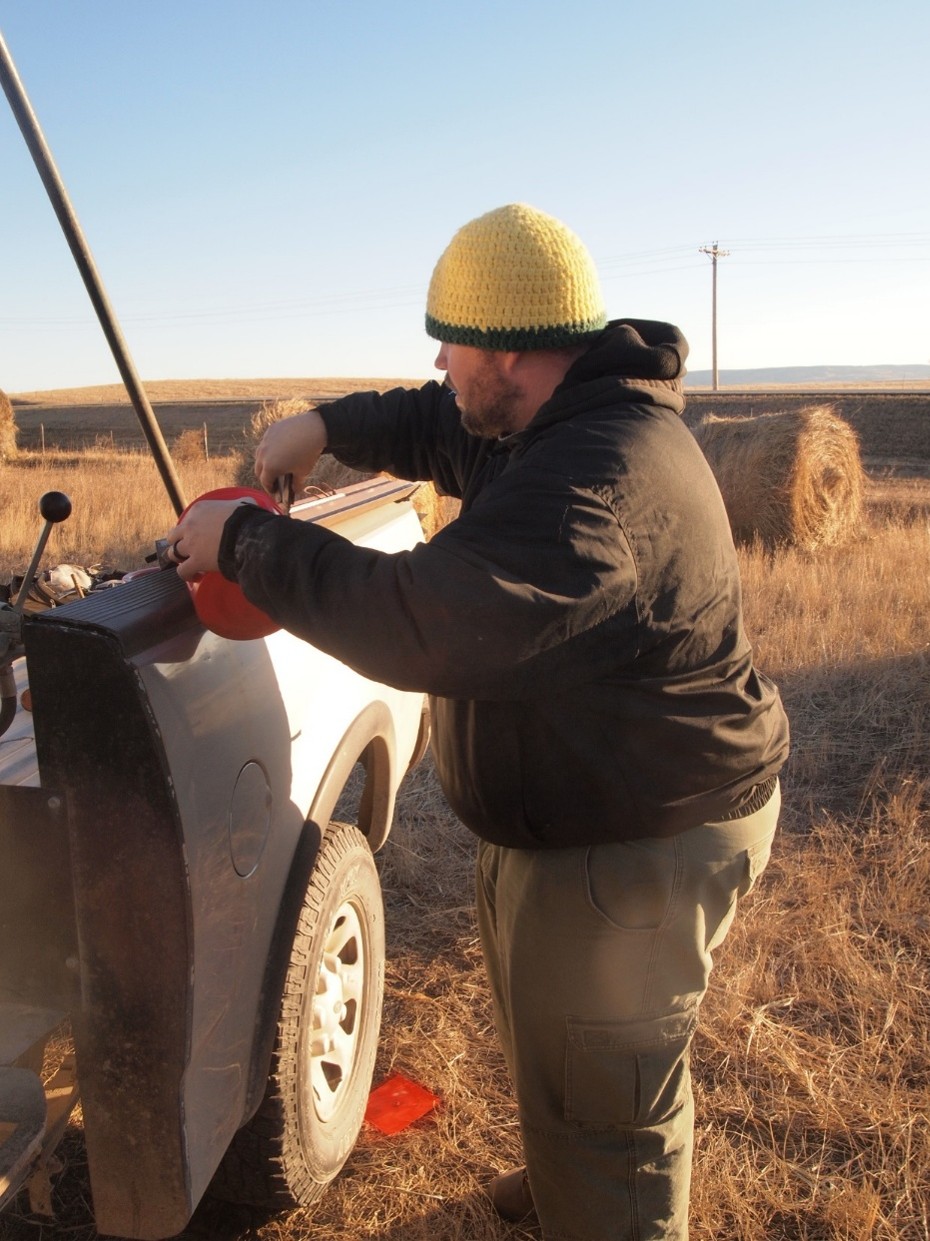
We’ve been in a drought, although we’ve caught some rain. When soil conditions are dry, a few squirts of WD-40 on your soil probe can help make sampling easier. The WD-40 will help you remove clayey soils from the probe barrel as well. Research from various soil-testing laboratories and Land-Grant universities indicates that WD-40 does not interfere with standard soil nutrient tests. Other lubricants, such as vegetable oil, can stimulate microbial activity and potentially skew results.
2. Sample between fertilizer bands.
If you band fertilizer (it’s a great way to cut down phosphorus rates), collect your soil samples between the bands rather than directly through them. Sampling directly through a fertilizer band can result in unusually high Olsen phosphorus tests and may not accurately represent the field.
3. Sample before tillage.
This may be less of a concern in western North Dakota, where no-till is common, but it's good practice to collect soil samples before a tillage operation. You'll generally get a more representative soil core and your results will better reflect the soil conditions your crop’s roots experience.
4. Don't overestimate nitrogen losses between fall and spring.
Years ago, there was considerable concern about August soil testing and how much nitrogen might be lost between then and the next growing season. Research has shown that nitrogen losses during this period is usually minimal.
5. Remember nitrogen credits from previous crops.
Nitrogen credits are estimates informed by years of research. As a general rule of thumb, a previous grain legume crop, such as soybeans or field peas, provides a nitrogen credit of 40 pounds of nitrogen per acre. Forage legumes, such as alfalfa, are a different story and require a separate approach. Use the appropriate NDSU recommendations for your crop and situation (link below).
6. Weather can influence soil nitrate levels.
Think back to 2018, an extremely dry year followed by widespread rainfall in August. Later that fall, some fields tested unusually high for soil nitrate-nitrogen. Two factors help explain what happened.
First, drought-stressed crops often produced lower yields, leaving more unused nitrogen in the soil. Second, some of the fields with especially high nitrate levels had been planted to soybeans or field peas the previous year.
Soil microbes need heat, food, and moisture to function. During that drought, moisture limited microbial activity and the mineralization of nitrate-nitrogen from crop residues and soil organic matter. When August rains arrived, the combination of warm soil and renewed moisture stimulated microbial activity and nitrogen mineralization. These conditions contributed to the elevated soil nitrate levels observed that fall. That year had a delayed release in nitrate-nitrogen from the pulse crop nitrogen credit.
7. Don't automatically dismiss a high soil test.
If a soil test comes back unusually high, it's reasonable to investigate or collect another sample to confirm the result. But ask yourself this: If you're willing to trust a low soil test, why wouldn't you trust a high one?
The goal of soil sampling is to make informed fertilizer decisions and manage increasingly expensive inputs as cost-effectively as possible. Unusually high results deserve a closer look, not an automatic dismissal.
8. Be consistent with your sampling schedule.
Try to soil sample at the same time each year, whether that's in the spring or fall. Consistency makes it easier to track changes in soil fertility over time and develop a better understanding of how your fields respond to management. The more familiar you become with your ground, the better equipped you'll be to interpret your results and make sound decisions.
As always, good soil sampling is the foundation of good fertilizer management. Taking the time to collect representative samples and interpret the results correctly can help you make better decisions and get more value out of every fertilizer dollar.
For more information on soil sampling and fertilizer recommendations, check out these two NDSU Extension publications:
- Soil Sampling as a Basis of Fertilizer Application:
https://www.ndsu.edu/agriculture/extension/publications/soil-sampling-basis-fertilizer-application
- North Dakota Fertilizer Recommendation Tables and Equations:
-
https://www.ndsu.edu/agriculture/extension/publications/north-dakota-fertilizer-recommendation-tables-and-equations
|