Digestive Health Monthly - November 2018
|
|
Greetings!
As the holiday season approaches, most people are looking forward to parties with co-workers and friends, sharing quality time with family, and the rich meals that are a mainstay during this time of year. But, for those living with a chronic gastrointestinal (GI) disorder like gastroesophageal reflux disease (GERD), that anticipation may be replaced by fear of unwanted symptoms.
GERD Awareness Week
is November 18-24, 2018, and takes place each year during the week of Thanksgiving. During this time and throughout the year, IFFGD raises awareness of this common but often under-recognized health concern and encourages individuals who may be experiencing symptoms to talk to their doctor.
This month we're taking a look at the holidays and sharing some tips to help you reduce the impact of GERD or other digestive conditions on your festive season.
|
|
#GivingTuesday
Celebrate giving with us!
|
IFFGD will be participating in
#GivingTuesday this year. #GivingTuesday is a global day of giving that harnesses the collective power of individuals, communities, and organizations to encourage philanthropy and to celebrate generosity worldwide. Following Thanksgiving, and the widely recognized shipping events Black Friday and Cyber Monday, this year's #GivingTuesday will take place on
November 27th and will kick off the giving season by inspiring people to give back.
Learn more about the Giving Tuesday movement and how you can take part!
|
|
|
Eating for GERD
Tips for creating your GERD diet
|
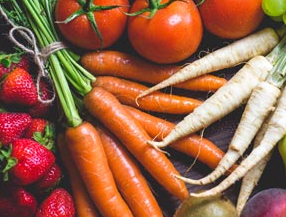
Managing the symptoms of GERD may include making certain diet and lifestyle changes, often starting with a list of foods to avoid. But, eating right for GERD doesn't mean cutting out all of your favorite foods. Making just a few, simple modifications to your current diet is often enough to help reduce the discomfort of GERD so you can get back to enjoying your meals.
Find a list of common dietary triggers and tips on how to create your personal "GERD diet."
|
|
|
Happy Tummies, Happy Holidays
GERD and the Holiday Season
|
It's no accident that
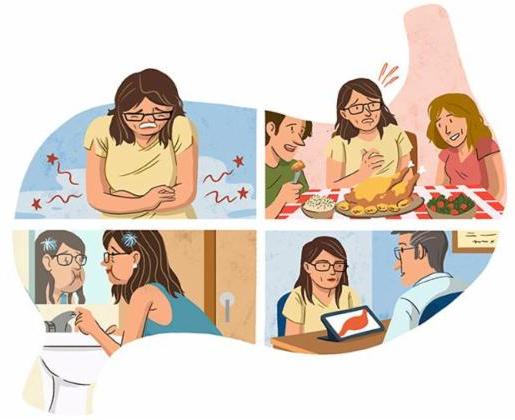
GERD Awareness Week falls every year during the week of Thanksgiving. Extra helpings of travel, food, and stress can make the holidays a difficult time of year for everyone, but can be especially trying for those with a chronic digestive condition.
Find tips
for making your holidays less likely to lead to digestive upset.
|
|
|
Meet the Researcher
Q&A with 2018 IFFGD Research Award winner Dr. Ans Pauwels
|
Many experience more than one GI disorder, which may make it difficult to tease apart symptoms and figure out the best overall treatment approach.
Recipient of the
2018 IFFGD Research Award in the category of Clinical Investigator, Ans Pauwels, PhD, is looking at the overlap between GERD and other digestive conditions, including functional dyspepsia and esophageal disorders, such as rumination syndrome, supra-gastric belching, and extra-esophageal symptoms of reflux like chronic cough and globus.
Click here to learn more about Dr. Pauwels' research.
|
|
|
National Diabetes Month
IFFGD joins DG Xplained in raising awareness for diabetic gastroparesis
|
November is also
National Diabetes Month. During this time, individuals and communities come together to recognize the impact of diabetes and its complications, including diabetic gastroparesis (DG).
In recognition of all those affected by DG, IFFGD has partnered with
DG Xplained to raise awareness and spread education about this complicated but little-known condition. IFFGD president,
Ceciel Rooker, shares the importance of patient-focused education for DG in
this press release.
|
|
|
GERD in Children and Teens
GERD can affect kids, too!
|
While often thought of as a health condition affecting adults, up to 25% of children and teens also have symptoms of GERD. As with adults, GERD may sometimes be associated with other, more serious complications in children and teens and should always be discussed with a doctor.
If you suspect that your child may be suffering from reflux, the first step is to consult a physician and obtain an accurate diagnosis.
|
|
|
Clinical trials and research studies are important to improving our understanding of the underlying mechanisms of diseases and developing new and better treatments. By participating in a study, you can help advance research and learn more about your condition.
Here are 3 studies currently recruiting participants:
|
|
Respiratory dysfunction, esophageal dysmotility, and GERD have been demonstrated to be highly prevalent in persons with spinal cord injury (SCI). Individuals with SCI and able-bodied controls are being sought for a study on the effects of anti-reflux therapy (proton pump inhibition) in individuals with SCI.
|
|
Parents of children between ages 3 and 6 are being asked to participate in a research study aimed at learning more about the relationship between children's bowel habits and the way they react to sensory input, such as feel, smell, and sound.
|
|
Female patients currently taking linaclotide for constipation predominant irritable bowel syndrome (IBS-C) or chronic idiopathic constipation (CIC) who have been actively breastfeeding or pumping for at least 4 weeks are being sought for a study to determine the amount of linaclotide in breast milk.
|
|
IFFGD is a nonprofit organization. We rely on donor support to fund research and to provide reliable information and support to those affected by chronic gastrointestinal disorders.
|
|
IFFGD | 414-964-1799 | iffgd@iffgd.org | www.iffgd.org
|
|
|
|
|
|
|