Because Digestive Health Matters

International Foundation for Gastrointestinal Disorders March 2025 eNewsletter

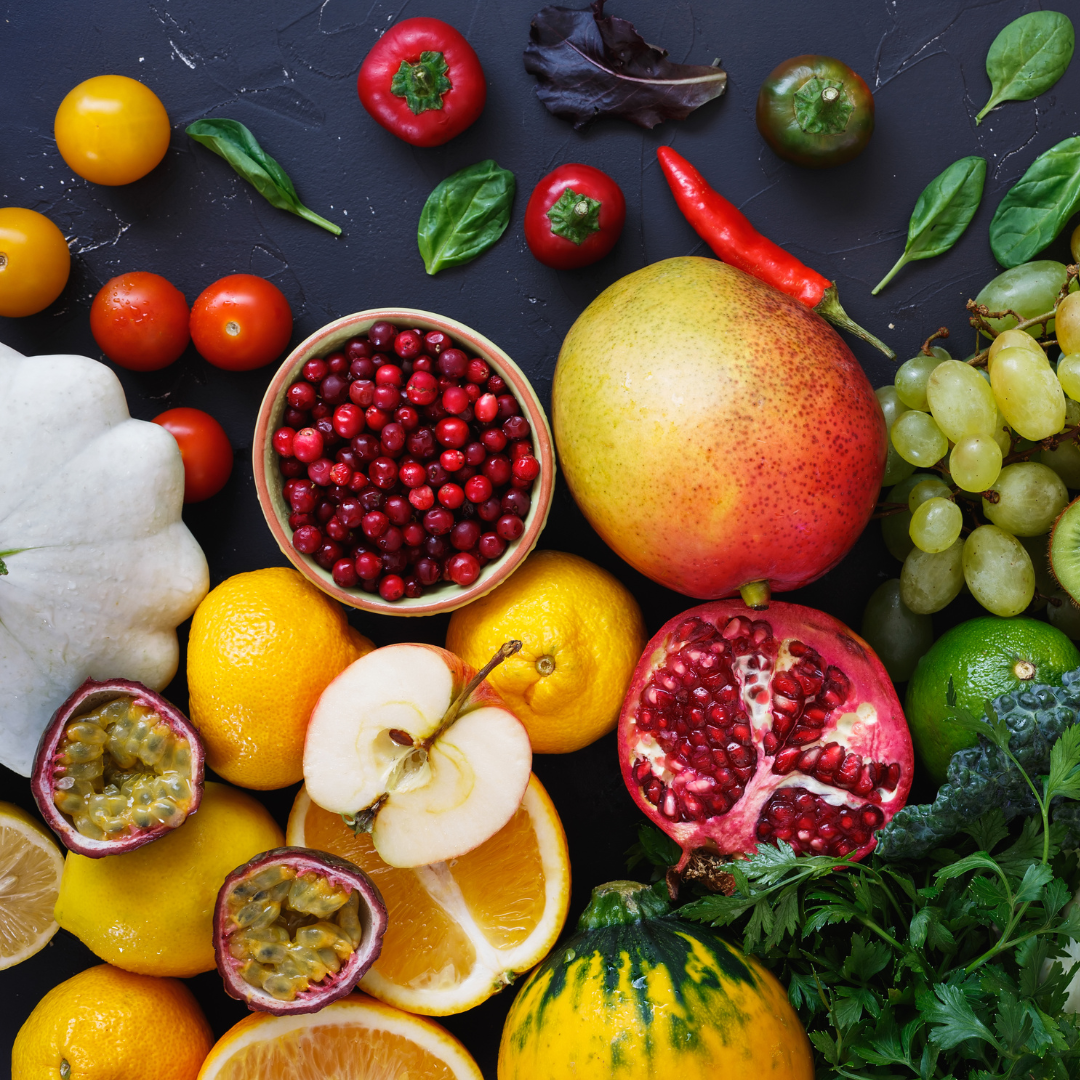
March is National Nutrition Month, a time to highlight the importance of making informed food choices and establishing healthy eating and physical activity habits. Proper nutrition plays a crucial role in managing gastrointestinal health and can help reduce the risk of diseases like colorectal cancer, a disease we also recognize this month.


Nutrition is essential not only for maintaining overall health but also for managing gastrointestinal (GI) conditions. For those living with a chronic GI disorder, the relationship between food and symptoms can be significant. Certain foods may trigger or worsen symptoms, while others may provide relief.


Understanding the connection between diet and GI health can be complex. Finding the right balance between proper nutrition and symptom management is key. If you face challenges in navigating this balance, consulting with a registered dietitian or other nutrition experts can be incredibly beneficial. These professionals can help identify food triggers and develop a personalized dietary plan to best support your health and well-being.


Colorectal Cancer Awareness Month

Colorectal cancer (CRC) is the fourth most common cancer type in the United States. It is the second most deadly form of cancer, but is also one of the most preventable if discovered and treated early. 


Healthcare professionals and researchers have been alarmed at the rising rates of CRC among young people. According to the Colon Cancer Coalition, 30% of CRC diagnoses occur under the age of 55. The link between CRC and young people is thought to be related to heavily processed foods, but the cause is still being investigated. 

We want to emphasize the importance of regular screenings and encourage people to explore our resources for more information on colorectal cancer and the importance of colonoscopies. Click here to learn more.

Understanding the Gut: Food and Nutrition

For individuals with gastrointestinal disorders, understanding nutrition is essential, as what we eat directly affects digestive health. Certain foods can worsen symptoms or trigger flare-ups, making it important to customize dietary choices to reduce discomfort and improve overall well-being.


Having a solid understanding of nutrition helps those with GI disorders recognize which foods may aggravate their condition. It's also important to maintain a balanced, nutrient-dense diet to support proper nutrient absorption, promote healing of the digestive system, and maintain general health.


To explore more about the connection between nutrition and gut health, click the button below.

Understanding the Gut: Food and Nutrition

Looking Forward to IBS Awareness Month

April is IBS Awareness month and we’re gearing up for our biggest campaign to date! Last month, we asked for your input on IBS content, what you wish others knew about this condition, and what you’d like to see us raise awareness on. Based on this feedback, we’re excited to announce next month’s topic- IBS: More Than Just a Stomachache. 


We’re busy preparing content but in the meantime, we have some great IBS resources from our website linked below as well as an animated patient guide linked here.

Looking Forward to IBS Awareness Month

Advocacy Day is just around the corner- have you registered yet?


On March 15, 2025, IFFGD will sponsor and coordinate a Virtual Advocacy Event for patients, caregivers, and other members of the digestive health community to learn about resources to assist with your illness journey and ways to advocate from the comforts of your home. 


Click here to register and receive your stream link and advocacy informational packet.

5 Minutes in GI

For the first time ever, we sat down with 2 different doctors to discuss this month’s 5 Minutes in GI topic.


Join us, Dr. Thangam Venkatesan, and Dr. Benjamin Liu as we explore Cannabinoid Hyperemesis Syndrome (CHS). This video is now live! Click the button below to get to watching.

5 Minutes in GI

What Causes Dyssynergic Defecation?

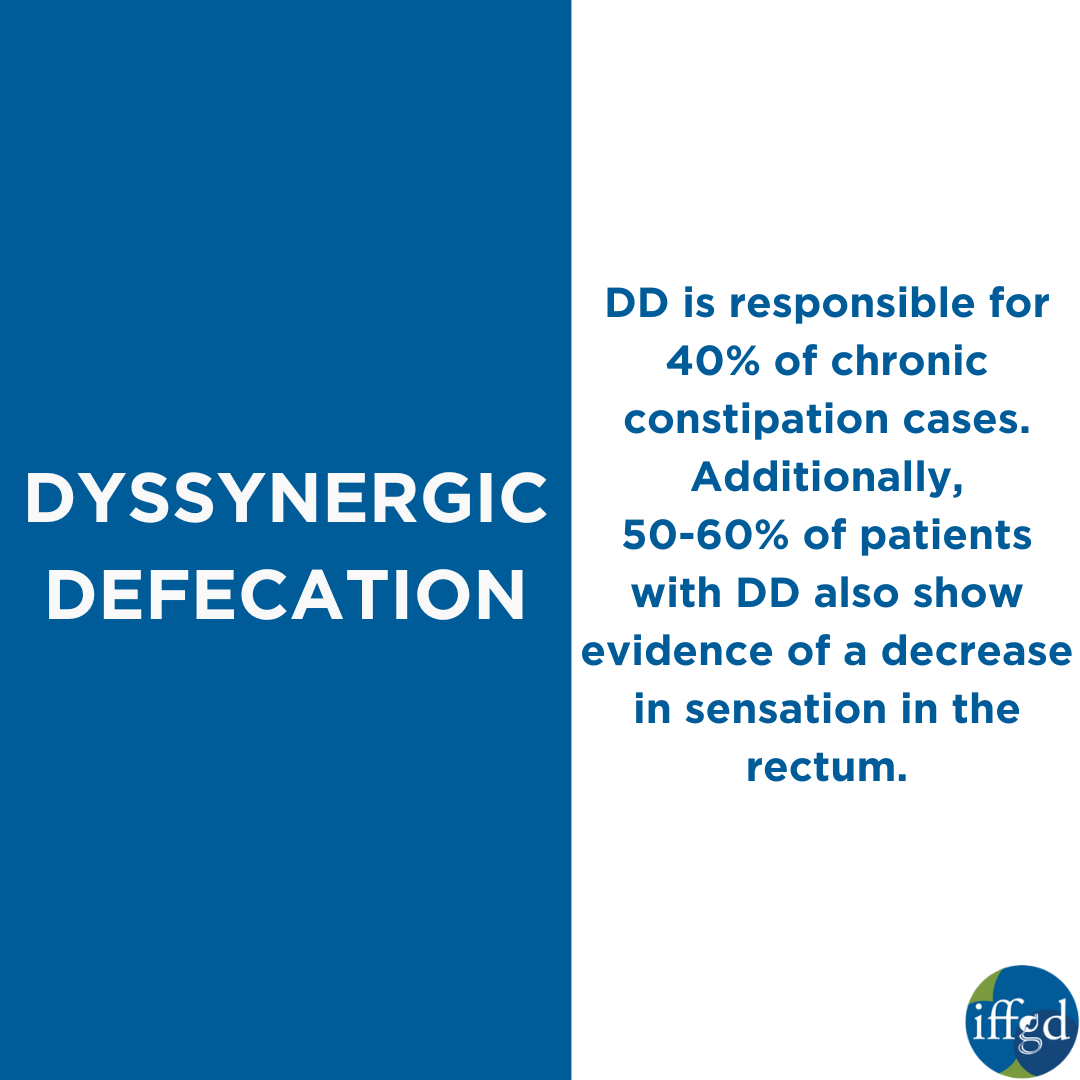
A bowel movement involves muscles in the abdomen, rectum, anus, and pelvic floor all working in synchrony. When one piece of this puzzle fails, it can result in conditions such as constipation or dyssynergic defecation (DD). 


Patients with dyssyneric defecation often show an inability to coordinate muscles- most commonly having issues with abdominal or rectal muscle contraction together with tightening rather than relaxing of the anal muscles during defecation, or not enough relaxation of the anal muscles. 


To learn more about DD, click the button below.

What Causes Dyssynergic Defecation?
Clinical trials and research studies help to improve our understanding of the underlying mechanisms of diseases and advance the development of new and better treatment options. By participating in a study, you can help further the advancement of research and learn more about your condition.

Here are 3 studies currently recruiting participants:

Barretts Esophagus

Pilot Study for TCE Imaging of the Esophagus Using an OFDI Capsule With a Compact Imaging System

IBS-D

A Phase 2, Randomized, Double-Blind, Placebo-Controlled, Multicenter, Parallel-Group

Study to Evaluate the Efficacy, Safety, and Tolerability of CIN-103 in Adults with Irritable Bowel

Syndrome With Predominant Diarrhea (IBS-D)

Constipation

Do Probiotics Improve Recovery From Acute Constipation in Kids?

March Spotlight

IFFGD Staff Member Memi Rooker

Ms. Rooker joined IFFGD in November 2024 and serves as the Assistant to the President, bringing strong organizational skills and dedication to supporting the collective mission. With a background in the United States Air Force, she has developed a disciplined and detail-oriented approach to her work. Ms. Rooker’s passion for IFFGD’s mission is deeply personal, as members of her family suffer from gastrointestinal disorders, thus inspiring her commitment to making a difference. Outside of her professional role, she enjoys traveling and experiencing different cultures.

 
Donate
IFFGD is a nonprofit organization. We rely on donor support to fund research and to provide reliable information and support to those affected by chronic gastrointestinal disorders.
IFFGD | 414-964-1799 | iffgd@iffgd.org | www.iffgd.org
Facebook  Twitter  Instagram  Youtube