|
|
Because Digestive Health Matters | International Foundation for Gastrointestinal Disorders February 2024 eNewsletter | | |
|
For millions, living with chronic conditions like rare digestive disorders presents ongoing challenges that significantly affect their daily lives. Nevertheless, in the face of adversity, numerous people persist and successfully navigate these challenges daily.
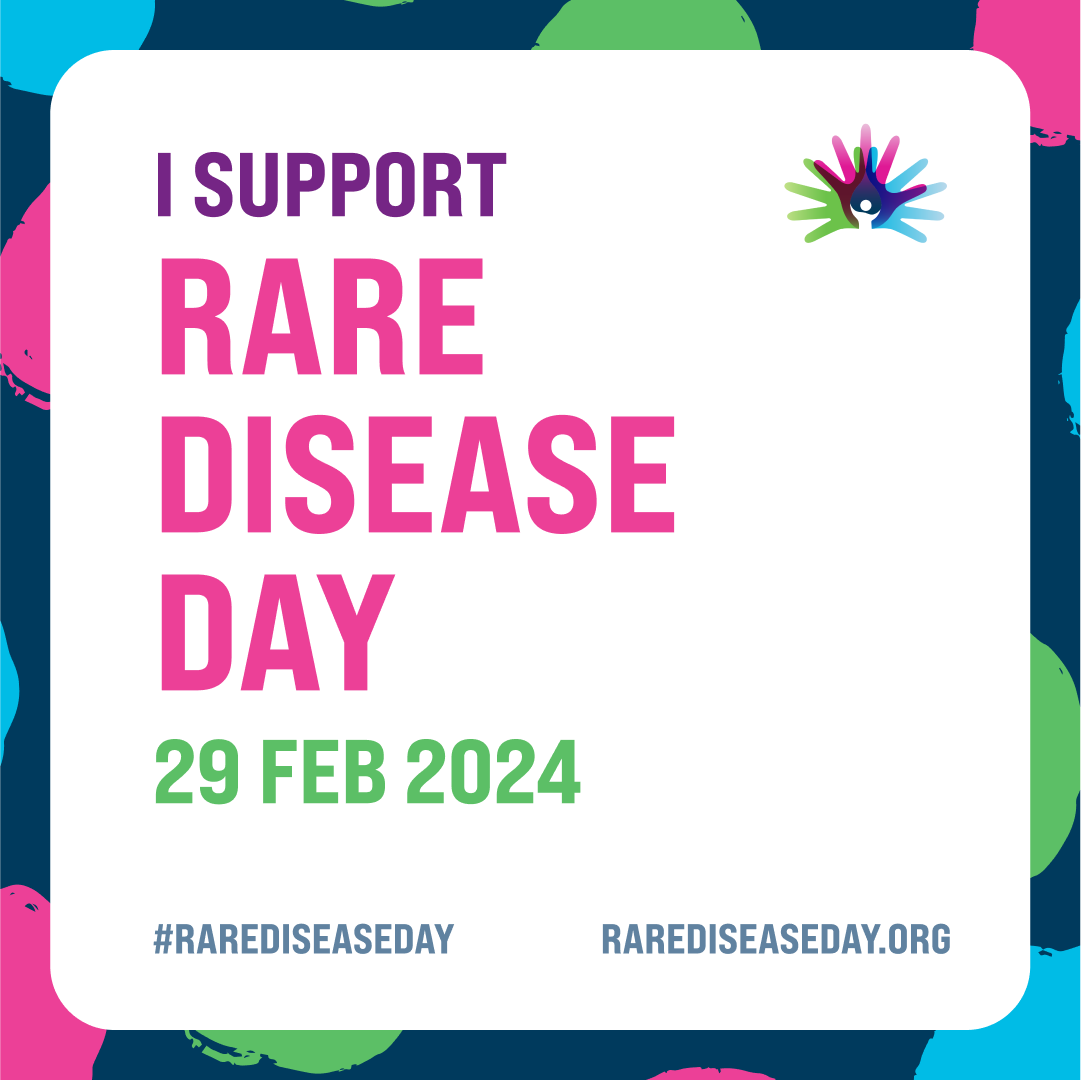
Rare diseases affect around 300 million people worldwide, totaling roughly 5% of the global population. Raising awareness not only illuminates the struggles they face but also helps to ignite change. On Rare Disease Day, celebrated annually on the last day of February, we unite - patients, allies, and advocates - to amplify the uniqueness of these conditions and inspire action within our communities. Join us on February 29th, using #RareDiseaseDay on social media, and lend your voice to a movement for understanding and support.
| | |
|
|
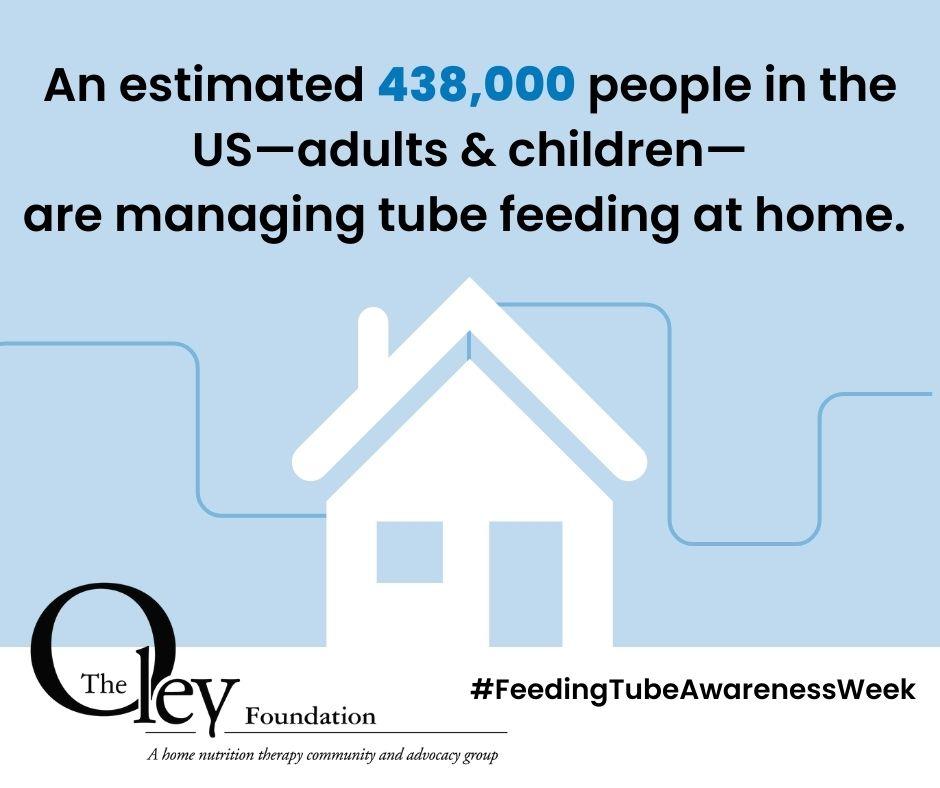
This year, we observe Feeding Tube Awareness Week from February 4th to 10th.
The Feeding Tube Awareness Foundation established this campaign in 2011, successfully securing its place on the National Health Observances calendar every second week of February. Advocates are urged to utilize this period to highlight the positive contributions of feeding tubes as critical medical interventions and combat the associated stigma.
| |
|
We invite individuals with feeding tubes, as well as parents, friends, and caregivers, to share their experiences on how living with a feeding tube has influenced their lives.
Click here to learn more about Feeding Tube Awareness Week.
| |
|
Get ready for the launch of our new YouTube series - "5 Minutes in GI".
Top healthcare providers are geared up to break down the answers to the most commonly asked GI questions in only 5 minutes. We've stripped away the unnecessary details, ensuring that the information is easy to grasp and accessible to everyone.
The first video is now available on YouTube! Join us as we chat with Dr. Saam Dilmaghani about GI motility disorders.
Click the button below to watch the latest release.
| |
|
This year's observance of Rare Disease Day falls on Thursday, February 29th.
According to the National Institute of Health (NIH), a disease is classified as rare if it impacts fewer than 200,000 individuals in the United States. Approximately 30 million people in the United States grapple with a rare disease.
The NIH has recognized more than 7,000 rare diseases, including some documented to affect the digestive tract. Symptoms linked to rare diseases and chronic gastrointestinal disorders can be debilitating and life-changing.
Click the button below to learn about rare diseases and how to get involved.
| |
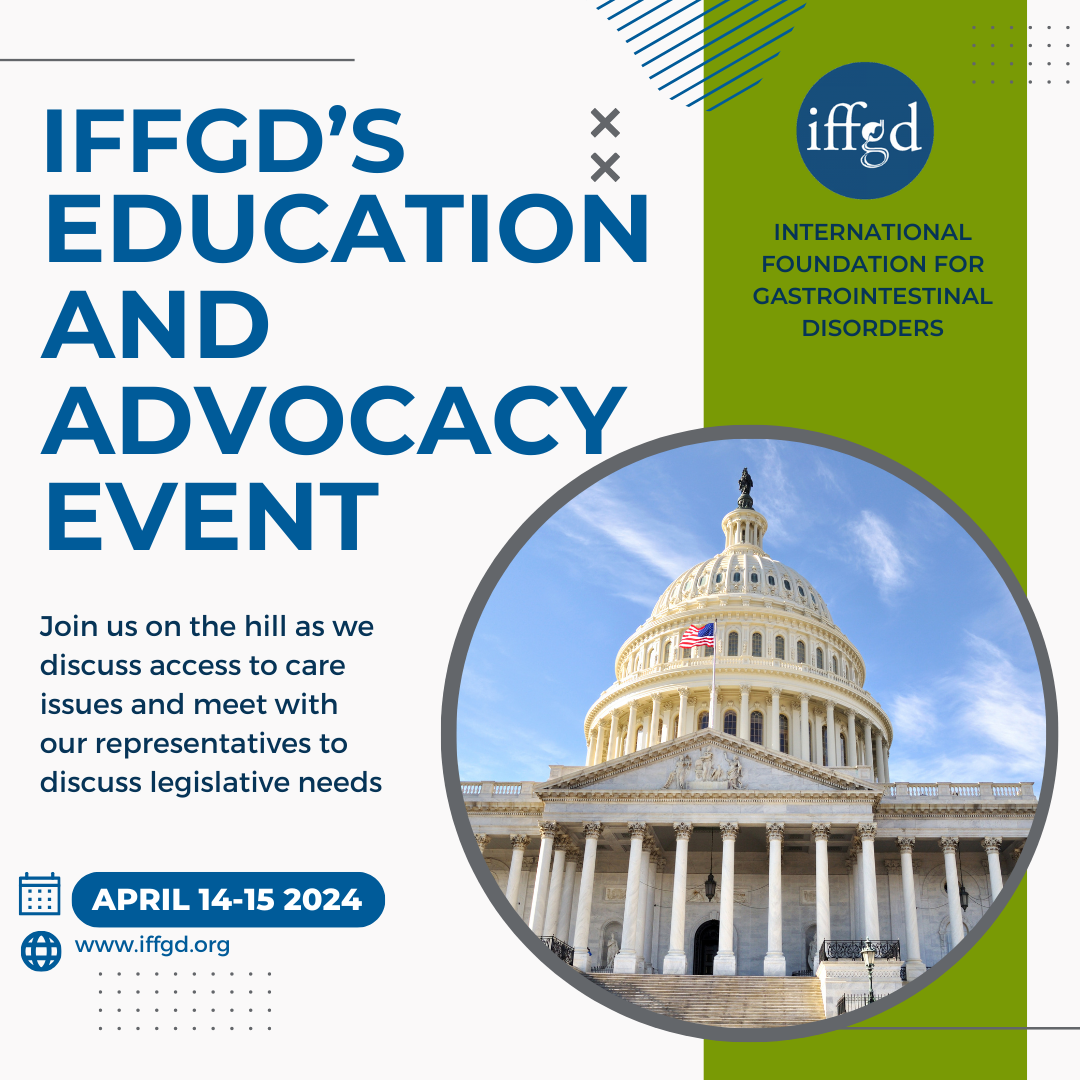
This event will be held at the Beacon Hotel & Corporate Quarters 1615 Rhode Island Ave NW, Washington, DC 20036. Click here to RSVP and reserve your spot! | |
|
Short Bowel Syndrome, or SBS, is a rare condition in which the body cannot properly absorb nutrients due to a large portion of the small bowel missing. SBS can be congenital or caused by the surgical removal of part of the small intestine.
SBS can be difficult to manage. It often requires a combination of treatments aimed at maintaining nutrition and reducing symptom complications. This can include nutrition planning, medications, or even surgery.
To learn more about SBS, click the button below.
| |
|
Yoga is known to have a myriad of health benefits, but did you know it may help ease some IBS symptoms?
Yoga combines physical activity with breathing exercises and meditation. It can help relieve stress, anxiety, and depression, which can be triggers for many with IBS. Some claim it also helps improve sleep quality and reduce pain.
Though many swear by these benefits, more conclusive research is needed to solidify the potential effects of yoga. Click the button below to learn more
| |
Clinical trials and research studies help to improve our understanding of the underlying mechanisms of diseases and advance the development of new and better treatment options. By participating in a study, you can help further the advancement of research and learn more about your condition.
Here are 3 studies currently recruiting participants:
| | |
|
BSGM to Evaluate Patients With GI Symptoms | |
Phase 2, Randomized, Double-Blind, Placebo-Controlled, Parallel-group, Dose-Ranging Study to Evaluate the Safety and Efficacy of Eluxadoline in Pediatric Participants with Irritable Bowel Syndrome with Diarrhea (IBS-D) | |
Patient Panel Member and Art of GI Creator Kayla Griffin | Kayla Griffin was born in California and raised in the Nevada desert without running water or electricity. She used art to entertain herself at a young age and it became a passion of hers as an adult. She is a university instructor with multiple degrees. Kayla teaches public speaking and fine art classes such as drawing and painting. Outside of her professional work, Kayla enjoys spending time with her friends, family, and animals. She is married to her best friend and together they have a rescue dog, a rescue snail, and two rescue rats. | |
|
Kayla was inspired to work on a digital art exhibition in graduate school while working on her Master of Fine Arts in Painting. For her thesis, she explored the emotive struggles of people with chronic illnesses, specifically around digestive issues since she lives with gastroparesis. Kayla contacted IFFGD to see if they would be interested in accepting her thesis as a gift and also to gauge interest in representing other artists who have digestive issues. IFFGD was happy to support this mission and now showcases works from artists with chronic digestive illnesses. Kayla feels it is essential to understand how these illnesses impact people's daily lives, and there is no stronger way than visual representations. | |
IFFGD is a nonprofit organization. We rely on donor support to fund research and to provide reliable information and support to those affected by chronic gastrointestinal disorders.
| | | | |