Texas A&M AgriLife Research logo over agricultural collage

Texas A&M AgriLife Research quarterly agency update • Fall 2026

Director's message


Howdy,


Fiscal year 2026 marked another year of record success for Texas A&M AgriLife Research.


This September in Austin, we shared our fiscal year 2026 progress with the state’s Legislative Budget Board along with our plans for the upcoming fiscal year. The presentation included news that AgriLife Research set another record of $360 million in research expenditures, a 4% increase over 2025 and a roughly 60% increase since fiscal year 2022.


In September alone, we secured $16 million in new awards and marked our second consecutive September of award notices totaling roughly $45 million. The month also saw a record $120 million in grant proposals submitted, the second highest September in agency history.


Legislative Support for Intelligent Agricultural and Natural Resources Systems

This year, AgriLife Research will make an exceptional item request of $26 million over the biennium to the state legislature in support of Intelligent Agricultural and Natural Resources Systems. Our aim is to move these production systems toward an improved paradigm that combines advanced sensor technology, digital models and automated data analysis. These advances will optimize operational efficiency, elevate resiliency and fortify sustainability in the state’s agricultural operations.


A New Initiative in Bio Innovation and Pharmaceutical Intelligence

A new initiative of the Texas A&M University Health Science Center will focus on drug development, nutraceuticals and personalized medicine. The goal of this Bio Innovation and Pharmaceutical Intelligence initiative is to take resulting compounds to FDA trials for approval. If you’re working in this space, please send a message to research@ag.tamu.edu to connect with a member of our leadership team.


Texas A&M AgriLife Emerging Pest Task Force

Texas A&M AgriLife has launched its Emerging Pest Task Force of experts charged with responding to agricultural and natural resources threats from pest incursions. The taskforce’s current priority is pasture mealybug. The team is helmed by subject matter experts across Texas A&M AgriLife. Two taskforce members, Phil Kaufman, Ph.D., Department Head of Entomology and David Kerns, Ph.D., Associate Department Head, recently testified on New World screwworm and pasture mealybug in Austin.


Recognizing the career and impact of Fuller Bazer

After 58 years, Fuller Bazer, Ph.D., a University Distinguished Professor in the Texas A&M Department of Animal Science, will close out a career that helped position AgriLife Research as a leader in reproductive biology. At 88 years of age, according to Google Scholar, he is ranked as the most highly cited researcher in the field. He is credited with discovering uteroferrin, a phosphatase produced in response to progesterone that transfers iron to the developing embryo and stimulates red blood cell development. He also identified estradiol as the pregnancy recognition signal in swine and interferon tau as the signal in ruminants — findings that have reshaped animal management practices to improve pregnancy outcomes. Read more about Dr. Bazer’s career below. 


Gig 'em!

G. Cliff Lamb, Ph.D.

Director, Texas A&M AgriLife Research 


Leading discovery and innovation

 
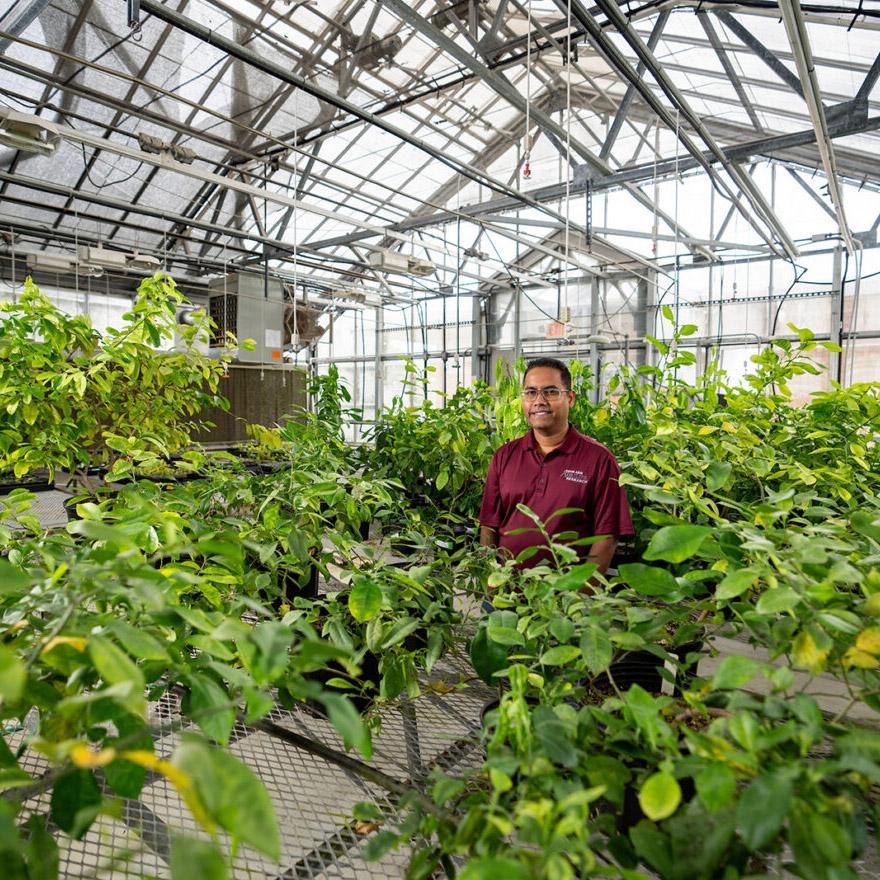
A man standing in a greenhouse surrounded by citrus sapplings

Spinach peptide discovery leads to citrus greening treatment

Full federal registration clears commercial product for nationwide use

A citrus greening disease treatment rooted in more than a decade of research at Texas A&M AgriLife Research has reached a milestone on the path to commercial availability; the U.S. Environmental Protection Agency has granted unconditional registration to the novel therapy.

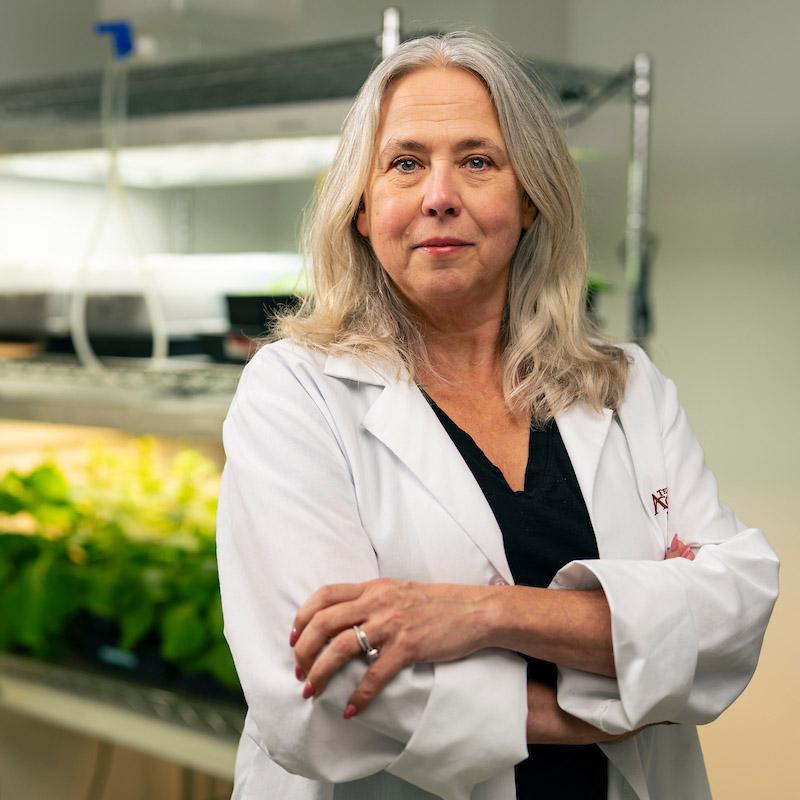
Woman in a lab coat with arms crossed standing in front of a plant growing shelf

AgriLife Research develops nation’s first tomato spotted wilt virus clone

Breakthrough gives researchers a powerful tool to speed development of virus-resistant peppers

A research team led by Jeanmarie Verchot, Ph.D., professor in the Texas A&M Department of Plant Pathology and Microbiology, developed the nation’s first infectious clone of the tomato spotted wilt virus, TSWV, paving the way for plant scientists to more efficiently research disease-resistant genetics in tomatoes, peppers and other susceptible crops.

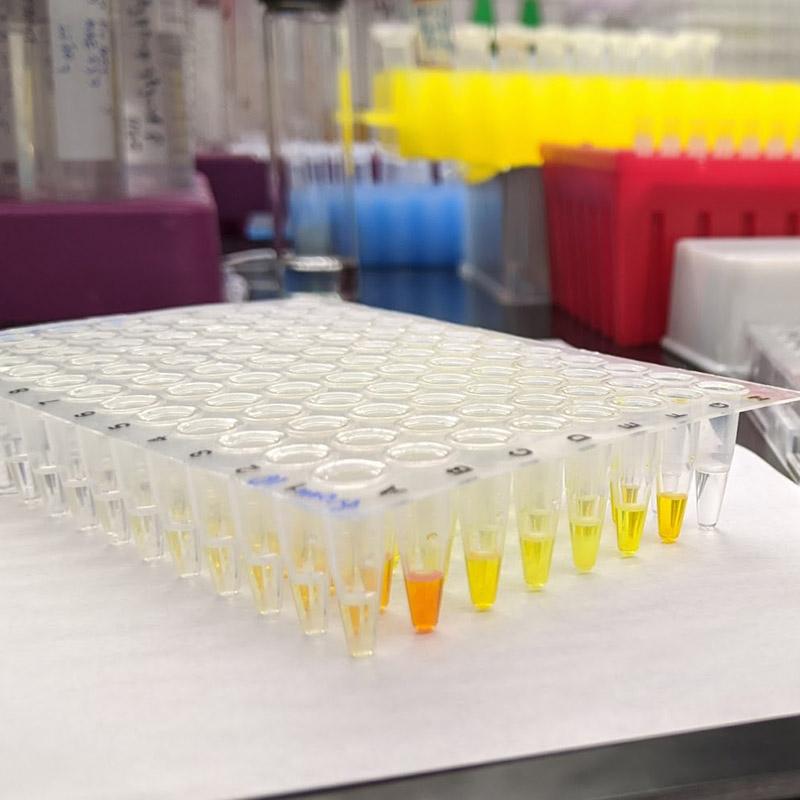
Rack of test tubes on a lab bench

Researchers identify promising new compound to treat tuberculosis

World’s deadliest infectious disease needs novel, effective antibiotics

A study recently published in Nature describes the treatment potential of the novel compound known as CMX410. The drug uniquely targets a crucial enzyme in Mycobacterium tuberculosis, the bacterium responsible for tuberculosis. Importantly, this compound even proved effective against drug-resistant infections, which are common globally and pose a significant challenge for controlling the disease’s spread and progression.

Delivering solutions to Texans and beyond

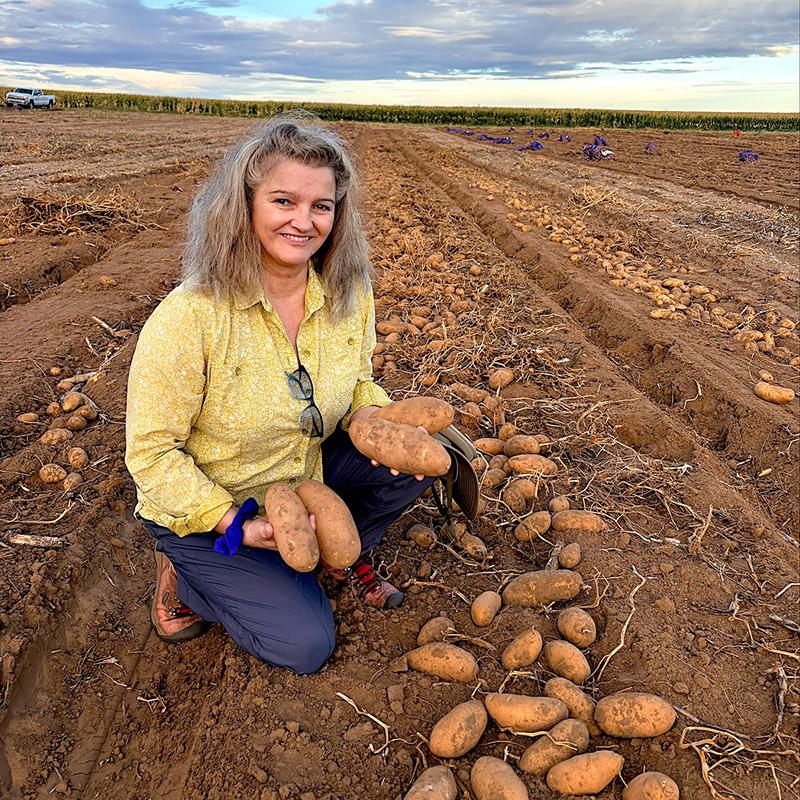
A woman kneeling in a potato field

Texas A&M breeds potatoes that take the heat and meet the market

Fourteen commercial varieties help growers tackle heat, disease and changing consumer demands

The latest potato variety release in August by the Texas A&M Potato Breeding Program, the Duncan Russet potato, delivers disease resistance that will directly benefit growers in the southern U.S., including Texas. But it’s just the latest variety developed by a potato program that for decades has developed new and improved varieties for growers and helped shape what lands on dining tables across Texas and beyond.

Illustration of a laptop computer showing a map

Drought, flood risk tool available worldwide

Visualization platform co-developed by AgriLife Research now available to users across the globe

A web-based tool that lets farmers, researchers and policymakers assess drought and flood risk in agricultural regions has expanded from a Texas and U.S. resource into a platform available to users anywhere in the world. The Water, Impact and Sustainability Estimator, or WISE, draws on decades of hydrologic modeling work at the Texas A&M AgriLife Blackland Research and Extension Center at Temple.

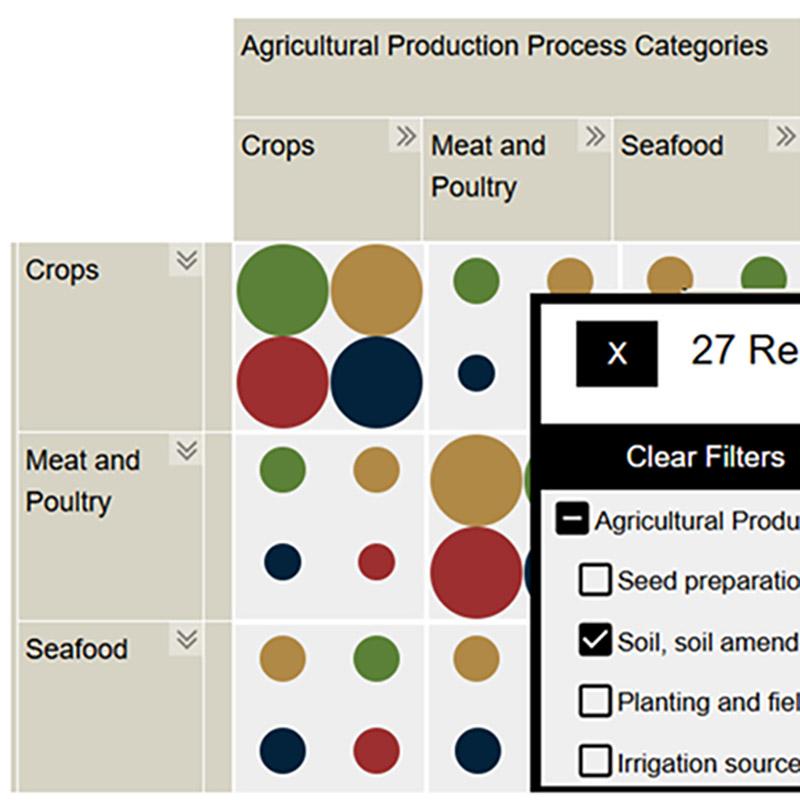
Illustration of a colorful table grid

Evidence Map Compiles Ag Production Processes and Heavy Metals Research

Large Scoping Review Identifies Available Evidence on Production Processes and Contaminants in Foods

A new, interactive evidence map by the Agriculture, Food and Nutrition Evidence Center, of Texas A&M AgriLife Research, enables researchers and decision-makers to approach future research on food safety concerns by identifying areas where further investigation may be needed to understand relationships between agricultural production processes and heavy metal concentrations in human foods.


ACCESS Aspire Live, Conflict Management — Dec. 2, Bryan


Some of the most challenging moments at work aren't technical—they're interpersonal. That's why this year's ACCESS Aspire Live will focus on one of the most valuable professional skills you can develop: conflict management.

New Faculty Tour of Texas — Feb. 22-25, South Texas


Save the date to Join us as we make our way to Corpus Christi and Weslaco on the next AgriLife Research Tour of South Texas for new faculty. Registration details forthcoming.

Capacity Funding: What Faculty Need to Know - Dec. 4 workshop


Information is forthcoming. Be sure to check your Texas A&M AgriLife inbox for details


A building behind a sign that reads "Texas A&M University Texarkana"

Texas A&M AgriLife employee tuition opportunity at Texas A&M University-Texarkana

Through a new partnership with Texas A&M University-Texarkana, full-time employees of Texas A&M AgriLife Extension Service, Texas A&M Forest Service, Texas A&M AgriLife Research and the Texas A&M Veterinary Medical Diagnostic Laboratory are eligible for a 50% tuition discount on undergraduate and graduate programs, no application fee, and their first class free through A&M-Texarkana's First Flight benefit.

 
Follow Texas A&M AgriLife Research on social media | @txresearch