UC MASTER GARDENERS OF L.A. COUNTY

 User-Friendly Native Plants

As an avid California native plant collector and steward, I am constantly amazed by the incredible biodiversity we have in Southern California. I still have so much to learn about native plant care, and I’ve had my share of oopses in the garden. Plants that weren’t quite adapted to the conditions of my surrounding plant community, but I gave them a go anyway! 


While experiments are welcome in the garden, it helps to know a few solid natives that are well-adapted to most SoCal yards. For those who are new to natives, here’s a little guide on some “user-friendly” plants to try:


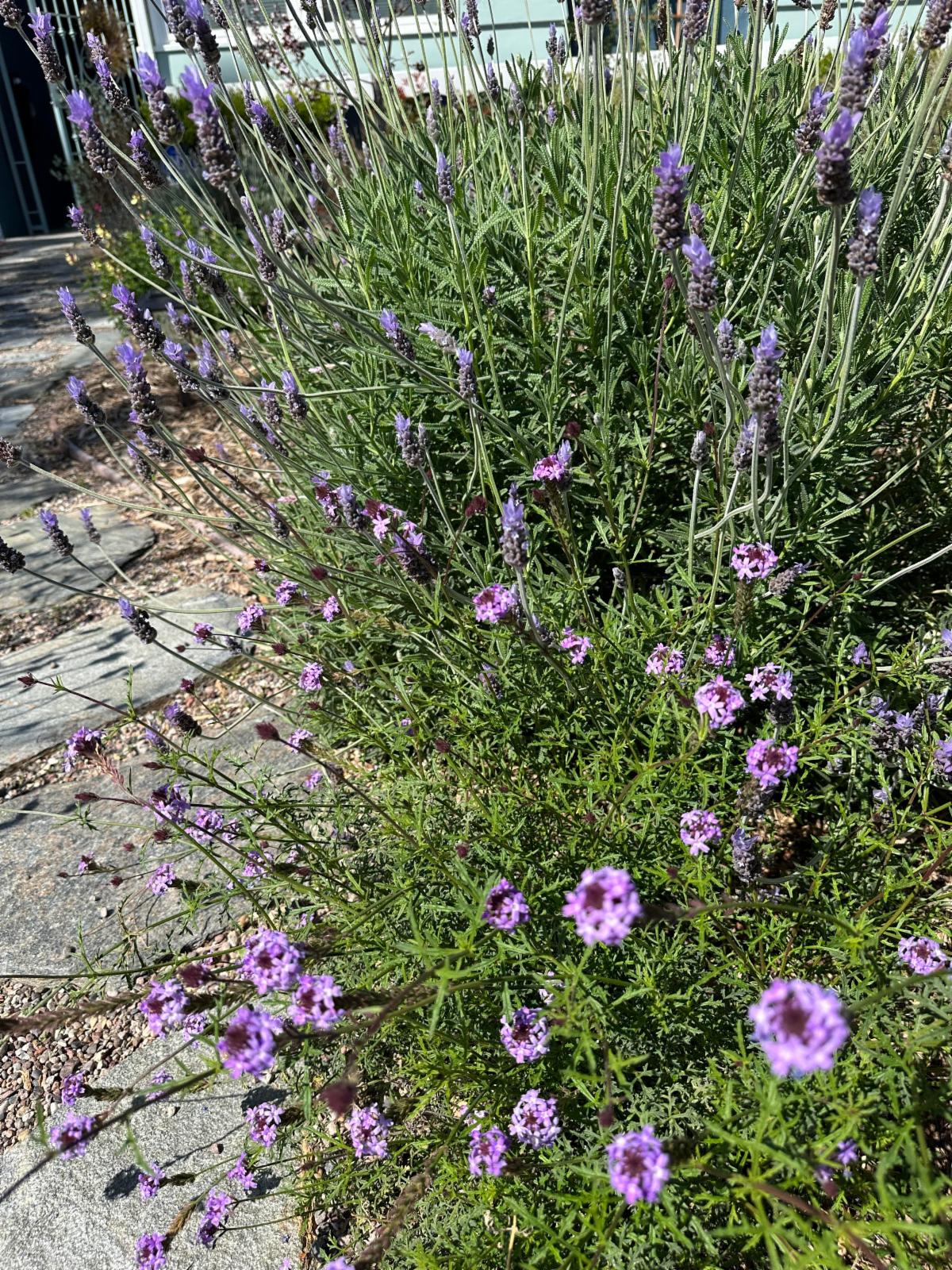
De la Mina verbena (Verbena lilacina ‘De la Mina’): A beautifully fragrant and almost perpetually blooming perennial that loves dry, part/full-sun conditions and is a great ‘alter-native’ to ubiquitous lantana. This pollinator-friendly cultivar is wonderful in borders or planted near your veggie bed. (pictured above)


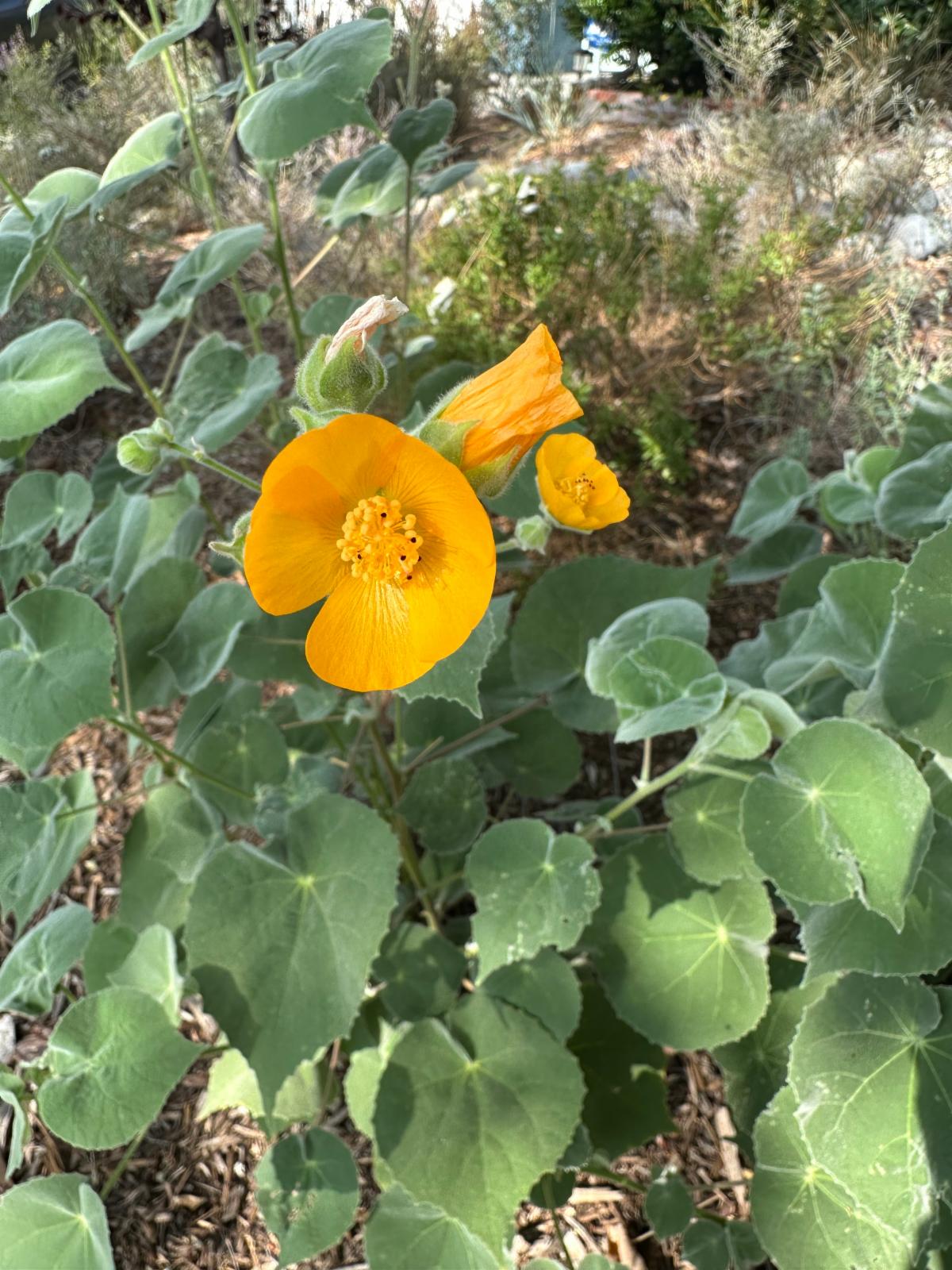
Palmer’s mallow (Abutilon palmeri): An absolute champ in the garden. This mallow needs very little water once established, and will bloom almost every month of the year! This plant supports our native bees who like to nap in its sunny yellow cupped flowers. Plant these in a group and you’ve got a soft and easy-to-maintain hedge! As an added bonus, kids love to touch this mallow’s super-soft leaves.


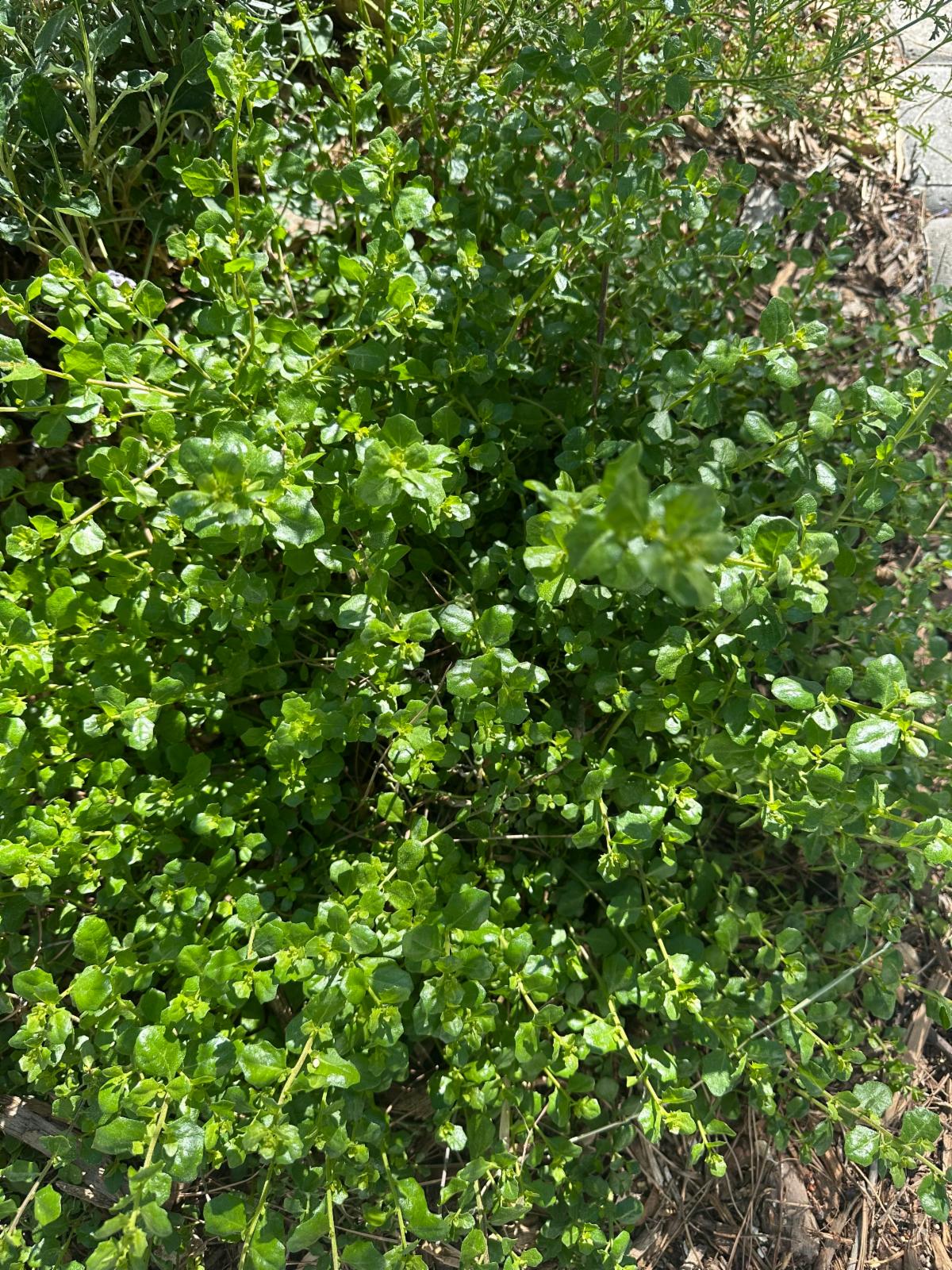
Pigeon Point coyote brush (Baccharis pilularis ‘Pigeon Point’): Meet the new star of your scorching parkway! This sprawling evergreen ground cover only grows to two feet tall and is as tough as nails! If you’re aiming to remove your grass, this is a good alternative that is water-wise and looks lush year-round.


Why not give these beauties a try?


Article and photos by MG Rocsanna S.

palmers mallow

pingeon point

Botany of the Holidays

Hanukkah


Did you know that just as pine trees and poinsettias are associated with Christmas, oil-producing olive trees and certain Salvia species are associated with Hanukkah?   


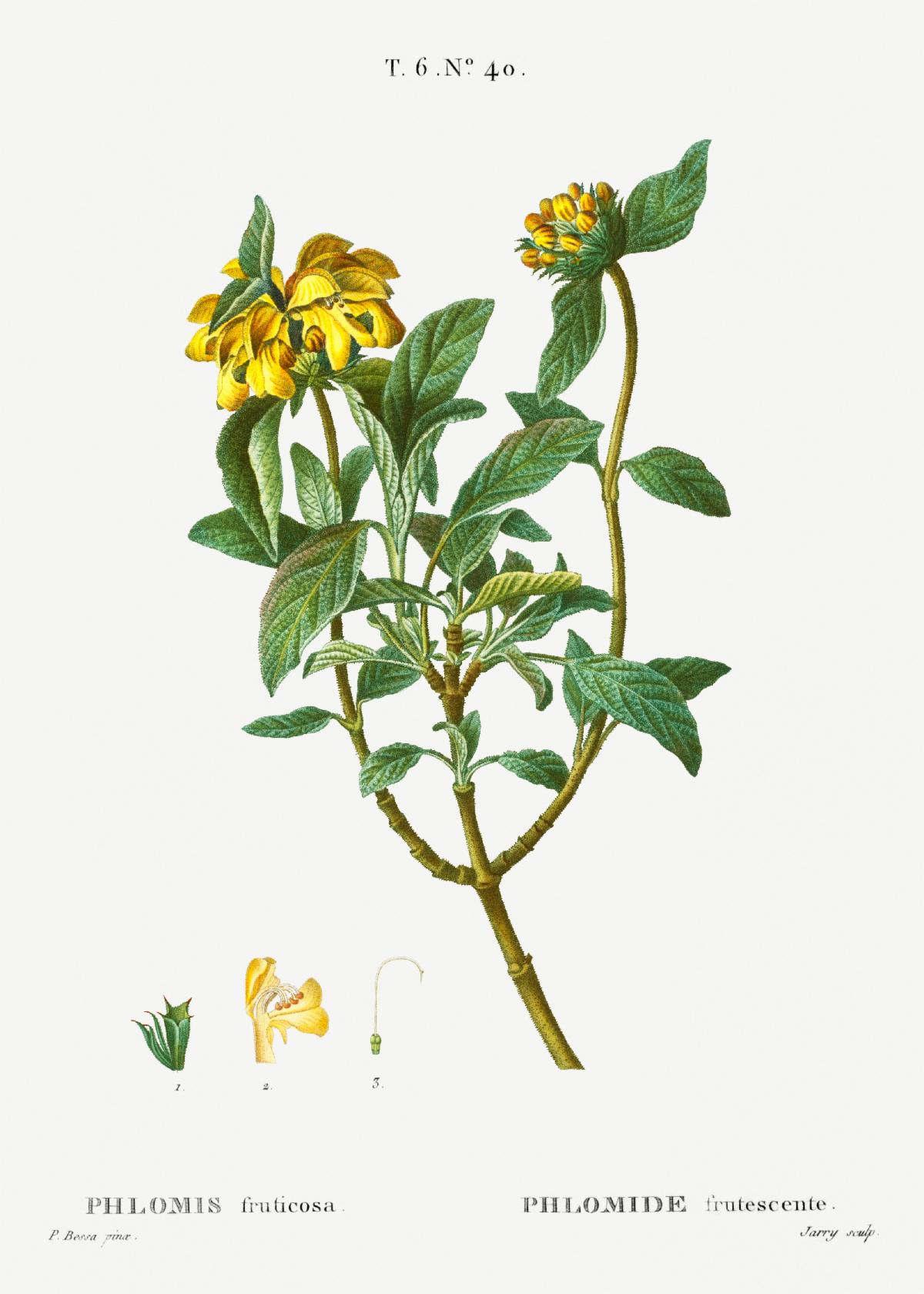
Olive oil's association with the holiday is well known... but less so, sage plants. Botanical terms are used in the biblical description of making a menorah, "cups shaped like almond-blossoms, each with calyx and petals." Husband-and-wife Israeli botanists thought that its shape must have been inspired by a plant that grew in biblical times. After years spent searching for it, they discovered candelabra-shaped Jerusalem sage (S. hierosolymitana) growing on the side of Mount Moriah. Local natives Salvia dominica and S. palaestina also form that shape, as does a Spanish native, S. candelabrum. 


Our drought-tolerant California sages may not grow naturally in this shape, but they're a mainstay of our native gardens, and a magnet for pollinators.


Mediterranean native olive trees grow in our climate successfully, and are available in nearly fruitless as well as fruiting cultivars.  


If you have raw olives to process, you can learn how to do so safely here.


-Text by MG Jane Auerbach


Christmas


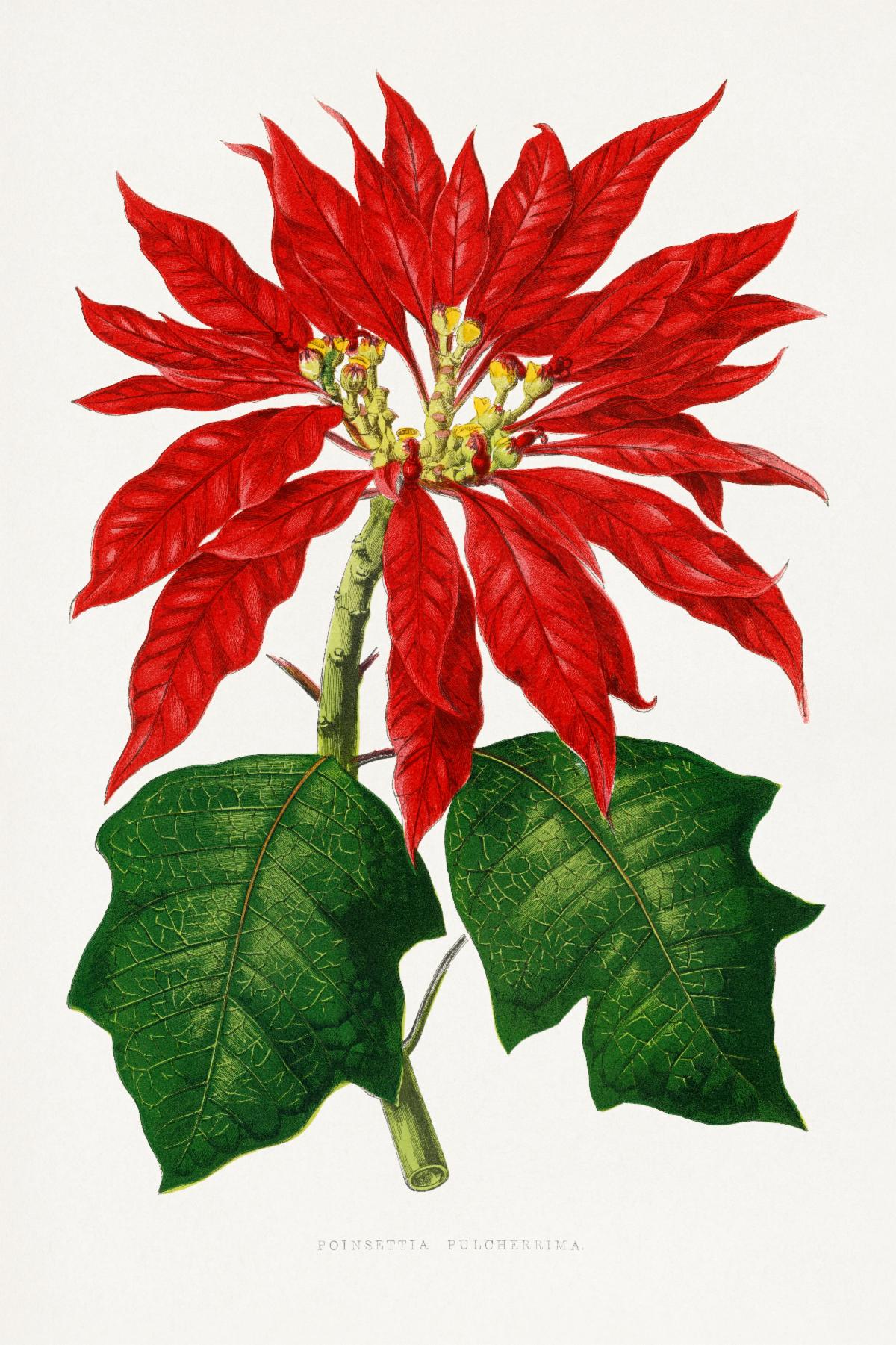
National Poinsettia Day is celebrated on December 12. Poinsettias, a perennial shrub, come from the warm climates of Mexico and Central America. There are more than 100 varieties of the plant, some growing up to 15 feet tall in the wild. Red poinsettias are the most popular color, though there are also pink, white, salmon, yellow, green, blue, purple and multi-colored ones, as well.


Mexican folklore tells that a little girl had no gift to bring to church on Noche Buena (Christmas Eve). On her way to church, she gathered weeds on the side of the road and made them into a bouquet. When she set the bouquet in the manger, suddenly it bloomed with bright red flowers. It was then that they became known as Flores de Noche Buena (Flowers of the Holy Night). Botanically speaking the red flowers are the leaves at the ends of the branches, called brachts.


Today, Poinsettia is the most popular flowering plant at Christmastime. It is also the largest flowering plant crop in the United States, with over 63 million pots sold annually, most of those being grown in California. As they originated in a warm climate, they must be protected from cold temperatures and frost.


When choosing a poinsettia plant, select one that has leaves already in full bloom. Once blooming, they will continue to bloom for several weeks.


Text by MG Joan Lawrence


Advice to Grow by---Ask Us!

Reach out to us with gardening inquiries via The Master Gardener helpline, available by email at mglosangeleshelpline@ucdavis.edu.


Find more science-backed, research-based gardening guidance at the MGLA website.

X Share This Email
LinkedIn Share This Email
Facebook  Instagram