Conservation in the Kootenays
Monthly eNews

April 2026

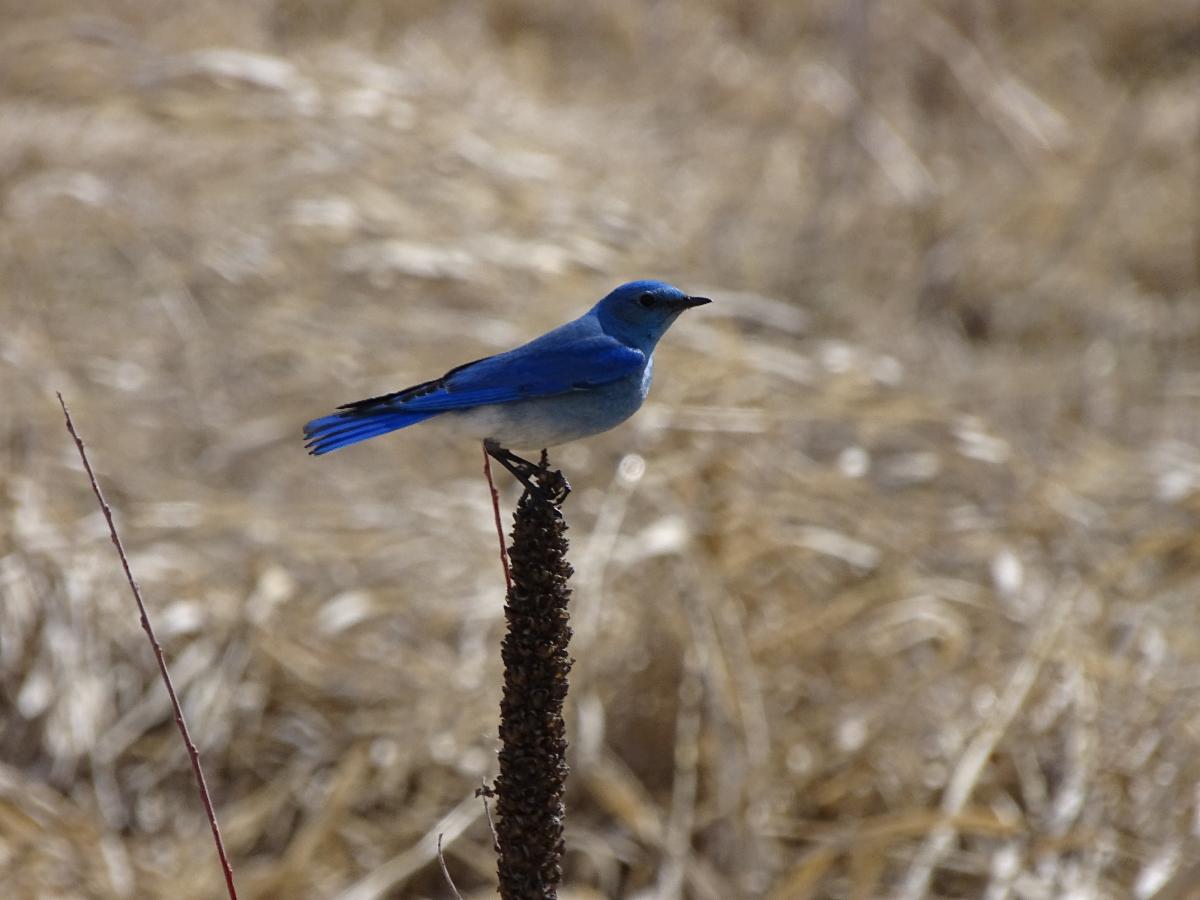
Mountain Bluebird in the Creston Valley. Marc-André Beaucher Photo


With fresh green plants emerging and birdsong heralding the seasonal transition to spring, the KCP Board and Team would like to announce some changes as well. We warmly welcome Rikki Christie, KCP’s new Program Assistant. Rikki is an administrative professional based in Fernie. See her bio here. Welcome Rikki! 


Kendal Benesh, KCP Interim Program Director, will be beginning her parental leave this month. Kendal has been instrumental in supporting the program since 2021 in various capacities, including the Interim Program Director role during the last year. We are excited for her new journey into parenthood, and look forward to her return to KCP in April 2027. Juliet Craig has now returned to her previous role as KCP's Program Director.


A timely reminder about KCP’s Conservation Ambassador Training Google Classroom, as we begin the field season and many organizations have new seasonal staff. Watch all 7 modules to receive a beautiful Kootenay Conservation Ambassador certificate. See KCP News for more details. 


The final summary report on the Creston Valley Conservation Action Forum "Check-in" is ready for reading, including progress made since 2020, revised priorities going forward, and next steps for key priority conservation actions and potential collaborations. See KCP News below for more details. 


And a reminder that KCP’s Conservation Leadership Awards are open for nominations for 2026! The annual KCP Conservation Leadership Awards recognize individuals who have demonstrated leadership, innovation and dedication to conservation in the Kootenay region. The awards will be presented at the KCP Fall Gathering, October 15 & 16 in Nelson. See KCP News for more details.

KCP logo

Faces and Places

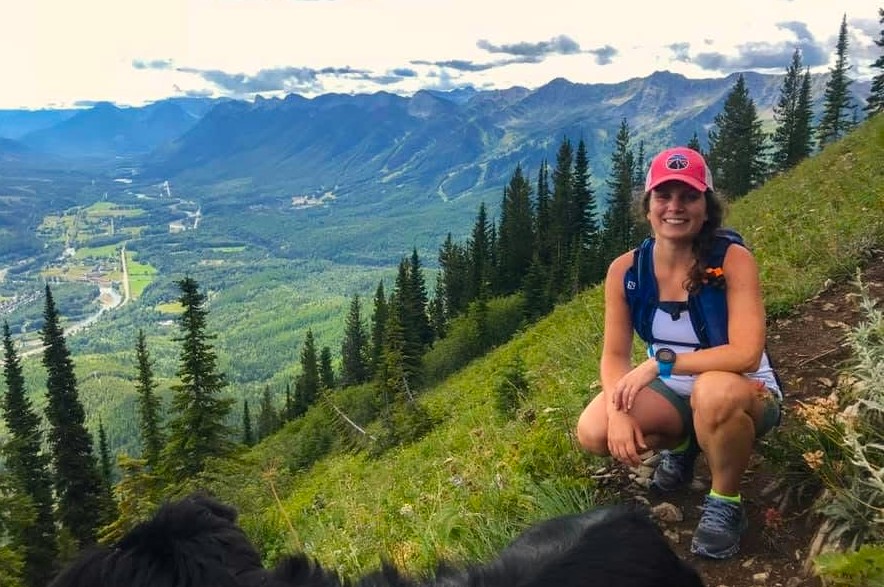
KCP is pleased to welcome Rikki Christie to the team as Program Assistant. She looks forward to connecting with partner organizations across the Kootenays, to learn more about the region’s diverse conservation initiatives. Rikki is especially excited to collaborate with others who share her passion for the outdoors and conservation.


Rikki grew up in the Kawartha Lakes area of southern Ontario. During a first-year Environmental Resource Studies course at Trent University, she was deeply inspired by her professor, which led her to complete a degree in the field.


After her undergrad degree, Rikki moved across the country to Grande Prairie, Alberta, where she began working as a program coordinator in the nonprofit sector.

“I learned a lot about how non-profits operate, including funding and grant administration. I really appreciated being able to wear so many different hats in that position.”


Rikki is now very grateful to be living in Fernie, where the outdoor recreation opportunities are endless. 


Read the full story.

Submissions

Please feel free to submit any news, events or photos you'd like us to share in our monthly eNews by the 26th of each month to:

megan@kootenayconservation.ca


And if you are providing a stewardship service in the Kootenays, and would like to be included in the KCP Stewardship Solutions Toolkit, email:

info@kootenayconservation.ca

Like us on Facebook for current news from partners and see our YouTube channel for great conservation content!
Facebook  Instagram  Youtube  

KCP respectfully acknowledges that our work and lives are situated in the traditional, ancestral, and unceded territories of the Ktunaxa, Secwépemc, Sinixt, and Syilx Okanagan peoples who have stewarded this land, water and all living things since time immemorial, and whose values and cultures continue to inspire and guide stewardship of this region. 

Spotlight on Local Conservation Funds

With support from the Columbia Valley LCF, the BCWF and partners aim to restore watershed health in the upper Columbia Valley, on a tributary of the Kootenay River.

Conservation Ambassador Training Google Classroom

Self-paced learning for stewardship practitioners

A reminder to all stewardship practitioners! Our Conservation Ambassador Training Google Classroom is a self-paced learning opportunity where you can access all 7 interactive modules and earn a Conservation Ambassador Certificate. Each training module is an engaging workshop with expert presenters who share relevant information, case studies of Best Management Practices and innovative techniques to help fellow practitioners become more knowledgeable when they are out doing their work. The content covers diverse topics, from stewarding for wildlife resilience to stewarding for insect biodiversity, including knowing what to look for, how to initiate a conversation with a landowner on these topics, and tips for providing more holistic advice. Watch all 7 modules to receive a beautiful Kootenay Conservation Ambassador certificate! This is a great opportunity to share with new staff as we approach the upcoming field season. 

Click here for more information and to get started.


Creston Valley Conservation Action Forum Check-in

Summary Report is now available

KCP recently teamed up with Creston Valley Wildlife Management Area to co-host a Conservation Action Forum Check-in Meeting for the Creston Valley. Over 35 people from 19 local organizations participated in this dynamic event, coming together to review the progress being made on the five priority actions identified during the 2020 Creston Valley Conservation Action Forum. Attendees also shared information on local research and restoration projects benefiting fish and wildlife, connectivity, biodiversity, grizzly bears, and fire restoration, to name a few. The afternoon was spent in breakout groups discussing next steps for key actions and potential collaborations. The summary report is now available for viewing.

Click here to access the report.


KCP Conservation Leadership Awards

Open for 2026 nominations

Do you know someone who deserves to be recognized for their conservation work in the Kootenays? The annual KCP Conservation Leadership Awards recognize individuals who have demonstrated leadership, innovation and dedication to conservation in our region. Nominees must be affiliated with a KCP partner organization and they must show a demonstrated commitment toward the KCP vision. Award winners will be announced at the KCP Fall Gathering, which will be held on October 15 & 16 in Nelson. Nominations are accepted until June 15.

Click here to download the nomination form.

Province of BC 

Expedited Environmental Assessments - Survey open until April 13

The Environmental Assessment Office (EAO) is proposing an expedited environmental assessment process for projects designated under the Infrastructure Projects Act that are provincially significant or critical public infrastructure. The proposed process would reduce timelines to under two years for these significant projects compared to the three to five year timeline of the standard process. This proposed expedited assessment process changes opportunities for public engagement in an environmental assessment, such as removing assessment of cumulative impacts, and allowing only two weeks for the public to provide input.The EAO will incorporate feedback from the public, First Nations and other participants as it refines the proposed expedited environmental assessment process. This input is important to ensure the process is feasible, works well and meets the purposes of environmental assessments to promote sustainability and support reconciliation.

Click here for more details and to access the survey


Osprey Community Foundation

Suzy Hamilton Award nominations open – until April 30

Osprey’s Suzy Hamilton Legacy Fund honours the volunteer work of a female identified or non-binary environmental activist in the West Kootenay each year, through a cash award. The legacy fund was established in 2016 after the death of well-loved and dedicated West Kootenay environmental activist, journalist, founder of the West Kootenay EcoSociety and mentor to many, Suzy Hamilton. The public call for nominations reflects the high number of women doing phenomenal work in the West Kootenay on a wide range of conservation and sustainability issues. The award committee is now accepting nominations for this year’s recipient – all entries should include the name and contact information of the nominee, as well as a short paragraph about the work they do for the environment. Please send nominations through the Osprey Foundation by April 30.

Click here for more information and to make a nomination.


Creston Valley Wildlife Management Area 

Seasonal Dike Closure for Northern Leopard Frog Migration - until April 30

The Creston Valley Wildlife Management Area (CVWMA) is reminding the public that springtime in the Creston Valley means the rare and federally endangered northern leopard frogs will soon be moving from their overwintering grounds to their breeding sites over the dike at Duck Lake. To give them the best chances to get to the breeding sites unharmed, the dike at the south end of Duck Lake, from the north end of Channel Road, will be closed to motorized vehicle traffic between March 15 and April 30, as in previous years. The bi-annual motorized access restriction is an approved provincial regulation and is necessary to help recover the last population of endangered northern leopard frog in the province. The regulation can be viewed in the 2024-2026 Hunting & Trapping Regulations Synopsis for Region 4, Management Unit 4-6. Please contact the regional offices for any additional questions: Cranbrook: (250) 489-8540, or Nelson: (250) 354-6333. Pedestrians (all dogs must be on leash), cyclists, and hikers are welcome to use the dike during this period! Gates will be re-opened as of May 1. 


Environment and Climate Change Canada 

Announcement of $3.8 Billion for Canada’s Nature Strategy 

Environment and Climate Change Canada (ECCC) leads the implementation of the Kunming-Montreal Global Biodiversity Framework (KMGBF), as outlined in Canada’s 2030 Nature Strategy, which provides the roadmap for implementing this Framework in Canada. In 2025, the Government of Canada committed to protecting more nature than ever before, aligned with the KMGBF commitment to protect 30 percent of lands and waters by 2030. To this end, the Department works with federal, provincial, territorial governments, Indigenous Peoples and other partners to establish protected and conserved areas, recover species at risk, and to implement nature-based solutions to climate change. The Department continues to fulfill key statutory obligations under the Species at Risk Act, informed by science and expert advice, to conserve and recover terrestrial species at risk in alignment with the overarching goal of halting and reversing biodiversity loss. An updated website provides more details: “A Force of Nature: Canada's Strategy to Protect Nature’. 

Click here for the federal 2026-27 plan for conserving nature.


Elk River Alliance

Draft Riparian and Flood-Zone Restoration Knowledge-sharing Document now available 

In April 2025, the Elk River Alliance, with support from Kootenay Conservation Program, hosted a workshop in Fernie on overcoming the technical challenges of riparian restoration in the East Kootenays. The workshop provided participants an opportunity to share their ecosystem restoration experience, and created a collaborative space for restoration specialists to share knowledge, ideas, success stories, and lessons learned in the field. The goal was to examine first-hand observations in 'planting plants and keeping them alive in challenging conditions' to improve the efficiency and success rates of future projects and develop a referenceable resource for future riparian and flood zone restoration projects. A Draft Knowledge Sharing Document is now available, and the Elk River Alliance welcomes feedback or suggested additions. For more information, please reach out to the Elk River Alliance at info@elkriveralliance.ca.


Ministry of Environment and Parks

BC Supreme Court grants interim injunction pausing Rossland magnesium mine construction

Construction on the proposed Record Ridge mine near Rossland will be paused after the Supreme Court granted an interim injunction to groups opposing the project. The Save Record Ridge Action Committee Society (SRRACS) and Sinixt Confederacy are opposed to the proposed open-pit magnesium mine. The province's Environmental Assessment Office (EAO) had ruled that it wouldn't require an environmental assessment certificate, but after a court application from SRRACS and the Confederacy, a judge has granted an interim injunction. The decision, posted last month, means that construction or operations at the mine can't proceed until at least another court hearing, which is scheduled for May 5 in Rossland. The groups continue to seek a court ruling mandating an environmental certificate. Concerns from opponents to the mine included impacts on sensitive ecosystems, such as habitat for the threatened mountain holly fern, air and water quality (including asbestos and acid rock drainage) and dissatisfaction with community consultation, according to the EAO report.

Click here for more details.


Selkirk College

New Data Tool Supports a Climate-Resilient Future in the Basin

A new tool on the Columbia Basin Climate Source website is helping Basin organizations make smarter decisions in the face of climate change. The Risk Analysis Calculator translates complex climate projections into practical information for people designing infrastructure, buildings, and climate-sensitive programs. By estimating the likelihood that future climate conditions will exceed key thresholds, the tool helps users understand the risks their projects may face over time and plan accordingly. The calculator is a “Made-in-the-Basin” solution originally created by Climatic Resources Consulting, a West Kootenay-based climate data company, and later adapted for Columbia Basin Climate Source by researchers at Selkirk College. It is the first of its kind in Canada, with no other publicly available source offering similar calculations. 

Explore the Risk Analysis Calculator and other data tools on the Columbia Basin Climate Source.


Columbia Basin Trust & Province of BC

Communities Strengthen Wildfire Preparedness Efforts

Communities across the Columbia Basin are taking concrete steps to reduce wildfire risk and strengthen local resilience thanks to more than $3 million in support provided through a partnership between the Province of BC and Columbia Basin Trust. Guided by FireSmart principles, 23 organizations are putting practical measures in place—from managing wildfire fuels to educating residents—to help keep people, homes and community spaces safer. Specific projects include the community of Appledale planning to create a wildfire-resilient demonstration garden, Selkirk College in Castlegar treating two sites totalling 5.6 hectares on the campus to serve as demonstration areas for students and the community, and the District of Invermere planning ahead by developing fuel-management prescriptions for 56 hectares of hillside terrain that borders neighbourhoods, access routes, and local recreation areas.

Click here for more details and to access the complete list of projects


Parks Canada

Mountain National Parks Aquatic Invasive Species Prevention Strategy

Protecting species at risk and restoring aquatic ecosystems are priorities for Parks Canada. Aquatic invasive species (AIS) pose an increasing threat to freshwater lakes and rivers in the mountain national parks. Parks Canada is advancing the next phase of adaptive management by implementing a coordinated, regionally consistent Mountain National Parks AIS Prevention Strategy, building on existing measures, lessons learned, and data gathered. Visitors are encouraged to plan ahead, check which zone applies, and follow park-specific permitting and equipment requirements. The Strategy will be implemented over several years starting in spring 2026, with further measures being implemented across the mountain national parks in 2027. Note that all waterbodies in Yoho and Kootenay national parks are closed to watercraft and angling until March 31, 2027 to reduce the spread of AIS, including whirling disease. Should you have questions or wish to discuss the strategy, please contact Marie Veillard, AIS project coordinator, at Marie.Veillard@pc.gc.ca.  

Click here for more information, and here for new regulations specific to Kootenay and Yoho National Parks


Kootenay Community Bat Program

Help Prevent White-Nose Syndrome in BC

The Kootenay Community Bat Program, in collaboration with the Province, is asking the public for help in the effort to detect and prevent the spread of white-nose syndrome. White-nose syndrome has killed millions of bats in North America since its detection in New York in 2006 and continues to spread westward. The fungus that causes the disease was confirmed in 2022 in the Boundary Region, and the BC government announced March 11 it has been detected in guano in metro Vancouver. Avoid entering caves in winter and follow white-nose syndrome decontamination protocols if you must enter one. Bats suffering from the disease can have the fungus growing on their muzzle, ears, and wings causing the bats to wake up more frequently during hibernation. Residents are urged to keep an eye out for any daytime bat activity, and to report any sick or dead bats, up until May 31, online at www.bcbats.ca, via email at kootenay@bcbats.ca or by calling Kootenay Community Bat Project Coordinator Elodie Kuhnert at 1-855-9BC-BATS, ext. 14. All live bats should be left alone — keep your distance, snap a photo and report it to the Kootenay Community Bat Program.

Visit the Kootenay Community Bat Project, or click here for more information.


Central Kootenay Invasive Species Society

Support for Creston Landowners & Farmers with Toxic Poison Hemlock

The Central Kootenay Invasive Species Society (CKISS) is asking private landowners, farmers, and residents in the Creston area to report poison hemlock wherever it is seen in the Creston area. Poison hemlock (Conium maculatum) is a highly toxic invasive plant that is deadly to people, livestock, and wildlife when ingested. CKISS can help remove this plant - including guidance, trained volunteer assistance, and financial incentives for treatment. Early reporting is critical to support planning for the spring 2026 treatment season, and even brief location details are helpful. If you have seen poison hemlock on your property or elsewhere in the Creston area, please report it by calling 1-844-352-1160 or emailing info@ckiss.ca. CKISS is also welcoming volunteers interested in learning how to safely treat poison hemlock, with cash rewards for completing approved treatment work by the end of June.

Click here for more information.

Earth Day events

April 1 to 30, Nelson and area 

Coordinated by the West Kootenay Climate Hub, the Nelson and Area Earth Days events run for the whole month of April, with a full schedule of community events in support and celebration of our planet. Events include guided wilderness hikes, films, storytelling, guided birding walks, and much more. There is still an opportunity to lead or organize an event to be included in Earth Days 2026; reach out to Judith and Suzanne at earthdaysnelson@gmail.com to discuss. 

Click here for event details


Field Day: Electric Fencing for Large and Small Farms

April 2, Creston

Hosted by Kootenay & Boundary Farm Advisors (KBFA), this free Field Day will focus on electric fencing systems as an economical and effective way to protect crops and farm infrastructure from bears, on both large- and small-scale agricultural operations. Join KBFA and Creston Valley Grizzly Coexistence Solutions for an interactive day showcasing electric fencing at a large cherry orchard and a dairy yard, including stored feed and dead stock. Host farmers will share their firsthand experiences designing, installing, and managing these systems, with time for questions and discussion. Cost-share programs through Creston Valley Grizzly Coexistence Solutions and the Environmental Farm Plan that fund electric fencing projects to deter bears will also be discussed. From 9 am to 12 pm MT.  

Click here for more details and to register


Ecosystem Enhancement and Restoration Project Idea Workshop

April 8, Rossland 

As part of the Ecosystem Enhancement Program, Columbia Basin Trust is hosting in-person workshops this spring throughout the Columbia Basin. These workshops are meant to help support project ideas at every stage, from early concepts to more developed proposals. Columbia Basin Trust wants to hear about project ideas that could benefit Basin ecosystems. Whether you’re bringing a project idea or hoping to contribute your expertise, the Trust welcomes your participation. If you can't attend, or would prefer to discuss a project idea directly, contact Krista Watts at kwatts@ourtrust.org. The workshop is from 9 am to 1 pm PT. 

Click here to register.


Motus Technology helps track Birds & Bats

April 8, Online

Sharing project results and collaborating to build capacity is a priority for the Fish & Wildlife Compensation Program (FWCP). This event is part of their annual series of information sessions about the projects they fund. The Motus wildlife tracking system is an international collaborative research network that uses automated radio telemetry to provide data on migratory birds and bats. The Peace Region is a perfect location for Motus stations because it is on the Central and Western flyways—important bird migration routes. Presented by Amie MacDonald with Birds Canada, in-person in Prince George, with an online option. From 12 to 1 pm PT / 1 to 2 pm MT. 

Click here to register


The Power of Forests in Mitigating Hydrology: Science of Inconvenience

April 8, Online

Facilitated by Dr. Younes Alila, a registered professional engineer and professor of hydrology in the Faculty of Forestry at UBC, where he teaches and conducts research on the effects of climate and land use change on water resources. His work continues to challenge more than a century of published literature on the influence of forests on hydrology—particularly floods and droughts—and has received wide media coverage and press attention over the past two decades. For over a century, hydrology research has been misguided by an experimental design that dramatically underestimated the power of forests in mitigating floods and droughts. The historic and ongoing logging of old and second-growth forests—especially in the form of clearcut logging—can no longer be ruled out as a root cause of downstream droughts and floods, which come at a high cost to the environment and the public. From 12 to 1 pm PT / 1 to 2 pm MT. 

Click here for more details.


Backyard Biodiversity

April 8, Nelson

Join Laurie Frankcom with Central Kootenay Invasive Species Society (CKISS), Brenda Beckwith of Kinseed Ecologies, and more local experts for a free presentation and discussion about how to create healthy, biodiverse, and ecologically supportive gardens in your own backyard. From 7 to 9 pm PT. 

Click here for more information


CSISS Land Manager Meeting

April 9, Online 

The Columbia Shuswap Invasive Species Society (CSISS) invites all land managers and partners to provide input on the regional Columbia Shuswap invasive species lists and share operational updates. From 9 am to 12 pm PT / 10 am to 1 pm MT. 

Click here to register


Ecosystem Enhancement and Restoration Project Idea Workshop

April 9, Revelstoke 

As part of the Ecosystem Enhancement Program, Columbia Basin Trust is hosting in-person workshops this spring throughout the Columbia Basin. These workshops are meant to help support project ideas at every stage, from early concepts to more developed proposals. Columbia Basin Trust wants to hear about project ideas that could benefit Basin ecosystems. Whether you’re bringing a project idea or hoping to contribute your expertise, the Trust welcomes your participation. If you can't attend, or would prefer to discuss a project idea directly, contact Krista Watts at kwatts@ourtrust.org. The workshop is from 9 am to 1 pm PT. 

Click here to register.


Gardening with Native Plants

April 9, Online

Join Kate Mizenka of Elk Root Conservation Farm Society for this informative and inspiring webinar. Kate will introduce you to native plant gardening, including the basics of creating your own native plant garden or flower meadow. She will also outline how to incorporate native plants into your existing gardens to support biodiversity and native pollinators. Local ecotype native plants are well-adapted to their regional climate, requiring less water and resources, making them an eco-conscious choice to support regional biodiversity. From 6 to 7 pm PT / 7 to 8 pm MT. 

Click here for more details and to register.


Ecosystem Enhancement and Restoration Project Idea Workshop

April 14, Kimberley 

As part of the Ecosystem Enhancement Program, Columbia Basin Trust is hosting in-person workshops this spring throughout the Columbia Basin. These workshops are meant to help support project ideas at every stage, from early concepts to more developed proposals. Columbia Basin Trust wants to hear about project ideas that could benefit Basin ecosystems. Whether you’re bringing a project idea or hoping to contribute your expertise, the Trust welcomes your participation. If you can't attend, or would prefer to discuss a project idea directly, contact Krista Watts at kwatts@ourtrust.org. The workshop is from 9 am to 1 pm MT. 

Click here to register.


Ecosystem Enhancement and Restoration Project Idea Workshop

April 15, Invermere 

As part of the Ecosystem Enhancement Program, Columbia Basin Trust is hosting in-person workshops this spring throughout the Columbia Basin. These workshops are meant to help support project ideas at every stage, from early concepts to more developed proposals. Columbia Basin Trust wants to hear about project ideas that could benefit Basin ecosystems. Whether you’re bringing a project idea or hoping to contribute your expertise, the Trust welcomes your participation. If you can't attend, or would prefer to discuss a project idea directly, contact Krista Watts at kwatts@ourtrust.org. The workshop is from 9 am to 1 pm MT. 

Click here to register.


Working Landscapes: Ranching and Grassland Stewardship

April 15, Online

Grasslands are working landscapes that support wildlife, store carbon, and sustain rural communities – and ranchers play a key role in stewarding them. This webinar, hosted by the Canadian Wildlife Federation, will explore how grassland-based livestock operations can contribute to ecosystem resilience, drawing on real-world experience from producers managing for long-term land health. Participants will gain a clearer picture of how responsible grazing can generate environmental and societal benefits, while also learning about some of the complexities involved in managing these vital ecosystems. From 11 am to 12 pm PT / 12 to 1 pm MT. 

Click here for more details and to register


Amphibian Identification and Survey Techniques

April 15 to June 18, Online and Revelstoke

This hybrid introductory course offered through the Columbia Mountains Institute of Applied Ecology (CMI), will provide students with an opportunity to improve their amphibian species identification skills, learn about standard survey techniques, permits and disease control, and get a hands-on experience surveying and handling amphibians, in a variety of settings. This course will include two half-days of online training sessions and a full day of outdoor field surveys (offered in Revelstoke or Squamish). Taught by Elke Wind, Registered Professional Biologist, who has more than 30 years experience studying amphibian populations.

Click here for more information and to register.


Forests, Water and Our Future: A Community Conversation

April 15, Kimberley

Join Wildsight conservation specialists Eddie Petryshen and Tim Chapman for an evening of community conversations about the future of our forests and watersheds, and how a community can help change their trajectories. With UBC Professor of Hydrology Dr. Younes Alila and other experts (to be announced) on hand to answer questions, we’ll learn about how industrial forestry is changing the hydrology of our watersheds, how this relates to Kimberley, and ways we can responsibly steward this landscape into the future. Panel discussion is from 7 to 8.30 pm MT, followed by social time and the opportunity for informal conversations from 8.30 to 9 pm MT. Due to limited space at this venue, please ensure you register in advance.

Click here for more details and to register


EKISC Land Managers Meeting

April 16, Cranbrook or Online

The East Kootenay Invasive Species Council (EKISC) will host its 2026 Land Manager’s Planning Meeting at the Cranbrook History Centre. This session brings together land managers, partners, and stakeholders from across the region to discuss invasive species priorities, share ongoing management efforts, and identify opportunities for collaboration in the year ahead. Participants will have the opportunity to provide input on regional invasive species management and prevention, review provincial and regional priority species lists, and share mapping layers or project plans. The meeting will be held in a hybrid format, though in-person attendance is encouraged to support discussion and networking. From 9 am to 2 pm MT. Contact EKISC at info@ekisc.com for more information. 


Pollination Pathways: Connecting Plants Across Fragmented Landscapes

April 18, Shoreacres

Join the West Kootenay Naturalists Association for this special presentation by Valerie Huff, co-founder of Kootenay Native Plant Society. Plants are rooted in place, but they travel across landscapes through pollen and seeds. This talk explores how reconnecting native plant populations—through stewardship, restoration, and even gardening—can help rebuild ecological connections across fragmented landscapes in the West Kootenay. Potluck at 12 pm, followed by the presentation at 1:30 to 3 pm PT, at Shoreacres Community Hall. All are welcome to attend.

Click here for more details.


Co-Community Cleanup 2026

April 20 to 25, Kimberley & Cranbrook 

Celebrate Earth Week with Wildsight and your community! Local residents, schools, and organizations will come together and rejuvenate neighbourhoods, green spaces, and urban engagement areas. This all-ages event is a fantastic opportunity to get outdoors, team up with family and friends, and do your part to give Cranbrook and Kimberley a spring clean. Whether you’re participating individually or as a team, advance registration is encouraged.

Click here for more information and to register


High-Elevation Five-Needle White Pines: 2025-2026 Science and Management Webinar Series

April 21 May 19, Online

Join the Whitebark Pine Ecosystem Foundation (WPEF) for their “High-Elevation, Five-Needle White Pines: Science and Management Webinar Series”, on the third Tuesday of each month. All webinars are free and open to the public. This year we’ll hear from experts sharing the latest scientific findings and management initiatives on whitebark pine and other high-elevation five-needle pine species across Canada and the USA. Webinar recordings are archived on WPEF’s Whitebark Flix channel. From 11 am to 12 pm PT / 12 to 1 pm MT.

Find more details and the registration link here


Turtle Day 2026

April 22, Cranbrook

Hosted by the Fish & Wildlife Compensation Program and the Rocky Mountain Naturalists. Learn more about at-risk western painted turtles! See hatchlings just hours after emerging from their nests! Talk to naturalists and discover how this at-risk species has evolved, and how it survives the winter. Learn about the other animals that call Elizabeth Lake home. Opening welcome by Nasuʔkin Joe Pierre Jr., at 2.30 pm. This free event is great for families, and anyone interested in the many species that make the East Kootenay one of the most biodiverse regions in Canada. If you have questions, contact fwcp@bchydro.com. From 2:30 to 4:30 pm MT at Elizabeth Lake (park behind the lodge). 

Click here for more details.


Native Bee study group

April 22, Online

This monthly discussion hosted by the Native Bee Society of BC is an opportunity for connecting and learning about native bees with others throughout the province. There is a theme each month, which is a jumping off point to share knowledge and learn from others. Experts and complete beginners are very welcome! The format is a show and tell style, and anyone who is interested in participating can create a slide on the shared google slides deck to share with the group (link sent with registration). Photos can also be sent to bcnativebees@gmail.com with a subject line of "Native Bee Study Group". From 7 to 8:30 pm PT / 8 to 9:30 pm MT.

Click here for more details and to register.


Whirling Disease in southeastern BC

April 23 & 24, Online

This online training is designed to equip those working in and around freshwater systems with the knowledge and practical tools needed to understand whirling disease and reduce the risk of its spread. Through a combination of expert presentations, real-world case studies, and applied guidance, participants will gain a clear understanding of the biology of whirling disease, how it spreads, and the risks it poses to fish populations. The course will also cover current regulatory requirements, lessons learned from Alberta’s response to the 2016 outbreak, and the current status of whirling disease in BC, with a strong focus on prevention and risk mitigation. Participation is free, but you must register to attend live. There will be two half-day online sessions; you are welcome to attend one or both.

Click here for more details and to register


Bear Fair

April 25, Creston 

Join the Trails for Creston Valley Society for a special community event designed for participation, sharing, and connection. The Bear Fair is a free, family-friendly event dedicated to promoting human-wildlife coexistence in the Creston Valley. Now in its second year, 300+ attendees from Creston and across the Kootenay region are projected — all eager to learn from the people and organizations doing this work on the ground. Your expertise is exactly what our community needs to hear. Bring your knowledge, materials, and passion to a booth and connect directly with residents who share your commitment to coexistence. Come share your experiences, learn from others, and connect with nature and community. Email info@crestonvalleytrails.ca with questions. From 11 am to 3 pm at Centennial Park. 

Click here to pre-register.


Columbia River Conversations field tours

April 25 May 2 3 16, Golden, Revelstoke, Nakusp, Kaslo 

This spring, join Wildsight for a one-day field tour on the upper Columbia River. Designed for adults and teens, participants will have a chance to explore the rivers that shape our region. Participants will learn about the Columbia River's history, ecology and the challenges it faces, while experiencing the landscapes of our reservoirs and considering their role in B.C.’s electricity system. These tours are a space to learn, reflect, and connect with this remarkable landscape and others who care about its future. Choose from one of four locations: Kinbasket Reservoir near Golden (April 25), Upper Arrow Lakes Reservoir near Revelstoke (May 2), Mid Arrow Lakes Reservoir near Nakusp (May 3), and Duncan Reservoir near Kaslo (May 16) — or experience them all. From 10 am to 4 pm local time. 

Click here for more details and to register


Spring Bird Walk

April 26, Creston

Leading up to the 13th anniversary of the Creston Valley Bird Festival, Wildsight Creston Valley is hosting spring bird walks. These walks are family-friendly, geared for anyone relatively new to birding, and led by Ulrike Silworsky, the Creston Valley Bird Festival Coordinator. There will be about 4 km of walking. Come out to learn about the valley’s birds and have fun. Please sign up in advance for this free event at Corn Creek Marsh, from 9:30 am to 12 pm. 

Click here for more details and to register


Indigenous-led Grasslands Conservation Initiatives 

April 29, Online

This webinar, hosted by the Canadian Wildlife Federation, will showcase the kihci okāwīmāw askiy Knowledge Centre’s partnerships in grasslands conservation. The centre works with like minded organizations, offering Indigenous perspectives that honour Mother Earth. Their goal is to ensure Indigenous voices are meaningfully and respectfully represented in grassland conservation efforts. From 11 am to 12 pm PT / 12 to 1 pm MT.

Click here for more details and to register.


Spring Gardening, Invasive-free

April 29, Cranbrook

Interested in keeping your garden invasive-free? Join Brittany Eliadis, Education & Outreach Manager for the East Kootenay Invasive Species Council (EKISC), for an evening PlantWise lesson focused on smart soil choices, responsible plant selection, and practical steps to grow a healthy, non-invasive garden. Attendees will receive PlantWise resources and flower seed packages to help put their learning into action this growing season. This free event is from 6:30 to 8:30 pm MT. 

Click here for more details and to register.


Wings over the Rockies Nature Festival 2026

May 4 to 10, Invermere

The Wings Over the Rockies Nature Festival Society is proud to celebrate 29 years of connecting people with the incredible natural wonders of the Upper Columbia Valley! This year’s festival features more incredible events, including field excursions, engaging luncheon and evening presentations, a special film screening, and an exclusive presentation. Through thought-provoking presentations, immersive field experiences, and inspiring discussions, the keynote speaker, presenters, and field leaders will guide attendees in celebrating the wonders of nature while deepening our understanding of our role within it. Together, we’ll explore perspectives that connect us to our diverse cultures, rich histories, and our shared responsibility for the planet we call home. Events calendar will be available on March 26, and regular ticket sales begin April 7

Click here for more details and to buy tickets.


Creston Valley Bird Fest 

May 8 to 11, Creston 

Get ready to spread your wings for an unforgettable celebration of feathered friends and the vital wetlands they call home during their annual migration north. The Creston Valley Bird Festival is an exciting event that takes place every second weekend in May, where you’ll get the chance to explore and deepen your appreciation for the great outdoors with presentations, hikes, field trips, and tours with our expert bird guides. The 2026 Creston Valley Bird Fest includes guest speaker Dr. Julia Zarankin, who will talk about how birding makes us better people. and a special presentation by local bird enthusiast Gary Davidson about some of the weird and wonderful bird inhabitants of the Galapagos Islands. Registration opens on April 1 at 9 am PT / 10 am MT. 

Click here for more information


Grasslands in Focus: Learning for the Future

May 13, Online

Grasslands are globally threatened. In this 2026 Native Grassland webinar series about Canada’s most endangered ecosystem, the Canadian Wildlife Federation and partners have been highlighting the natural and cultural significance of natural grasslands in Canada. This webinar will revisit some of the knowledge that has been shared during the series, to show how conservation is working. New information will also be presented on how Canadians value conservation and provide hope for this threatened ecosystem in Canada and the world. From 11 am to 12 pm PT / 12 to 1 pm MT.

Click here for more details and to register.


BC Protected Areas Research Forum

May 19 to 21, Kamloops - open for submissions until February 28 

Since 2006, BCPARF has worked with university and community co-hosts to bring together researchers, advocates, managers, students, and community members who create, share, and use research and knowledge in parks and protected areas across BC and beyond. This year’s forum will be held at Thompson Rivers University in Kamloops; note that if you can't join in person, the programming will be streamed online. Submissions for the BC Protected Areas Research Forum (BCPARF) are open until February 28. Submissions that support evidence-based decision-making and needs-based research will be prioritized.

Click here for more details and to register.


Magic in the Meadows 

May 23, Castlegar 

In May, the wildflower meadows of the Skattebo Reach Trail in Castlegar come alive with vibrant blooms and the pollinators that depend on them. Join the Kootenay Native Plant Society for a truly special, small-group experience designed for the science-curious and nature-loving alike. Participants will rotate through guided sessions with esteemed local experts, gaining hands-on insights into meadow ecology, native plants, bees, butterflies, and moths. By experiencing native plants and pollinators in their home environment, participants will gain practical knowledge and inspiration to become stronger environmental stewards, whether through habitat restoration, volunteering, or planting native species at home. Together, we can help protect these vital ecosystems and support the biodiversity that sustains us all. From 9 am to 12 pm PT at Skattebo Reach Trail. 

Click here for more details and to register.


Field Ornithology: Improving Bird ID and Survey Skills through Sound

May 25 to 28, Revelstoke - REGISTRATION IS FULL WITH A WAITLIST

This course is offered through the Columbia Mountains Institute of Applied Ecology (CMI) and taught by Registered Professional Biologists and experienced birders Marc-André Beaucher and Rachel Darvill. For many field ornithology surveys, the ability to identify bird species by their calls and songs is an essential skill. It is also one of the hardest aspects of field work to master. However, technological advances in sound capture and visualization are pushing the ornithological frontiers with tools that make it easier than ever to learn field-identification by sound, survey natural soundscapes (and their birds), and provide high-quality acoustical specimens for analysis and independent review. This course will combine field-experience listening to bird calls and songs during three mornings at the height of the breeding season, with hands-on recording practice to generate sound files.

Click here for more information and to register.


Make a Difference Week for Ecological Restoration

May 30 to June 7, everywhere

Make a Difference Week, hosted by the Society for Ecological Restoration (SER), is an annual week of global restoration action where individuals and organizations from around the world host and participate in local volunteer restoration events. Through Make a Difference Week, everyone, everywhere has a chance to positively impact their local communities by engaging in hands-on restoration projects. There are two ways to get involved with Make a Difference Week — either by hosting a volunteer restoration event during the week, or by volunteering with a local restoration event near you. Make a Difference Week aligns with World Environment Day on June 5. SER welcomes you to consider registering your MADW2025 event as part of WED as well. To date, 607 restorative events have been hosted as part of Make a Difference Week! If you would like to get more involved, SER is looking for volunteers! Please reach out to Keith MacCallum at madw@ser.org if you have any questions or want to be more involved in this annual event.

Click here for more information, and here to register a restoration event


Field Soil Description & Classification Course

June 10 to 12, Revelstoke 

Offered through the Columbia Mountains Institute of Applied Ecology (CMI), this course covers procedures for observing, measuring, and describing soils in the field. The goal is to produce consistent data for soil inventory, mapping and classification using techniques that improve the consistency of determining soil properties in the field. Students gain experience with describing and classifying forest and wetland soils in the Revelstoke area using soil horizons and properties measured in the field. Students discuss how soil data collected in the field can inform soil management practices relating to conservation, agriculture, forestry, mining, and oil & gas activities.

Click here for more information and to register.


Whitebark & Limber Pine Survey Methods & Health

July 8 & 9, Golden

Advance your field skills with Whitebark Pine Ecosystem Foundation of Canada (WPEFC)’s accredited, hands-on training in whitebark and limber pine restoration. This two-day field workshop covers species identification, restoration practices, blister rust and mountain pine beetle assessment, plus-tree selection, and best practices for collecting high-quality field data. Learn directly from leading experts while gaining practical field experience, gaining professional credit requirements, earning a recognized WPEFC certificate, and building skills you can apply immediately in the field.

Click here to register


Plant Families from an Alpine Wildflower Perspective

July 27 & 28, Revelstoke 

An essential first step in learning to identify any plant, including alpine plants, is becoming familiar with the diagnostic features that distinguish plant families. This course introduces participants to the key morphological characteristics of plant families, with a particular focus on alpine plant families, including the structures of flowers, fruits, and leaves, and the terminology used to describe them. A large proportion of the most commonly encountered alpine plants belong to a relatively small number of families (namely heath, saxifrage, grass, sedge, and aster), but numerous other families also figure prominently in the flora, including the pink, pea, mustard, figwort, primrose, willow, rose, buttercup, and phlox families. This course combines classroom instruction with hands-on field and lab work. 

Click here for more information


Willow Identification, an Introduction

July 29 & 30, Revelstoke 

Species in the genus Salix (willows) are widespread across a broad range of elevations, from sea level to alpine environments.This two-day course combines classroom instruction with hands-on field and laboratory work. Participants will examine both fresh and pressed specimens and learn to recognize the key features used in willow taxonomy. By the end of the workshop, participants will be familiar with the specialized terminology used in willow identification, understand the diagnostic features of female catkins and leaf morphology, and be comfortable using identification guides to distinguish willow species with greater confidence.

Click here for more information


Whitebark & Limber Pine Canadian Conference

October 14 & 15, Radium Hot Springs 

Join the Whitebark Pine Ecosystem Foundation of Canada (WPEFC) this fall for the 2026 Whitebark & Limber Pine Conference. This event will bring together researchers, restoration practitioners, Indigenous knowledge holders, students, and community members who share a commitment to conserving these remarkable high-elevation species. The theme this year is Collaboration for Recovery: Active Management in a Changing Climate, and active restoration, innovative research, and collaborative approaches to conserve these keystone species in a changing climate, will all be explored. Day one will feature presentations, workshops, and discussions on the latest research and restoration efforts. Day two will head into the field for hands-on learning and exploration of active whitebark and limber pine restoration projects. Early bird registration is now open. Stay tuned for speaker announcements, field session details, and the upcoming call for presentations. WPEFC looks forward to gathering the community working to restore and protect these iconic ecosystems. Email them at info@whitebarkpine.ca to help plan or organize the conference. 

Click here for more information and to register.


International Symposium of the North American Lake Management Society

November 3 to 6, Kelowna - proposal abstracts due by May 22

With the annual North American Lake Management Society (NALMS) conference coming to Canada this year, the BC Lake Stewardship Society encourages everyone to consider attending the NALMS International Symposium in Kelowna this fall, the most water-scarce region of Canada. The theme is ‘Swimming Upstream: Tackling Environmental Challenges through Partnership, Innovation, & Science’ and proposals for presentations and/or posters on any aspect of lake and reservoir management are being accepted until May 22.

Click here for more information.

Habitat Acquisition Grants from HCTF

Deadline: April 15 

The Habitat Conservation Trust Fund (HCTF)’s Habitat Acquisition Grants help organizations purchase land with high habitat values to conserve fish and wildlife. This grant is open to provincial and local land trust organizations, First Nations, and community organizations in BC; up to $500,000 is available annually. The application intake will open in mid-February, and the deadline to apply is April 15. See HCTF’s Habitat Acquisition Grant page for more information, and contact grants@hctf.ca before beginning an application to discuss 2026 changes in eligibility for this grant.


FireSmart Community Funding and Supports, UBCM

Deadline: April 30

Through the Union of BC Municipalities (UBCM), the FireSmart Community Funding and Supports program provides funding to local governments and First Nations in BC to increase community resiliency by undertaking community-based FireSmart planning and activities that reduce the community’s risk from wildfire. All applications for the 2026 Winter/Spring Closed Intake will be required to be submitted in full by April 30 and will be adjudicated based on merit and priority. A webinar was held on February 4 to overview the program changes.

Click here for more information.


TD Friends of the Environment Foundation Grant

Deadline: July 15

The TD Friends of the Environment Foundation supports a wide range of environmental initiatives, with a primary focus on environmental education and green space programs. Eligible projects include schoolyard greening, park revitalization, community gardens, park programming and citizen science initiatives. Organizations eligible to receive funding include registered Canadian charities, educational institutions, municipalities, and Indigenous groups/communities.

Click here for more information and to apply.


Investment Agriculture Foundation of BC Beneficial Management Practices

Deadline: Ongoing until funding is committed

The Beneficial Management Practices (BMP) of the Investment Agriculture Foundation of BC provides funding for projects and plans to improve a farm's environmental and sustainability goals. Through targeted investments, the BMP program supports producers by helping them reduce costs, improve operational efficiency and enhance long-term farm and ranch viability. Specific categories of BMP funding include biodiversity, riparian and grazing, and more. Applications will open for some categories on March 4 and are accepted until funding is fully subscribed. 

Click here for more details and to apply.


Small-scale Ecosystem Grants

Deadline: Ongoing until funding is committed

Do you have a small-scale project, that can be completed in two years or less, that helps improve ecological health and native biodiversity in the Basin? Small-scale Ecosystem grants are available to enhance a terrestrial and/or aquatic ecosystem, such as wetlands, fish habitat, forests or grasslands. Eligible applicants include registered non-profits, local governments and First Nations in the Columbia Basin Trust region. Applications are accepted on a first-received, first-served basis and are assessed as they come in and continue until all funding for the program has been committed. Contact the Trust to enquire about your project, email Melissa Johnson at ecosystems@ourtrust.org.

Click here for more information and to apply


Climate Change Grants, Peter Gilgan Foundation

Deadline: Ongoing

The Peter Gilgan Foundation's Climate Change Grants support nature-based solutions, low-emission and renewable technologies, green building and living, and community resilience. Understanding that greenhouse gas emissions are the driver of climate change, they prioritize projects with the potential to enable large-scale emission reductions in Canada. For the nature-based solutions category, the Foundation support initiatives that protect and restore priority ecosystems, support Indigenous lands and protected areas, enhance natural infrastructure in our built environment, and/or decarbonize Canada’s agriculture and forestry sectors. The Foundation accepts applications for 3 types of grants: project grants, capacity-building grants, or general operating grants. Climate change grants typically range between $50,000 and $150,000 per year. There are no deadlines for the climate change program; expressions of Interest are accepted on a rolling basis.

Click here for more information and to apply


Seed Grants, Fish and Wildlife Compensation Program

Deadline: Ongoing

You can now apply for a Seed Grant any time of the year; you don’t need to wait for the FWCP annual grant intake. An FWCP Seed Grant—up to a maximum of $5,000—can be used to fill information gaps, prepare technical information, and explore the feasibility of your project idea. Think of a Seed Grant as a first step toward a future Large Grant application. The FWCP Columbia Region board will review Seed Grant applications and make decisions at its spring, fall, and winter board meetings. Apply early.

Click here for more information


Grassland and Rangeland Enhancement Program

Deadline: Ongoing

If you have an idea that will maintain or enhance grassland resources while meeting conservation, environment and recreation objectives, this program could help support it. This program is delivered by the Kootenay Livestock Association. The Grassland and Rangeland Enhancement Program (GREP) aims to promote the stewardship of grassland resources, maintain and enhance biodiversity and long-term fish and wildlife productivity in public grassland ecosystems, and improve compatibility between livestock management and recreation use.

Click here for more information and how to apply.


Fish and Wildlife Compensation Program Community Engagement Grants

Deadline: Ongoing

Got an idea for a project to support fish and wildlife in the Columbia region? Community Engagement Grants are typically $500 to $1000 and help stewardship groups and others take action to benefit local fish and wildlife.

Click here for more information and how to apply.


Land Securement Grants from Fish and Wildlife Compensation Program

Deadline: Ongoing

Securing critical ecosystems and habitats for conservation is an important way to help conserve and enhance fish and wildlife in watersheds impacted by BC Hydro dams. The Fish & Wildlife Compensation Program (FWCP) funds land securement projects and supports a partnership approach in their Coastal, Columbia, and Peace regions. Due to the time-sensitive nature of real-estate transactions, grant applications for land securement purchases can be discussed with the region managers at any time of year. Please contact Columbia Region Manager Jen Walker-Larsen at Jennifer.Walker-Larsen@bchydro.com with your questions.

Click here for more information.


Columbia Basin Trust - Non-Trust Granting Directory

Resource for download

The Columbia Basin Trust recognizes that many projects require collaboration, additional partners and substantial funding. To assist with this, they’ve created a database of granting agencies and government grant programs that you can refer to, and made it available for download on their website.  

Click here for more information and click here to download the directory

City of Nelson Emergency Management Department

FireSmart and Wildfire Program Coordinator, Nelson

The City of Nelson is seeking an enthusiastic and community-focused FireSmart and Wildfire Program Coordinator to support the delivery of wildfire mitigation and FireSmart initiatives within the community. The Coordinator is responsible for planning, coordinating, delivering, and developing the City of Nelson's FireSmart program and broader wildfire mitigation and risk reduction initiatives. The position supports community safety and resilience by implementing FireSmart BC principles, advancing municipal wildfire mitigation priorities, and coordinating a diverse portfolio of education, mitigation, and interagency collaboration activities. The Coordinator independently manages multiple concurrent programs and projects, including FireSmart Home Ignition Zone Assessments, rebate and incentive programs, fuel management and wildfire mitigation projects, and public education and engagement efforts, working closely with City departments, Nelson Fire & Rescue Services, contractors, regional and provincial agencies, and the public. This is a highly self-directed position requiring strong project management, organizational, technical, and communication skills. Applications are accepted until April 19. 

Click here for more information and to apply.


Elk Root Conservation Farm Society 

Various Job Opportunities, Slocan Valley 

Elk Root Conservation Farm Society (ERC) has exciting job opportunities for youth ages 16 to 30. With each position, you will have the opportunity to support the community, apply your creativity and most importantly, help protect and restore the environment around us for the future generations. ERC is committed to biodiversity, with a mission to provide inclusionary environmental education opportunities for the entire community. ERC’s commitment to diversity and inclusionary focus is reflected in their hiring practices and flexible scheduling. Opportunities range from Habitat Restoration & working in the Native Plant and Pollinator Gardens to working in the Apiary and Community Food Gardens. Applications are accepted as soon as possible. 

Click here for more details and to apply


Columbia Basin Environmental Education Network

Wild Voices Community Educator

Are you a forester or geographer? A biologist or mountain guide? A historian or holder of traditional knowledge? Do you have some unique knowledge, skill, or expertise you can share with students? If so, Wild Voices for Kids, a program of the Columbia Basin Environmental Education Network, would like to connect with you! It is a unique program in the Basin as it enables local specialists to develop programs connected to the local environment and tailored to their area of expertise and passion. Each educator brings their own unique knowledge of environment or natural history, adds their passion for education, and creates classroom or field-based programs that will both captivate students and satisfy the learning objectives of teachers. Community Educators are the heart and soul of the Wild Voices for Kids program! Wild Voices for Kids promotes presenters and their programs and provides cash honoraria to community educators. For more information, see link below, or email the Wild Voices program manager at education@cbeen.org.

Click here for more information.

For a comprehensive list of up-to-date job postings, check the CBEEN Job & Volunteer Board, an excellent resource for Kootenay conservation career and volunteer opportunities.

New Publications in Susan Bond Memorial Library

Rocky Mountain Trench Ecosystem Restoration Program

Last month, the Susan Bond Memorial Library was updated with reports, maps, and documents that pertain to the natural resources of the East Kootenay. After feedback from some of our users, the Rocky Mountain Trench Ecosystem Restoration Program (RMTERP) updates this online library once a year. New reports are kept in their own annual folder in the library directory for at least 6 months, for ease of review. So, if you want to check out the 2025 additions, sign into the memorial library and check the folder “2025 Susan Bond Library addition”. This was a very busy year, with 179 new titles. Some highlights are on themes of: new types of forest products from non-lumber materials, such as biochar; wildfire resilience and landscape fire management planning; forestry; whitebark pine; and many more. 

Click here to access the online library.  


Road Impacts on Wetlands

BC Wildlife Federation 

Roads often cross or run alongside wetlands, which can change how water moves across the land and reduce habitat for fish and wildlife. When roads disrupt natural water flow, streams can erode and deepen, sediment can wash into fish habitat, and wetlands can slowly dry out. Impactful illustrations created by West Kootenay resident Petra Hekkenberg show common ways roads can affect wetlands and the species that depend on them. These examples help land stewards recognize early warning signs and understand how small changes can lead to larger habitat impacts over time. In 2025, the BC WIldlife Federation developed and field-tested the Road Intersect Wetland Health Assessment (RIWHA) project. The RIWHA project was created to better understand how roads are affecting wetlands and the fish and wildlife that depend on them.

Click here for more information.


Recording: Grasslands at Work - Wildlife, Wonder and Livelihoods

Canadian Wildlife Federation, NCC, and GCC 

Hosted by the Canadian Wildlife Federation, Nature Conservancy of Canada and the Grasslands Conservation Council of British Columbia, this webinar on March 25, this engaging session highlights fascinating grassland species alongside the real conservation work happening on the ground. Whether you are a landowner, conservation supporter, student or simply curious about Canada’s natural landscapes, this webinar will leave you with a deeper appreciation for grasslands — and the role we all play in sustaining them. 

Click here to access the recording


Transboundary conservation between Canada and the United States

O’Brien, P., Tapper, S. et. al. (March 2026) 

Political borders often fragment conservation planning, even when ecosystems and wildlife movements extend across them. Nowhere is this more relevant than along the Canada–US border, the longest terrestrial boundary in the world, where coordinated strategies are essential for sustaining biodiversity. As nations work toward 30×30 goals, understanding and maintaining transboundary connectivity is emerging as a key challenge and opportunity. A new study addresses that need by developing a high-resolution, binational map of ecological connectivity to guide cross-border conservation. Researchers extended an existing Canadian connectivity model into the US to create a seamless, 300-meter resolution map of “current density,” a measure of the probability of animal movement across landscapes.

Click here for a Conservation Corridor article and here for the report.


This Species of Pine Tree Is Working to Save Itself From Blister Rust

Zack Metcalfe (Sierra magazine, January 2026) 

Whitebark pine in the Kootenay Mountains is showing signs of natural resistance to white pine blister rust. Whitebark Pine Ecosystem Foundation of Canada (WPEFC) ecologist Randy Moody and WPEFC Board member and forest pathologist Michael Murray study the severity of blister rust across the province. They have found whitebark pine in various stages of collapse, but have also found a few trees in more or less perfect health. On Berg Lake, BC, deep in the wilds of Mount Robson Provincial Park, there stands a lone whitebark pine, rooted among mountains, rivers, and waterfalls for longer than Canada or the United States have been nations. This is an A-Tree, screened and scored, enduring blister rust with inexplicable grace for over a century now, and passing that grace down through its seedlings. It’s a rare breed, and a vulnerable one.

Click here for more details


The Governance of Ecological Connectivity in Canada 

Yellowstone to Yukon Conservation Initiative (February 28, 2026) 

This study by Yellowstone to Yukon Conservation Initiative (Y2Y) advances the small set of research on connectivity governance by examining diverse case studies and the existing legislative frameworks. Achieving Canada’s goal of an ecologically connected network of protected and conserved areas by 2030 will require substantial effort. Progress depends on sustained funding, meaningful partnerships with Indigenous Peoples, improved cross-sector governance, public awareness and support for ecological connectivity, and the development of new governance and legislative frameworks. It also requires research and monitoring that incorporates both Indigenous and scientific knowledge. Strengthening legislative and governance frameworks is especially critical, as large-scale connectivity initiatives cannot succeed without supporting legislative tools and coordinated action across all levels of government. Although innovative ecological corridor initiatives are emerging across Canada, they remain fragmented, highlighting the need for cohesive and prioritized legislative action to achieve national connectivity goals.

Click here to access the report


Widely Enjoyed but Inadequately Valued

Canadian Parks and Wilderness Society

Canada's investments in establishing parks, protected areas and other effective area-based conservation measures have created profound and sustainable economic opportunities, while protecting nature and promoting community resilience to climate change. This report provides comprehensive estimates of the impacts of protected and conserved areas in Canada, which cover 13.8% of land and freshwater, and 15.5% of Canada’s ocean as of December 2024. In 2023–24, every $1 spent on protected and conserved areas generates $3.62 in visitor spending, driving GDP growth, jobs, income, and tax revenue. That same year, visitor-driven economic activity contributed $10.9 billion to Canada’s GDP. From 2008-2024, a 50% increase in expenditures in Canadian park agencies corresponded with a 51% - 250% increase in their contributions to GDP, labour income, and tax revenue.

Click here to access the full report and here for more details


Recording: Combating Whirling Disease in BC

BC Wildlife Federation

Last month, the BC Wildlife Federation welcomed the Central Kootenay Invasive Species Society and Columbia Shuswap Invasive Species Society for a webinar on the current state of whirling disease in the province. This webinar covered how whirling disease spreads, its impact on fish populations, and what we can all do to help prevent its further spread.

Click here to access the recording.


Rethinking Horticulture with Real Ecology 

Joey Santore and Wild Ones 

Native plant gardeners, landscape designers, and land stewards often face a tension between ecological function and traditional horticultural aesthetics. In the Wild Ones National Webinar ‘Rethinking Horticulture with Real Ecology’, field botanist and science communicator Joey Santore, creator of ‘Crime Pays But Botany Doesn’t’, examines how inherited design norms like straight lines, uniform spacing, tidy edges, and color-grouped plantings shape expectations for native landscapes. These conventions, rooted in European garden traditions and reinforced by modern lawn culture, continue to influence how native plant gardens are judged, managed, and defended, often at the expense of ecological function, especially in the disturbed and human-shaped landscapes where most people live.

Click here to access the recording


Animal Cultures Matter for Conservation, but also to Animals

Simon Fitzpatrick & Kristin Andrews (Springer Nature, February 2026) 

A growing acceptance that many nonhuman animal communities have distinct cultures – group-variable patterns of behavior and information sustained over time by social learning – is beginning to reshape thinking about animal conservation. Culture, in this sense, can significantly influence how different populations interact with their environment and respond to environmental changes, and, therefore, has important implications for conservation. The literature on animal culture and conservation has led to valuable insights about how to protect endangered cultural animals. It has also led to some challenging questions. Should protecting animal cultural diversity become a new conservation goal, along the lines of preserving biodiversity? Should we be designating animal “cultural heritage sites” for special protection? This paper explores these questions and various arguments for preserving animal culture that have been offered in the literature. 

Click here to access the report. 


Keeping Nature Connected 

Thompson-Nicola Conservation Collaborative & Okanagan Collaborative Conservation Program 

The new ‘Keeping Nature Connected’ website is live! Coordinated byThompson-Nicola Conservation Collaborative (TNCC) collaboratively with the Okanagan Collaborative Conservation Program (OCCP) and partners across the Thompson-Okanagan, this website is about tmixʷ / tmícw / all living things. It’s designed to make ecological connectivity easier to understand and act on, with clear info on why connected habitats matter, what’s happening in the Thompson–Okanagan landscape, and simple ways to get involved. TNCC is grateful to everyone who contributed ideas, feedback, and support to help bring this resource to life. Let them know your feedback, by emailing info@tnccollaborative.org

Click here to see the website. 


KCP Stewardship Solutions Toolkit

Resource updated with growing number of stewardship listings

Since 2019, KCP's Stewardship Solutions Toolkit, an easy-to-access stewardship resource for landowners and land managers in the Kootenays, has been available both in print and online. We keep this resource up to date, and encourage you to access all the available stewardship "solutions" (i.e. services and resources) available in each of the 14 Conservation Neighbourhoods. Visit the website, select your location on the homepage map, and you'll be brought to the growing list of stewardship options available in your region.

Visit the Stewardship Solutions website.