BORDERLANDS BULLETIN

Conserving the natural resources of the Chihuahuan Desert Borderlands
through research, education, and outreach.

Ensuring Water Security for West Texas

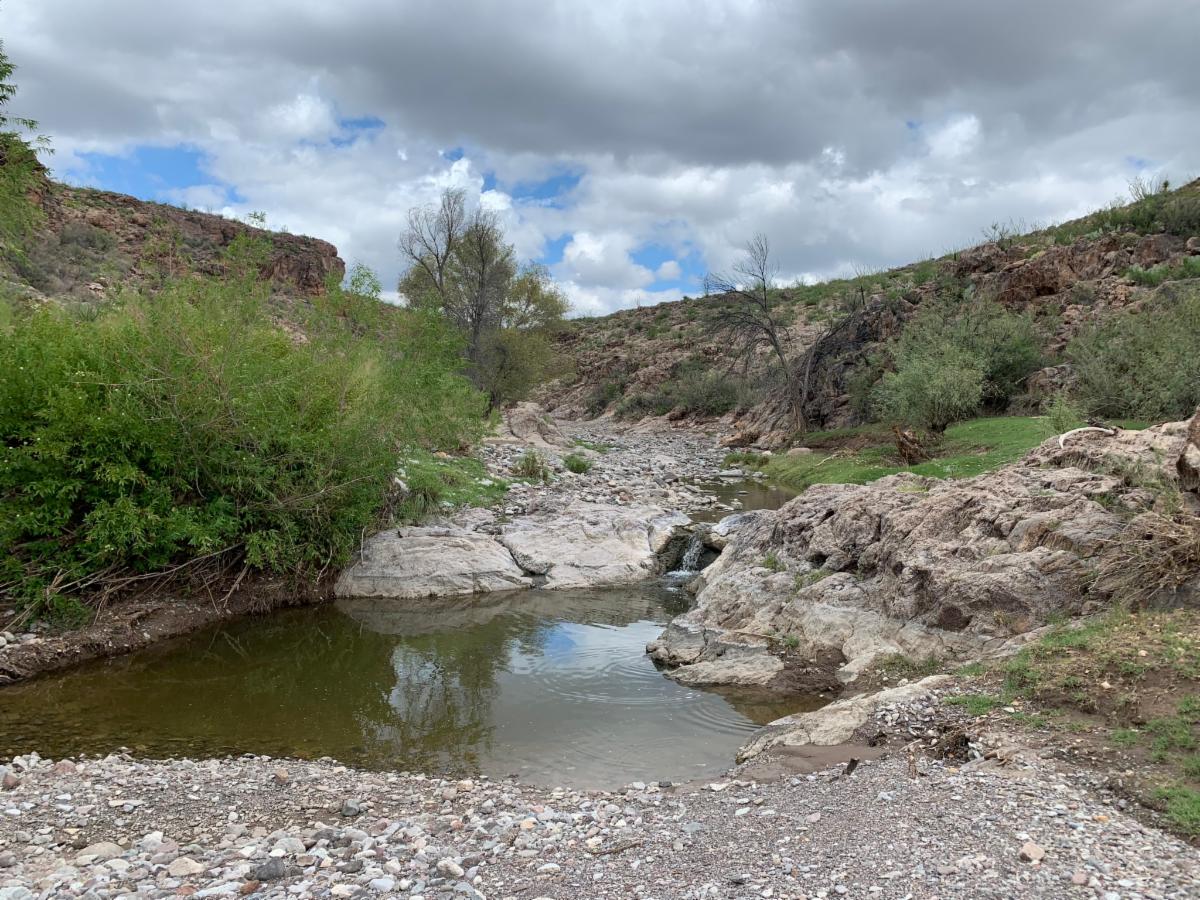
A pool in Cienega Creek in Big Bend Ranch State Park. Photo by Mike Janis/BRI.

The Borderlands Research Institute (BRI) at Sul Ross State University is taking the lead on water security issues in West Texas. Plans for a West Texas Water Research Center are coming to fruition, and a nationwide search is on for a director for the new center.


The concept for a West Texas Water Research Center crystalized after the Water in the Desert conference in January 2024 at Sul Ross State University. The conference, which was the first of its kind in the region, brought together over 260 attendees, including members of the Texas House and Senate, local groundwater conservation district leaders, scientists, and Texas landowners.


As momentum grows, there are promising signs that the time is right for action on the critical water issues facing Texas. Dr. Louis Harveson, Associate Provost of Research and Development at Sul Ross and BRI Director, penned a column on the topic that was recently published in the Alpine Avalanche.


READ THE ARTICLE

Student Spotlight: Hailey Barton

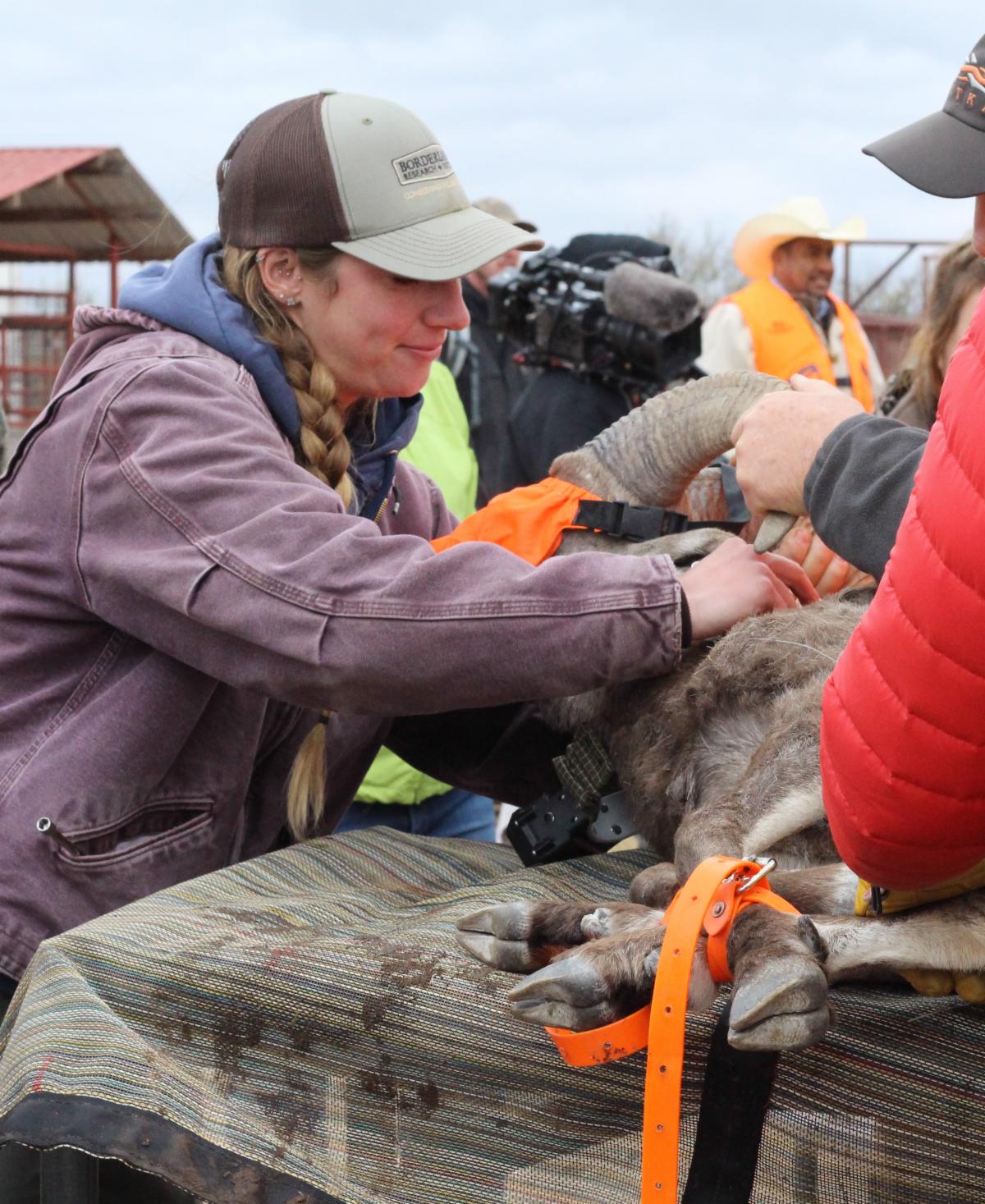
Graduate student researcher Hailey Barton affixes a tracking collar on a desert bighorn sheep at Elephant Mountain Wildlife Management Area. Photo by Abbye Shattuck/BRI.

For Hailey Barton, the great outdoors has always been more than just a place to explore; it’s been a way of life. Growing up in rural Idaho, she spent much of her childhood hiking, camping, and working alongside her family’s horses and goats.


Initially, Hailey wanted to be a zookeeper, but she soon realized that most zoos are located in large cities, an environment she wasn’t fond of. A pivotal moment came when friends introduced her to wildlife programs at the University of Wyoming.


“I got into that and realized, ‘Oh, duh! This is what I want to do!’” she says.


READ MORE

Project Spotlight: Carrying Capacity of Desert Bighorn Sheep on Elephant Mountain WMA

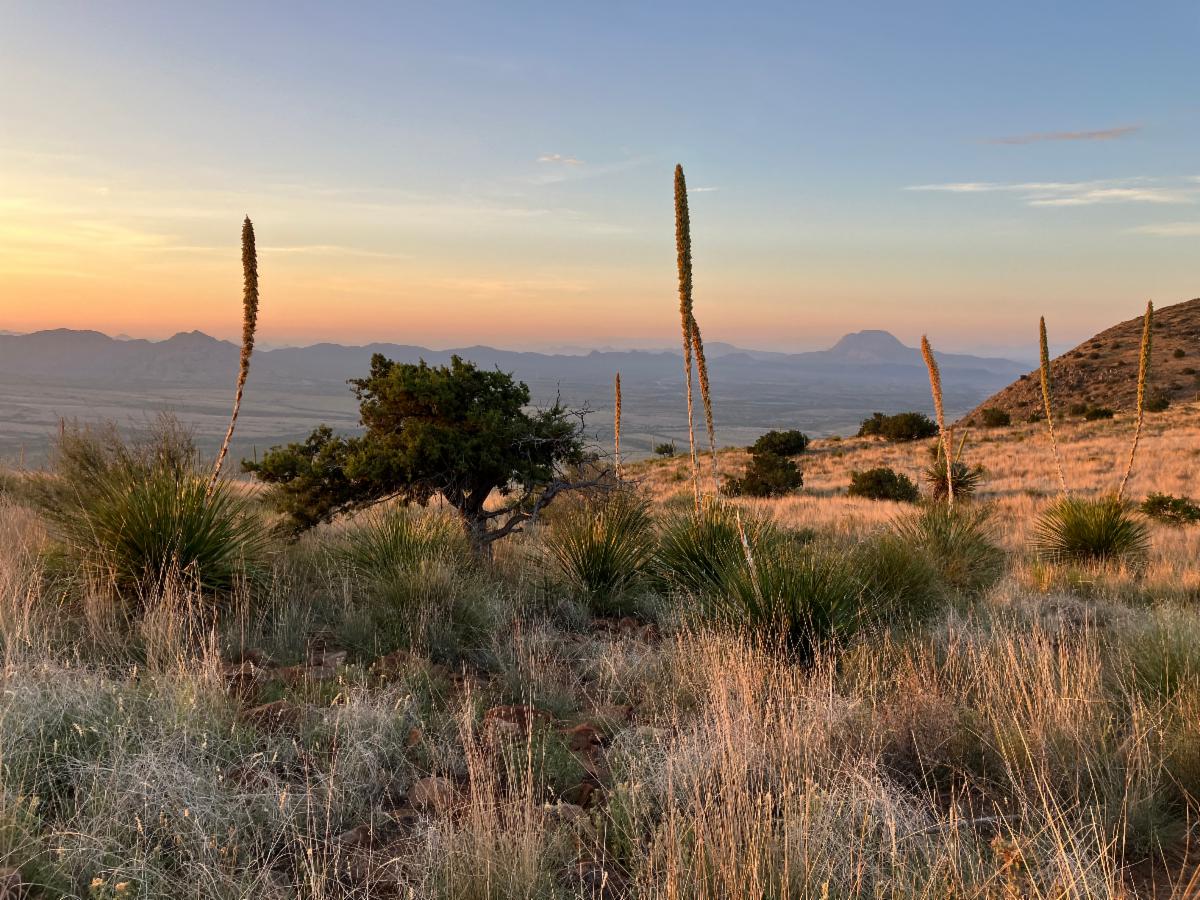
Sunrise on Elephant Mountain. Photo by Hailey Barton/BRI.

Elephant Mountain Wildlife Management Area (EMWMA) sits at the heart of desert bighorn sheep restoration in Texas. Its acquisition in 1985 was intended primarily to replenish desert bighorn sheep populations and conserve other native species, such as mule deer. Desert bighorn sheep on EMWMA are incredibly reproductively successful. This steady increase in population has allowed managers with Texas Parks & Wildlife Department (TPWD) to translocate about 450 desert bighorn sheep from EMWMA to other areas in Texas in nine different translocation events since 1995.


While restoration has been successful thus far, there are lingering concerns about disease outbreaks and possible competition for resources with other species. With that in mind, managers are interested in protecting EMWMA for its crucial role in bolstering struggling herd numbers in different areas. Protecting the nursery herd of EMWMA involves protecting the resources it depends on. To obtain the best outcome for desert bighorn sheep, other native species (i.e., mule deer), and the landscape, TPWD and Borderlands Research Institute (BRI) researchers have teamed up to determine the carrying capacity of desert bighorn sheep on EMWMA.


READ MORE

Stoke the Flame

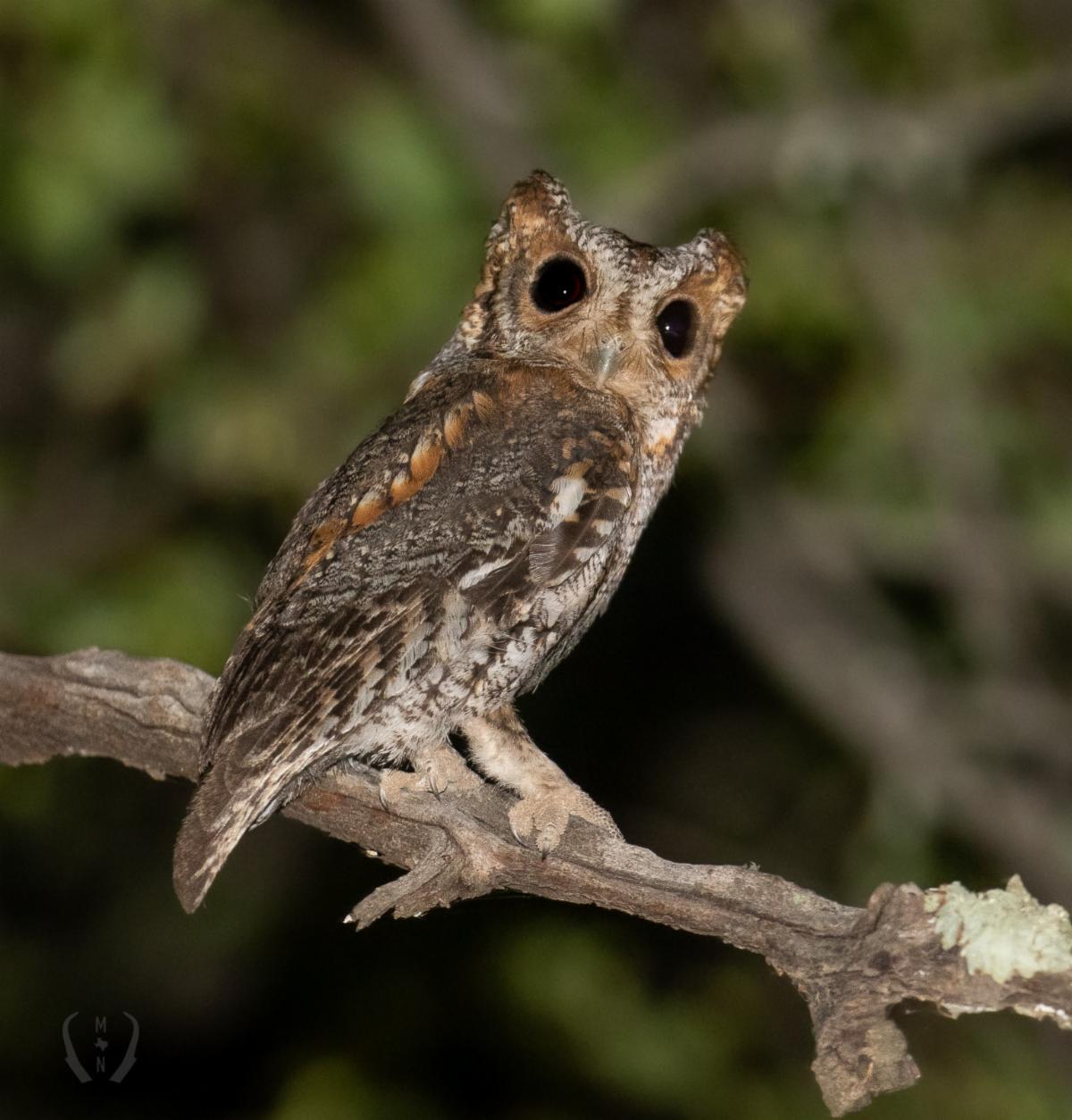
One of the most amazing owl species that can be found in West Texas is the flammulated owl, which is the second smallest owl in North America. The bird’s name refers to the flame-like reddish orange streaks in the bird’s feathers. BRI student Shelby duPerier penned an article about this amazing creature that was published in the Alpine Avalanche in late January.


READ THE ARTICLE

Flammulated owl in the Davis Mountains, Texas. Photo by Romey Swanson.

Wildlife Weekend 2025: Celebrating West Texas Conservation 

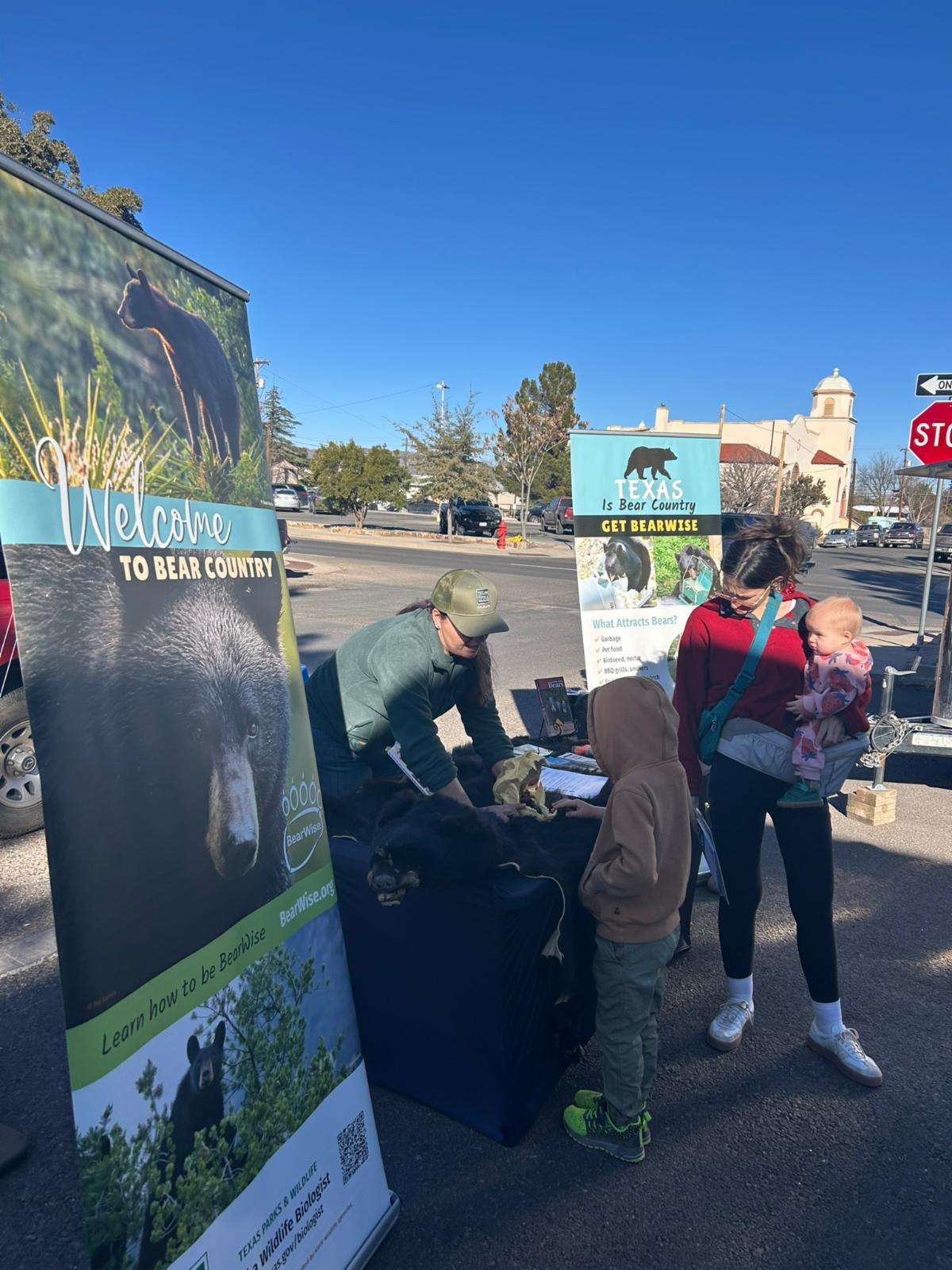
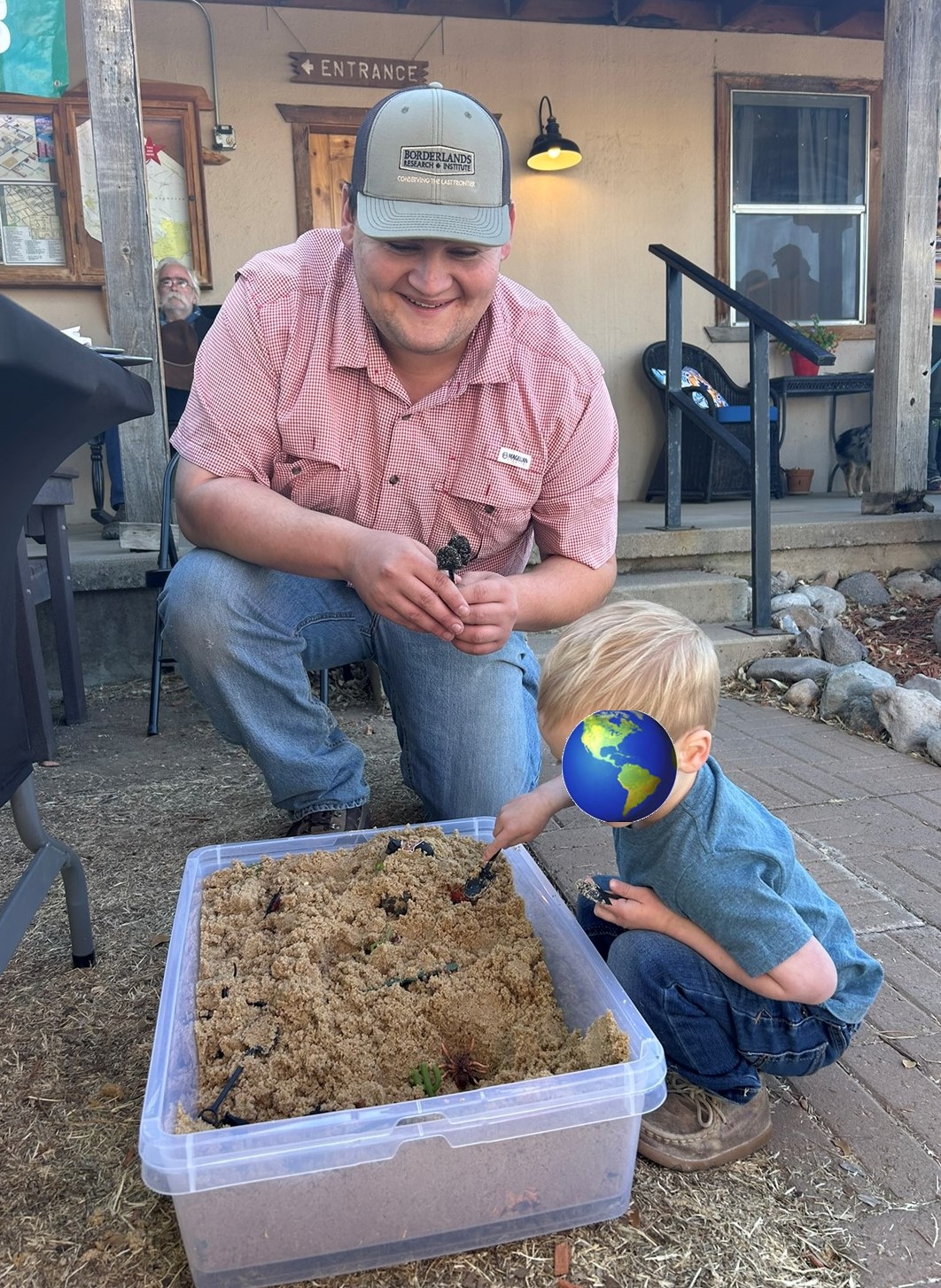
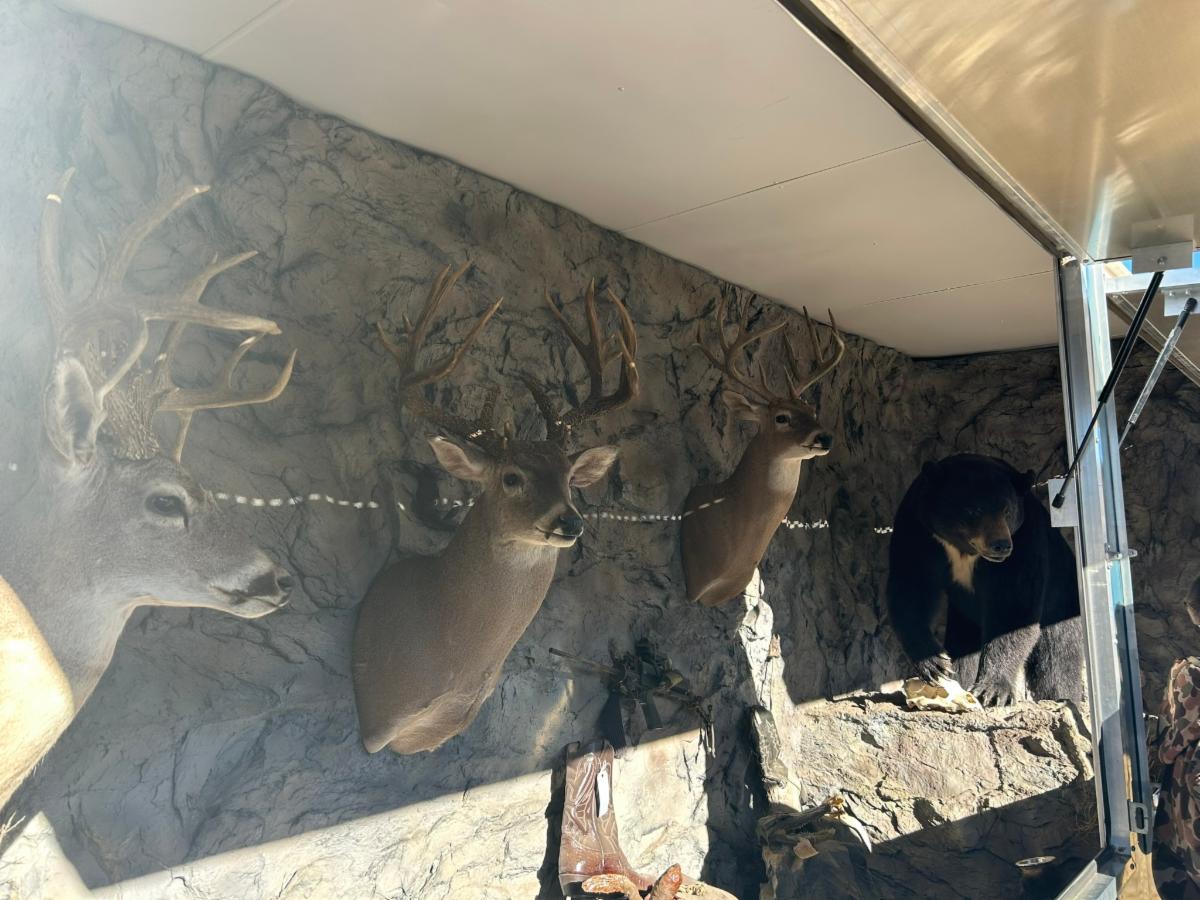
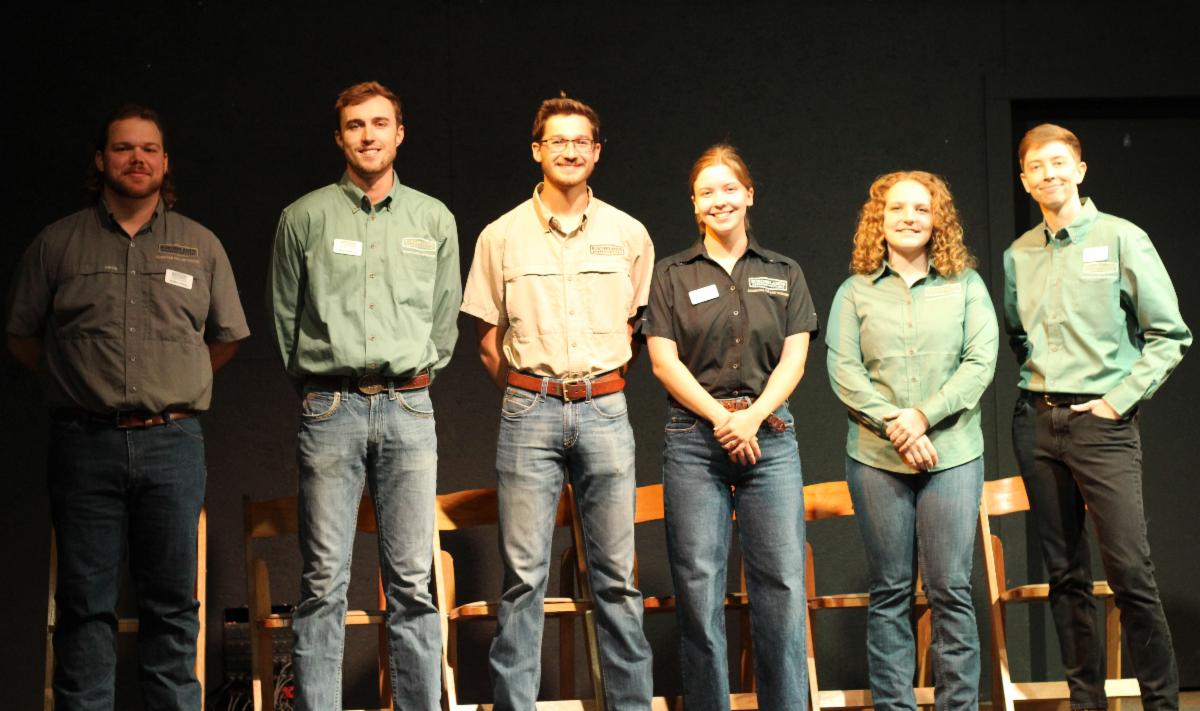
About 200 people participated in Wildlife Weekend this year in Alpine. Photos by Abbye Shattuck and Louis Harveson/BRI.

Borderlands Research Institute was proud to participate in Wildlife Weekend 2025, held Jan. 31 – Feb. 2 in Alpine, Texas. Spearheaded by Visit Alpine, this event brought together conservationists, researchers, and community members for an engaging weekend focused on the region’s incredible wildlife.


The weekend began Friday evening at the Museum of the Big Bend with a welcome reception and screenings of short films highlighting the return of black bears, bat conservation efforts, and the restoration of desert bighorn sheep populations in Texas.


Saturday offered a full schedule of outdoor experiences and educational sessions. Attendees engaged in Guided Hikes on Hancock Hill, joined a birding walk at Kokernot Park, and participated in a wildlife scavenger hunt and farmer’s market where students and staff from many conservation and wildlife organizations offered educational booths. The Lunch and Learn at Granada Theatre, featuring BRI graduate assistants, provided insight into ongoing research projects in West Texas. The day concluded with the Bears, Bats, and Bighorns keynote presentations and panel discussions.


On Sunday, a guided tour of the Chihuahuan Desert Nature Center’s botanical gardens and a wildlife art workshop at Alpine Public Library wrapped up the weekend.


Wildlife Weekend 2025 successfully connected the community with the latest conservation efforts in West Texas. BRI is grateful to all partners, speakers, and attendees who made this event possible, and we look forward to building on this momentum in the years to come. 

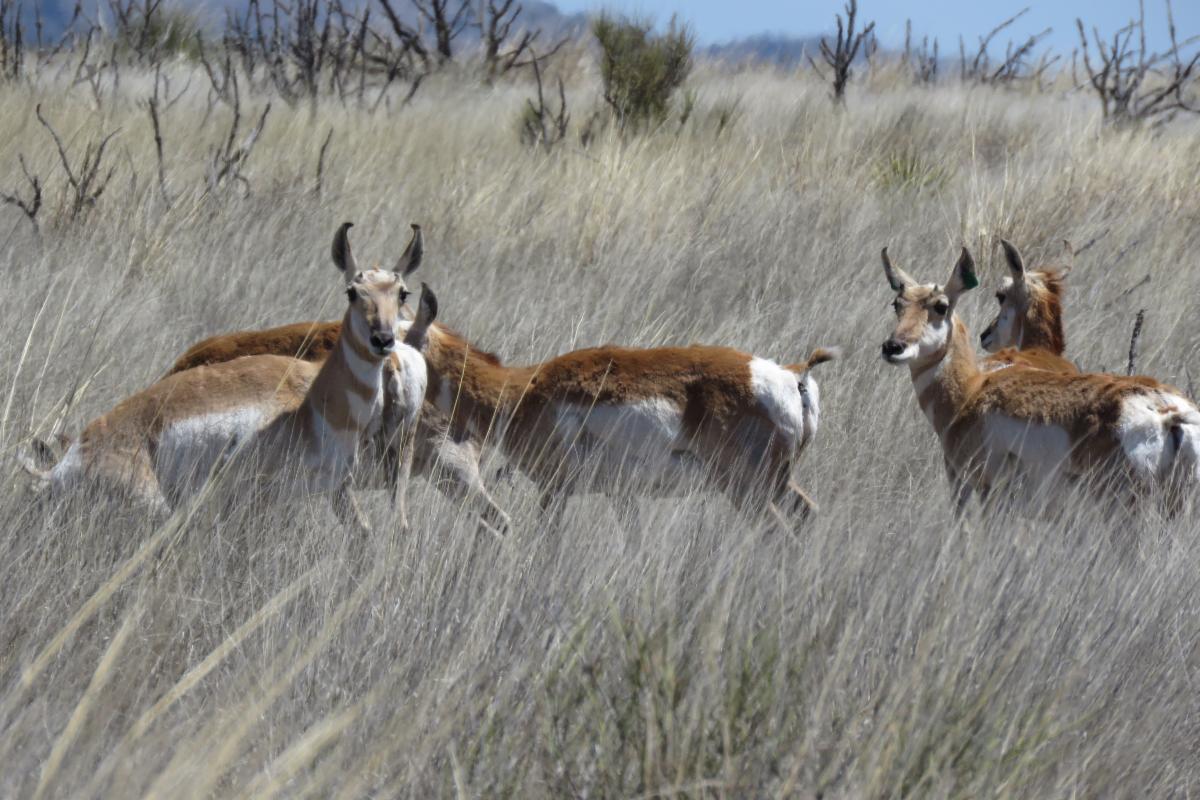
Pronghorn Study Published

Read a newly published study on pronghorn herd health in West Texas, by BRI staff and other researchers in the Journal of Zoo and Wildlife Medicine.


Reeves, A.M., S.S. Gray, L.A. Harveson, C.D. Hilton, C.M. Springer, W.C. Conway, and B. Dittmar, II. 2024. Hematology and biochemical reference intervals for free-ranging pronghorn (Antilocapra americana) in West Texas. Journal of Zoo and Wildlife Medicine https://doi.org/10.1638/2023-0119

An Artist's Wildlife Research Tag-along

Watch West Texas artist and wildlife enthusiast Chris Ruggia’s video about BRI graduate student Emily Blumentritt’s research. Emily is exploring how birds utilize stock tanks in the Trans-Pecos region, and Chris’ video beautifully encapsulates the passion and dedication our graduate students have for their research.

Stock Tank Bird Survey Video

Please share this enewsletter with others who may be interested in the work of the Borderlands Research Institute. SUBSCRIBE HERE so it comes straight to your inbox.

DONATE TODAY

Borderlands Research Institute | 432.837.8225 | bri@sulross.eduhttp://bri.sulross.edu

P.O. Box C-21, SRSU, Alpine, Texas 79832

STAY CONNECTED

Facebook  Instagram  Youtube