|
What is the Goldfinger Geller Rudolph Project?
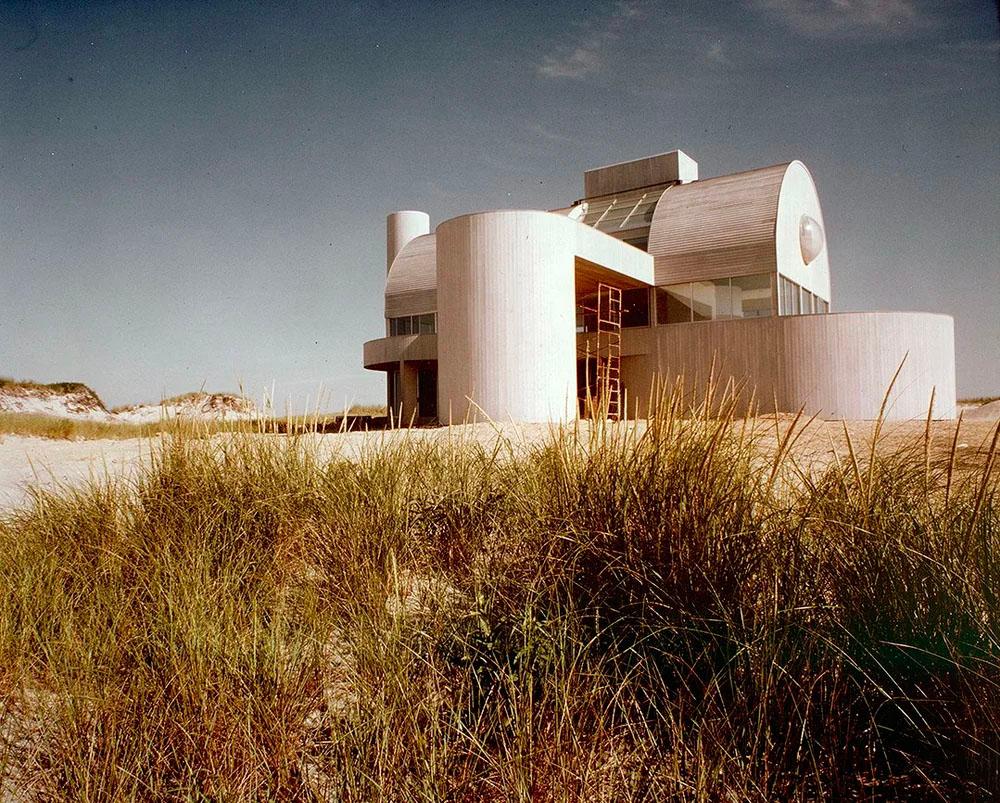
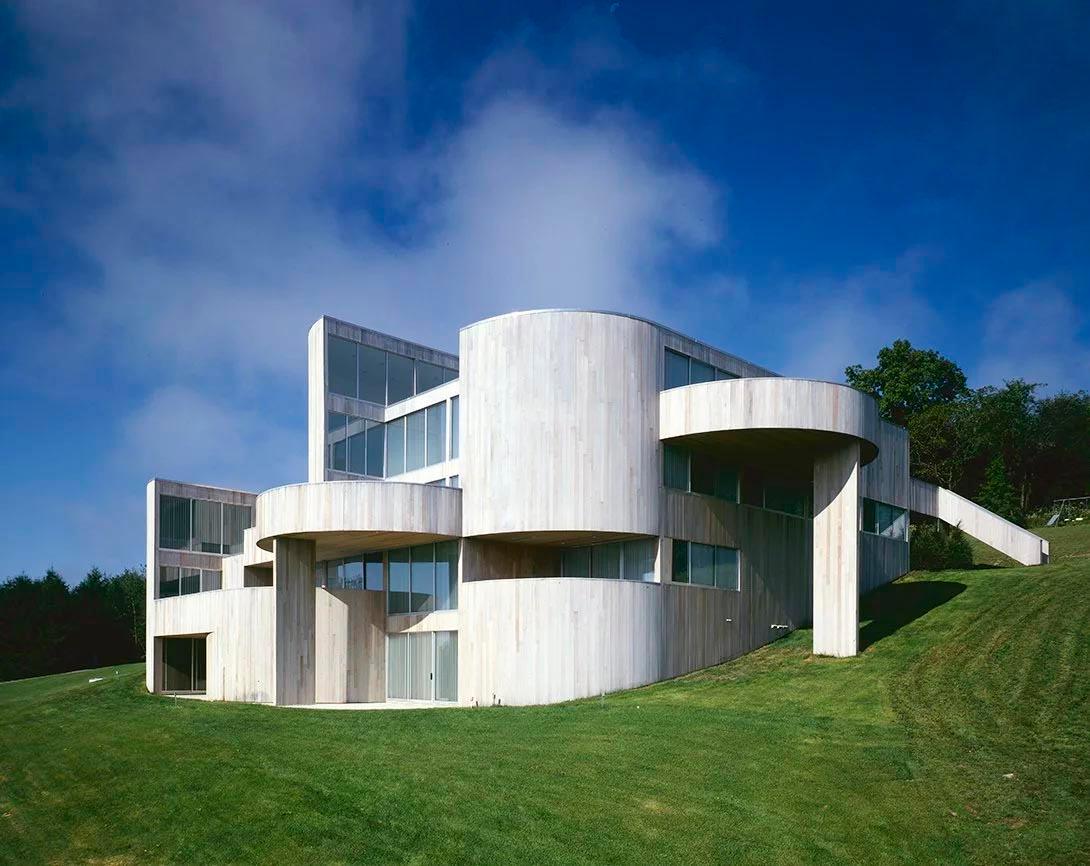
| The Conason Residence, Myron Goldfinger, Southampton, New York, 1984 | |
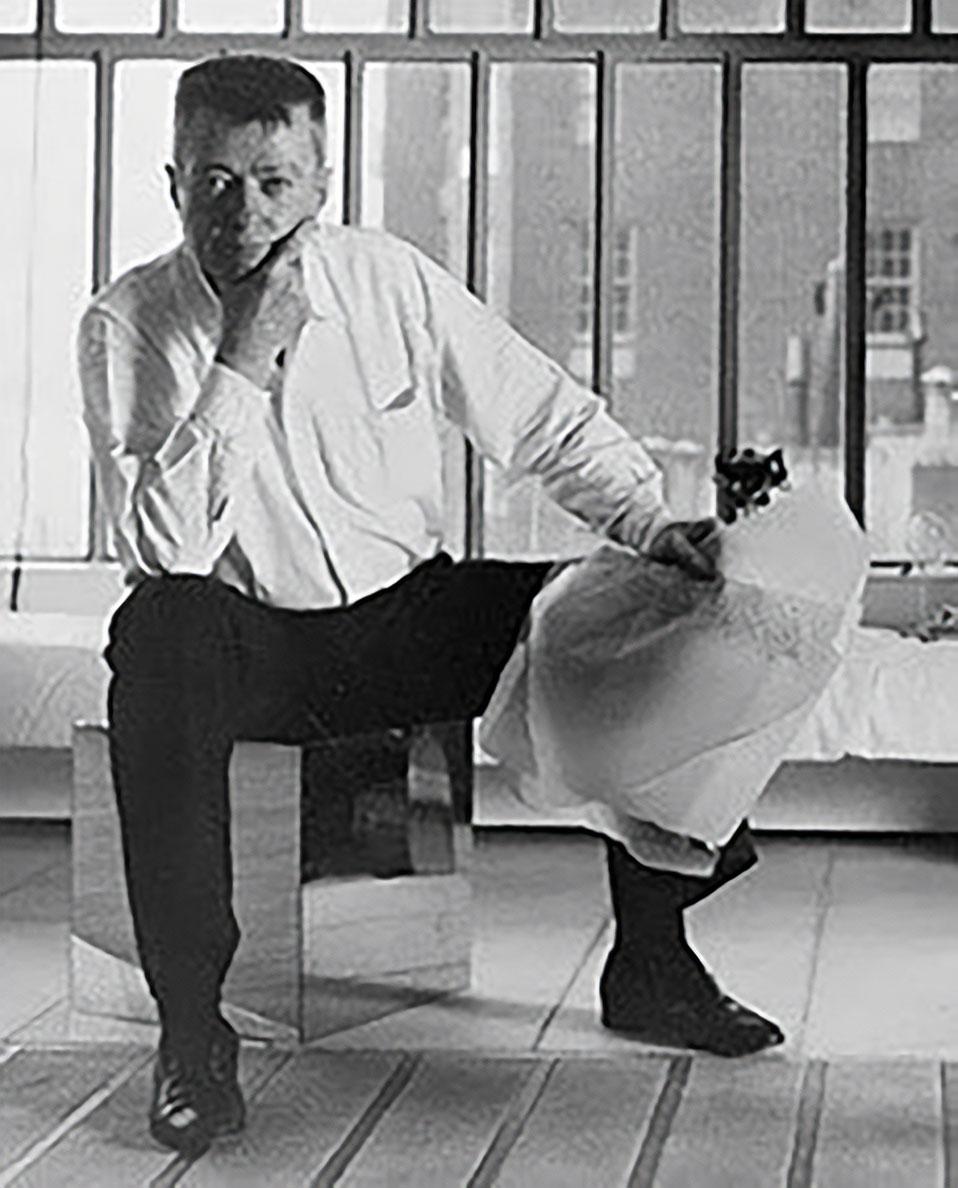
This issue focuses on Goldfinger Geller Rudolph, our feature-length documentary about Myron Goldfinger, Andrew Geller, and Paul Rudolph. Each developed a highly personal approach to modern architecture. Goldfinger explored sculptural form and architecture’s relationship to the landscape. Geller brought wit and optimism to postwar residential design, while Rudolph pushed structural expression and spatial complexity to dramatic new levels.
Although their personalities and work differed, each viewed architecture as an artistic act rather than a response to convention or commercial pressure. Their buildings demonstrate a shared belief that bold design can shape the way people experience the world around them.
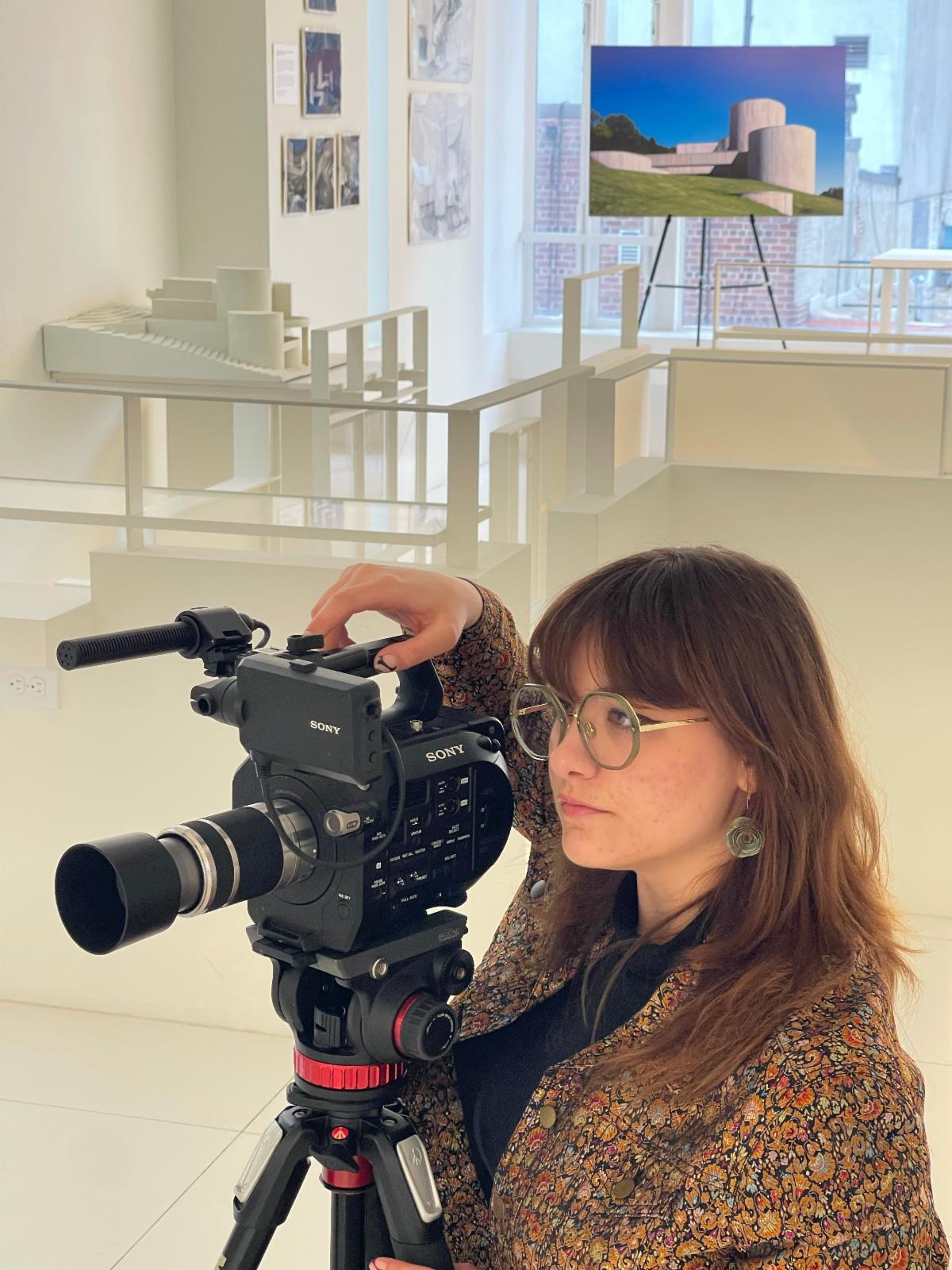
The film also follows an important preservation effort at the Paul Rudolph Institute for Modern Architecture. Director Kelvin Dickinson is caring for the archives of all three architects, scanning fragile drawings and organizing their collections. This work will help determine how their contributions are studied and remembered by future generations.
| | Volume 2 | No. 11 | July 14, 2026 | |
Archival Interviews and Imagery
At the heart of Goldfinger Geller Rudolph is a remarkable collection of archival material that brings the architects’ voices and work into sharper focus. Newly digitized films, rare photographs, and interviews with family members and architecture historians reveal the personal stories behind their buildings.
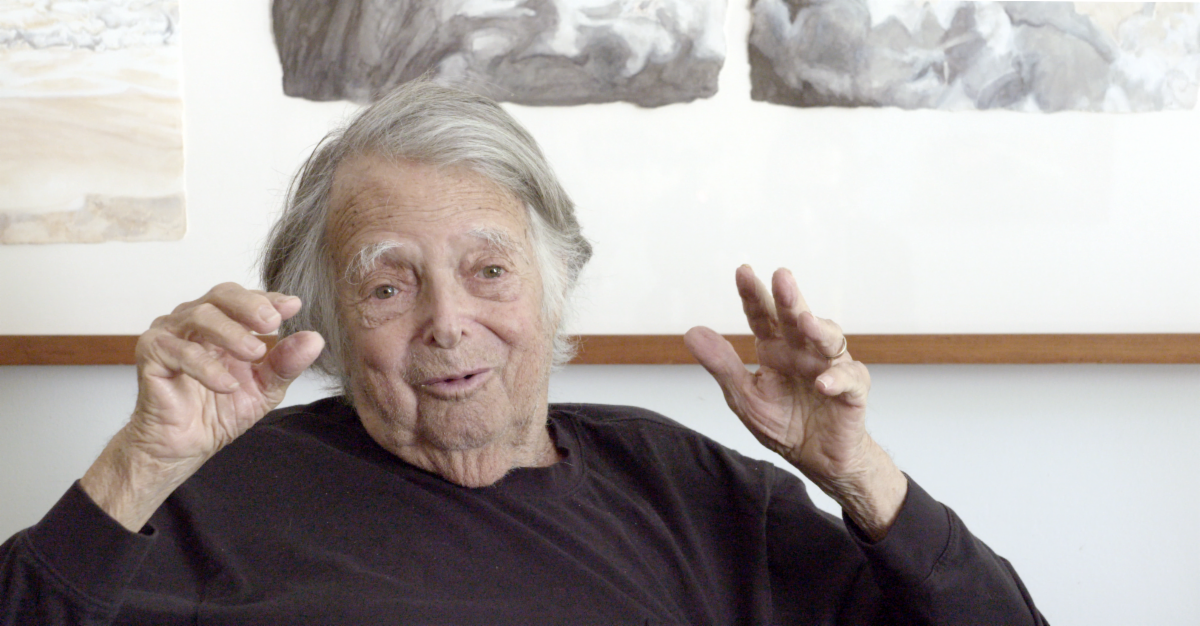
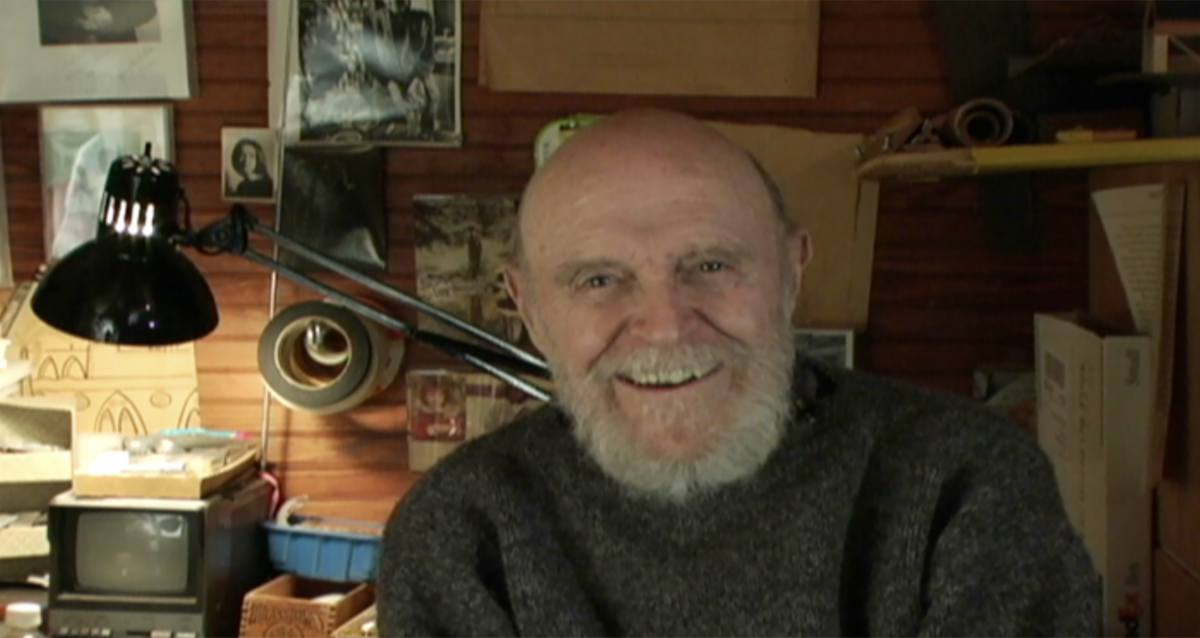
The documentary also features never-before-seen interviews conducted by Jake Gorst with Andrew Geller and Myron Goldfinger before their deaths. Both architects speak extensively about their ideas, careers, and creative processes. An archival recording of a Paul Rudolph lecture will help bring his story to life. Recordings of Rudolph speaking are rare and difficult to obtain, making this material especially valuable.
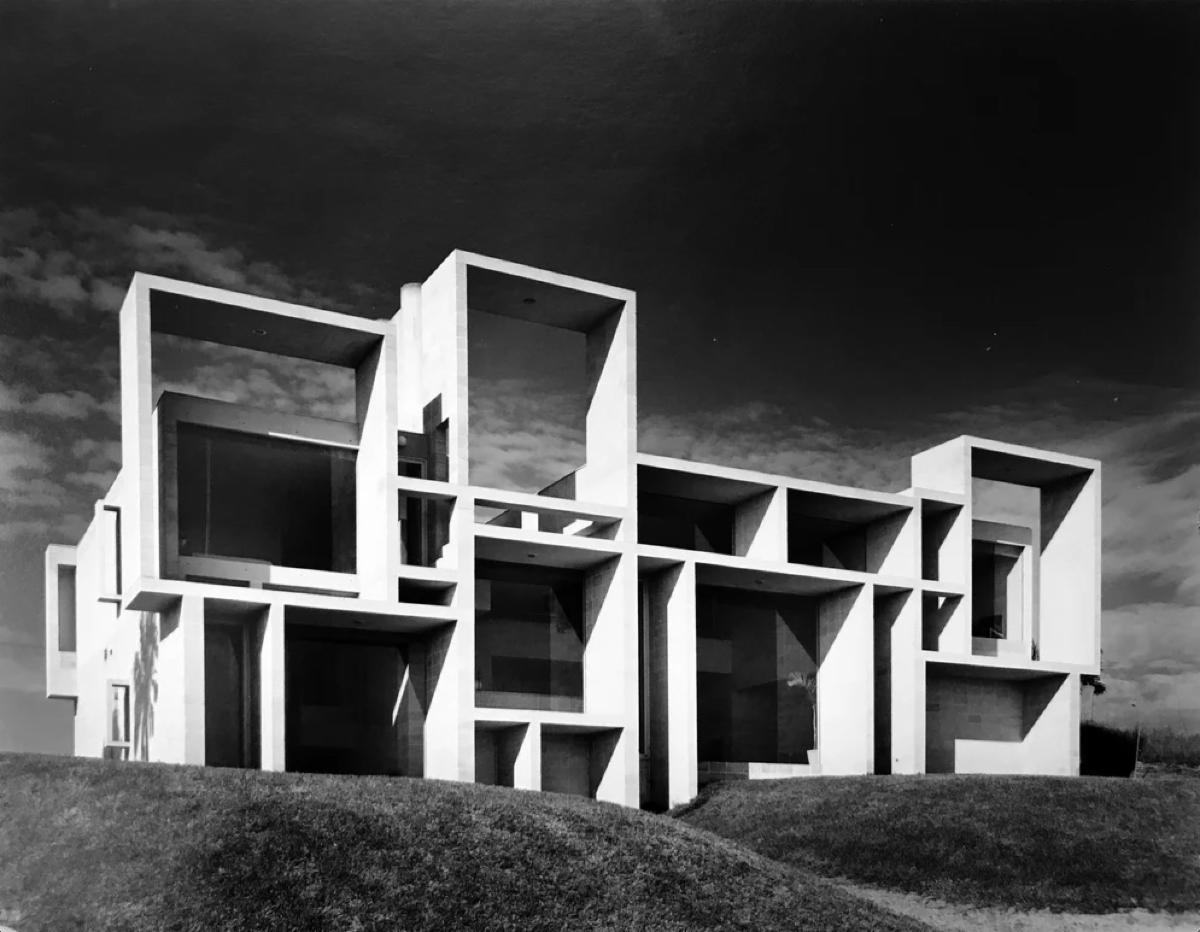
| | Milam Residence, Paul Rudolph, Ponte Vedra Beach, Florida, completed in 1962 | |
Perspectives on Three Architects
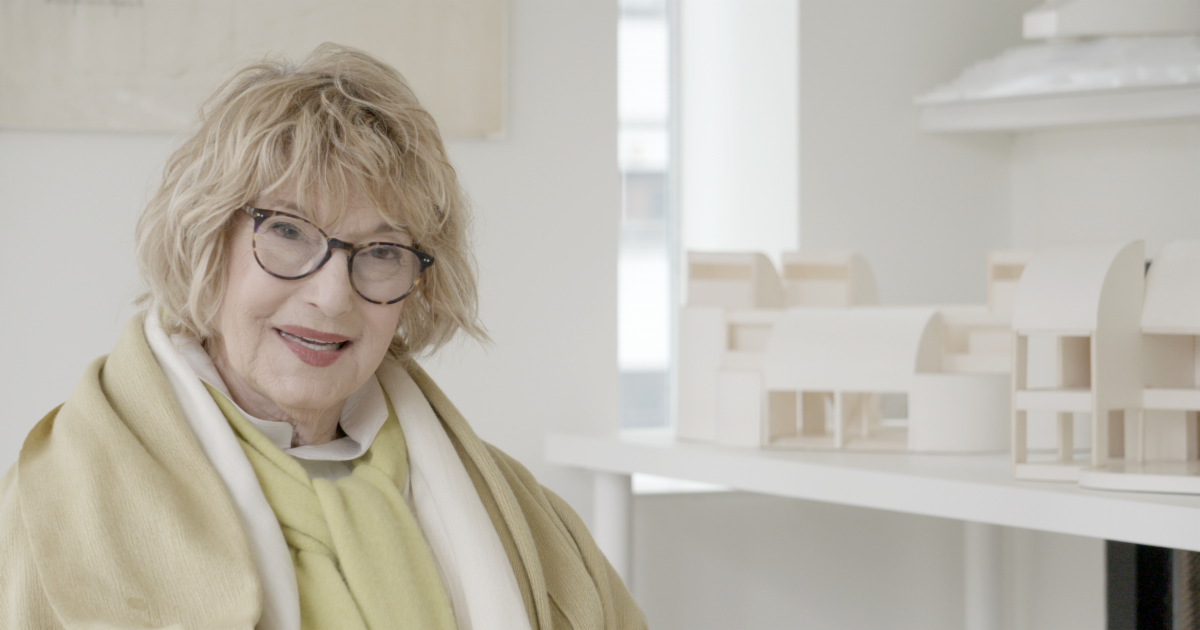
Goldfinger Geller Rudolph draws upon interviews with people who knew the architects, studied their work, and helped preserve their legacies. June Goldfinger, Myron Goldfinger’s wife and design collaborator, discusses their shared creative life. Gregg Geller, Andrew Geller’s son, offers family insight into his father’s personality and career.
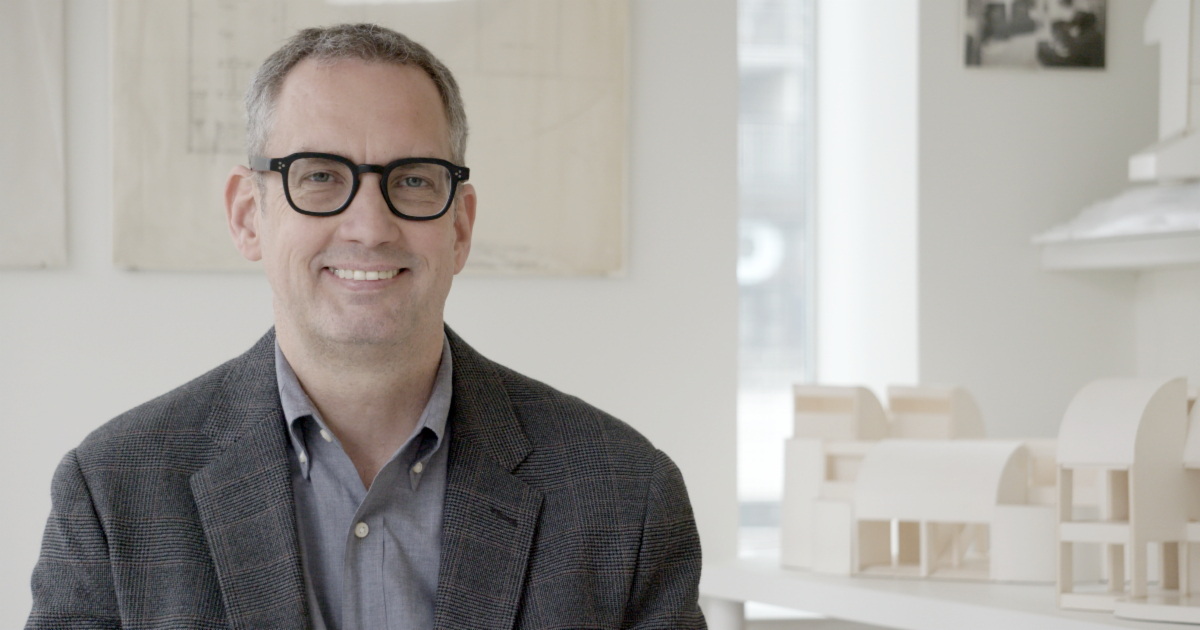
Kelvin Dickinson, architect and president of the Paul Rudolph Institute for Modern Architecture, provides commentary on all three architects. Architectural historian Alastair Gordon and architecture journalist David Sokol discuss Geller’s work and its place within postwar modernism.
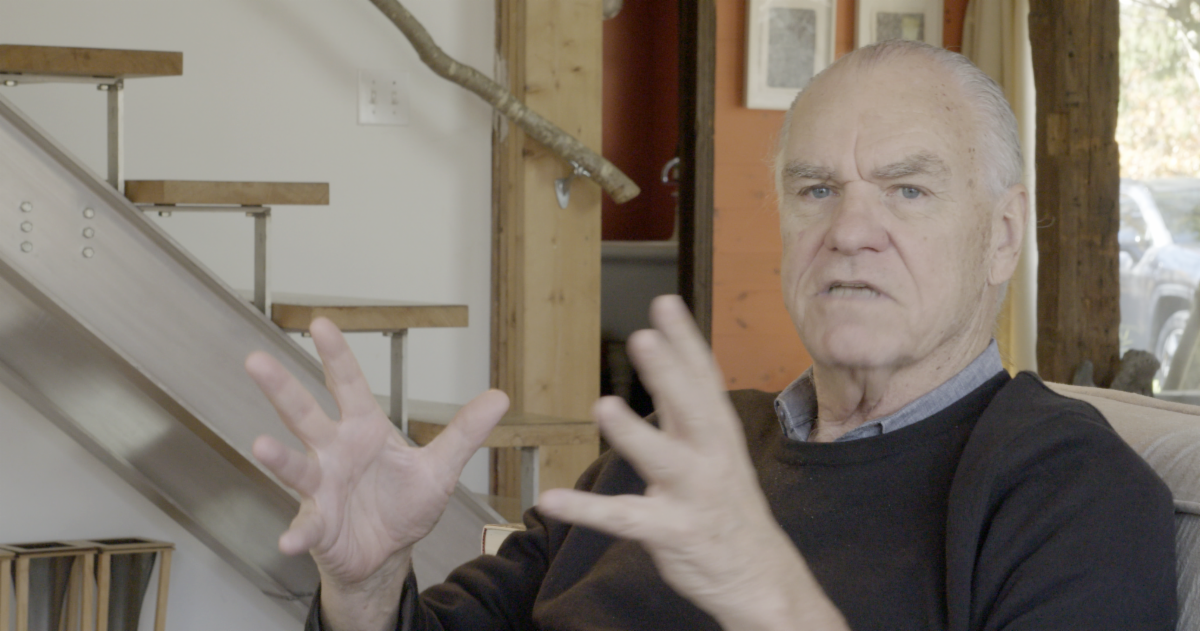
Mitch Pearlroth, the original client for Geller’s celebrated Pearlroth House, and her son Jonathan discuss the home and its preservation. Additional interviews are planned with Goldfinger and Rudolph clients, architecture critics, historians, and family members.
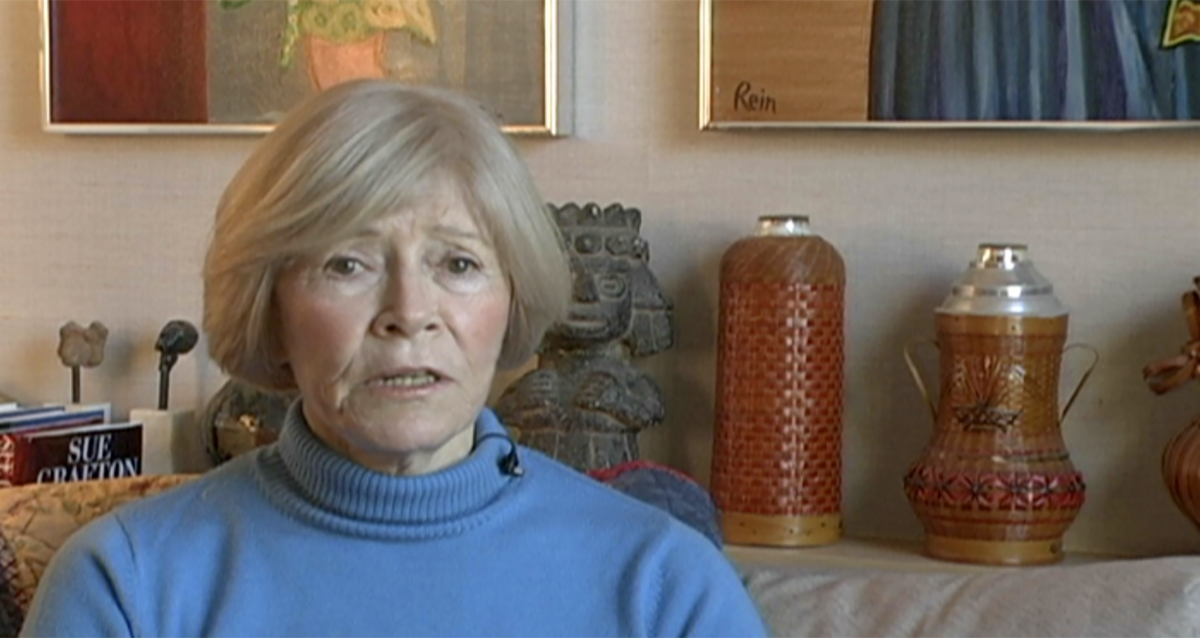
| | A few interviewees. Above: Kelvin Dickinson. Below: June Goldfinger, Alastair Gordon, Mitch Pearlroth | |
Bringing the Film to Wider Audiences
Directed by Jake Gorst and Rebecca Delmarie Gorst and produced by Jake and Tracey Gorst, the film is being developed for exhibition at film festivals, museums, educational institutions, and through public media. These outlets will help the project reach audiences interested in architecture, design, cultural history, and preservation.
Mainspring Narrative Films is also seeking art house theater distribution, creating opportunities for the documentary to be experienced on the big screen by audiences across the country. Additional educational, broadcast, and streaming distribution is also being pursued.
Produced by Mainspring Narrative Films, a 501(c)(3) nonprofit organization, the project reflects the organization’s mission to preserve cultural history through careful research, archival preservation, and responsible storytelling.
| | | |
Why Architecture Films Matter
Documentaries about twentieth-century modernist architects help preserve a history that is increasingly at risk of being lost. Many important buildings have been altered or demolished, while the people who designed or commissioned them are disappearing. Film records their voices and combines archival material with images of surviving buildings in a form that can reach a broad audience.
These documentaries also explain why modernist architecture mattered. The buildings reflected changing ideas about how people might live and how design could respond to a rapidly changing world. By examining the people behind the work, films reveal decisions and challenges that cannot be understood from photographs alone. They create a lasting record while encouraging greater appreciation for the buildings that remain and the ideas they represent.
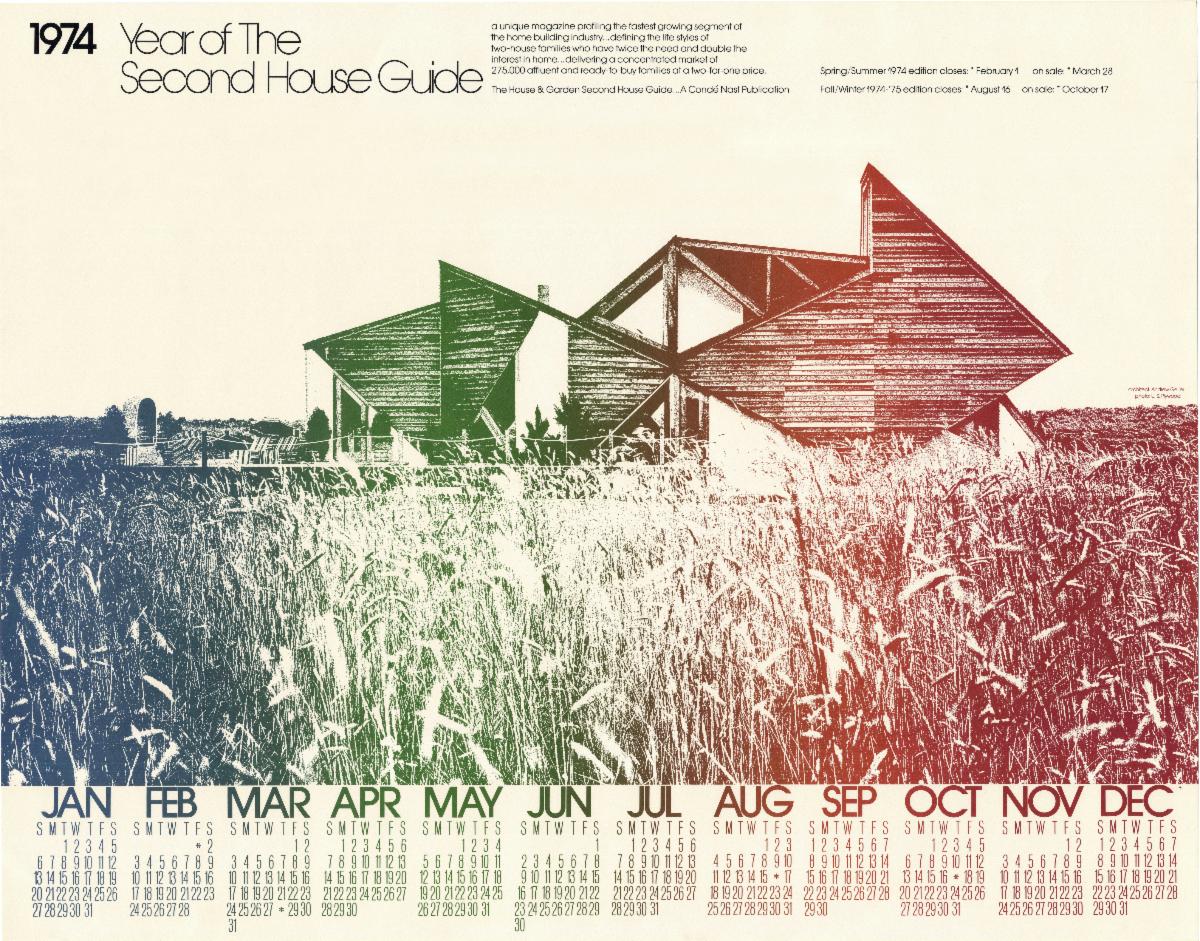
| | The Schulman Residence, Myron Goldfinger, Montague, New Jersey, 1977-78 | | A House and Garden 1974 wall calendar depicting the Elkin House by Andrew Geller, Sagaponack, New York, 1966 | |
Preserving the Andrew Geller Archive
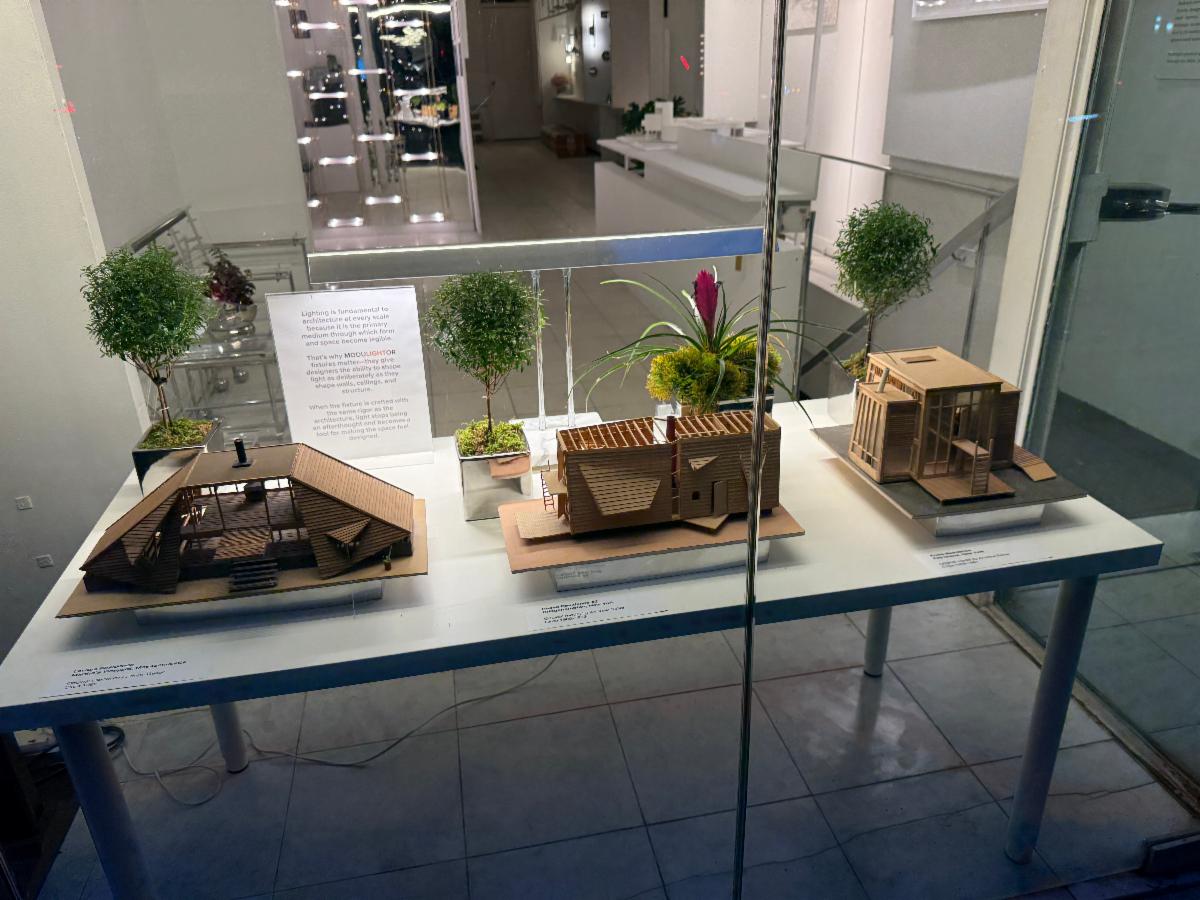
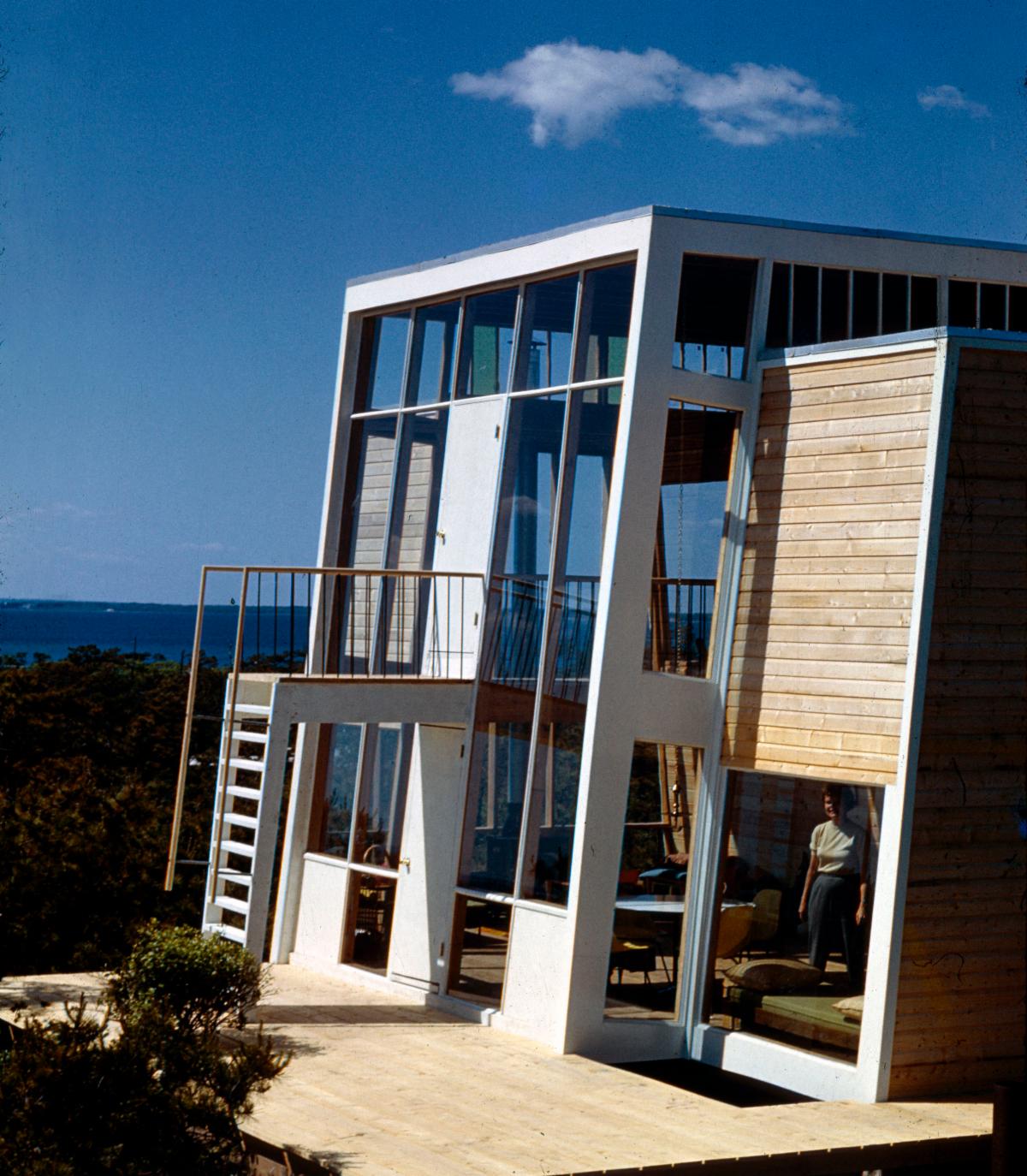
The Andrew Geller archive is steadily being preserved at the Paul Rudolph Institute for Modern Architecture in New York City. Jake Gorst continues the careful process of boxing drawings, correspondence, and other materials for transfer to the Institute, where they will be organized and protected for future research. Geller’s architectural models have already been moved to the Modulightor Building and are now displayed on its first floor. Some are currently in a window display. During production of Goldfinger Geller Rudolph, the filmmakers will also document portions of the scanning, indexing, and preservation process, offering viewers a closer look at the work required to safeguard Geller’s remarkable architectural legacy. | | | | The Andrew Geller-designed Frank House, Fire Island Pines, New York, 1959-61 | |
The Financials
The Goldfinger Geller Rudolph documentary project represents years of research, interviews, archival preservation, and production work. To complete the film and prepare it for distribution, Mainspring Narrative Films is seeking $293,800 in production support. As a 501(c)(3) nonprofit organization, contributions are tax-deductible to the fullest extent permitted by law. Every donor will be acknowledged in the closing credits. Gifts of $25,000 or more receive Associate Producer credit, while gifts of $100,000 or more receive Executive Producer credit. All producers will also be recognized in the opening title credits. Donations may be made using the following methods.
Check by Mail
You may send a check payable to Mainspring Narrative Films to:
PO Box 953, Litchfield, CT 06759
PayPal Donation Portal
Make a secure online donation via PayPal
Donor Advised Fund (DAF Direct)
If you give through a Donor Advised Fund, contributions can be made using DAF Direct
Website Donation (Includes Apple Pay)
Donate directly through our through our website using a credit card or Apple Pay
GiveButter
Contributions can also be made through our GiveButter campaign page
MyGivingCircle
Zelle
Send a donation via Zelle to:
info@mainspringnarrative.org
Venmo
Find us on Venmo at:
@mainspring
| | |
Major funders for Goldfinger Geller Rudolph so far include:
The Goldfinger Foundation for the Visual Arts
George Smart and USModernist.org
Add your name to the list!
| |
About Us
Mainspring Narrative Films is a nonprofit dedicated to preserving history, celebrating culture, and sharing meaningful stories through documentary filmmaking. As a 501(c)(3) organization, we work to educate, engage, and inspire audiences while bringing overlooked stories to light.
Your support helps fund research, production, archival preservation, and outreach efforts that allow our films to reach wider audiences. Donations also make it possible to pursue important projects exploring architecture, design, history, and cultural heritage.
When you contribute to Mainspring, you are helping preserve knowledge for future generations while supporting independent filmmaking with a purpose. Together, we can continue creating documentaries that inform, inspire, and make a lasting impact.
| | | | | |