Sasakawa USA Newsletter July Highlights | | |
Included in this issue of the newsletter:
- Message from Sasakawa USA’s Chairman Satohiro Akimoto
July Activities
- Policy Briefing: Discussion with LtGen Wallace "Chip" Gregson (USMC, Ret.) and Col Grant Newsham (USMC, Ret.)
- Soft Power Series: Beyond Interpretation: Cultivating Cross-Cultural Understanding with Ms. Shiori Okazaki
- Washington Kenkyu Group: Discussion with Ms. Yuri Unno
- Soft Power Series: Sake Diplomacy: Lessons for Japanese Soft Power
- Sasakawa USA Ice Cream Social
Publications
- US-Japan NEXT Alliance Initiative: AI Roundtable Summary
- Updates to "An Overview of North Korea-Japan Relations" by Mr. James Schoff
Announcements
- New Programs Team Member: Ms. Ema Coleman-Ichikawa
| |
Message from Sasakawa USA's Chairman Satohiro Akimoto | |
Sasakawa USA launched a Soft Power Series last year to add a cultural and people-to-people dimension to our core focus on diplomacy and security. Needless to say, it is a tribute to the late Professor Joseph Nye Jr., who coined the term “soft power.” He defined it as the ability to influence or persuade others to achieve a desired outcome through attractiveness or persuasion, rather than force, coercion, or payment. Professor Nye kindly joined Sasakawa USA’s advisory board soon after I assumed leadership of the foundation in 2019. He remained a steadfast supporter of Sasakawa USA until his untimely passing last May. I will always be grateful to him, as I had come to rely on his generous support and wise guidance ever since I met him at Harvard in the late 1980s.
American soft power played a major role in laying the foundation for U.S.-Japan relations in the early postwar period. Reflecting the importance President Harry Truman placed on an international information program, Assistant Secretary of State William Benton stated in September 1945: “Friendship between the leaders and the diplomats of the world is important, but it is not enough. The people themselves must strive to understand each other. We must strive to interpret ourselves abroad through a program of education and cultural exchange.” The Office of War Information was abolished in August 1945, and the newly established Office of International Information and Cultural Affairs in the State Department took over the overseas information program in peacetime.
In the meantime, the U.S.-led Allied occupation of Japan took a symbolic turn in January 1947, when General Douglas MacArthur did not allow a nationwide general strike scheduled by leftist labor unions for February 1. This marked the beginning of the “Reverse Course,” a major shift in occupation policy from the demilitarization and democratization of Japan toward economic reconstruction and the creation of a Cold War ally. President Truman launched the “Campaign of Truth” in April 1950 to push back against worldwide communist propaganda and provide “a full and fair picture of American life and of the aims and policies of the United States Government.” With the outbreak of the Korean War in June 1950, Congress approved Truman’s request for significantly increased support for the campaign.
In Japan, the “Campaign of Truth” aimed to create a politically stable, economically viable, and militarily capable ally of the United States. The U.S. soft power approach to Japan then moved into full swing. The U.S. embassy established numerous information centers and libraries across the country to promote American culture and education among Japanese citizens. The Japan-America Student Conference, the oldest educational and cultural exchange program between students, had been established in 1934 but suspended during the war; it was revived in 1947. The International House of Japan was established in August 1952 with backing from John D. Rockefeller III, a cultural consultant to John Foster Dulles’ 1951 peace mission. The U.S.-Japan Conference on Cultural and Educational Interchange, a binational advisory panel created to promote and strengthen the cultural and educational foundation of bilateral relations, was established in 1961 by President John F. Kennedy and Prime Minister Hayato Ikeda.
Sasakawa USA is also cognizant of the important role that soft power has played in U.S.-Japan relations in subsequent years, and we hope to become a part of that tradition in the years to come through our Soft Power Series. To date, Sasakawa USA has hosted programs on a variety of topics including Japanese rap music, American-Japanese fusion cuisine, and Japanese sake brewed in the United States. Our next Soft Power Series program, focusing on U.S.-Japan baseball exchange, will be held in August. We hope you will join us.
| | |
Policy Briefing: Discussion with
LtGen Wallace "Chip" Gregson (USMC, Ret.) and
Col Grant Newsham (USMC, Ret.)
| |
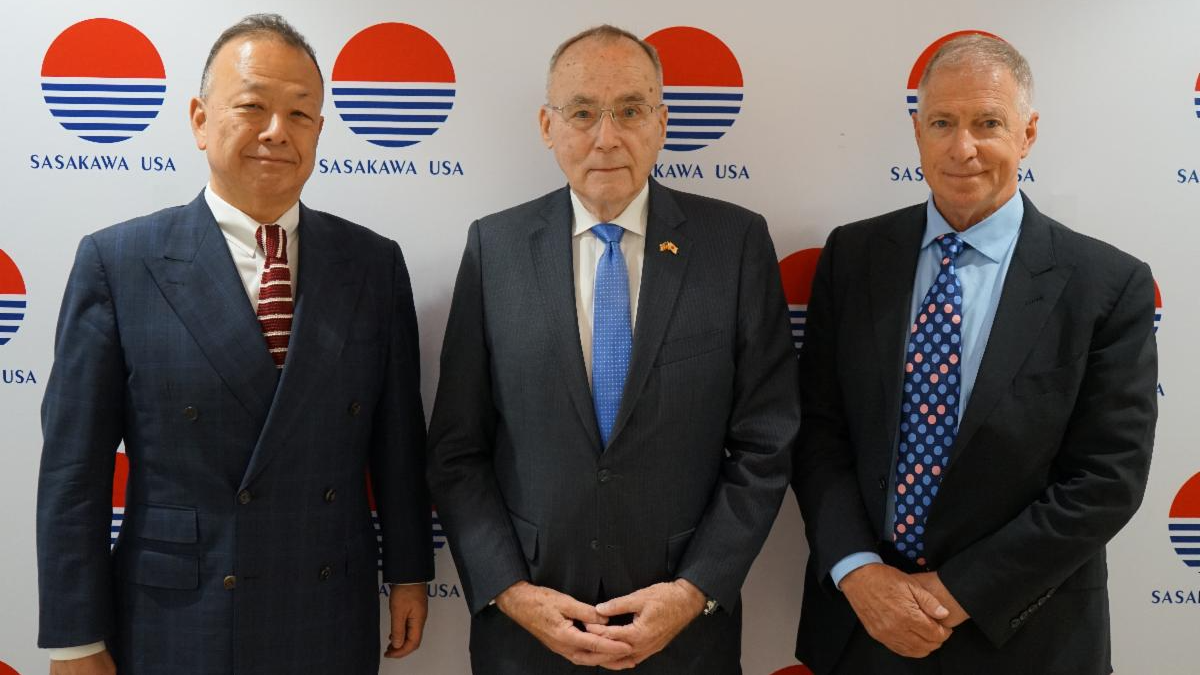
On July 29, Sasakawa USA hosted the Policy Briefing Series event, “Revising Japan’s Three Security Documents for a New Era,” featuring LtGen Wallace “Chip” Gregson (USMC, Ret.), distinguished senior fellow (non-resident) at Sasakawa USA and former assistant secretary of defense for Asian and Pacific Affairs, and Col Grant Newsham (USMC, Ret.), former U.S. Marine attaché, Tokyo.
During the event, LtGen Gregson and Col Newsham analyzed the most urgent geopolitical challenges and military threats facing the U.S.-Japan security alliance in light of Prime Minister Takaichi’s fast-tracking of revisions to three national security documents first adopted by the Kishida administration in 2022: Japan’s National Security Strategy, National Defense Strategy, and Defense Buildup Program. LtGen Gregson opened the conversation with an overview of the three documents and what the revisions entail, followed by his analysis of Japan’s expanding regional leadership. Col Newsham then emphasized what he described as a significant change in the Japanese mindset where past reluctance to be seen working with U.S. forces has been replaced with today’s more urgent approach to national defense. Both speakers praised the revisions as necessary and stressed that while the U.S.-Japan alliance has come a long way, there is still ample room for improvement.
The speakers’ presentations were followed by a Q&A session moderated by Dr. Satohiro Akimoto, chairman and president at Sasakawa USA, where LtGen Gregson and Col Newsham answered questions about the general Japanese population’s willingness to support a “blank check” for defense spending, disparities in facilities and accommodations provided by Japan for U.S. forces and the Japan Self-Defense Forces, and if other nations (such as Korea or Ukraine) can be useful case studies.
Photo (left to right): Dr. Satohiro Akimoto, LtGen Wallace “Chip” Gregson, and Col Grant Newsham
| Soft Power Series: Beyond Interpretation: Cultivating Cross-Cultural Understanding with Ms. Shiori Okazaki | | |
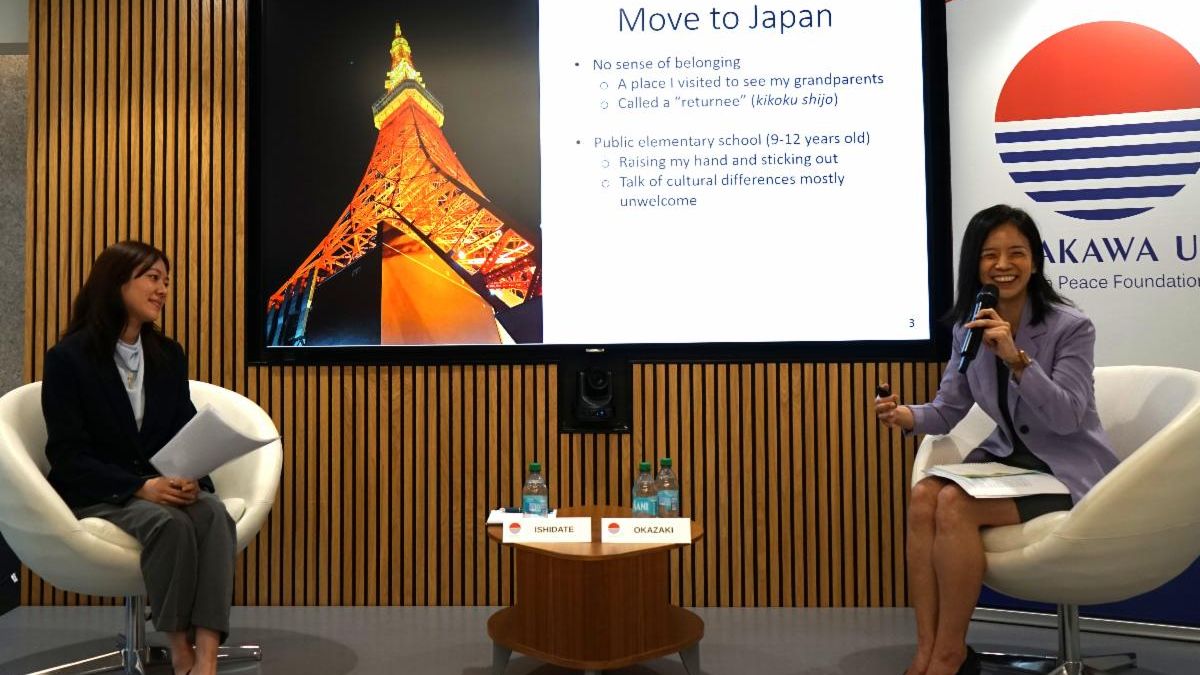
On July 10, Sasakawa USA hosted a Soft Power Series event featuring Ms. Shiori Okazaki, president of Shiori Communications, titled “Beyond Interpretation, Cultivating Cross-Cultural Understanding.” Ms. Okazaki offered her unique and insightful perspective as an accomplished Japanese language interpreter who has worked in high-level meetings. The event explored how language shapes the way we see, interpret, and connect with the world, as well as the role of language in understanding cultures. Ms. Okazaki discussed her multilingual and multicultural upbringing, her experiences growing up in Japan and the United States, and her views on interpreting aspects of Japanese and American cultures. For example, when discussing the challenges of interpreting between Japanese and Americans, she explained that many Japanese cultural concepts and aesthetics cannot be translated directly (such as “wabi-sabi”). Conversely, she noted that words Americans often use such as “engage,” “inspire,” and “impact” do not always have exact equivalents in Japanese.
Ms. Okazaki’s presentation was followed by a Q&A session moderated by Ms. Kaede Ishidate, senior program officer at Sasakawa USA, which touched upon topics such as the importance of cultural understanding in bilateral communications and the role of interpreters in soft power.
Photo (left to right): Ms. Kaede Ishidate and Ms. Shiori Okazaki
| | |
Washington Kenkyu Group:
Discussion with Ms. Yuri Unno
| | |
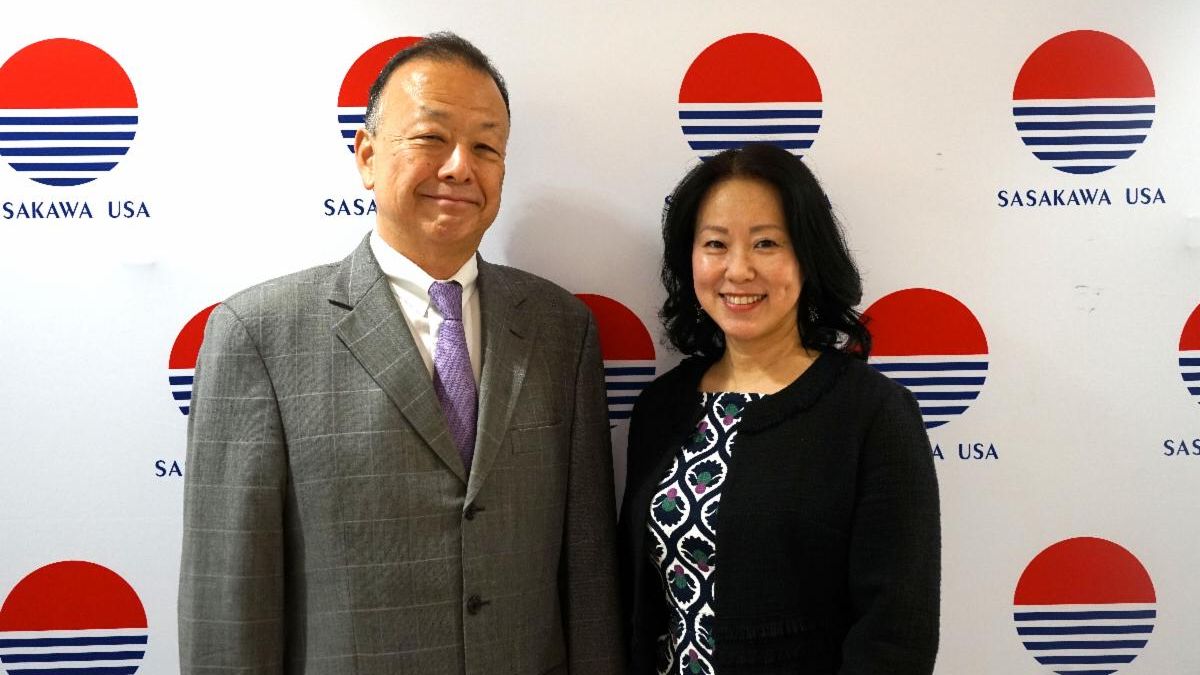
On July 10, Sasakawa USA hosted a Washington Kenkyu Group event featuring Ms. Yuri Unno, managing director of Penn Quarter Consulting, who has over 30 years of experience as a lobbyist representing Japanese companies in Washington, DC. This event offered a valuable opportunity to examine the key factors determining the success of lobbying efforts, allowing audience members to gain insights from Ms. Unno's deep expertise. Ms. Unno’s presentation was followed by a Q&A session moderated by Dr. Satohiro Akimoto, chairman and president of Sasakawa USA, which touched upon a variety of topics including striking the right balance of engaging Congress and the administration, using industry associations to speak with a collective voice, and the importance of conducting outreach on a state and local level.
Photo (left to right): Dr. Satohiro Akimoto and Ms. Yuri Unno
| | |
Soft Power Series: Sake Diplomacy:
Lessons for Japanese Soft Power
| | |
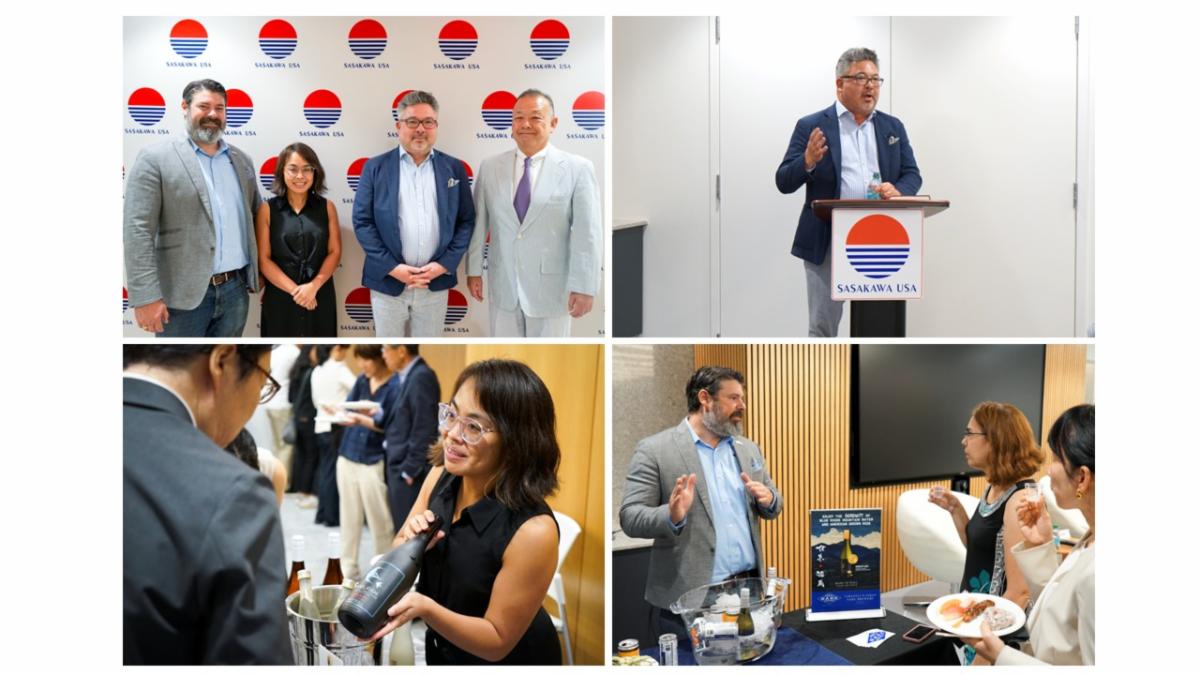
On July 21, Sasakawa USA hosted a Soft Power Series event titled “Sake Diplomacy: Lessons for Japanese Soft Power.” The event featured Mr. Weston Konishi, president of the Sake Brewers Association of North America; Mr. Andrew Centofante, founder and head brewer of North American Sake Brewery; and Ms. Louie Anne Batac-Nguyen, founder of Capital Sake. The discussion was moderated by Dr. Satohiro Akimoto, chairman and president of Sasakawa USA.
Mr. Konishi focused his remarks on sake’s potential as a Japanese soft power asset. He emphasized that greater familiarity with sake can deepen public interest in Japanese culture and strengthen positive perceptions of Japan in North America. He also noted that Japan is currently benefiting from strong international interest in its culture, products, and tourism. However, he explained that sake remains relatively unfamiliar to many North American consumers and is often associated only with sushi or Japanese cuisine. Expanding awareness of sake’s history, craftsmanship, and versatility he argued, can therefore create new opportunities for cultural engagement.
The event concluded with remarks from Mr. Centofante and Ms. Batac-Nguyen, followed by a sake tasting that allowed participants to engage directly with the speakers and the sake, some of which were brewed at Mr. Centofante’s brewery in Northern Virginia.
Photos (top row, left to right):
- Mr. Andrew Centofante, Ms. Louie Anne Batac-Nguyen, Mr. Weston Konishi, and Dr. Satohiro Akimoto
- Mr. Konishi delivers remarks on sake diplomacy
Photos (bottom row, left to right)
- Ms. Batac-Nguyen serves sake and provides a guided tasting
- Mr. Centofante serves and speaks about the sake brewed at the North American Sake Brewery
| | Sasakawa USA Ice Cream Social | | |
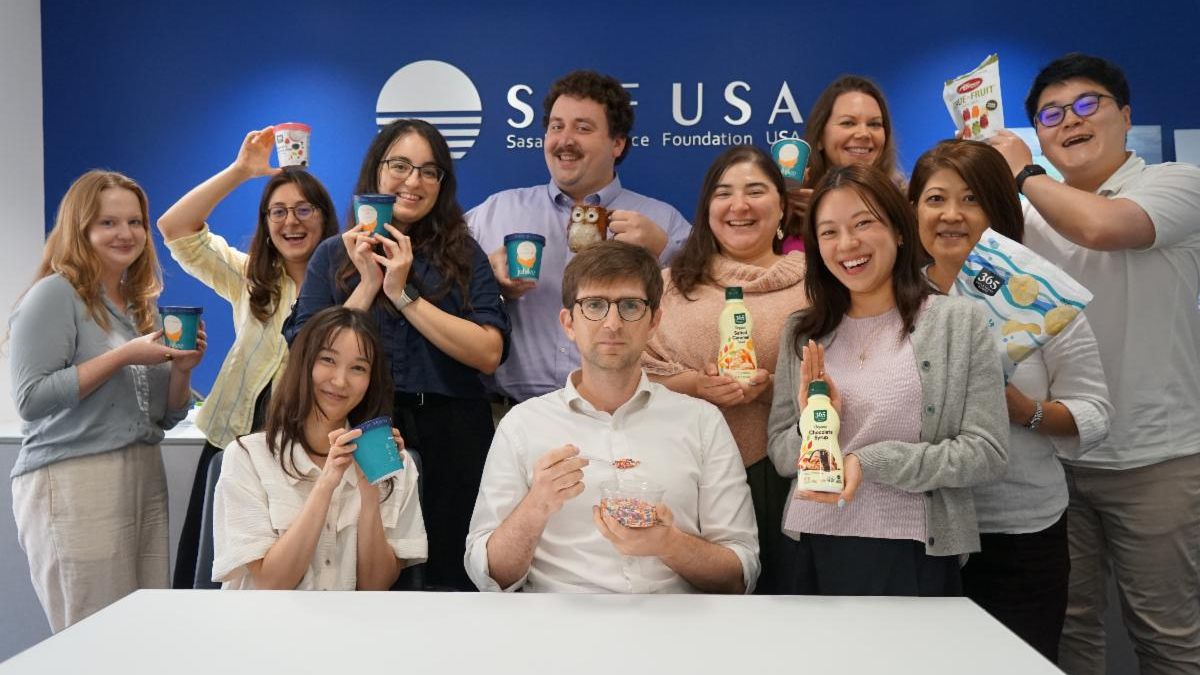
This month, the Sasakawa USA team came together for an ice cream social, a summer tradition and a chance to celebrate the hard work and dedication of our team. This also provided a wonderful opportunity to pause from our busy schedules and connect, especially with our new team members who have joined us this summer.
We are grateful for the spirit of collaboration that defines Sasakawa USA, and for moments like these that remind us of the value of coming together as a team to strengthen the bonds that make our work possible. With this renewed sense of camaraderie, we look forward to further advancing our mission of deepening the U.S.-Japan relationship in the months ahead!
Photo: Sasakawa USA staff at our ice cream social
| | US-Japan NEXT Alliance Initiative: AI Roundtable Summary | | |
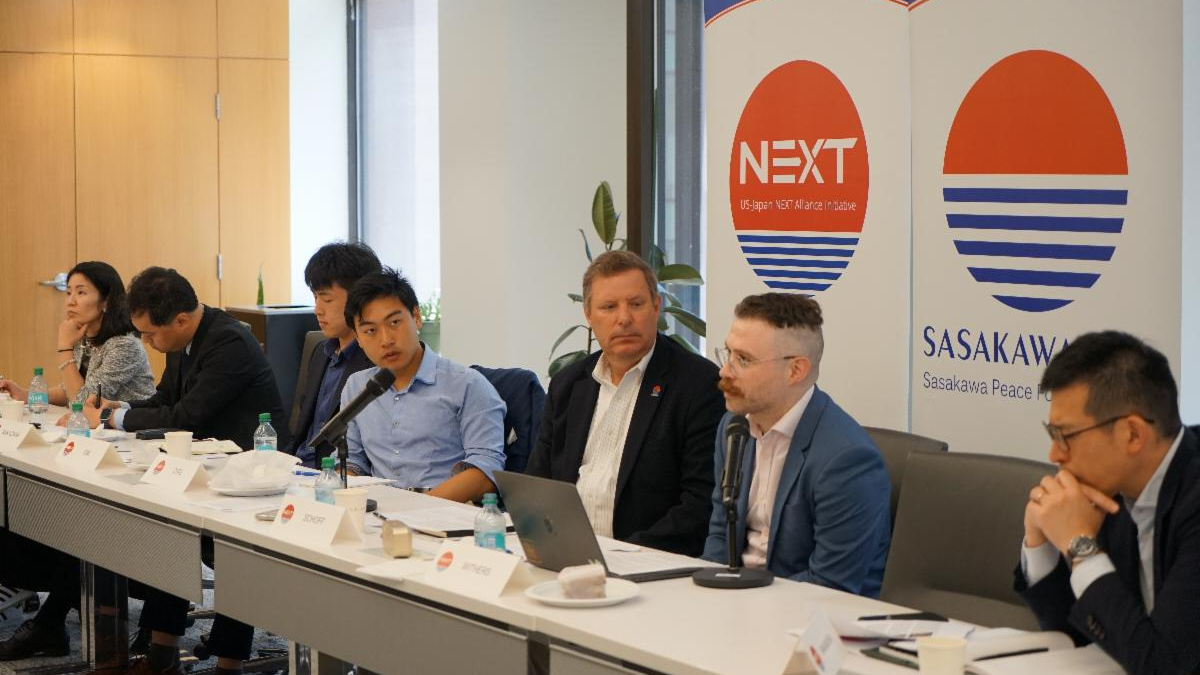
The US-Japan NEXT Alliance Initiative published a summary of its latest bilateral artificial intelligence (AI) dialogue, held on June 10 under the theme “Allied on AI Assurance: AI Alignment Challenges for U.S. and Japanese National Security.” The dialogue brought together approximately 25 American and Japanese specialists from government, research labs, think tanks, and the private sector. The summary recaps opening remarks by Mr. Caleb Withers, research associate in the Technology and National Security Program at the Center for a New American Security, and Dr. Amir Sadovnik, research lead for the Center for AI Security Research (CAISER) at Oak Ridge National Laboratory. The roundtable discussion, moderated by Mr. James Schoff, distinguished senior fellow (non-resident) of Sasakawa USA, covered key points in advancing U.S.-Japan approaches to assessing risk and building trust in AI systems. Major topics of discussion included the importance of government investment in evaluation capacity, realistic test beds, data provenance challenges, and the need for harmonizing evaluation standards among allies.
Photo: Roundtable participants discuss the future of U.S.-Japan AI cooperation at Sasakawa USA in June 2026
| | Updates to "An Overview of North Korea-Japan Relations" by Mr. James Schoff | | |
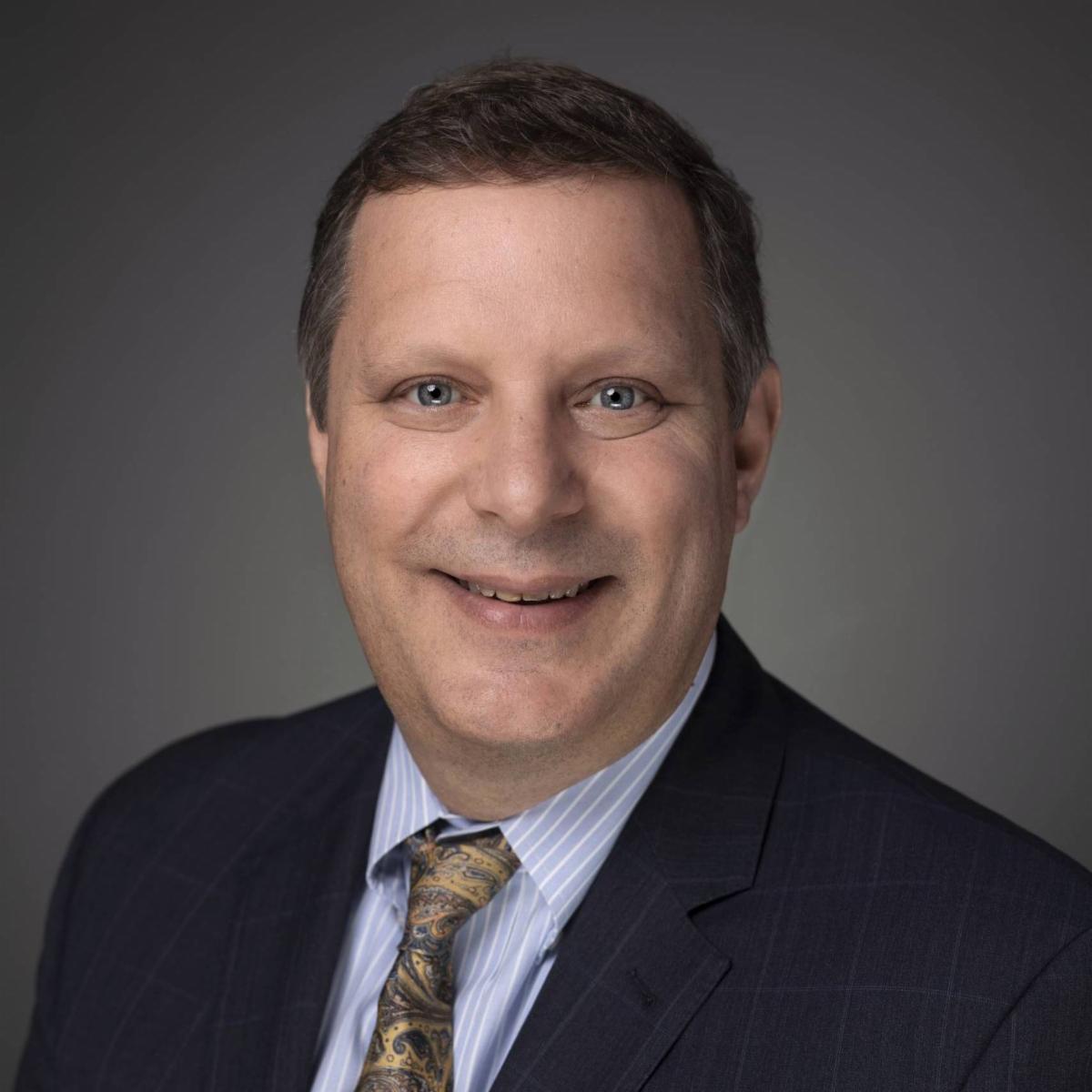
Sasakawa USA distinguished senior fellow (non-resident) Mr. James Schoff contributed updates to a 2022 report from the U.S. National Committee on North Korea (NCNK) focused on North Korea-Japan relations that NCNK published in July. Mr. Schoff reviewed and updated the full range of Japan's relations with North Korea including sporadic diplomatic engagement, new perspectives on the abductee issue, the weakening of North Korea-supporting Chosen Soren in Japan, economic sanctions and security dynamics. The latter saw the most significant change due to North Korea's mutual defense treaty with Russia, its dispatch of North Korean soldiers to fight with Russia against Ukraine, and its continued modernization of nuclear and missile capabilities.
Photo: Mr. James Schoff
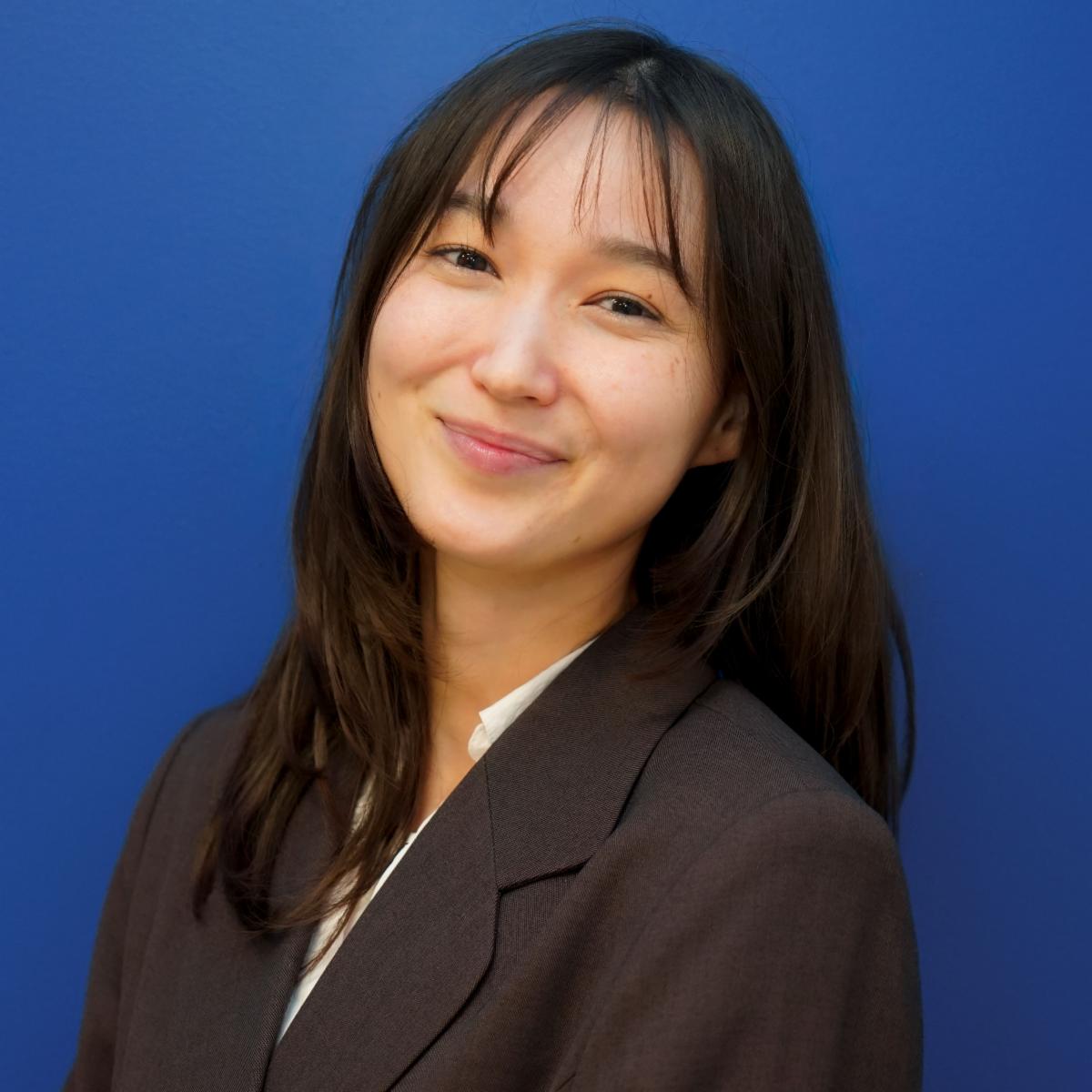
| | New Programs Team Member: Ms. Ema Coleman-Ichikawa | |
Ms. Ema Coleman-Ichikawa joined Sasakawa USA as an associate program officer in July 2026. She supports a range of programs at the organization, namely the U.S.-Japan Research Exchange and Security Symposium.
Prior to joining Sasakawa USA, she lived in Tokyo to pursue a master’s degree at Waseda University’s Graduate School of Asia-Pacific Studies. During her time in the program, she worked at Human Rights Watch as an advocacy and research intern in the Tokyo office, working on human rights issues in Japan. She studied abroad at Peking University’s Yenching Academy for a semester, and traveled to Bangkok to present her research on China’s Anti-Domestic Violence Law at the Asian University Alliance Conference.
Prior to her master’s degree, Ema served as a transitional housing specialist at Crisis Center for South Suburbia, providing case management for survivors of domestic violence. She also studied as a research student at the Chinese University of Hong Kong, focusing on international trade disputes, and worked at a nonprofit in Canada advocating for and researching the rights of Indigenous populations in the country.
Ema grew up splitting her time between Japan and the United States and studied in both languages. As a bilingual, bicultural individual, she joined Sasakawa USA as a continuation of her professional background in nonprofits, her studies on Japan, and her interest in further exploring the themes she has studied over the years in coursework on Japan and U.S.-Japan relations.
Ema holds a master’s degree in International Relations with a concentration in International Development from Waseda University’s Graduate School of Asia-Pacific Studies. She also holds a bachelor’s degree in East Asian Languages and Cultures from Indiana University.
Photo: Ms. Ema Coleman-Ichikawa
| | |
Sasakawa Peace Foundation USA
1819 L Street, NW, Suite 300
Washington, DC 20036
+1.202.296.6694
| | | | |