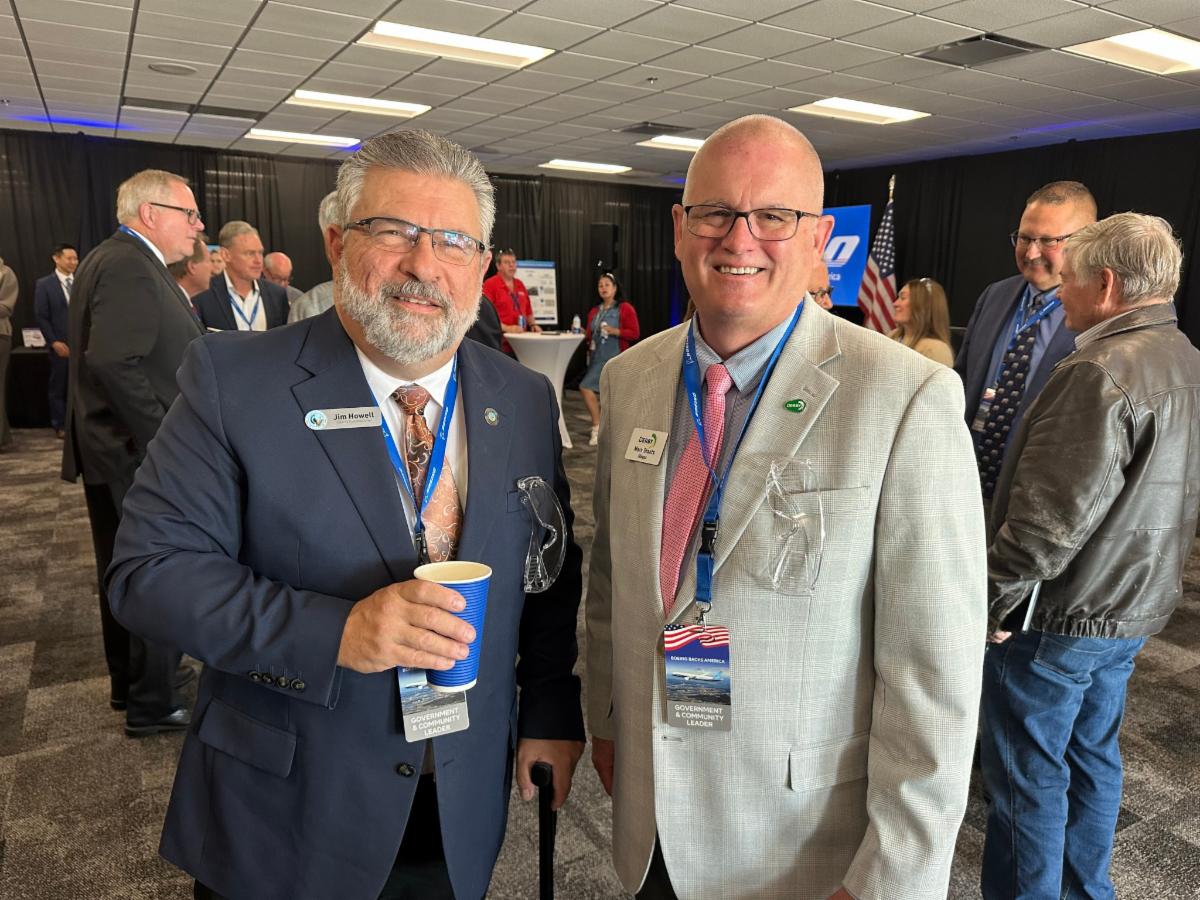
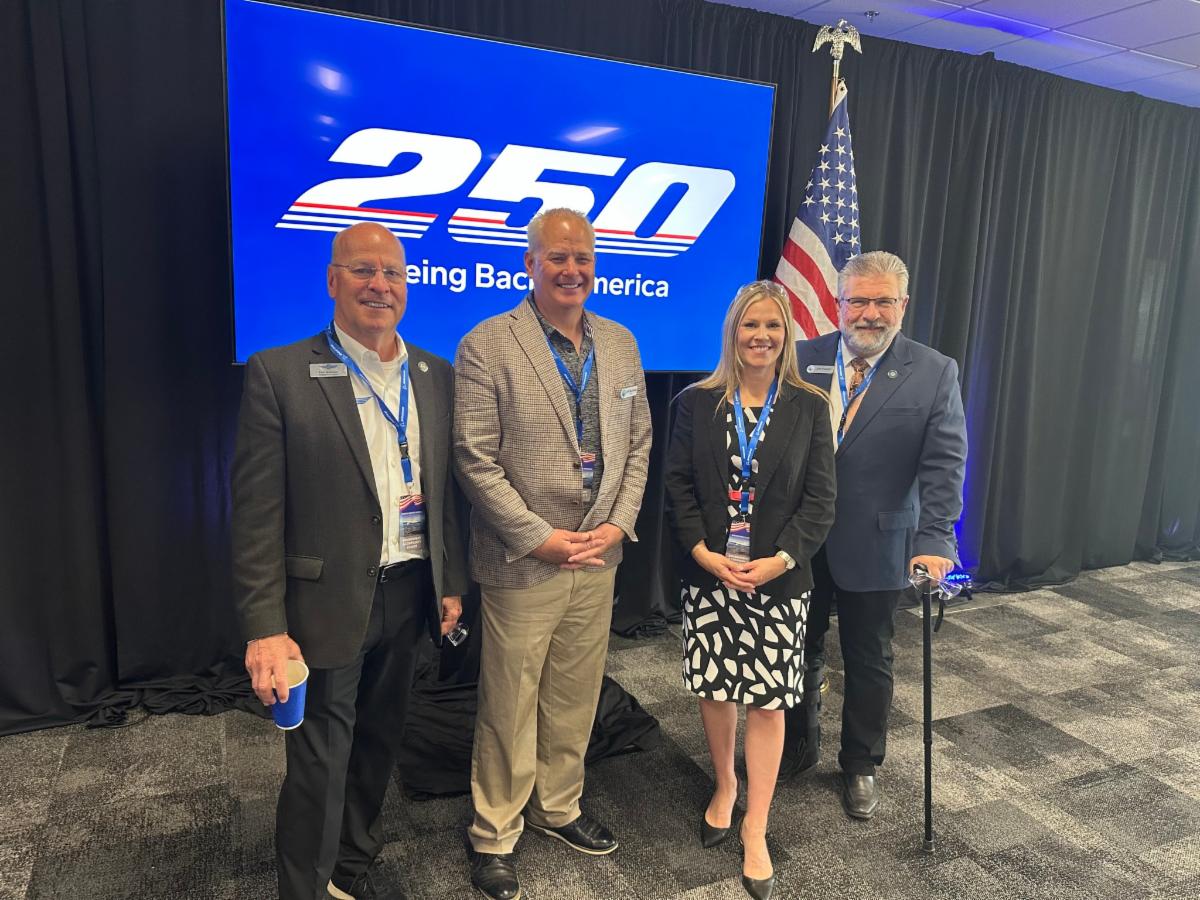
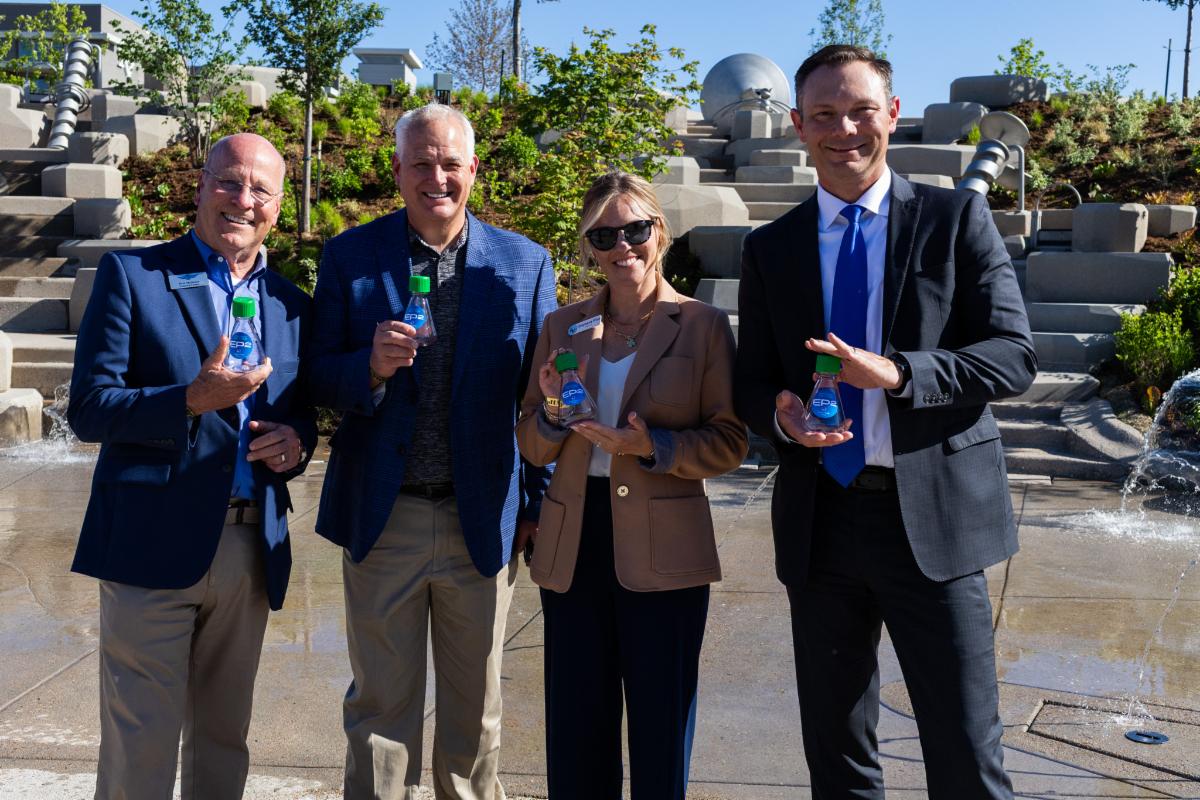
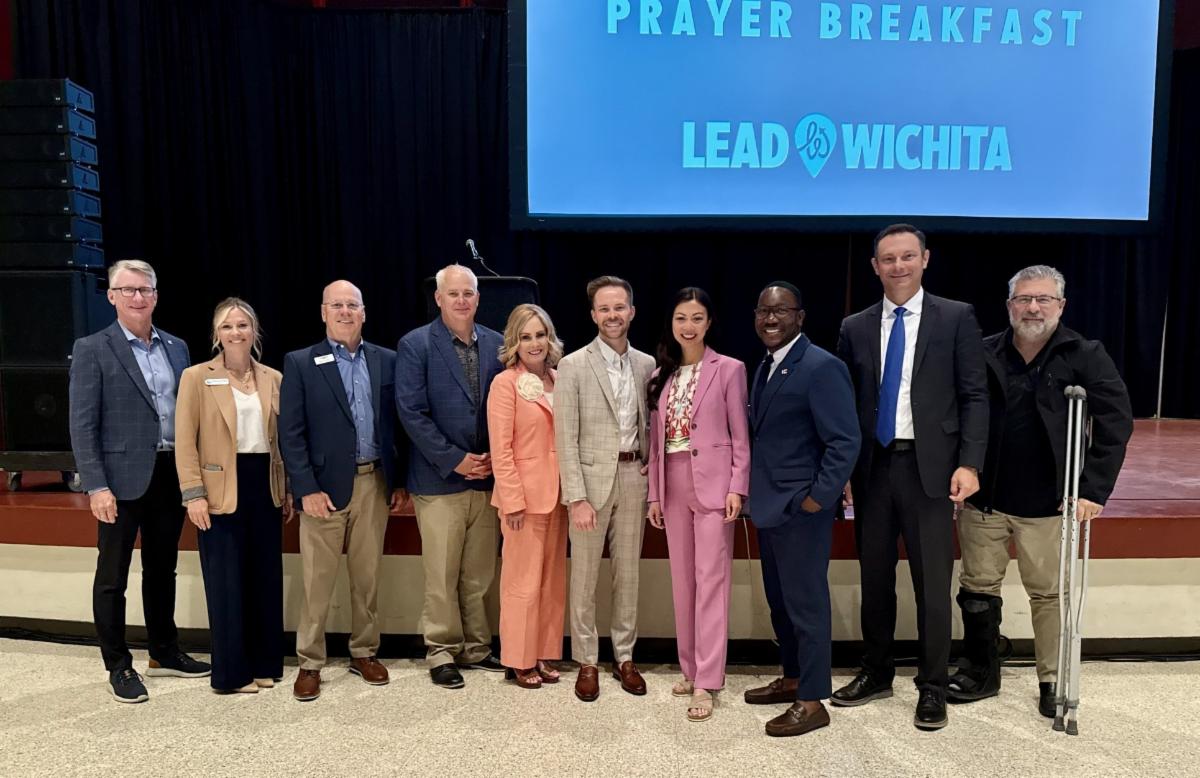
Notes from Commissioner Howell:
The State’s Role in Rising Property Taxes
| |
One of the biggest myths in Kansas politics is that high property taxes are simply the result of reckless local government spending. That is an easy talking point, but it ignores the full history of how we got here.
For decades, the State of Kansas had programs specifically designed to reduce reliance on property taxes at the local level. Two of the most significant were LAVTR (Local Ad Valorem Tax Reduction) and City/County Revenue Sharing. These were not “extra state funding.” They were replacement revenues.
Local governments gave up certain locally generated taxes—cigarette taxes, cereal malt beverage taxes, liquor enforcement taxes, and other local revenue sources. In exchange, the state collected sales tax and returned a share to cities and counties with the explicit purpose of reducing property tax pressure. That was the agreement.
LAVTR returned 3.63% of state sales tax collections. City/County Revenue Sharing returned another 2.823%. The purpose was straightforward: property tax relief.
But beginning in the early 2000s, the Legislature gradually stopped fully funding these programs. Local governments lost the replacement revenue, but they did not regain the local taxing authority they had given up. The state centralized the revenue, kept the money, and left local taxpayers holding the bill.
In Sedgwick County alone, the long-term impact is substantial:
• LAVTR defunded since 2002: $77.4 million in property tax reduction was lost since 2008. (LAVTR is a fully repealed law now.)
• City/County Revenue Sharing defunded in 2001: $48.6 million in property tax reduction was lost since 2008. (CCRS is a fully repealed law now.)
• Machinery & Equipment Personal Property Tax Exemption without full replacement funding: $75.7 million lost revenue since 2008 due to new state exemptions.
• Mortgage Registration Fees phased out starting in 2015 by legislative action: $443.6 million in lost revenue since 2015.
After accounting for replacement per-page filing fees and related revenue streams (approximately $110.3 million), the net loss still approaches $535 million. That is over half a billion dollars removed from local government funding capacity over time.
| | |
At the same time, the state continues to impose mandates on counties. In Sedgwick County alone, there are 16 major state-mandated program areas. Since 2008, the cost of providing those services has increased 38.8%, while state support has declined by 2.4%. So, the state requires more, pays less, and then points at local government when property taxes rise.
That brings us to recent reforms like Senate Bill 13 (2019), which created the Revenue Neutral Rate (RNR) notification requirement. The intent was transparency: if a local governing body proposes a budget that increases property tax revenue, taxpayers must be notified in advance so they can attend a public hearing and weigh in. In principle, that is a reasonable expectation for accountability and public participation, but there is a glaring inconsistency: this requirement applies to every taxing entity in the state - counties, cities, school districts and special districts - except the Kansas Legislature itself. That raises a legitimate question of fairness and consistency in accountability. The same governing body that imposes the rule on others does not operate under an equivalent transparency trigger for its own budget decisions.
Another structural issue is how state school finance is funded. Kansas statutes establish roughly a 20-mill statewide property tax levy (through the statewide school finance structure) to fund base state aid and other education obligations. This levy is not subject to the same kind of annual “revenue neutral” throttling or local accountability process applied elsewhere.
Instead, as property valuations rise, revenue automatically increases - often well above inflation—because assessed value growth is captured without a corresponding policy debate over whether the underlying funding level still matches actual need.
The result is a system where:
• Local governments must justify every increase publicly
• But major portions of state-directed property taxation grow automatically
• And past state revenue reductions to local governments are rarely discussed in the same conversation
| | |
Some argue that local governments must simply be more efficient. Reasonable people can always debate efficiency, but that explanation alone does not account for the structural loss of revenue streams, unfunded mandates and statutory funding mechanisms that automatically grow with valuation.
Local governments still must maintain roads, operate jails, run courts, conduct elections and provide emergency services. Those responsibilities did not shrink when state funding mechanisms changed.
The truth is this: Property taxes are higher today - not because counties suddenly became irresponsible, but because the State of Kansas systematically shifted funding responsibilities downward, reduced or eliminated long-standing local revenue-sharing agreements, and then layered new requirements and mandates on top of a shrinking fiscal base. Blaming county commissioners or other local elected officials may be politically convenient, but it is not a complete explanation.
If Kansans want real property tax relief, we must be willing to have an honest conversation about the role of the state itself, not just the governments closest to the people. This leads to an important principle that often gets overlooked in the debate: I believe we must continue to pursue efficiencies and eliminate spending that is not essential. Government should always be accountable, and every dollar should be scrutinized. But ultimately, the authority in this discussion rests with the taxpayer. The people of Sedgwick County are at the top of the organizational chart. Local government exists to serve them, and the only way we provide services is through the careful and responsible use of their property tax dollars. We must be honest about what that means.
| | |
You cannot cut taxes without either cutting spending or reducing services. Those are two sides of the same coin. When spending is reduced, services are impacted. When services are expanded or maintained, funding must follow. The danger of state-level “one-size-fits-all” tax decisions is that they can effectively force cuts without regard to local priorities. When that happens, it's not just numbers on a spreadsheet - it can mean fewer services, longer response times, deferred maintenance or reduced capacity in areas people depend on.
The real question is not simply - “Do we want lower taxes?” The real question is - "Who should make those tradeoffs?" Would you rather have those decisions made in Topeka, far removed from your community, or by your local elected officials - people you know, can speak to, and hold directly accountable - so that tax levels and service levels can be balanced in a way that reflects local priorities? That is the real debate we should have.
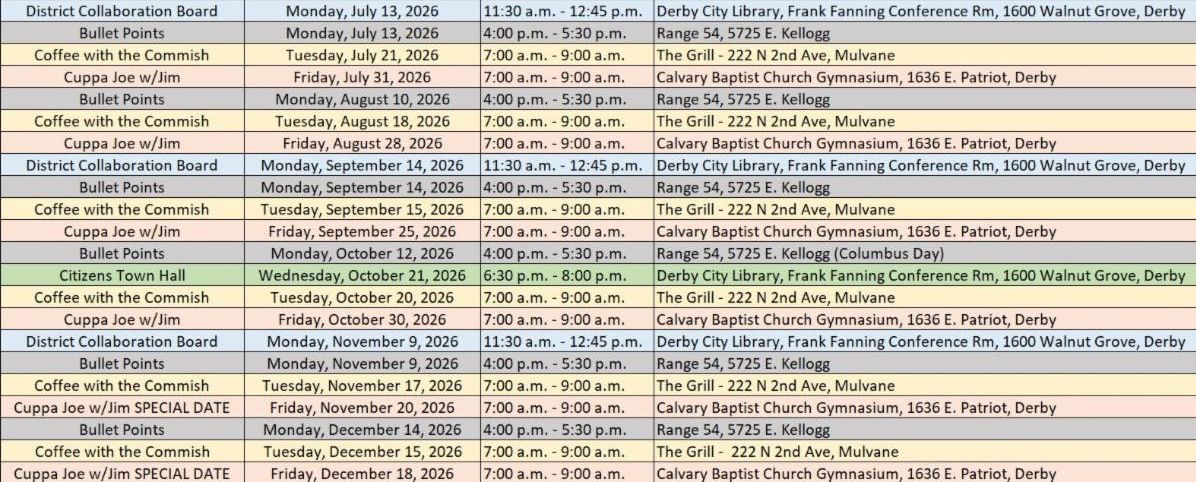
| | The views expressed by Commissioner Jim Howell in this newsletter do not necessarily represent the governing body of the Sedgwick County Board of County Commissioners or Sedgwick County Government. | | Upcoming events with Commissioner Howell: | | |
Come and go informal discussion on Sedgwick County issues with Commissioner Howell. Coffee & soda provided.
- Monday, June 8, 4-5:30 p.m.
- Range 54, 5725 E. Kellogg Dr., Wichita, 67218
| | |
Come and go informal discussion on Sedgwick County issues with Commissioner Howell. Coffee & soda provided.
- Tuesday, June 16, 7-9 a.m.
- The Grill, 222 N. 2nd Ave.,
Mulvane, 67110
| | | | |
Come and go informal discussion on Sedgwick County issues with Commissioner Howell. Coffee provided.
- Friday, June 26, 7-9 a.m.
- Calvary Baptist Church, Gymnasium. Enter at the glass doors on east side at 1636 E. Patriot, Derby 67037
| | Deadline nears to complete the 2027 Budget Simulator | | |
Sedgwick County residents have until June 7 to try their hand at balancing the County’s 2027 budget and share what matters most to them. The interactive Budget Simulator gives citizens a hands-on look at how property tax-supported funds are allocated and the difficult choices that come with balancing public needs and limited resources.
Using the online simulator, residents can choose whether to increase, decrease or maintain funding levels for County departments and services. Each option includes real-world explanations showing how those decisions could impact areas like public safety, health services, roads and infrastructure.
The simulator is part of Sedgwick County’s ongoing commitment to transparency and public engagement. The feedback collected will help influence development of the County’s 2027 budget.
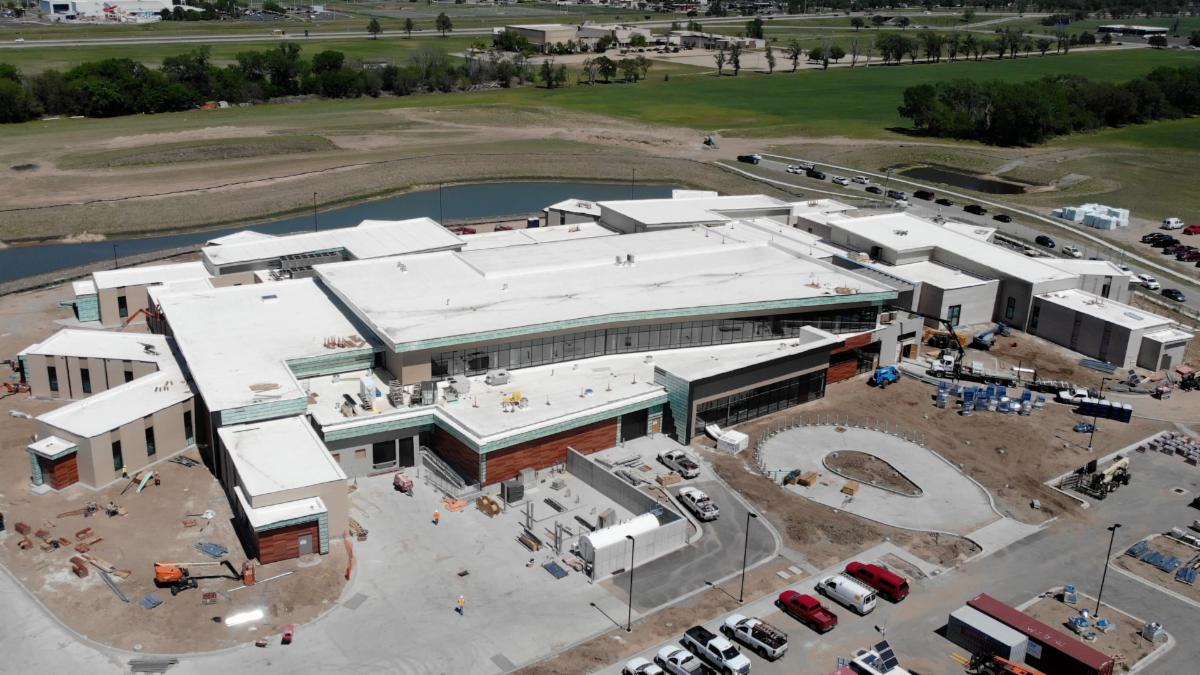
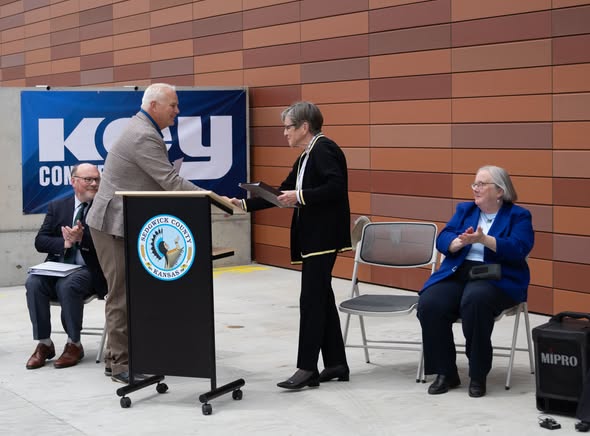
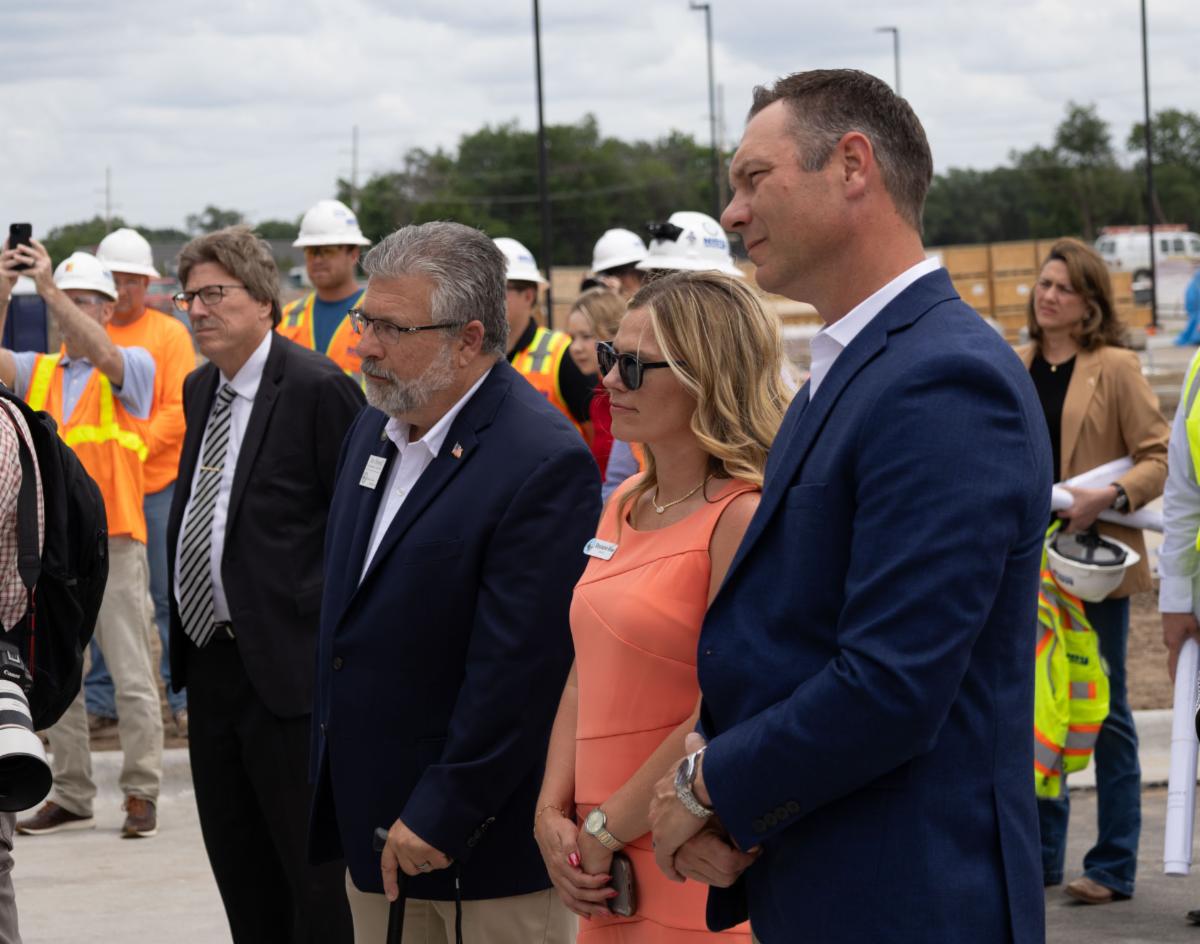
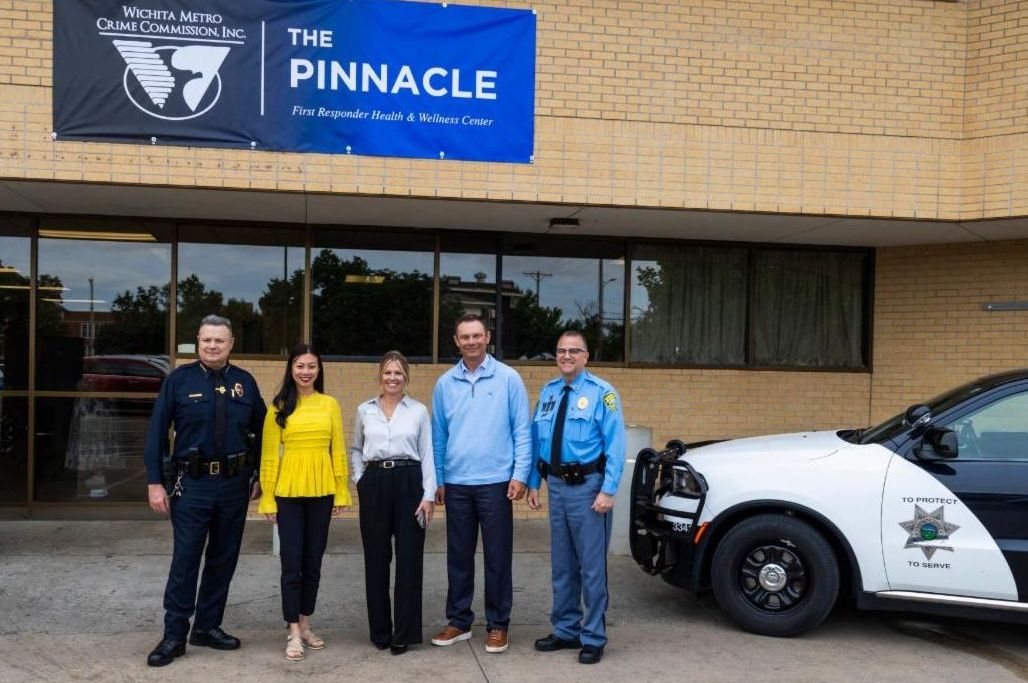
| | Construction of Mental Health Hospital moving ahead | | Local and state leaders, including Kansas Governor Laura Kelly, saw firsthand yesterday how the new South Central Regional Mental Health Hospital is taking shape. Construction on the 104-bed facility began one year ago in April at Meridian and MacArthur Road in south Wichita. | | Governor Kelly toured the hospital, along with Kansas Department of Aging & Disabilities Services (KDADS) leadership and Sedgwick County Commissioners. The state-of-the-art facility is expected to open in January 2027 and will provide inpatient psychiatric care and court-ordered competency evaluations. | | Future home of First Responder Health & Wellness Center | | City and county leaders joined the Wichita Metro Crime Commission (WMCC) last week to get their first look at the downtown building that will eventually become The Pinnacle First Responder Health & Wellness Center. | | |
The project is privately funded and will convert a former church building at 3rd and Broadway into a dedicated facility serving public safety personnel from both the City of Wichita and Sedgwick County. First responders, including law enforcement officers, firefighters, emergency medical personnel, emergency communications workforce, district attorneys, forensic science investigators and community corrections professionals, routinely face high-stress situations and potentially traumatic events. The health and wellness center is intended to improve access to mental and physical health services while increasing participation among public safety employees.
Sedgwick County and the City of Wichita will each pay 50% of the center's operating expenses, not to exceed $94,000 per year, with additional expenses covered by the WMCC. The County will act as the facility manager.
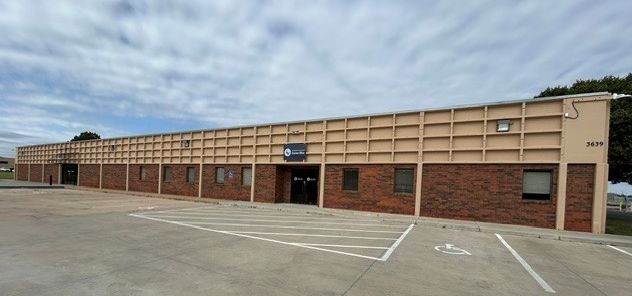
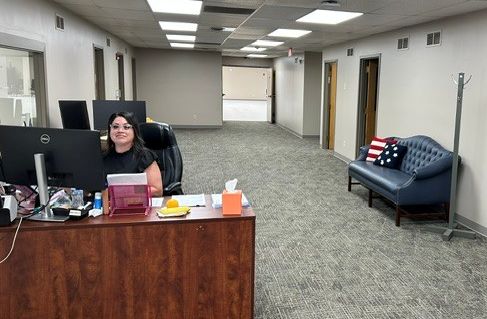
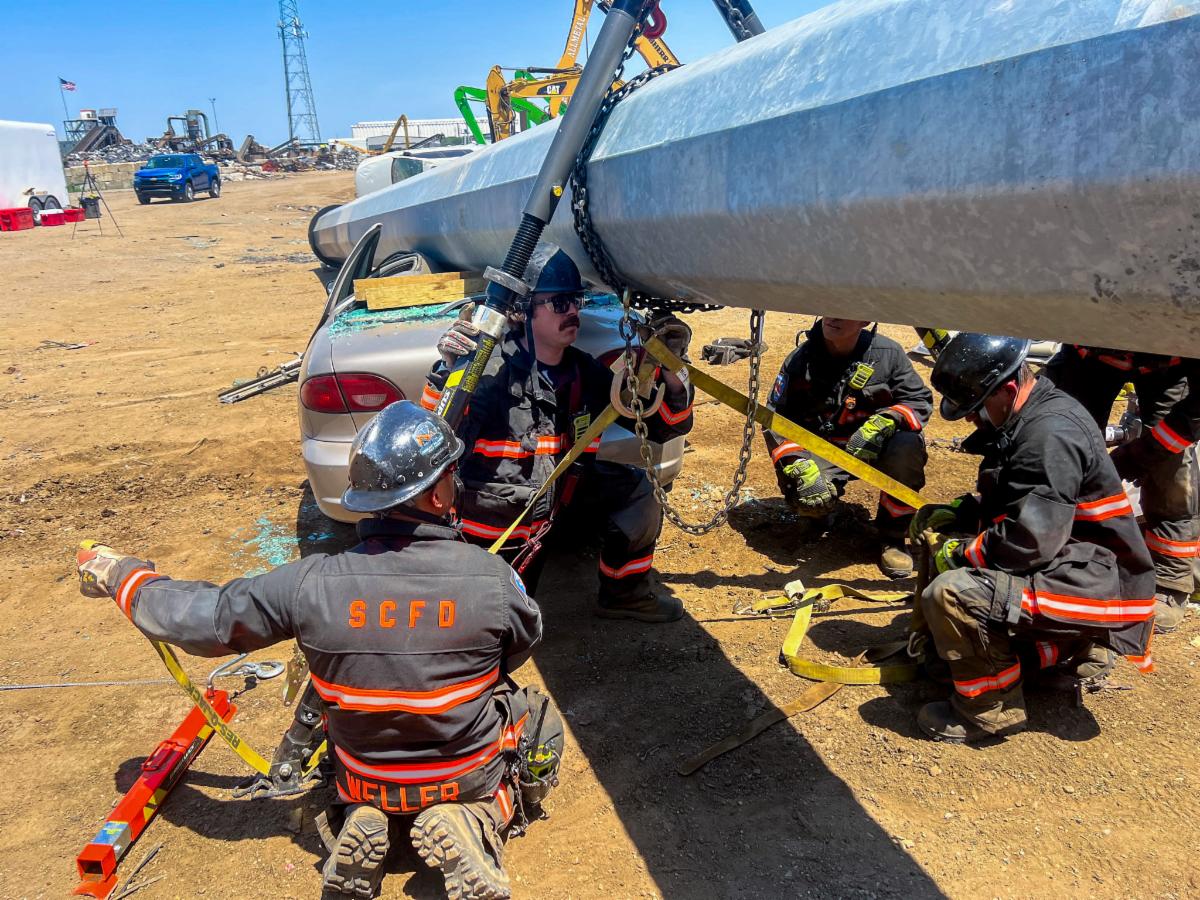
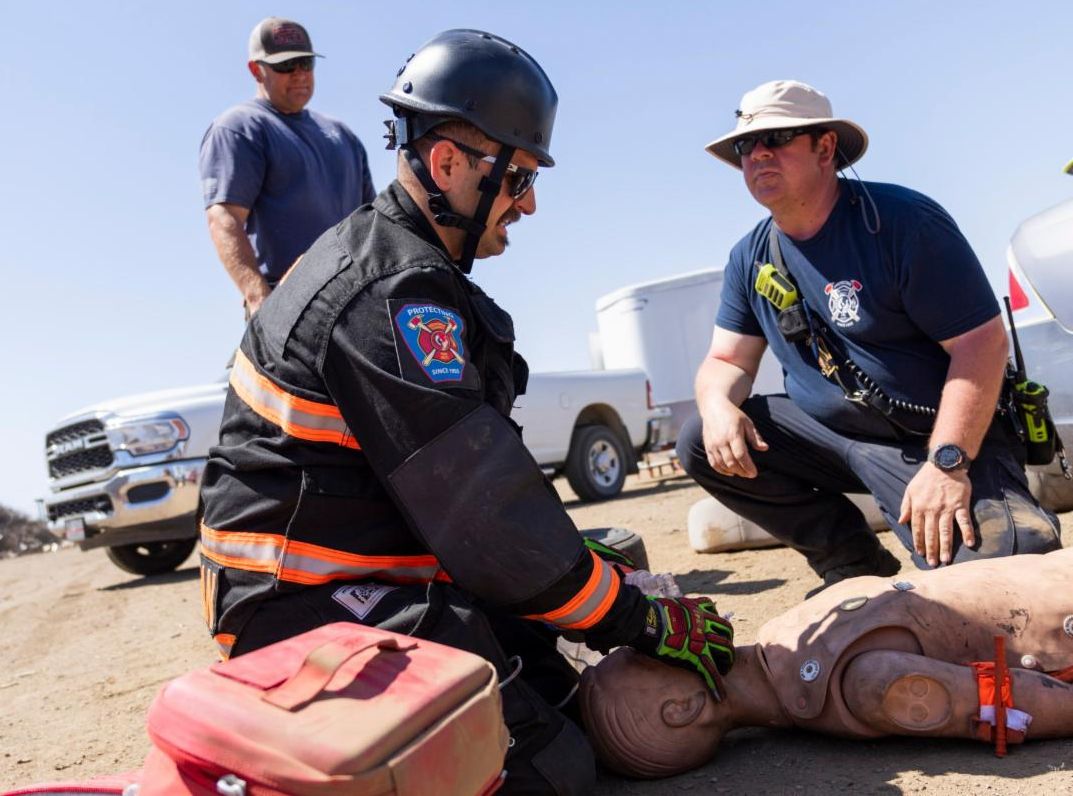
| | Election Office moves into new location | | The Sedgwick County Election Office is now operating out of its new home at 3639 N. Comotara St. Staff moved from the Historic Courthouse into a remodeled building that provides more office space, meeting and training rooms, equipment staging and warehouse storage, creating more efficiency and centralizing operations. The new Election Office will continue to serve as an early in-person voting site, complete with more than 100 parking spaces and Wichita Transit bus stops nearby. | | Election security and transparency were priorities of the Phase I remodel, including increased badge access control, internal and external cameras and public-facing windows to allow for viewing of ballot tabulation and sorting. Phase II of the Election Office remodel will be complete by late November and will relocate the voting equipment to the same facility, bringing all staff and equipment under one roof. | | Fire training highlights rescue readiness amid policy changes | | For one full week in May, the Sedgwick County Fire District Training Division and Medical Division teamed up for department-wide extrication training. More than 140 SCFD1 members rotated through multiple medical and hands-on extrication scenarios to practice using the tools and techniques needed in emergency situations. The Technical Rescue Team receives additional specialized training and carries advanced equipment that goes beyond standard rescue operations. | | |
SCFD1's expertise figures prominently into a recent decision by Sedgwick County Commissioners to end mutual and automatic aid agreements with five cities that have not joined Fire District 1 - Cheney, Clearwater, Colwich, Mount Hope and Valley Center. In a letter sent to these communities May 8, commissioners cited two main reasons:
- SCFD1's highly trained crews are routinely placed in vulnerable and harmful situations when providing aid in cities or with departments that are understaffed. Operating at scenes with insufficient volunteer turnout, or without adequate incident command and safety officers, jeopardizes both firefighter and public safety.
- When SCFD1 responds to calls outside of the 30-plus services areas, Fire District 1 taxpayers who depend on those services are left without the assurance that timely service will be available to them. These residents pay for Fire District 1, which supplies 24/7 readiness, and they deserve that level of protection.
The mutual and automatic aid agreements will remain in effect for 90 days. This gives community and fire leaders ample time to decide whether to join Fire District 1 or to start making changes in their own staffing and quality control measures to meet minimum scene safety standards. Sedgwick County hopes to continue working together to provide safe communities for all residents.
| |
Sedgwick County names new COMCARE Executive Director | |
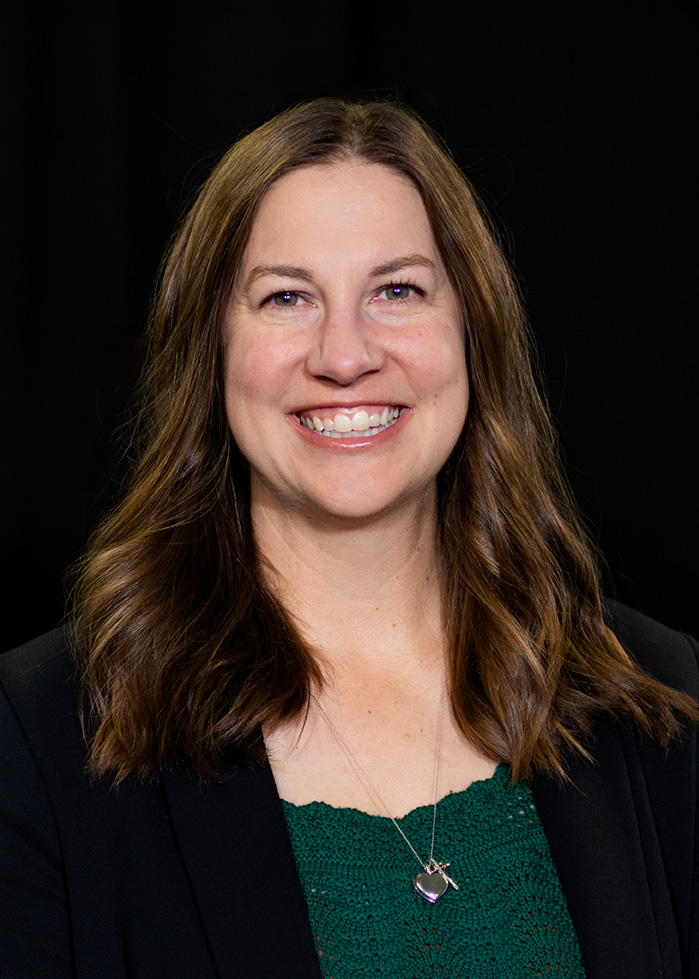
Michelle Calvert has been selected as the new Executive Director of COMCARE, effective June 7.
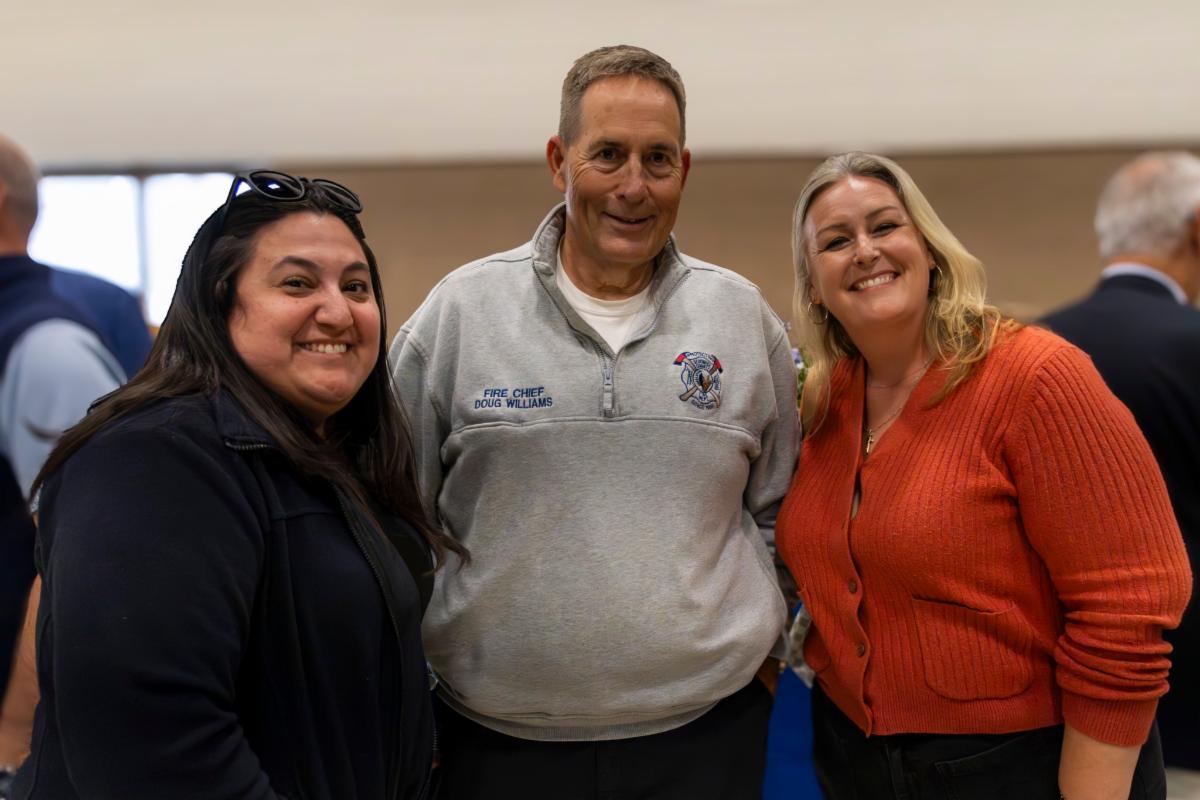
Michelle has 18 years of experience in behavioral health, having served in a variety of roles and progressive leadership positions. She has been with COMCARE since 2012. In her current role as Director of Quality and CCBHC, she has demonstrated a strong commitment to quality services and a strong vision for the future. Michelle holds a Master’s degree in Counseling Psychology and is currently completing her Master’s in Public Administration.
| | Police Week honors law enforcement, past and present | | |
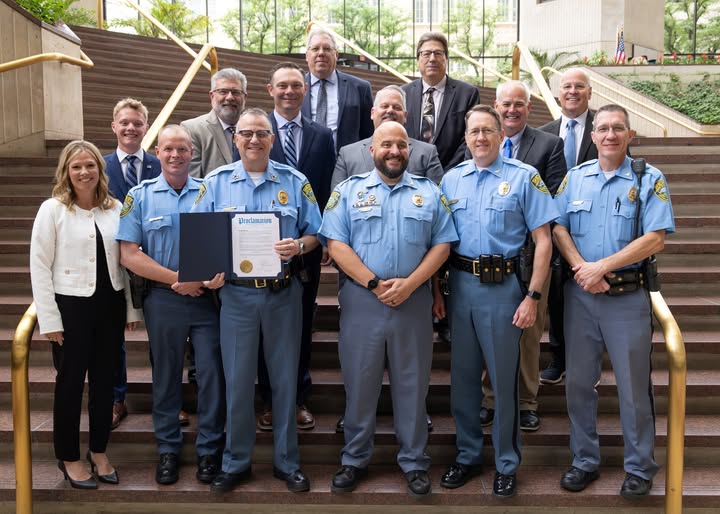
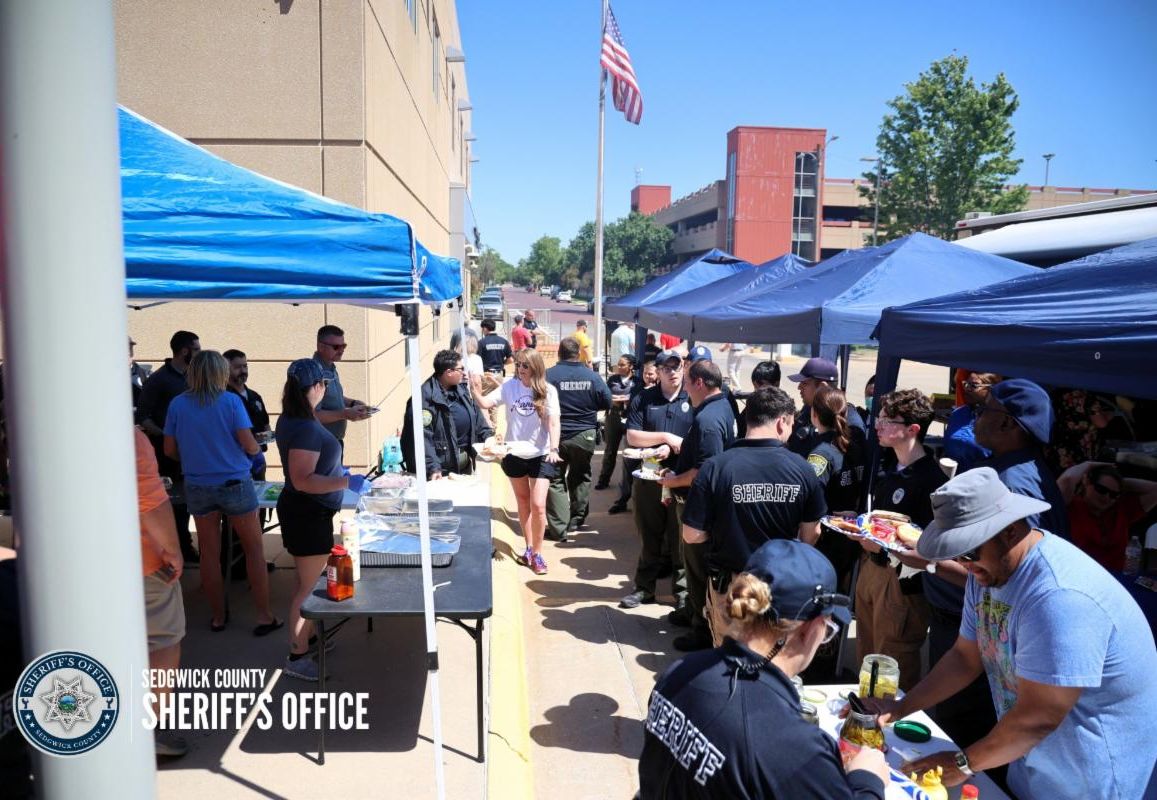
Law enforcement officers often put themselves in dangerous situations so we can live in safety, peace and order. To recognize their work, Sedgwick County Commissioners signed a proclamation declaring May 10-16, as Police Week. Sheriff Jeff Easter also continued the tradition of hosting the 14th Annual Sheriff's Office BBQ to show appreciation of his employees.
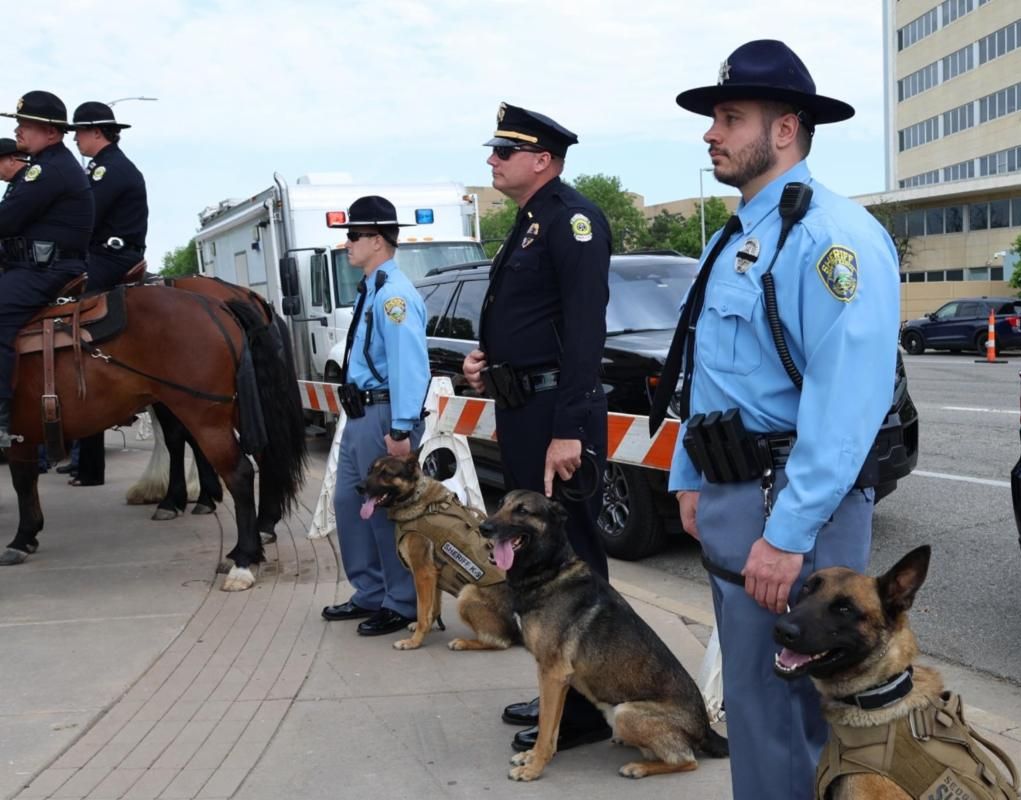
The Sheriff's Office also held the annual Law Enforcement Memorial Ceremony to pay tribute to those who lost their lives while serving and protecting their Kansas communities. May we never forget their courage and dedication.
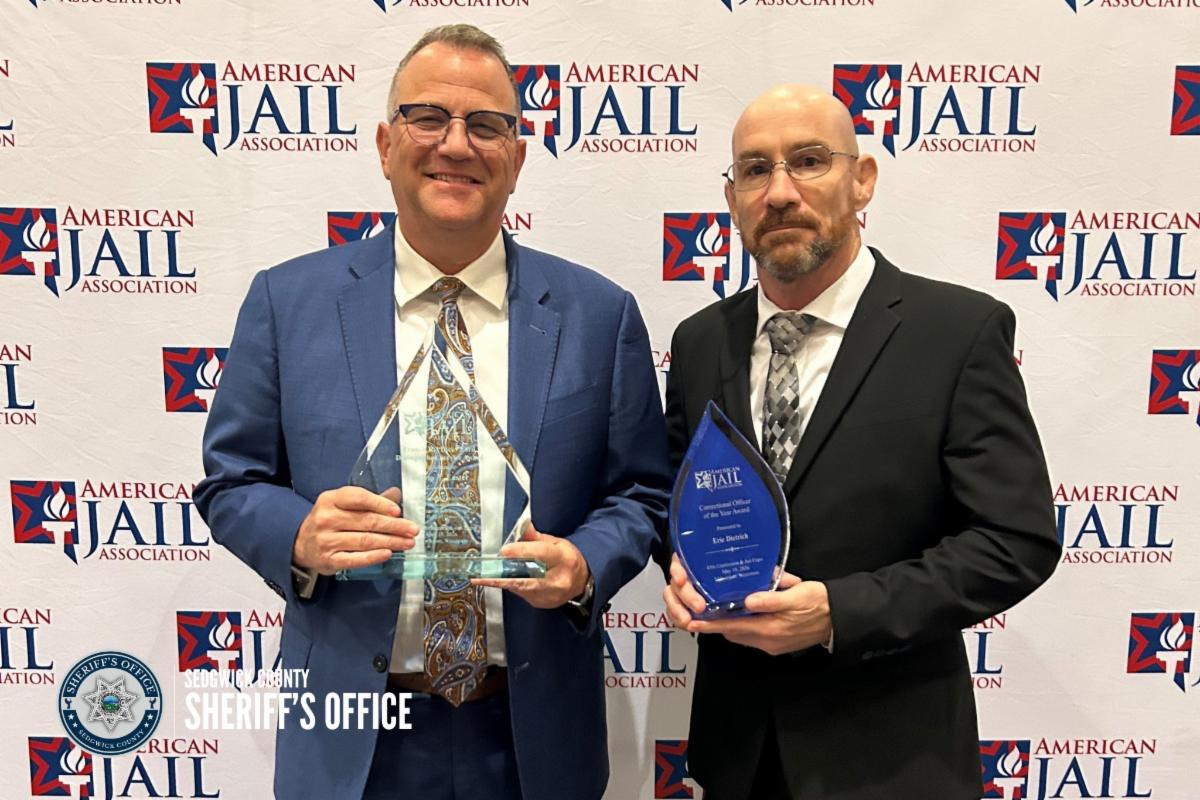
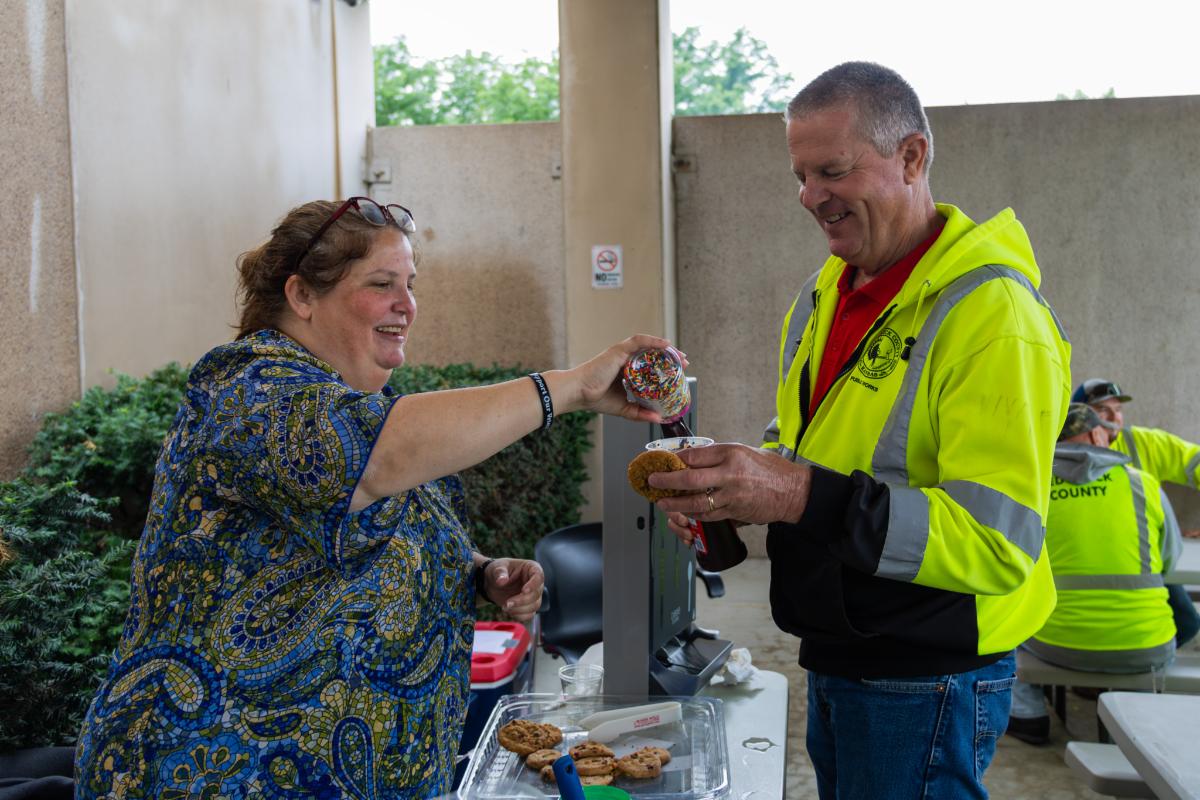
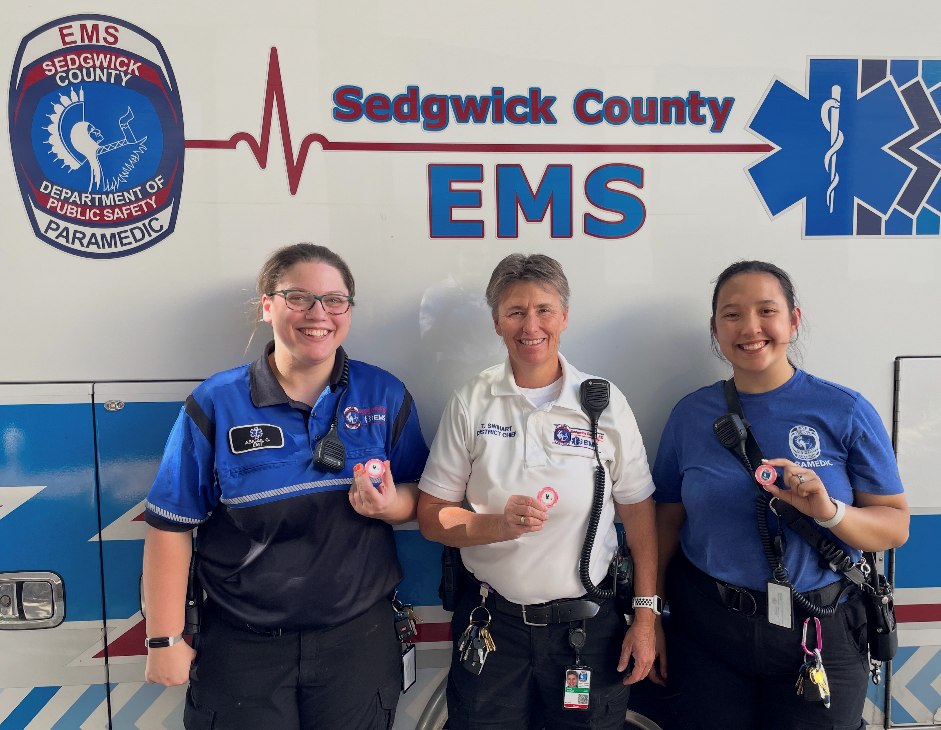
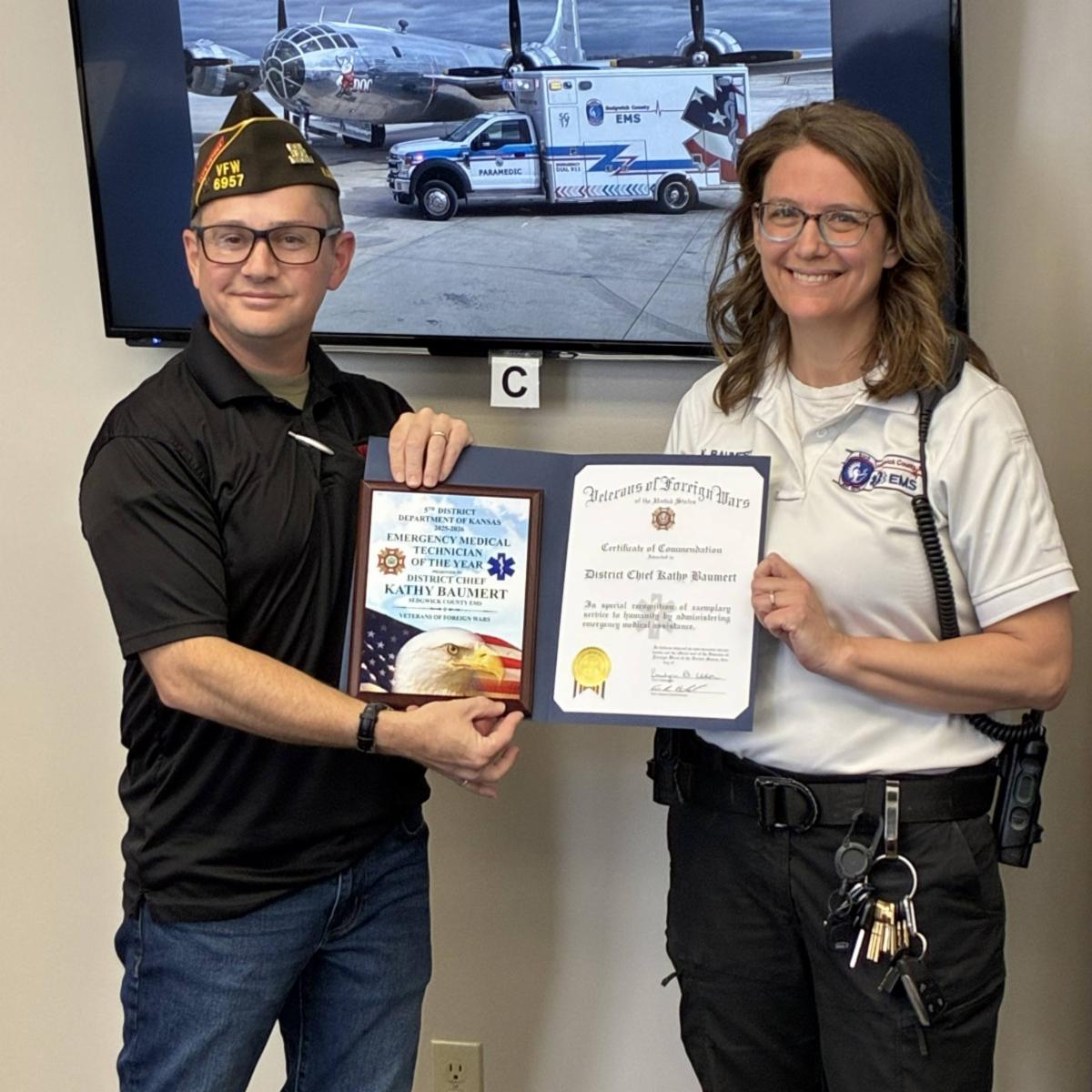
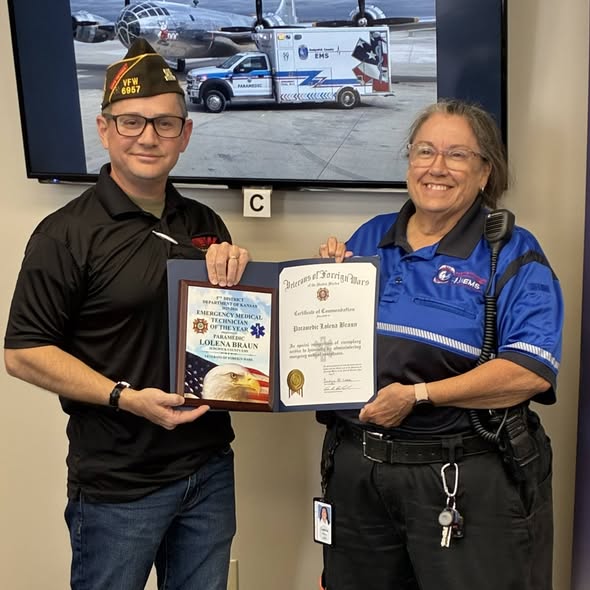
| | Sedgwick County also congratulates Sheriff Jeff Easter and Detention Deputy Eric Dietrich for receiving national honors during the 45th American Jail Association Conference & Jail Expo in Milwaukee. Dietrich was named the Correctional Officer of the Year for displaying dedication, bravery and outstanding service to their facility and community. Sheriff Easter received the Francis R. “Dick” Ford Distinguished Service Award for a lifetime of professional excellence and profound commitment to advancing local corrections and jail operations. | | Sedgwick County hosts national ATF event | | For the first time, the ATF held its recertification exercises in Sedgwick County for accelerant detection K-9s and their handlers from all across the country. The course simulates what arson investigators and K-9 handlers do on the job, searching vehicles and a home for accelerants like gas and lighter fluid. Watch the video to see Sedgwick County Fire District 1's K-9 Latitude at work and to hear why the ATF hopes to bring this important test back to Sedgwick County. | | Graduation day for new 911 call takers | | Emergency Communications is celebrating the graduation of several new 911 call takers! After completing an extensive 8-week course, these dedicated individuals are now going through on-site training before they answer calls on their own. 911 call takers are the initial first responders, giving hope and comfort to residents in an emergency. | | Celebrating Nationa Public Works Week | | Good food, great company and a well-deserved thank you! Sedgwick County Public Works celebrated National Public Works Week with an employee appreciation picnic to recognize the hardworking staff who help keep our community running every day. Watch the video to learn what they like most about their jobs! | | EMS crews earn recognition and awards | | Whether it’s saving lives at the scene of an accident or supporting families during disasters, Sedgwick County EMS is ready to help when minutes matter most. As part of National EMS Week from May 17-23, this video goes behind the scenes to show what a day in the life of an EMS crew is really like. | | May also brought several exciting accomplishments and recognitions for EMS. Two crews earned stork coins for helping local moms deliver healthy babies! Lt. Matt Kincaid and Paramedic Kory Lawrence recently assisted with a baby boy's safe arrival. Then, District Chief Tracy Swihart, Paramedic Angela Eckert and EMT Abigail Gibson helped deliver a healthy infant girl. | | The VFW honored District Chief Kathy Baumert, Lieutenant Israel Machado and Paramedic Lolena Braun as Emergency Medical Technicians of the Year for their work during a complex newborn resuscitation. Thanks to their quick thinking, skill and teamwork, the child was able to go home with almost no lasting effects. We’re proud of the lifesaving care our EMS teams provide every day! | | Now that students are out of school, kids will have plenty of time on their hands and can quickly start to feel bored, isolated and lonely, without the structure of class. Watch this COMCARE video to learn how to keep kids engaged and connected over the summer months. | | Mental health resources available through Corrections | | National Mental Health Awareness Month is observed every May to raise awareness, reduce stigma and promote mental wellness. Sedgwick County has many programs and services available to employees, residents and those in the justice system. Watch this video to learn how the Department of Corrections helps youth and adults in custody. | | Out and About with Commissioners | | Boeing is back in Sedgwick County! Commissioners met with company leadership and other elected officials to celebrate the news. Over the next three years, Boeing plans to invest $1 BILLION in the Wichita area. Sedgwick County is proud to have been a part of this mission since day one. | | Exploration Place held a ceremony marking the official completion of its EP2 Initiative, a $27 million outdoor expansion that includes the Adventure Playscape. | | Commissioners gathered with community members at the 2026 Wichita Prayer Breakfast to enjoy inspiring speakers, fellowship and reflection. | | Connect with Sedgwick County | | | | |