Village Gardener Express
Official Newsletter of Ebert's Greenhouse Village
Dividing and Transplanting Perennials

August 26th, 2022
Greetings!

Overcrowded, poor flowering and floppy perennials can be invigorated with a shovel and a bit of your time and energy. Dig and divide perennials to improve their overall appearance and create new plants to expand your gardens. Melinda Myers shares some valuable tips to get you started!
Dividing and Transplanting perennials
by Melinda Myers
 
Divide repeat blooming daylilies and thread leaf coreopsis every few years keeps these plants reblooming without deadheading. Regular dividing also increases the hardiness of Shasta daisies and other short-lived perennials. Dig, divide and transplant overgrown spring and summer flowering perennials now. The soil is warm, the air cooler, and the plants will have time to adjust to their new location before winter.

You may have been told to divide spring blooming perennials in fall, fall blooming perennials in spring, and summer blooming perennials in spring or fall. This is a good guideline but sometimes necessity and your schedule determine when you can divide perennials. Proper post-transplant care will give your plants the best chance of survival no matter when you divide them.

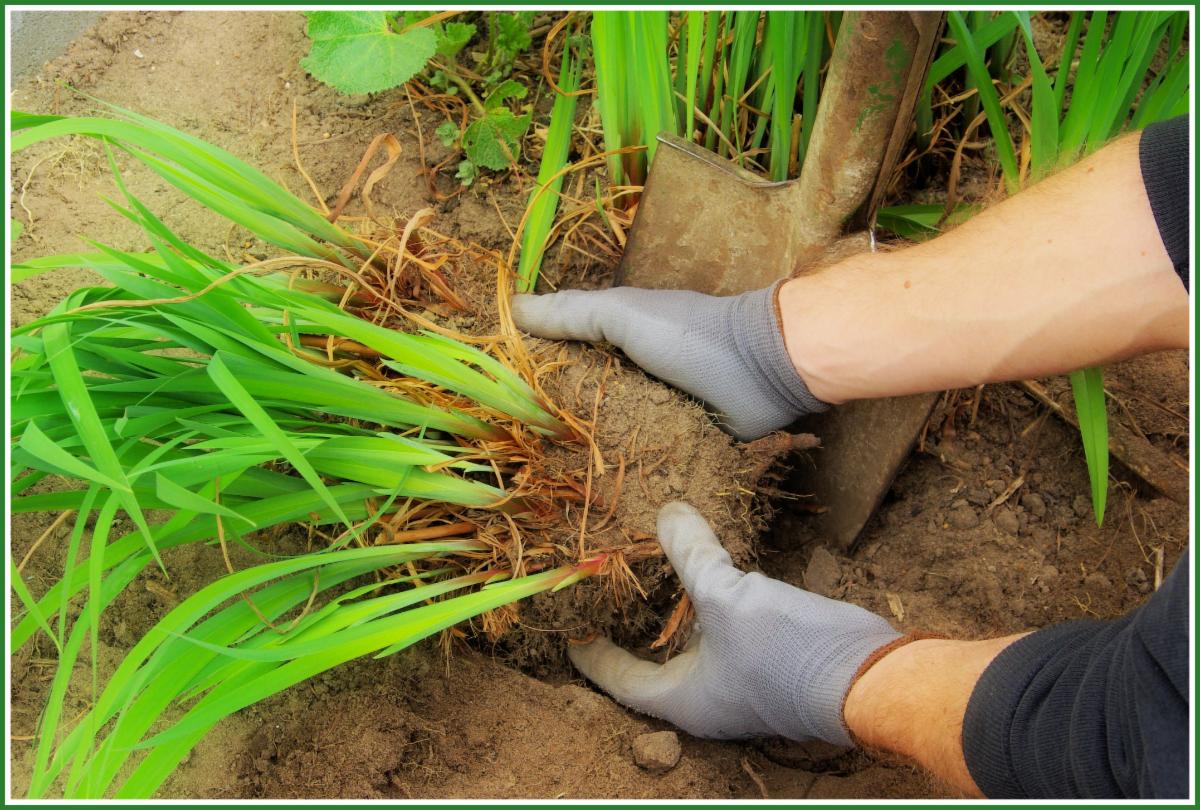
Use a sharp spade shovel or garden fork to dig up the plant. Cut the clump into 2, 4, or more pieces. Remove the dead center and add it to the compost pile. Some gardeners use two garden forks back-to-back to pry the clump apart. I prefer a sharp linoleum knife or drywall saw. Though some fleshy rooted plants like mature daylilies and willow Amsonia may require a hatchet, machete or reciprocating saw.

Try this trick when dividing large, hard-to-manage perennials. Use a sharp spade shovel and dig around the outer edge of the plant to be divided. Then use the spade, root saw, or another tool to slice through the root ball dividing the plant into four or eight sections. Now use the shovel to wedge the smaller pieces out of the ground. Or just dig small sections from the outer edge of the plant when the perennial is performing nicely, and you just want to start a new plant. You can plant one piece back in the original location after amending the soil with compost. Use other divisions to expand existing gardens or create new beds.

Prepare the soil for planting by incorporating compost or other organic matter into the soil. Plant the divisions at the same depth they were growing in the garden and water thoroughly. Continue to water throughout the remainder of the season to help the new plants develop a robust root system.
Regularly digging and dividing perennials when needed keeps your plants and gardens looking their best. 
Melinda's Choice of the Week  

'Bowle's Golden' Sedge Grass

Add some grass-like texture to those shady spots in the landscape with Bowle's Golden sedge. The narrow leaves of this sedge (Carex) provide welcome contrast to the bold leaves of hostas and combine nicely with other shade loving perennials. The chartreuse leaves are sure to brighten those shadier garden locations.

Plant Bowles Golden sedge in garden beds, en masse or use it as a focal point in container gardens. This sedge grows 2 -3 ft. or more tall and 2 to 3 feet wide. Grow it in full to part shade with moist rich soil. This perennial requires little care when planted in the right location and once established. Just cut it back to the ground in early spring before new growth appears.

The pollen alerts on weather apps and the news appear daily. A walk through your garden or around your neighborhood may reveal one of the main culprits, ragweed. It is the main cause of allergy and pollen asthma in North America and Central Europe. Common ragweed is an annual with ferny leaves that flowers in August and September. Giant ragweed has larger less dissected leaves and can reach heights of 8 feet.
Mowing and removal not only eliminates the pollen, but also the 30,000 to 62,000 seeds that each plant can produce. Removing one plant means thousands less to weed next season. 
If that isn’t enough to motivate you, keep in mind a single plant can release as much as one billion grains of pollen throughout one season. And that pollen can travel more than 400 miles. The more we control this pesky weed the better for us all.
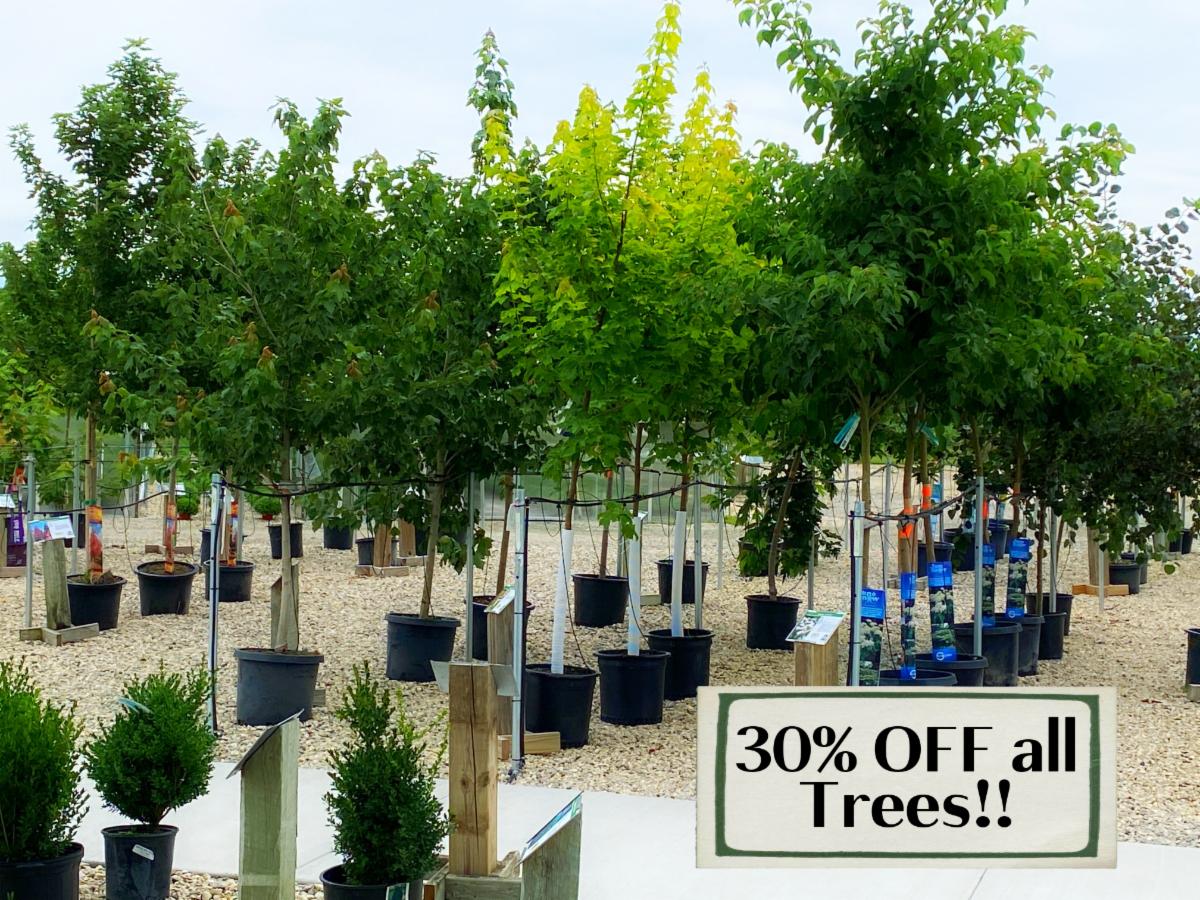
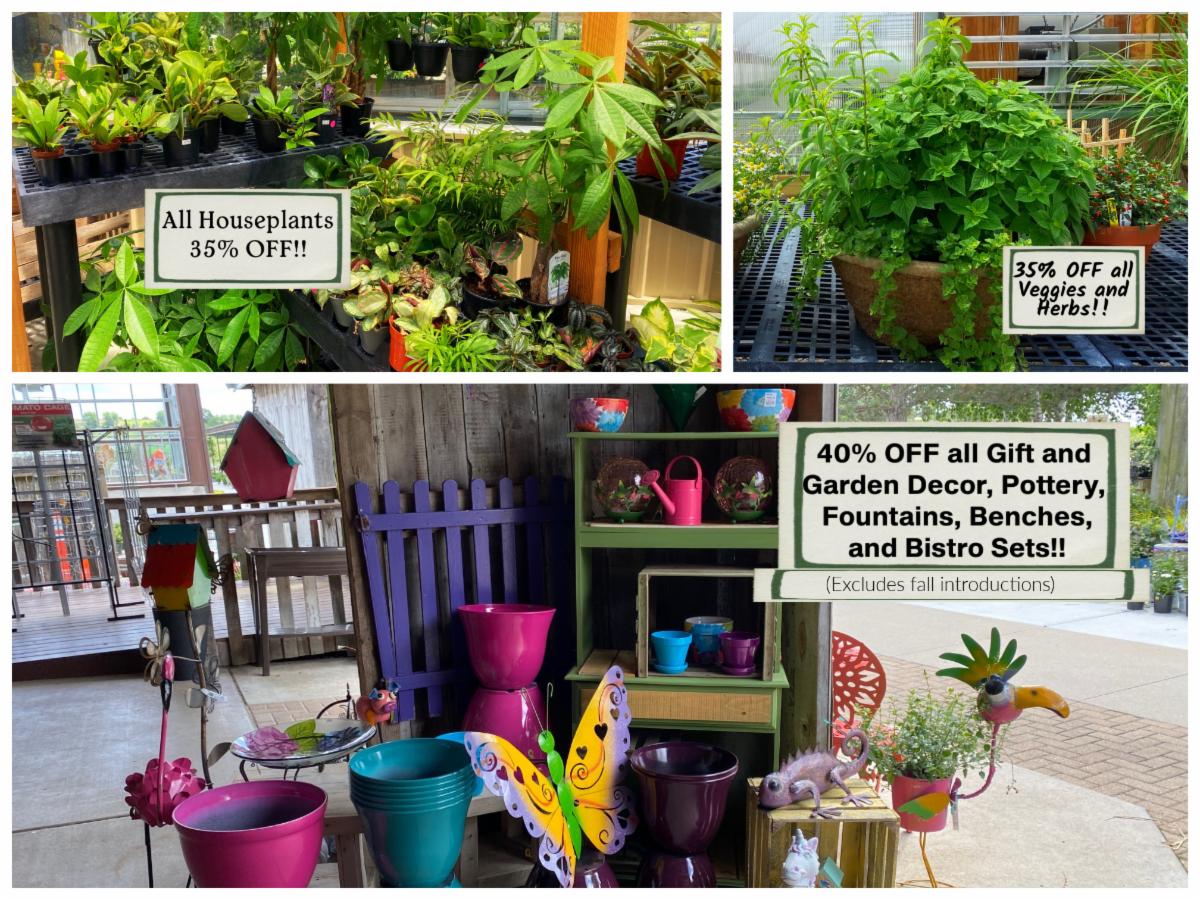
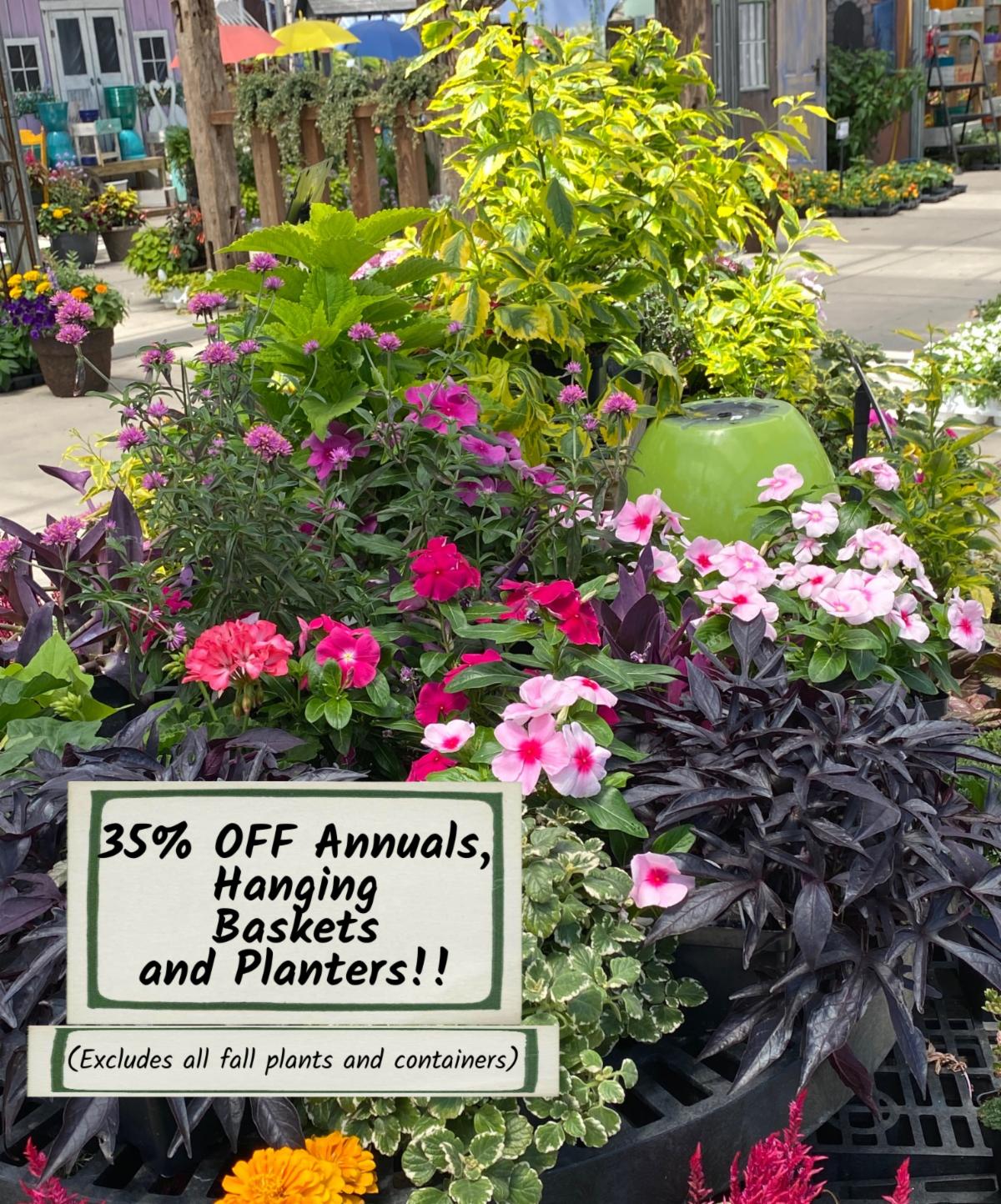
Save some "GREEN" with these great SPECIALS!!
Sale Prices Valid thru Wednesday, August 31st


Guest Success!

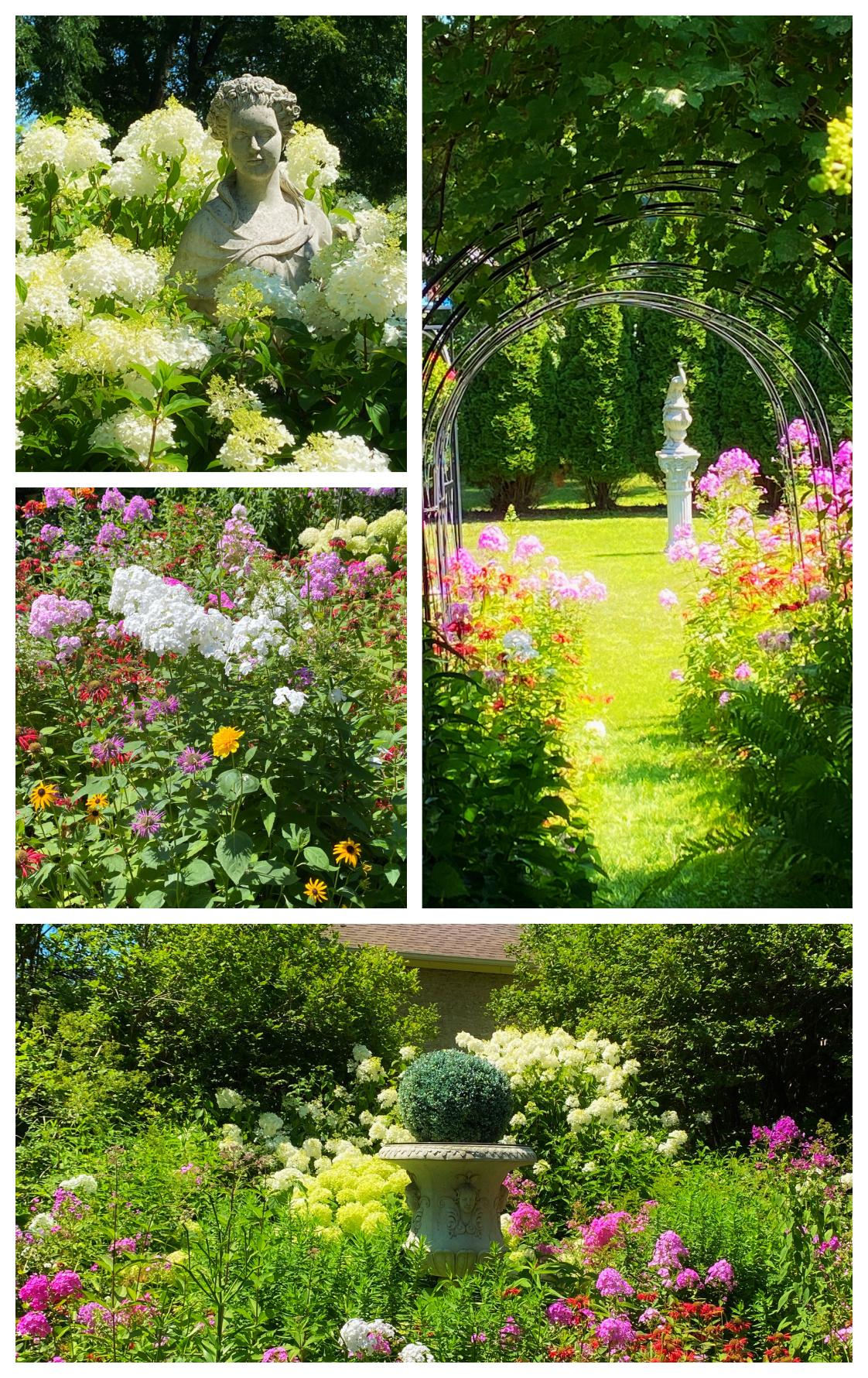
Diana Jones of Watertown invited us for a stroll through her "English" garden, which included beautiful statuary and urns perfectly placed among her perennials, shrubs and annual flowers - just gorgeous!
Thank you, Diana!

If you would like to share your garden with your fellow subscribers, e-mail your photos to: anneadams@
ebertsgreenhouse.com


Final Thoughts...

Take a walk through the grounds with Jake - it's SO beautiful here right now!! click here: Summer 2022: Flower beds, projects, and other fun stuff - YouTube

God's Blessings to You All!
Your Friends at Ebert's Greenhouse Village