|
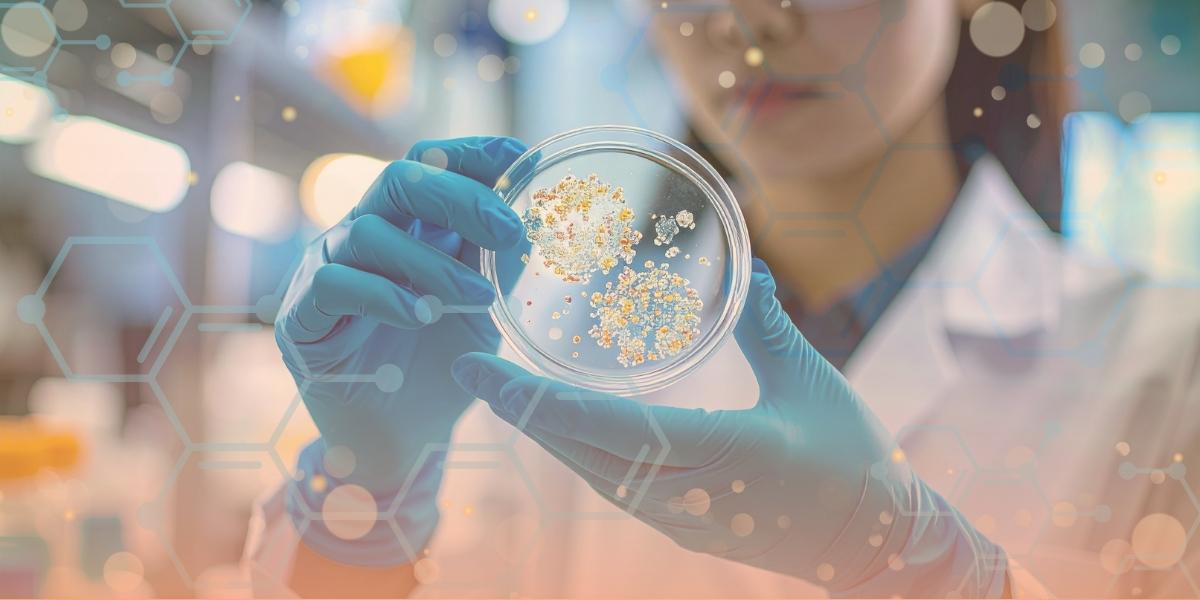
Among the researchers who are making progress answering that question is Gastric Cancer Foundation grant recipient Nina Salama, Ph.D., of Fred Hutch Cancer Center. Researchers in her lab are completing a study linking an oral bacterium called Fusobacterium animalis to Helicobacter pylori, a stomach bacterium that is widespread and known to raise the risk of gastric cancer. The team used preclinical models to demonstrate that F. animalis can colonize tissues in the stomach that are precancerous due to H. pylori infection. “We know that many bacteria can leverage the metabolic environment of cancerous tissue to grow,” Salama said. “By showing that F. animalis can colonize precancerous tissue, we clarify that it could play a causal role in cancer development, as opposed to just being a passenger.” The study is currently in preprint and being prepared for publication.
The role of oral bacteria in gastric cancer is of growing interest to researchers around the world. In April, a team in China identified 20 bacterial species in the stomachs of gastric cancer patients that also resided in their oral cavities. The researchers believe the findings demonstrate the ability of the bacteria to migrate to the stomach and survive the harsh environment there. They argued that distinct patterns of microbes in the mouth could serve as biomarkers for the early detection of gastric cancer. Read the full article >>
|