Dear Grey Muzzle Grantees, |
|
Covid-19 has demonstrated the enormous impact of fosters and the willingness of people to open their homes to animals in need. We trust fosters to care for animals on a temporary basis, but how much do we trust them to find our senior dogs their permanent homes?
In this month’s issue of Director’s Corner, we explore Adoption Ambassadors—what they are, what we know about them, and strategies to implement similar initiatives. We hope you will share your experience with Adoption Ambassadors (or similar efforts) on our grantee Facebook page. We want to hear what worked and what didn’t. We’re also eager to learn more about how such programs have affected your fosters.
Thanks for all you do to make life better for senior dogs and for sharing your successes and challenges. The more we can learn from one another, the more senior dogs we will help!
Sincerely,
|
|
Lisa Lunghofer, PhD
Executive Director
|
|
So how do Adoption Ambassadors work? |
|
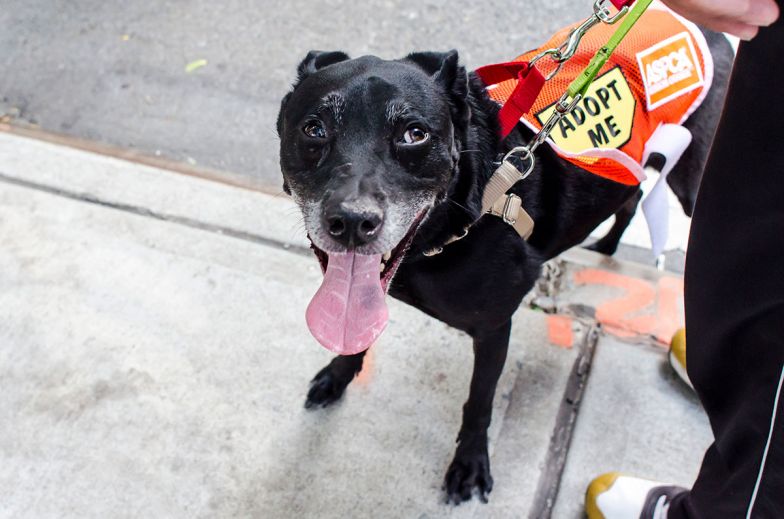
Adoption Ambassadors take the foster role a step further. The programs empower fosters to find adoptive families for the dogs in their care. Adoption Ambassadors use their social networks to promote their fosters and put the dogs in the path of potential adopters rather than waiting for people to go to the shelter or attend an adoption event.
|
|
|
Research Spotlight: What Tulip Taught Us |
|
The precursor to the Adoption Ambassador concept began at the LA/SPCA—a true case of necessity being the mother of invention. With the shelter full, Tulip was placed with a foster, and the foster was asked to find her a home. Three days later, Tulip was adopted, and the Adoption Ambassador program was launched soon after by the ASPCA. A research study found the program was effective in getting dogs adopted and keeping them in homes. Although fostered dogs took longer to adopt, they had a lower rate of return than dogs adopted from the shelter (7% vs. 17%). In addition, the program reached adopters in geographic areas not typically served by the shelter, increasing the pool of potential adopters and tapping into new adopter markets.
You can read an abstract and get a link to the full study here.
|
|
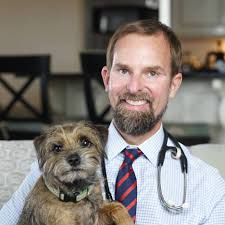
According to the latest estimates, 56% of US pet dogs are overweight or obese, totaling over 50 million dogs. A recent pet parent survey found that almost half (47%) of American dog owners have a dog age 7 or older. That means we continue to see an increase in older, overweight dogs in this country. That also means more dogs are at risk for preventable weight-related diseases such as arthritis, kidney failure, high blood pressure, and cancer. “Grey muzzles gone wide” is inadvertently putting millions of senior dogs in danger. Luckily, there are so many things dog parents can do to help keep their pooch at a healthy weight. Dr. Ernie Ward will share the reasons why we continue to see an increase in overweight dogs around the world, the effects of a few extra pounds on your dog’s health and longevity, and the latest research on effective weight loss techniques. This webinar is FREE, but please register as space is limited.
When: Thursday, September 24 at 1 pm ET / 10 am PT
|
|
Grant Opportunity
The Doris Day Animal Foundation funds nonprofit 501c3 organizations that need assistance in their work of caring for and protecting animals. DDAF evaluates prospective grantees and makes grants throughout the year with submissions accepted during January, April, July, and October. Learn more...
|
|
Reminder
Your First Quarter success story is due by October 1. This update should feature a senior dog who was helped by your Grey Muzzle grant. Please connect the dots on HOW your grant enabled you to help this dog and/or family. You may use this form to submit your story. Please contact Abby if you have any questions.
|
|
Grantee Spotlight: One Tail at a Time |
|
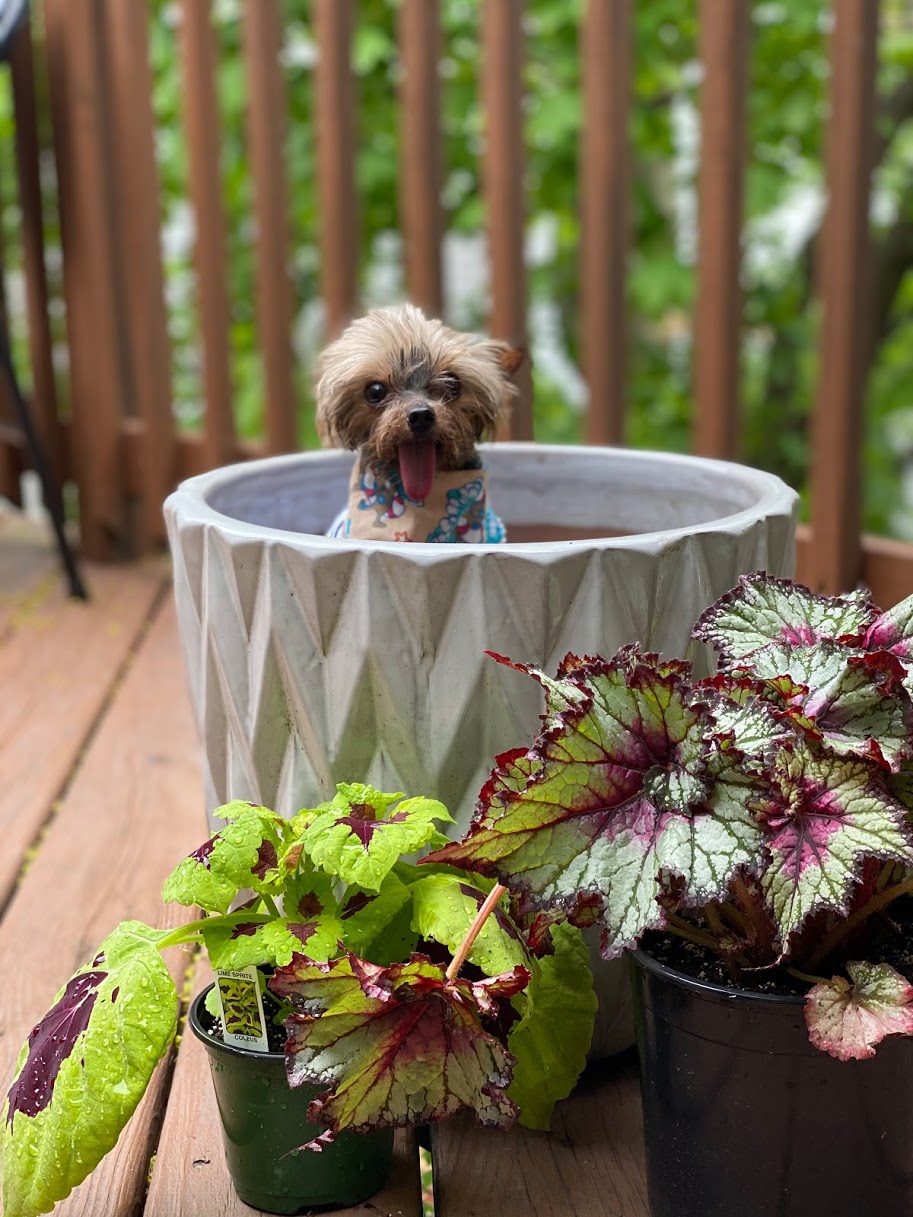
One Tail at a Time is a two-time Grey Muzzle grantee serving the shelter system of Chicago. They have seen exponential growth since their founding in 2007 with a mission focused on "ending pet homelessness by making pet ownership a joyful and accessible experience for all."
This year, One Tail at a Time received the first annual Susan Piskorski Grant, generously made in honor of her love for her precious dogs Abbee, Josie, Ski and Barree. They will use their grant to pull more senior dogs from shelters via their isolation (ISO) program,
|
|
|
The Grey Muzzle Organization | Website
|
|
|
|
|
|
|
|