|
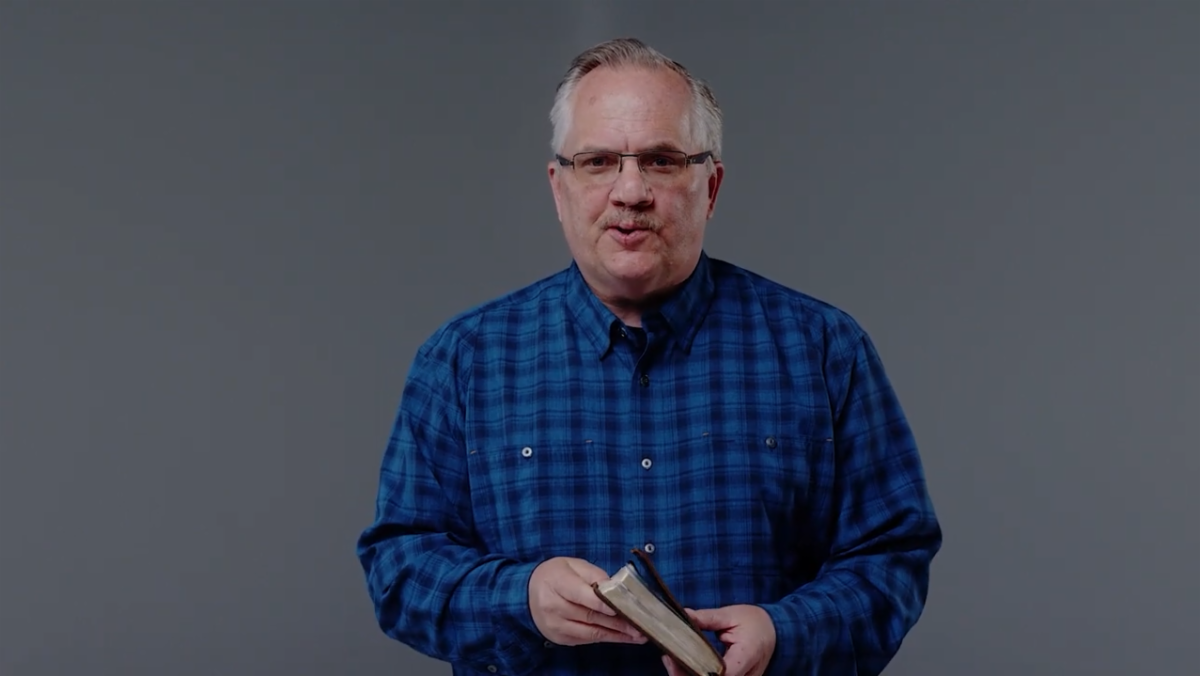
Arin Nicholson, a U.S. missionary with Youth Alive in Virginia, says that empowering people to change how their view ministry is a vital part of his ministry.
Nicholson is a firm believer that what works as an effective outreach for one school may not work for another. With approximately 1,500 local schools and hundreds of churches around Potomac, Virginia, learning how to minister to each has proven to be extremely difficult. “The issue with Youth Alive is that, while it is vitally important, it is not a five-second pitch,” Nicholson says. “While student evangelism, discipleship, and school ministry are all components of Youth Alive, everyone has a different idea of what that means.”
While he has felt a call to ministry since an early age, Nicholson explains that Youth Alive was not part of his plan. “I never wanted to be a missionary,” he says. After working as a youth pastor for four years in Chestertown Maryland, Nicholson received a call asking him if he would like to become the District Youth Alive Director for the Potomac Youth Network. Nicholson said that he would pray about it. He was called about the position three more times and refused the position each time. Eventually, Nicholson followed through with his promise to pray about the decision and realized that God was calling him to accept the position. He accepted the job, became a U.S. missionary in 2020, and has worked with Youth Alive ever since.
When Nicholson first joined Youth Alive, he noticed that the program was extremely school-assembly heavy. While he realized that having students share their testimonies was vital, he knew there had to be a better way to do that, “When you ask people if sharing faith is important, they will most likely say yes,” Nicholson explains. “But they will also admit that they are not good at it.” That is where Youth Alive comes in to help. Nicholson worked to make Youth Alive more research driven, providing tools for school staff, students, churches, and community members to use to best minister to their schools. “The idea is that we want leaders, students, and churches to share faith better,” says Nicholson. Youth Alive has worked to provide resources to distribute both in person, such as school assemblies and youth rallies, and virtually, such as downloadable workshops and sermon series.
Nicholson says that the highlight of his job with Youth Alive is a six-month program for students, coined The Committed Project. The program takes four to six students and asks them to “dream a God-sized dream about evangelism.” The students then find a prevalent need in their school and come up with a way that they can help fulfill that need. “It’s awesome to watch kids go from saying, ‘I just want people to know Jesus’ to finding something more specific,” Nicholson enthuses.
One Committed Project student, a high school sophomore named CeCe, realized that her classmates needed a place to ask challenging questions about faith and life. To help with this, she began an Instagram page where students can anonymously ask questions to be answered by local professors, pastors, and teachers. She then gathers the answers and creates Instagram videos answering the questions. Six months after launching the page, CeCe has been able to reach large amounts of people, with her most recent video amassing around 4,500 views.
Nicholson says that many people have misconceptions of high school and middle school students. “Teenagers are not lazy. Sure, they do not just want to do what you tell them to. They want to do what is important,” he says, “If we make evangelism important and put students in positions to make a difference, they will change the world.” Additionally, Nicholson says that, with over 80% of people in a community connected to the school system in some way, choosing not to connect with and evangelize to your schools is not an option. “Schools do not hate churches. When you decide that the school is against you, you are turning your back on 80% of your community,” he explains.
He tells the story of Caleb, a pastor in the Virginia Beach area who wanted to connect with his city’s schools. Caleb contacted Youth Alive after attempting to reach out to his local school’s staff by bringing them an edible arrangement. The office workers responded by immediately throwing it away in front of him. Nicholson prompted Caleb to find out a need the school had and how he could help fulfill that need.
After some consideration, Caleb realized that the teachers and staff needed more expensive school supplies. Through conversations with Youth Alive and the school’s administration, Caleb and his church began raising money to create a storage locker full of equipment that the church could replenish once a month. This led to not only more consistent and open communication with the school’s students and staff, but eventually to the principle asking Caleb to be on the school board for extracurricular activities. “We are currently taking to him about doing evangelism events with Caleb and those schools,” says Nicholson.
Between creating student mentorship programs, expanding resources, hiring more staff to help expand the ministry and more, Nicholson has big hopes for the future of Youth Alive. “I have the coolest missionary position in the world. I get to help people in my community be who God has called them to be and that is really cool.”
|