|
Op-Ed: Public Schools Are Scrutinized Voucher Schools Get a Free Pass
By Vickie Fowler Echols
Picture this: a packed stadium on a Friday night. Two high school teams take the field, both funded by taxpayers. One team has to follow official rules, play under referees, and have its score posted on the board for everyone to see.
The other team brings its own refs, chooses how the game is scored, and never shares the results. Sound fair? Of course not.
But that’s exactly what Texas is doing with public education.
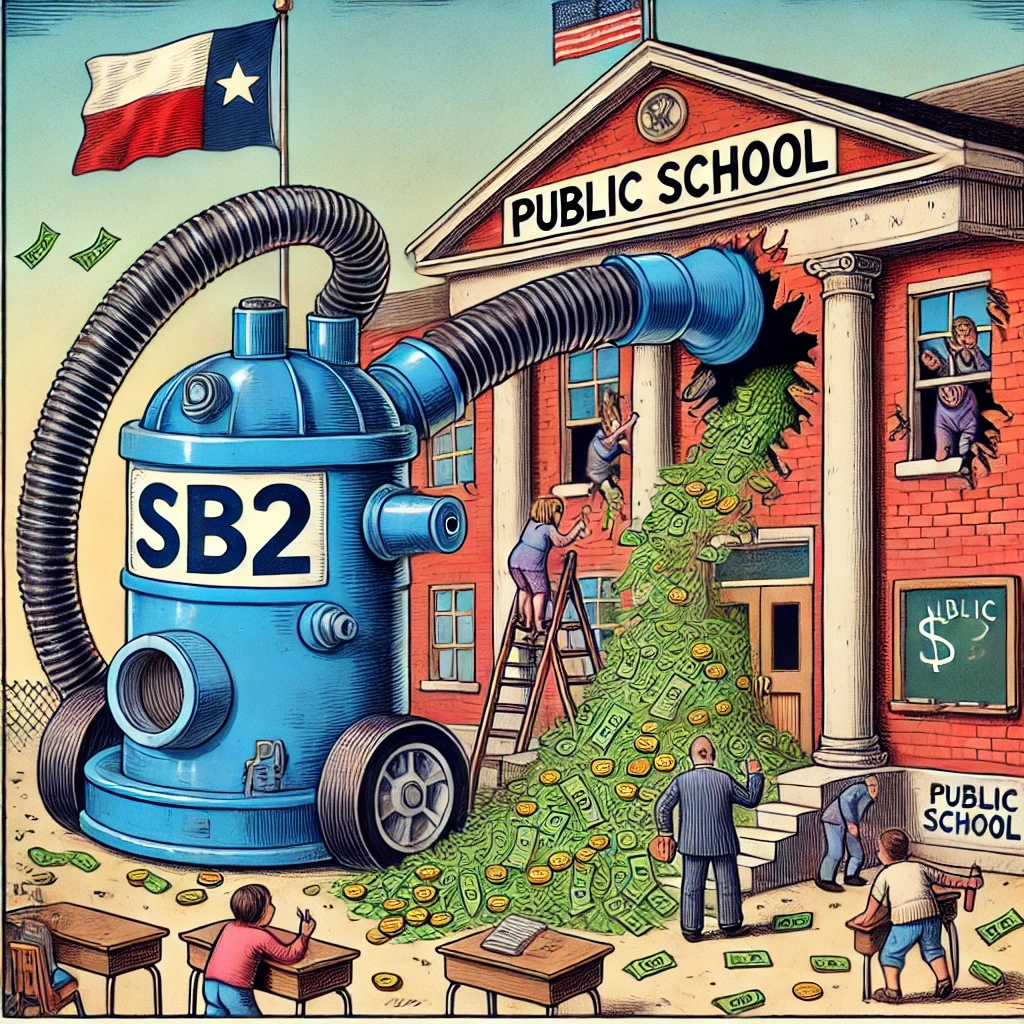
While lawmakers are debating how to tighten and refine accountability for public schools, they’re largely ignoring the glaring lack of oversight in the new private school voucher program.
The same Legislature that pushed through the largest voucher plan in state history is now split over how public schools should be tested and rated—with no discussion of holding voucher-funded schools to any comparable standard (Texas Tribune, May 2025).
As a former principal and lifelong advocate for public schools, I’ve seen how hard educators work to support every child, especially in schools that serve high-need communities. That work is already burdened by an unstable accountability system, where the rules shift and the stakes are high. And now, instead of bringing fairness to that system, lawmakers are doubling down—on only one side of the field.
Two bills are advancing in the Legislature: House Bill 4 (HB 4) and Senate Bill 1962 (SB 1962). Both would replace STAAR (the State of Texas Assessments of Academic Readiness) with shorter tests given at the beginning, middle, and end of the year—offering teachers more timely data to support student learning. That’s a step worth discussing.
The San Antonio Express News reports, "Texas House votes to scrap STAAR exam in favor of shorter tests,” noting that HB 4 would administer three shorter online assessments each school year to reduce student stress and provide real-time feedback for educators. The bill passed overwhelmingly in the House with a 143-1 vote and now moves to the Senate for consideration.
But while public schools are facing another round of scrutiny and restructuring, private voucher-funded schools face none of it. They are exempt from STAAR, A–F campus ratings, and the rigorous public reporting that public schools must meet. In fact, the same lawmakers demanding growth metrics from public schools are silent when it comes to how learning is measured—or not measured—at voucher schools.
HB 4 does take steps to bring more fairness to public districts—by requiring the Texas Education Agency (TEA) commissioner to get legislative approval before changing school rating formulas, and by setting up a streamlined court process for challenging sudden shifts in how schools are scored. This is in direct response to legal action taken by school districts that sued the state after surprise changes negatively impacted their ratings—changes that were blocked in court for two years.
In contrast, SB 1962 would give the TEA commissioner more unchecked authority to rewrite the accountability formula, and would make it much harder for public school districts to challenge unfair changes through the courts.
Let me be clear: I support fair, clear, and useful ways of measuring student learning. But we can’t keep piling new demands on public schools while giving private schools—who are now receiving public dollars—a free pass.
As a principal, I witnessed incredible growth among students because of the work of passionate educators and dedicated families. But when the state’s formula changed, our school rating dropped. Not because we did worse, but because the rules shifted again. I had to stand in front of my staff—who had given their all—and explain why their work didn’t count.
Now imagine a private school, down the road, receiving public dollars and facing none of the same expectations. No standardized test. No public score. No state rating.
If lawmakers are serious about assessment and accountability, then they must address all schools that receive taxpayer money.
To ignore the lack of oversight in voucher-funded schools while scrutinizing every move public schools make is a political choice—not an educational one.
Here’s what needs to happen:
- Amend HB 4 to apply consistent accountability expectations to all publicly funded schools—including voucher recipients.
- Ensure new assessments truly support learning, not punish educators.
- Protect school districts from politically motivated, last-minute shifts in performance scoring.
Public dollars demand public accountability. That must apply fairly across the board.
If we don’t close this gap now, we’ll lock in a system where transparency is optional—depending on who benefits.
Our public schools deserve better. Our students deserve consistency. And Texas taxpayers deserve to know that every dollar is being used to help students grow—no matter where they go to school.
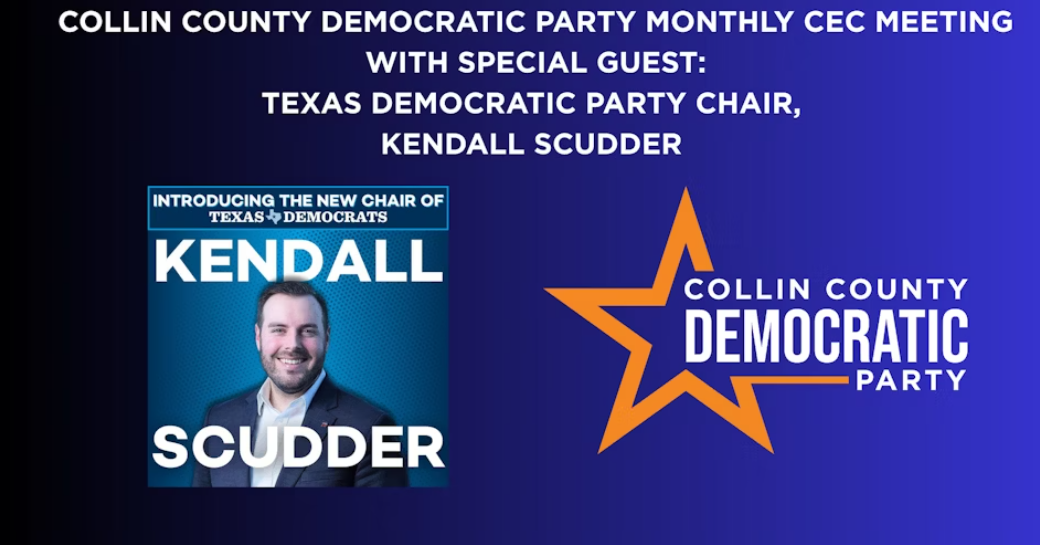
This is why I support the efforts of organizations like the Collin County Democratic Party, which continues to fight for fair, fully funded public education and policies rooted in equity, transparency, and community trust. The CCDP is raising awareness, elevating voices, and helping voters take action to protect what matters most: our children’s future.
To stay informed and join the movement for accountable, student-centered education policy, I invite readers to connect with CCDP at www.collindemocrats.org and make your voice heard.
— Vickie Fowler Echols is a former educator and elementary principal who now serves as a coach, author, and proud supporter of Texas public schools. She is also a member of the Collin County Democratic Party and advocates for equity in education policy.
|