|
Dear brothers and sisters in our Lord Jesus, part of the growing repentance remnant, cleansing as His Bride, getting ready for His soon return as our Bridegroom-----
Ms. Shira Schechter, writing for theisraelbible.com had a wonderful story today to which I've added some points at the end. Here's her story:
The Elah Valley is one of those places in Israel that stops you even before you get out of the car. Rolling green hills, ancient terraces, and somewhere down in that streambed, the smooth stones that David used to kill Goliath. It’s the kind of landscape that makes the Bible feel less like history and more like yesterday.
Last week, I found myself there at the base of one of those hills, lacing up my shoes for a hike. It was almost spring, and word had spread that the wildflowers were out in force — poppies, cyclamens, anemones, the red and purple and gold that transform the Israeli hillsides for a few precious weeks each year. From the parking lot, though, you’d never know it. Everything was green, but the flowers were nowhere in sight. We started climbing.
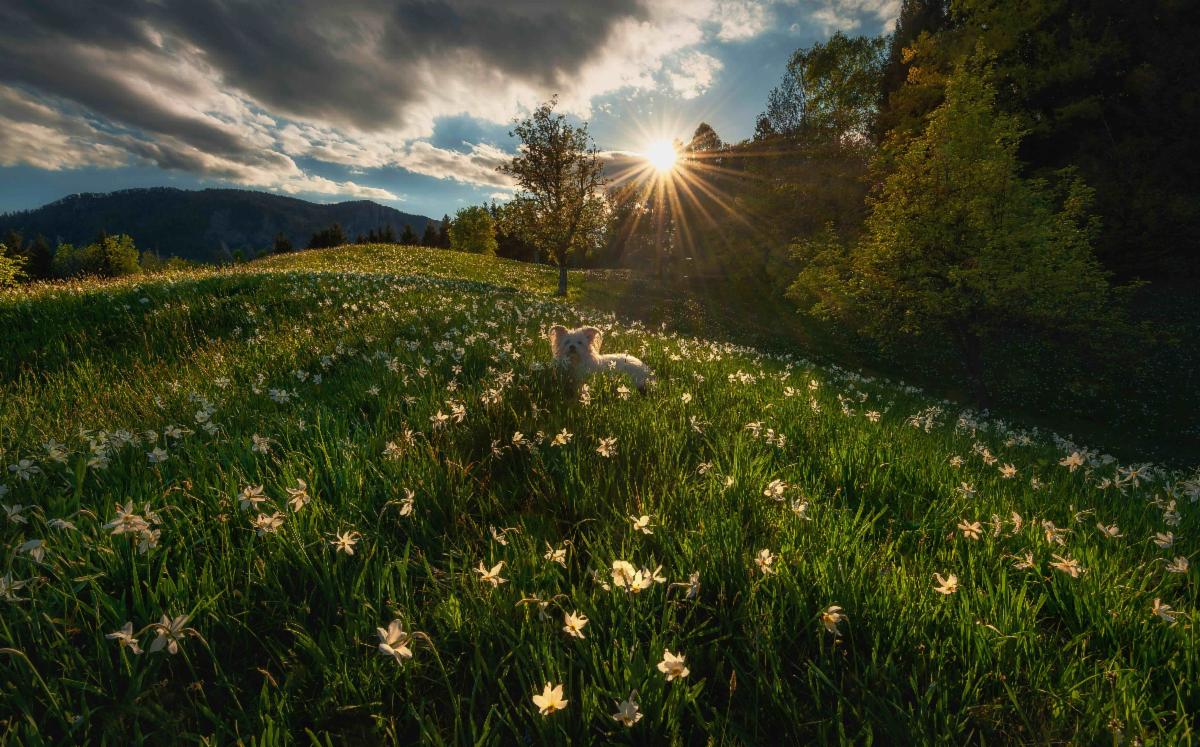
For a while, nothing changed. Just the steady rhythm of the ascent, the rocks underfoot, the view of the valley opening up behind us. Then, gradually, something shifted. A flash of red. A cluster of purple. And then we reached a clearing near the top and there it was — the hillside blanketed in color, every shade of spring blazing in the afternoon light.
On the way down, it struck me: the flowers were there the whole time. We just couldn’t see them from the bottom.
The thought stayed with me through the rest of the hike. And then, as we reached the trailhead, a woman approached us. She was about to start the climb with a group of friends, and she had the slightly hopeful, slightly skeptical look of someone who’d heard the hype but wasn’t sure whether to believe it. “Are there really flowers at the top?” she asked.
I paused. There were a dozen ways to answer.
“You have to climb the mountain,” I told her.
The Jewish calendar knows something about this. We are weeks away from Passover, and there is a book associated with this season above all others: Shir HaShirim, the Song of Songs, read publicly on Passover in synagogues around the world. It is a text saturated with the language of spring and awakening.
כִּי־הִנֵּה הסתו [הַסְּתָיו] עָבָר הַגֶּשֶׁם חָלַף הָלַךְ לוֹ׃
For now the winter is past, The rains are over and gone.
Song of Songs 2:11
הַנִּצָּנִים נִרְאוּ בָאָרֶץ עֵת הַזָּמִיר הִגִּיעַ וְקוֹל הַתּוֹר נִשְׁמַע בְּאַרְצֵנוּ׃
The blossoms have appeared in the land, The time of pruning has come; The song of the turtledove Is heard in our land.
Song of Songs 2:12
The flowers have appeared. The season has turned. And so the beloved is summoned:
עָנָה דוֹדִי וְאָמַר לִי קוּמִי לָךְ רַעְיָתִי יָפָתִי וּלְכִי־לָךְ׃
My beloved spoke thus to me, “Arise, my darling; My fair one, come away!
Song of Songs 2:10
This verse is an invitation to ascend, to move, to make the climb. The vision of spring — of renewal, of redemption — awaits those willing to go up toward it. The flowers don’t wait indefinitely. When the moment arrives, you either arise — or you miss it.
The rabbis understood Song of Songs as an allegory of the relationship between God and Israel. The Israelites who left Egypt had to walk into the sea before it split. They had to march into the wilderness before the manna fell. The flowers — the revelation, the covenant, the promised land — were never visible from the bottom. They required the climb.
Caleb understood this. When the twelve spies returned from scouting the Land of Israel, ten of them reported flowers they couldn’t reach: a land flowing with milk and honey, yes, but occupied by giants. We looked like grasshoppers, they said. We can’t go up (Numbers 13:31). Caleb saw the same land and drew the opposite conclusion: “Let us go up and possess it, for we are well able” (Numbers 13:30).
The difference between Caleb and the ten wasn’t information. It was a willingness to climb.
There is a version of faith that demands certainty before it moves. Show me the flowers first, and then I’ll climb. But that’s not how it works — not in the Elah Valley, not in the wilderness of Sinai, not in the Israel of today. The flowers are up there. You won’t see them from the parking lot.
We all have a mountain we’re standing at the bottom of — a climb we keep putting off because we can’t see what’s waiting at the top. Many of us spend a lot of time at the base of mountains, waiting for a sign. Caleb didn’t wait. The Israelites who made it to the promised land didn’t wait. At some point, you have to stop asking whether the flowers are really up there and start climbing.
******************************
These verses from Song of Songs are not just an allegory of the relationship between God and Israel. They are also about the Messiah. Yeshua/Jesus is calling all people on His planet, jew and gentile, to climb out of our selves and old religious tradition and to come up to Him, first repenting, to join His flock of which He is the Shepherd. (John 10:16). Yeshua calls each of us to be born again, " not of corruptible see but incorruptible, through the word of God which lives and abides forever, because ' All flesh is as grass, and all the glory of man as the flower of the grass. The grass withers, and its flower falls away, but the word of the LORD endures forever.'" (1 Peter 1: 23,24). And the climb up this spiritual mountain is eternally priceless: once you and I are truly in His Kingdom with His indwelling Holy Spirit He has a unique call on each of our lives now and for eternity! (John 15:16)!
|