|
Dr. Mike's Top of Mind
America is facing a mental health crisis that's been smoldering like a wildfire, intensified by the COVID Pandemic, and it's our young people who are caught in the blaze. Among them, Black adolescents are navigating a particularly rough terrain. Their journey is marked by early childhood trauma and stress, stemming from the harsh realities of their social and environmental circumstances. This ordeal is magnified by systemic injustices, such as higher incarceration rates and racial discrimination, laying down a path of struggles that can follow them for a lifetime.
Especially in urban, under-resourced areas, these youths are more vulnerable to violence and trauma, skyrocketing their risk for mental health issues. Yet, when it comes to seeking treatment, they're often left in the shadows, hindered by negative perceptions of mental health services and a glaring lack of culturally sensitive resources. Breaking down these barriers is crucial for building a supportive and effective environment for these young souls.
The challenge of tackling mental health issues within the Black community is vast and intricate, demanding a collective effort to make a dent. With a dire shortage of experienced and culturally attuned mental health professionals in our communities, it's up to physicians and other health providers to step up, spot those at risk, and guide them towards the help they need. Let's come together to light the way forward.
Stay Healthy,
Dr. Mike
If you find our Ethnic Health Reports informative and useful, please forward and share this email to your friends and family. #TogetherInThis 🙏
| |
|
This Week
And Black America
- Black Americans Not Happy with the Healthcare System "And it Shows"
- Black Women Face Lower Survival Rates for Uterine Cancer
- Diagnosis of African American Children with Autism is Often Delayed
- How to Protect Yourself and Your Family in the Sun
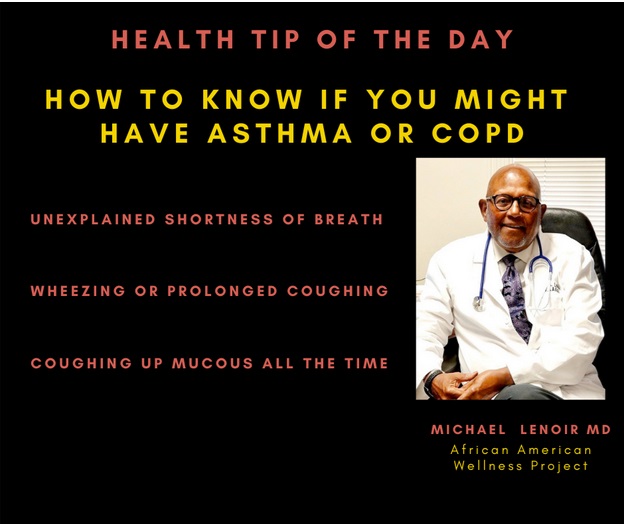
- Health Tip of the Day by Michael LeNoir, MD
AAWP Programs on Air
- Black Doctors Speak Podcast
- AAWP Medical Minute
| |
|
And Black America
Black Americans Not Happy with the Healthcare System "And it Shows"
| |
|
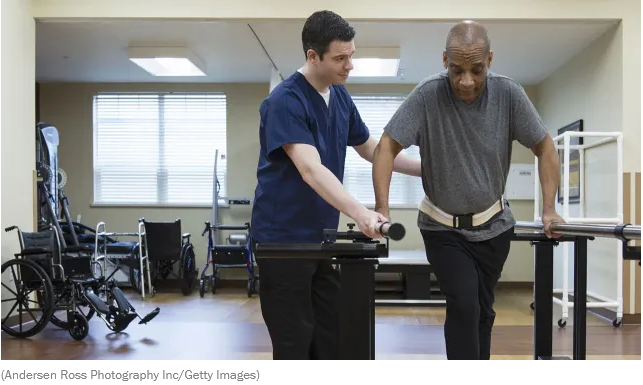
From the Pew Research Center, Black Americans point to the stark gap in access to top-notch medical care as the main culprit behind their disproportionately poor health outcomes compared to others. A striking 63% of Black adults argue that this limited access is a major factor driving these disparities, while another 22% consider it a minor factor. Studies reveal a troubling trend: primary care doctors, trauma centers, pharmacies, and COVID-19 vaccination sites are all too scarce in areas predominantly inhabited by Black Americans.
About half or more of Black adults also point to several other factors as major reasons Black Americans tend to experience worse health outcomes. For example, 52% say a major reason is that Black people live in communities with more environmental problems, and 51% say a major reason is that Black people are more likely to have preexisting health conditions.
Black adults with higher levels of education are more likely than those with lower levels of education to identify these and several other factors as major reasons.
| |
Black Women Face Lower Survival Rates for Uterine Cancer | |
|
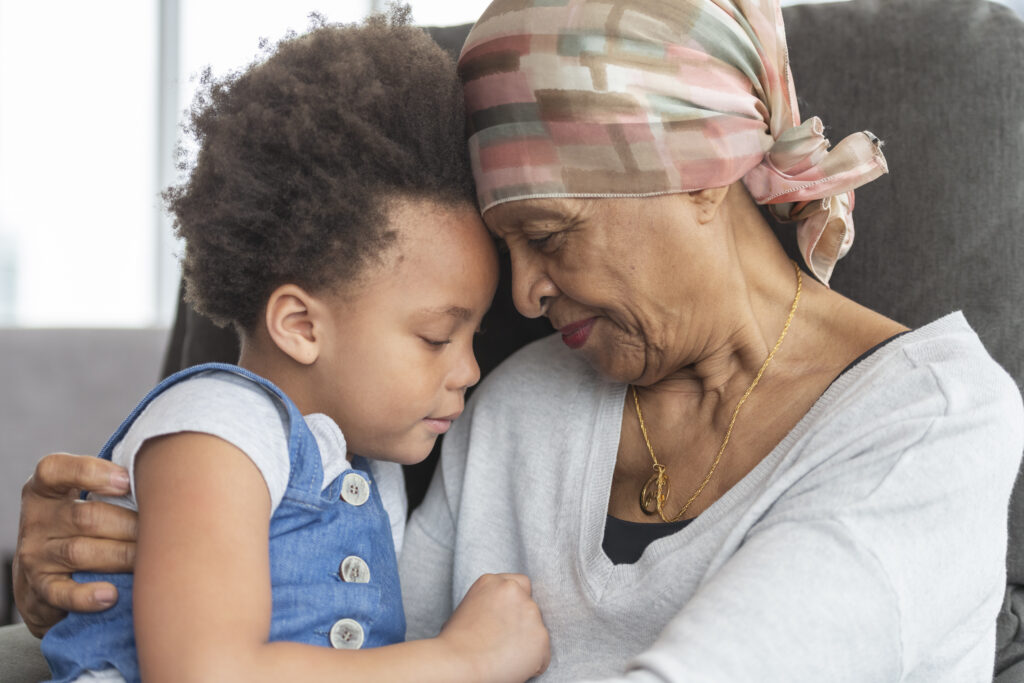
From Blackdoctor.org Black women were more likely to be diagnosed with uterine cancer at a later stage, have lower income, and receive less surgery compared to Asian women. These factors likely explain, at least in part, why Black women had a lower survival rate.
Why This Is Important: As with so many cancers and chronic diseases, survival is not about genetics. Its about regular visits to the doctor, knowing what screens you should have routinely, not ignoring symptoms that are unusual and making sure you and your family get the best medical management ALL THE TIME.
| |
Diagnosis of African American Children with Autism is Often Delayed | |
|
African American children with autism are usually diagnosed at a later stage. The reasons are not clear, but I have a theory as a Pediatrician of more the 40 years experience. Too often parents don't know or are not schooled on the appropriate developmental parameters for young children. For some reason, in my experience practitioners accept unusual behavior in Black infants and toddlers as normal when they would at least consider the diagnosis of autism in non Black children.
Why This Is Important: The earlier you make the diagnosis, the sooner interventions start and most of the time, the better the outcome.
| |
How to Protect Yourself and Your Family in the Sun | |
|
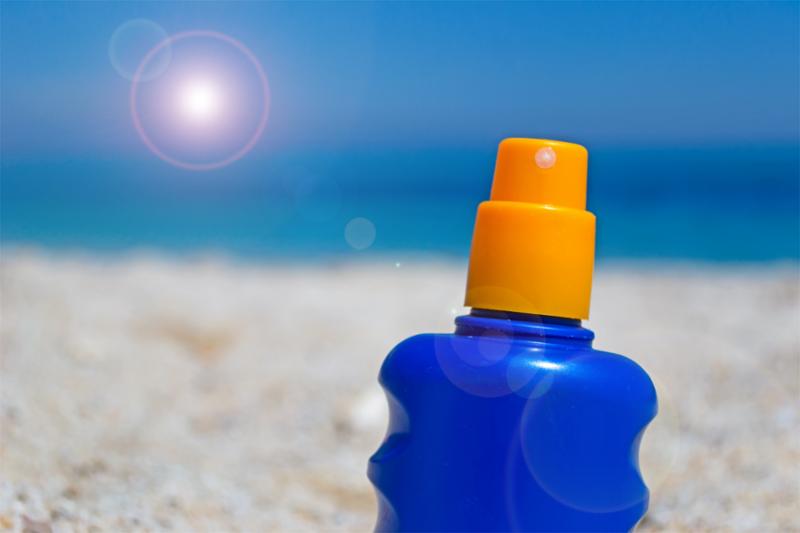
It's getting pretty hot on Earth, and there's a myth that darker skin tones don't need sun protection. While melanin provides some defense against UV rays, it's not a complete shield. Melanin helps protect against UVB rays, which cause sunburn, but not against UVA rays that can cause deeper skin damage, premature aging, and increase skin cancer risk. Skin cancer, though less common in Black people, can be more severe due to late diagnosis.
Best Sun Protection Tips:
- Use broad-spectrum sunscreen that guards against UVA and UVB rays, with an SPF of at least 30 for everyday use.
- Consider a moisturizer with SPF for hydration and protection in one step.
- Opt for sunscreens that don't leave a white cast on darker skin, such as those with micronized zinc oxide or titanium dioxide.
- Wear protective clothing, like wide-brimmed hats, sunglasses, and long sleeves, to shield your skin from UV rays.
Regardless of skin tone, sun protection is crucial for maintaining healthy skin and reducing the risk of skin cancer. Investing in quality sunscreen and protective clothing is a simple, effective way to care for your skin daily.
| |
Health Tip of the Day by Michael LeNoir, MD | |
|
Please consider donating to help fund programs like the Ethnic Health Report, the Black Doctors Speak Podcast, and the FB Lives & panels.
$31.25 = 1 EHR Email | $500 = 1 BDS Podcast | $5,000 = 1 FB Live/Panel
| |
DR. MIKE'S ETHNIC HEALTH REPORT | | |
|
Dr. Michael LeNoir is just your neighborhood doc — a world-renowned allergist, a board-certified pediatrician, recognized expert on Asthma in inner cities, and the President and Founder of AAWP. Serving the Bay Area since 1977, Dr. LeNoir has dedicated his career to helping African Americans navigate a healthcare system he saw first-hand that is fundamentally build on racial biases. Read More | | | | | |