May 10, 2024

Dr. Mike's Top of Mind

The Importance of Second Opinions


In the realm of healthcare, it is very important  for you to  recognize the critical importance of seeking a second medical opinion when necessary. This is particularly true for Black Americans, underserved minorities, and women, for whom it serves as a vital mechanism to counteract the systemic biases ingrained within the healthcare system. These biases manifest in various detrimental ways, including inadequate pain management, insufficient cardiac care, restricted access to organ transplants, and an overall lower quality of healthcare services.


A second opinion should not be misconstrued as a mere expression of distrust in one's physician. Rather, it is a proactive step towards safeguarding one's health, offering an additional layer of expertise. It opens avenues to consult with specialists who bring a wealth of diverse knowledge, potentially unveiling alternative treatment paths or advanced medical interventions that might have been overlooked by the initial provider.


The pursuit of a secondary medical opinion is not merely an option; it is a fundamental right that should be exercised, particularly when doubts about the initial diagnosis or treatment plan exist. Concerns about offending the primary healthcare provider should not deter patients from seeking the best possible care. After all, it is the patient, not the physician, who bears the consequences of medical decisions.


To navigate the complexities of the healthcare system confidently, it is essential to foster a relationship of trust. Securing a second medical opinion is a critical step in this journey towards achieving optimal health outcomes. While it is true that second opinions often corroborate the initial diagnosis or treatment plan, the assurance they provide is invaluable.


As advocates for health equity, it is our duty to empower individuals with the knowledge and resources necessary to navigate these challenges. The decision to seek a second opinion is not only a practice in due diligence but a testament to the individual's agency over their health and well-being.


Stay Healthy,


Dr. Mike


If you find our Ethnic Health Reports informative and useful, please forward and share this email to your friends and family. #TogetherInThis 🙏

This Week


And Black America

  • Mistaken Formula Cost Thousands of Black Americans Kidney Transplants
  • Loneliness Can Kill: Black Americans More Affected
  • Black Adults Have Higher Rates of Sleep Disorders
  • Asthma and Its Impact on Black Americans - Guest Editorial by Leroy Graham, MD

And Black America


Mistaken Formula Cost Thousands of Black Americans Kidney Transplants

Black patients do not get referred to Nephrology as early as white patients and do not have sufficient access to transplant Dr. Nwamaka Eneanya, an esteemed assistant professor at the Perelman School of Medicine within the University of Pennsylvania Health System, highlights a pivotal concern in medical practice. The discussion centers on a previously commonplace diagnostic test, which inaccurately assessed renal function in Black individuals, presenting them as healthier than their true condition. This formula prevented many Black patients from getting transplants. 


Why Is This Important? The bigger question has to do with whether race is important when considering medical decisions. Or perhaps data that is used to assess self identified Black Americans needs more scientific scrutiny. The formula has now been These benefits occurred even though this group of patients lost less weight than people without diabetes in a similar trial.

Loneliness Can Kill: Black Americans More Affected

Loneliness is gaining attention globally as a public health issue as shown by the U.S. Surgeon General, Vice Admiral Vivek H. Murthy, MD, MBA advisory reports. A study makes clear that middle-aged Americans today are experiencing more loneliness than their peers in European nations and Black Americans report higher rates of loneliness.


Why Is This Important? Loneliness is associated with increase risk of to heart disease, stroke, anxiety, depression and all cause mortality. We all have friends and relative that we know are lonely. So lets pick up that phone, go by and visit or send a message in a bottle to them on a regular basis. As a Black community we have We have to learn to address this in our own way through our health plans, our churches, our clubs and our fraternal organizations. Not only will they be glad to see you will be improving there health as well.

Black Adults Have Higher Rates of Sleep Disorders

Recent studies reveal that Black adults face higher rates of sleep disorders — including sleep apnea, insomnia and irregular sleep patterns — compared to other demographic groups. These findings highlight the pressing requirement for initiatives and heightened awareness efforts.


In a national survey of more than 400,000 Americans that the Centers for Disease Control and Prevention (CDC) conducted, also published in 2020, 34.8% of all U.S. adults revealed that they were not getting enough sleep. Results further showed that 43.5% of Black or African-American individuals had trouble sleeping, compared with 30.7% of white respondents.


Why This is Important: Many studies show that poor sleep is linked to obesity and heart issues. Lack of sleep can:


  • Disrupt metabolism
  • Increase insulin resistance
  • Weaken the immune system
  • Increase hunger


It also raises levels of interleukin 6 (IL-6), a pro-inflammatory cytokine, which heightens the risk of:

  • Heart disease
  • Cancer
  • Diabetes


The commonness of sleep deprivation among Black adults might explain why conditions like high blood pressure, weight gain, and diabetes are more frequent in this group.

Asthma and Its Impact on Black Americans

Guest Editorial: Leroy Graham, MD

Asthma is the most common chronic disease requiring hospitalization among children in the United States. African American children are 4.5 times more likely to be hospitalized for asthma than white children and nearly 8 times more likely to die from asthma than white children.These alarming disparities persist despite now multiple iterations of evidence based guidelines for the diagnosis and management of asthma in children. 


The battle against asthma in African American children is a collective responsibility. Through determined action, empathetic and culturally competent care, we can dismantle the disparities that define this crisis and chart a new course towards health equity. We must look beyond the statistics to the individuals they represent. Every child deserves the opportunity to breathe easily, live fully, and realize their potential.


Together, we are capable of catalyzing a future where asthma care is not dictated by race but by a steadfast commitment to the well-being of every child.


Key Takeaways:

  • Empower yourself with knowledge on asthma management.
  • Champion for cleaner living environments, both locally and broader.
  • Demand culturally competent healthcare providers.
  • Support initiatives aimed at closing the healthcare divide.
  • Share stories, raise awareness, and build a united front against childhood asthma.


To those grappling with asthma — you are not forgotten. For those advocating for change — your efforts are crucial. Together, we strive towards a healthier future for black children across the nation.

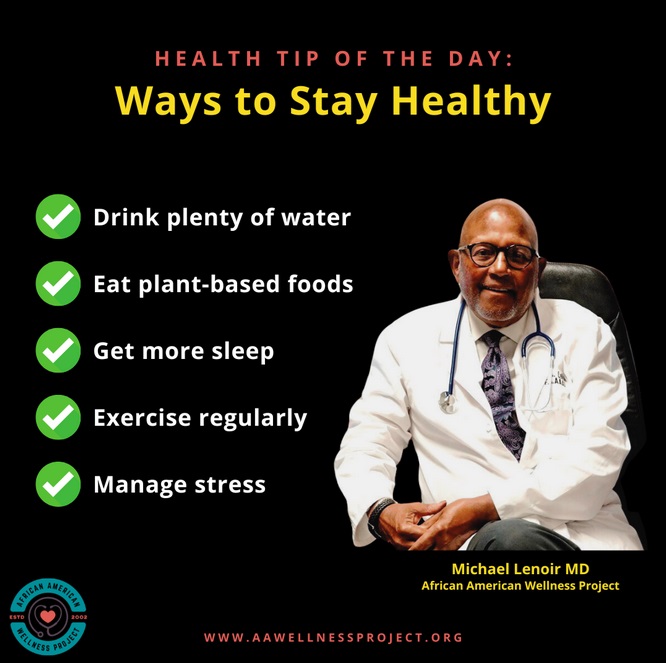
How to Stay Healthy

For more information, go to our website at www.aawellnessproject.org. or listen to our podcast at Blackdoctorsspeak.org on any podcast platform.


Please consider donating to help fund programs like the Ethnic Health Report, the Black Doctors Speak Podcast, and the FB Lives & panels.

$31.25 = 1 EHR Email | $500 = 1 BDS Podcast | $5,000 = 1 FB Live/Panel

Please Help Fund the Ethnic Health Report

DR. MIKE'S ETHNIC HEALTH REPORT

Subscribe to the Ethnic Health Report

About the Editor

Dr. Michael LeNoir is just your neighborhood doc — a world-renowned allergist, a board-certified pediatrician, recognized expert on Asthma in inner cities, and the President and Founder of AAWP. Serving the Bay Area since 1977, Dr. LeNoir has dedicated his career to helping African Americans navigate a healthcare system he saw first-hand that is fundamentally build on racial biases. Read More

X Share This Email
LinkedIn Share This Email
Facebook        Twitter        Instagram