April 1, 2025


April Matters:

Health Equity in Action


TOP OF MIND

April is a powerful reminder that our health is political, personal, and deeply connected to community. As we recognize national awareness observances this month—Minority Health Month, National Public Health Week, Black Maternal Health Week, Stress Awareness Month, and more—AAWP continues to spotlight the unique and pressing health issues that impact Black communities.


This month’s theme, “April Matters: Health Equity in Action,” reflects our continued mission to raise awareness, promote change, and uplift Black voices in medicine and public health.


Minority Health Month reminds us that while progress has been made, deep disparities persist. Black Americans continue to experience higher rates of chronic diseases, including diabetes, hypertension, cancer, and maternal mortality. These disparities are not biological—they are systemic. Rooted in unequal access to care, social determinants of health, and the lasting effects of structural racism, these inequities require more than just awareness—they demand action.


That’s why National Public Health Week (April 1–7) is equally important. This year’s theme, “Protecting, Connecting, and Thriving: We Are All Public Health,” emphasizes that health isn’t just about personal choices—it’s about the policies, environments, and systems that either help us thrive or hold us back.


From water quality to safe neighborhoods, from reproductive care to mental health access, public health is where justice and medicine meet. For Black communities, it means recognizing that the root of many health outcomes lies in the environments we live in, the care we receive—or don’t receive—and the value that society places on our lives.


At AAWP, we are proud to stand at the intersection of advocacy, education, and community care. Through mentorship, medical excellence, and public health engagement, we are not only raising awareness—we are reshaping the future of Black health.


Let this month be more than recognition. Let it be a call to action.


Stay Healthy,

Dr. Mike


If you find our Ethnic Health Reports informative and useful, please forward and share this email with your friends and family. #TogetherInThis

AND BLACK AMERICA


ASTHMA AND ALLERGIES - DISPARITIES THAT CAN'T BE IGNORED


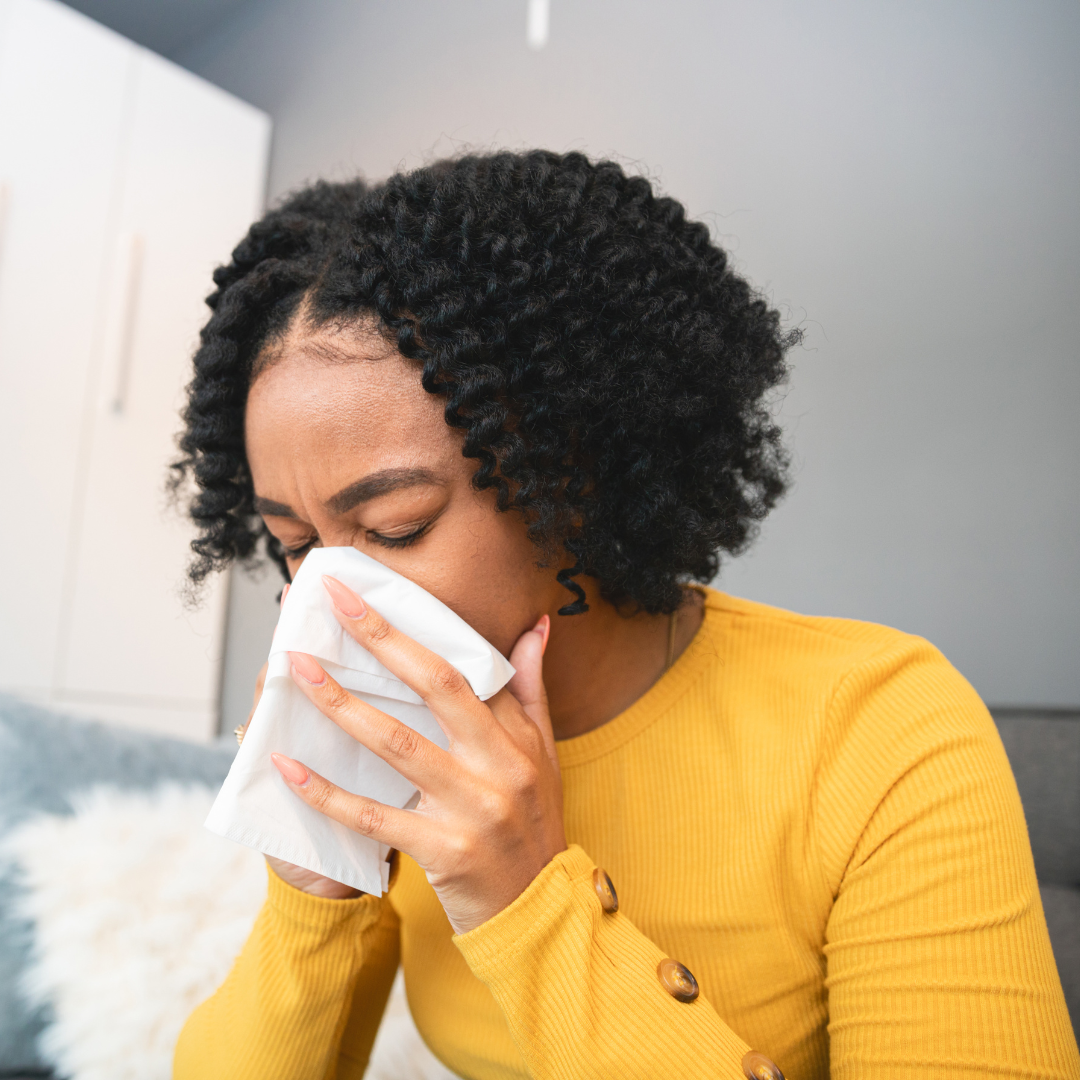
Springtime brings blooming flowers—and for many in our community, worsening asthma and allergy symptoms. Black Americans, particularly children, are disproportionately affected by asthma, with Black children being five times more likely to be hospitalized and seven times more likely to die from asthma-related complications than white children.

READ MORE

MATERNAL MORTALITY DECLINES OVERALL, BUT DISPARITIES PERSIST FOR BLACK WOMEN

According to a February 2025 report by the Policy Center for Maternal Mental Health, while overall maternal mortality rates in the U.S. have declined, Black women continue to face alarming disparities in maternal health outcomes. The report emphasizes the urgent need for policymakers to expand access to culturally competent care and address systemic inequities affecting Black mothers.

READ MORE

CHRONIC STRESS - THE SILENT EPIDEMIC


Chronic stress remains a significant health concern for Black Americans, contributing to various adverse health outcomes. While specific recent articles on this topic are limited, ongoing research continues to highlight the impact of systemic racism, economic disparities, and daily microaggressions on the mental and physical health of Black individuals.​

READ MORE

ADDRESSING HEALTH DISPARITIES THROUGH PHYSICAL ACTIVITY

Regular physical activity is crucial for maintaining health and preventing chronic diseases. However, Black communities often face barriers such as limited access to safe recreational spaces and environmental challenges. A recent report highlights that environmental risks, including exposure to extreme heat and poor air quality, disproportionately affect Black communities, contributing to higher rates of health issues.

STEP INTO WELLNESS: MOVE MORE, LIVE MORE


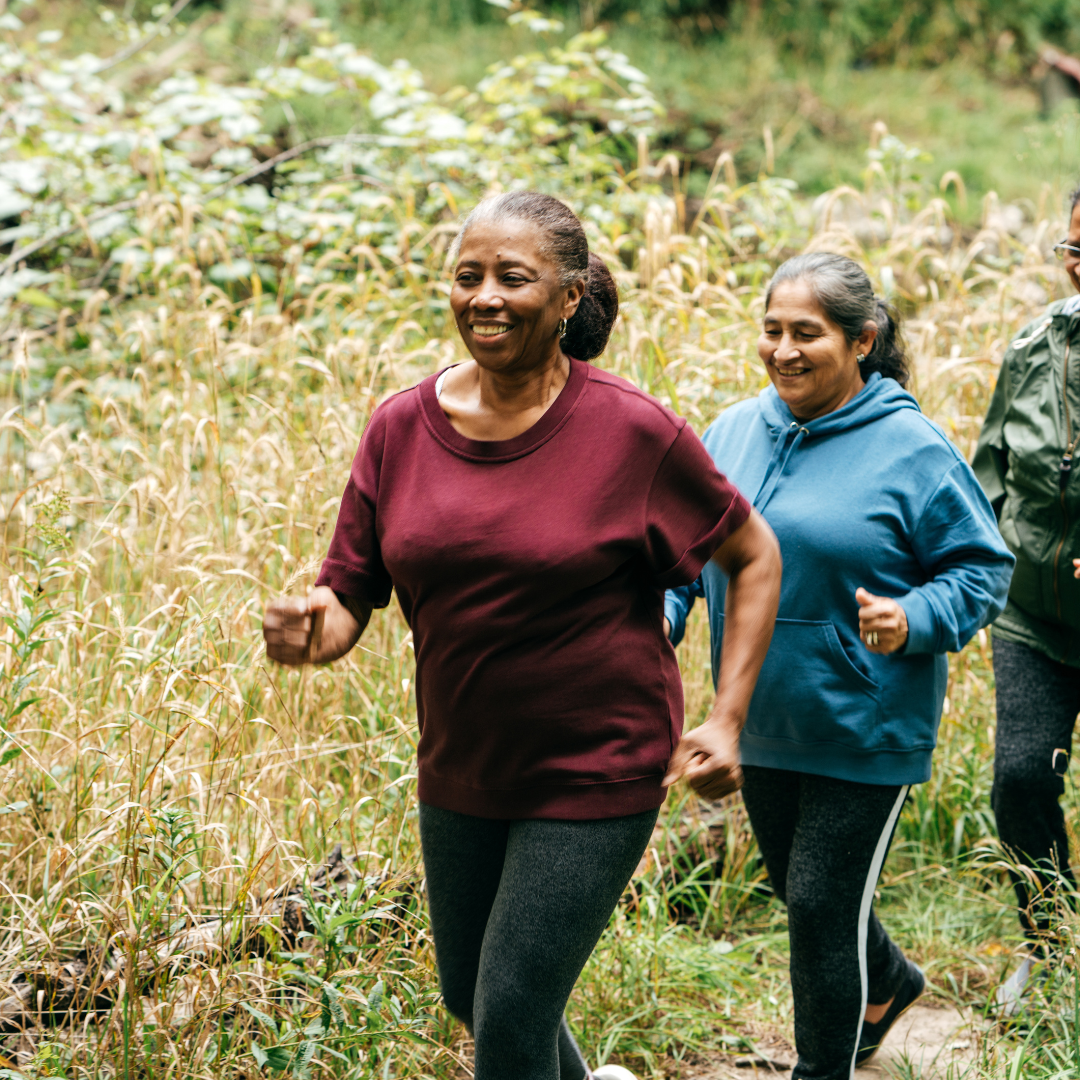
Physical activity is one of the most powerful tools we have to combat chronic illness—and it’s free. April is Move More Month, and National Walking Day on April 2 is the perfect time to lace up and get moving.


Walking just 30 minutes a day can reduce the risk of stroke, heart disease, type 2 diabetes, and even depression. Yet, safe and accessible walking environments are not always available in Black communities. AAWP encourages advocacy for safer neighborhoods, parks, and pedestrian infrastructure, while also promoting community walks, fitness groups, and active living initiatives.


This month, let’s encourage one another to move more, feel better, and take control of our health—one step at a time.

VACCINES SAVE LIVES - LET'S CLOSE THE GAP IN OUR COMMUNITIES

Sponsored by Merck


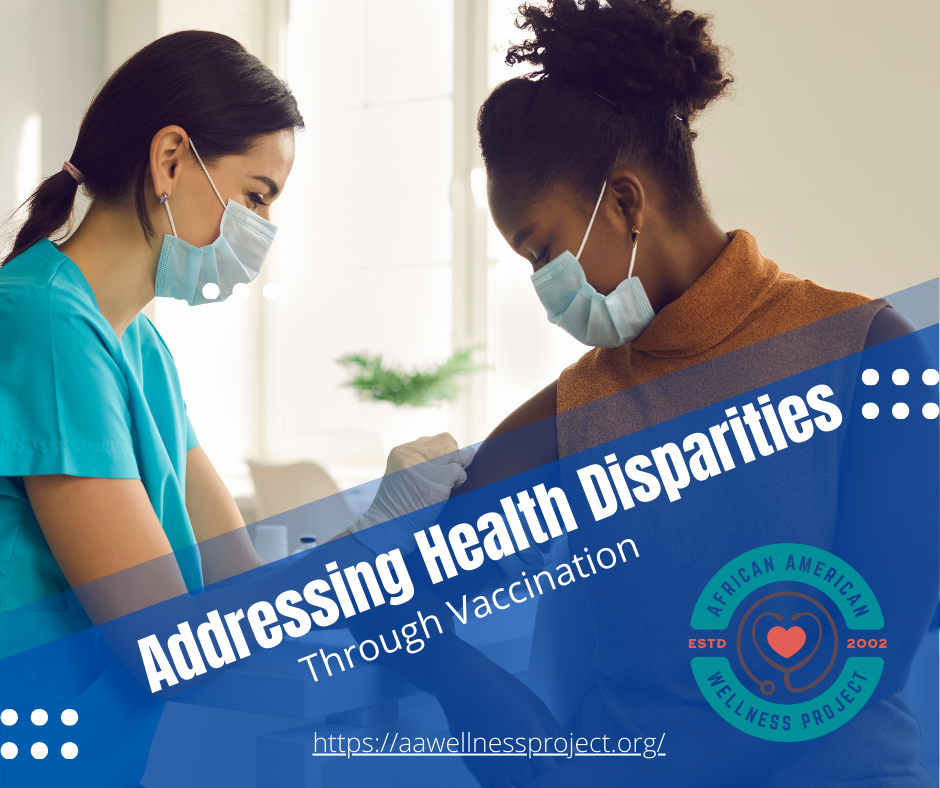
Vaccines are one of the most powerful tools we have to protect children and adults from preventable diseases. Yet, in the African American community, barriers to immunization continue to contribute to significant health disparities.


According to the CDC, vaccination rates among Black children are 6–10% lower than the national average for key childhood vaccines such as MMR (measles, mumps, rubella) and DTaP (diphtheria, tetanus, and pertussis). Among adults, the gaps are even more striking—flu and pneumonia vaccination rates are up to 20% lower than those of white adults. These differences lead to higher rates of complications, hospitalizations, and preventable deaths.

READ MORE

BREATHE BETTER, LIVE STRONGER: AAN INFORMATION YOU DON'T WANT TO MISS

UPCOMING AAN WEBINARS THIS QUARTER


The Allergy & Asthma Network (AAN) is hosting a series of informative webinars designed to educate both patients and healthcare professionals on managing allergies, asthma, and related conditions. These sessions provide valuable insights from leading experts in the field. Here are some upcoming webinars you won't want to miss:​

READ MORE

ASTHMA COACHING BENEFITS


Asthma Management Coach Leandra Tonweber presented a poster at ACAAI’s annual meeting in October of an Allergy & Asthma Network study on virtual asthma coaching. The study showed how the use of a self-management app as part of virtual asthma coaching can significantly improve asthma control.

READ MORE
 

For more information, go to our website at www.aawellnessproject.org. or listen to our podcast at Blackdoctorsspeak.org on any podcast platform.


Please consider donating to help fund programs like the Ethnic Health Report, the Black Doctors Speak Podcast, and the FB Lives & panels.

$31.25 = 1 EHR Email | $500 = 1 BDS Podcast | $5,000 = 1 FB Live/Panel

 
HELP FUND THE ETHNIC HEALTH REPORT

Dr. MIKE'S ETHNIC HEALTH REPORT

SUBSCRIBE TO THE ETHNIC HEALTH REPORT
X
Facebook  Instagram  LinkedIn  X  YouTube