|
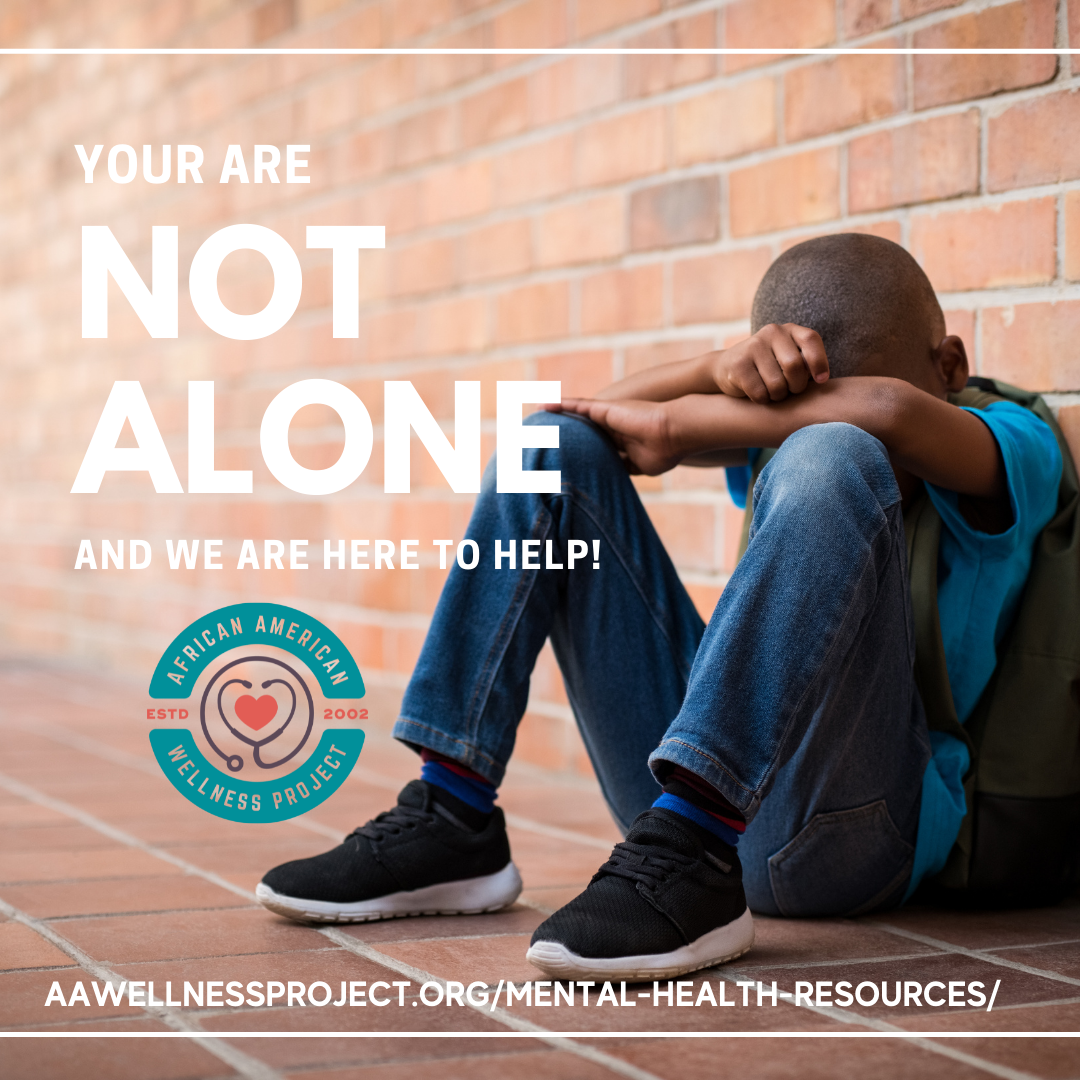
In 2019, tragedy struck when McKenzie Adams, a 9-year-old fourth grader, took her own life in her grandmother’s home after suffering relentless bullying from classmates in Demopolis, Alabama. That same year, a heartbreaking incident occurred in San Antonio, Texas, where a 7-year-old Black boy fatally shot himself with his parents’ weapon following severe bullying. These are just two examples of a devastating epidemic of suicides among Black youth that often goes unnoticed nationwide.
According to the Centers for Disease Control (CDC), self-reported suicide attempts among Black youth have surged by an alarming 73 percent over the past 25 years. While many factors contribute to this troubling trend, a common thread emerges when African Americans face rejection and abuse without proper coping mechanisms, they typically turn to their families, communities, and institutions like churches for support. The Black community often acts as a protective network, fostering a sense of belonging and encouraging cooperation.
However, Black neighborhoods and families face immense challenges, including poverty, crime, underfunded schools, and food insecurity, all worsened by the pandemic. A 1980 study revealed that Black children suffer because the adults they rely on are struggling as well.
As a physician, I feel limited in my practices to adequately manage young people with mental health problems, but we can advocate for change. My research highlights valuable insights from the Johns Hopkins School of Public Health in their study, "Still Ringing the Alarm: An Enduring Call for Action for Black Youth Suicide Prevention." This document offers actionable suggestions that resonate with me and could lead to meaningful progress. Together, we can create a supportive environment where every child feels valued and empowered. It also suggests a way forward.
|