|
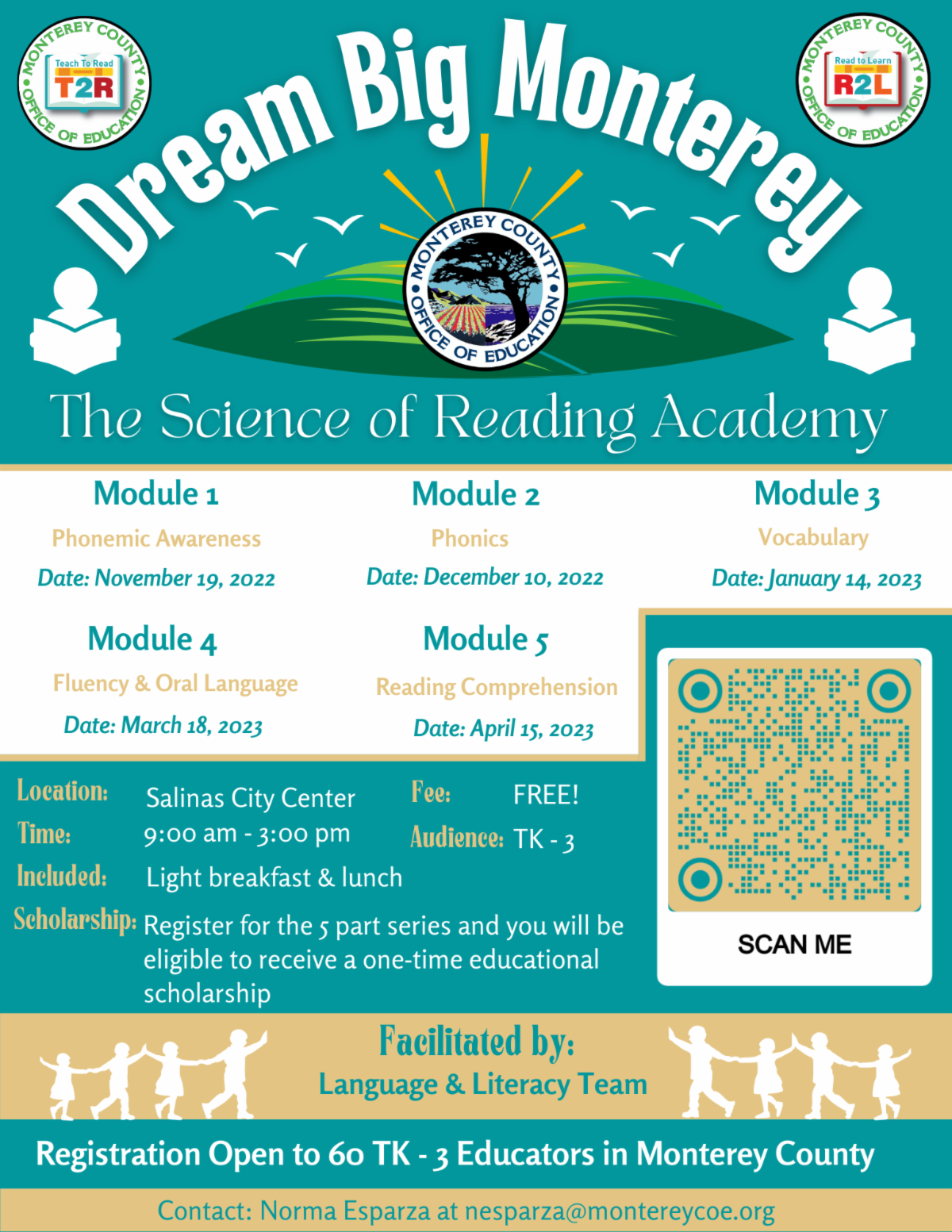
What it is: The ability to hear, identify, manipulate, and substitute phonemes—the smallest units of sound that can differentiate meaning—in spoken words
Why it matters: Teaching phonemic awareness means instructing students to identify and manipulate the approximately 44 phonemes in the English language. It doesn’t require students to be able to read or even see printed letters to grasp this concept; it’s all about the sounds that word parts make. Essentially, students begin by learning individual phonemes, then joining phonemes, and finally, building words. Phonemic awareness is a strong predictor of long-term reading and spelling success. By using effective teaching strategies, phonemic awareness can be successfully taught during your literacy block. As you’re planning instruction, it’s also important to recognize that phonemic awareness development must be quickly followed by the introduction of phonics. Research shows that teaching sounds along with letters of the alphabet helps students better understand how phonemic awareness relates to their reading and writing.
|