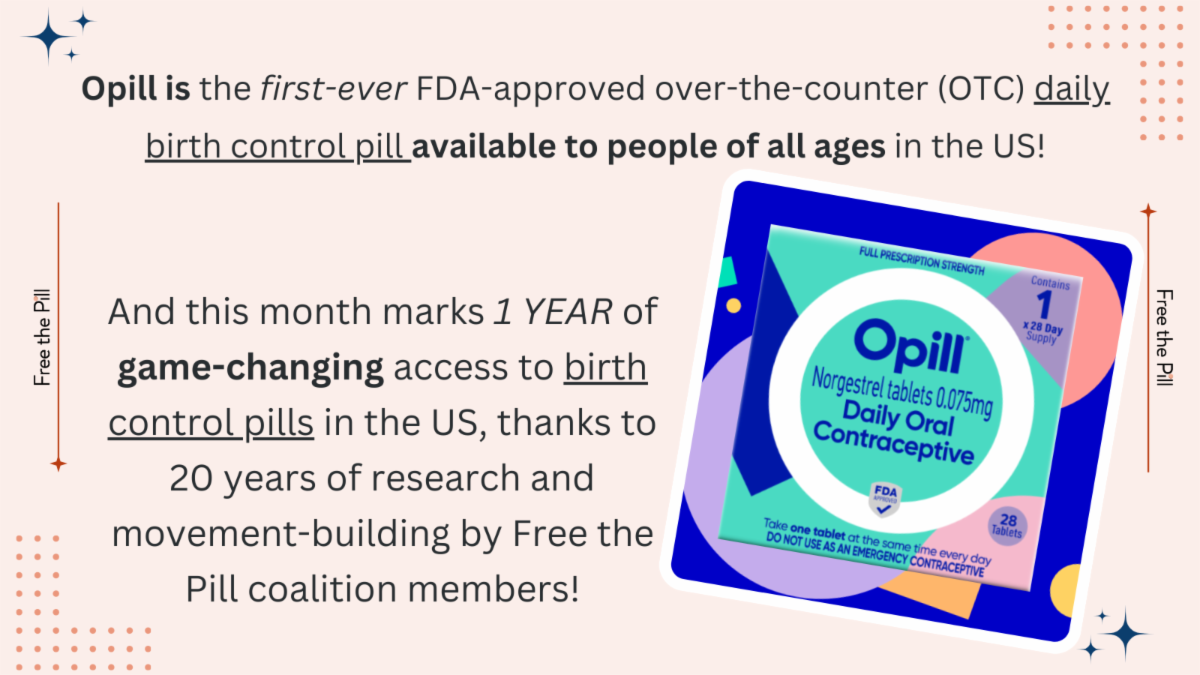
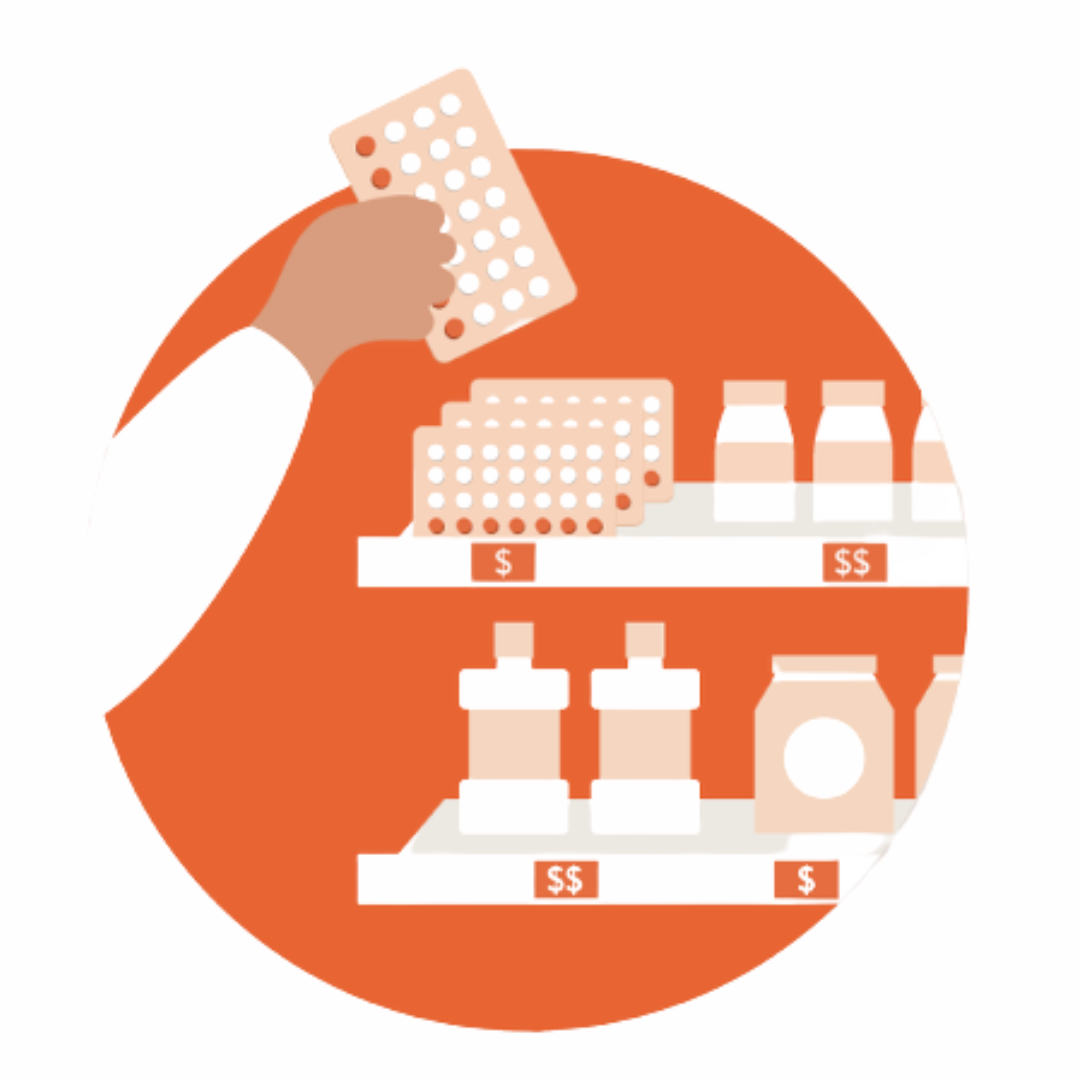
One year ago, we made history when the first-ever over-the-counter (OTC) daily birth control pill—Opill—became available in the United States! Opill’s rollout across the country in March 2024 made it the most effective form of birth control available with no prescription or ID requirement.


This groundbreaking advancement in contraceptive access came after two decades of advocacy, research, and movement building from Free the Pill coalition members and supporters. Read the full blog post commemorating this special anniversary and sharing new resources here.

Ibis updates

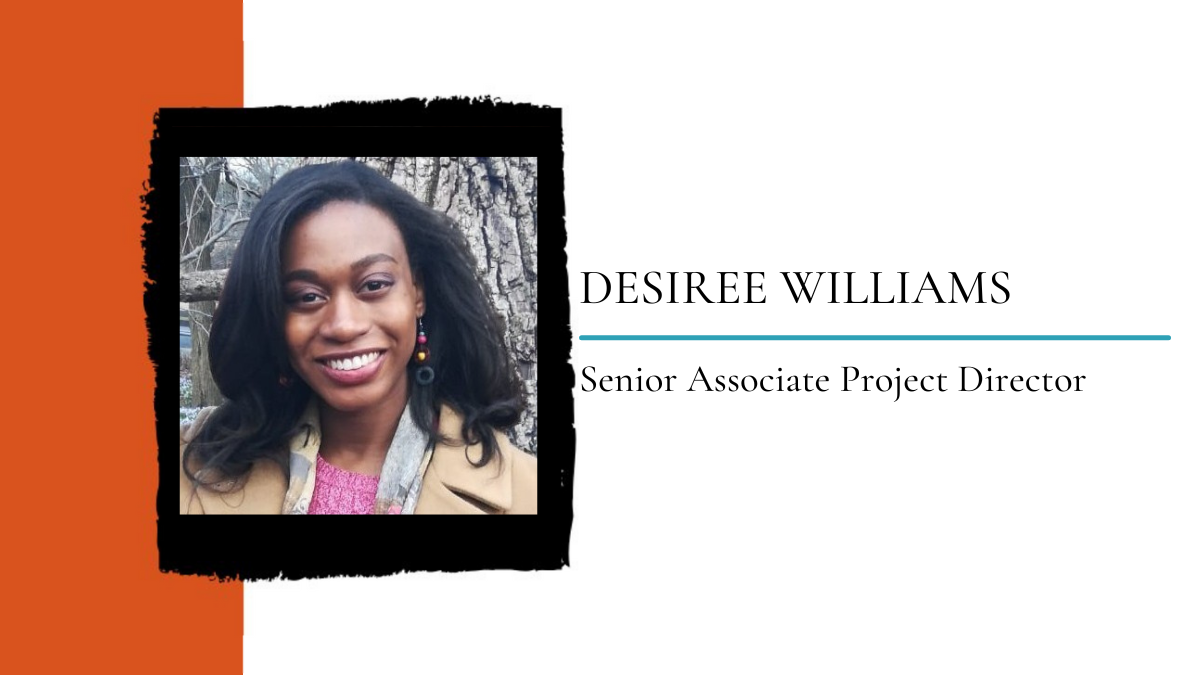
We are thrilled to welcome Desiree Williams, MPH, as the Senior Associate Project Director of a new Ibis project, The MORE Study! Throughout her career, Desiree has been committed to addressing health disparities and advancing the health of marginalized groups through community-based participatory research. Before joining Ibis, she worked on research projects that investigated the lived experiences of Black and Latinx New Yorkers and evaluated public health interventions aimed at improving their health outcomes.


The MORE (Misoprostol-Only Regimen Evidence) Study is a randomized clinical trial that aims to gather robust evidence that providers need to confidently prescribe and counsel patients on various medication abortion options. The MORE Study will, for the first time, measure experiences and outcomes following the misoprostol-only and combined regimen in the same study, allowing for greater clarity and nuance in understanding what to expect from each. Learn more about the study on our MORE Study project page.

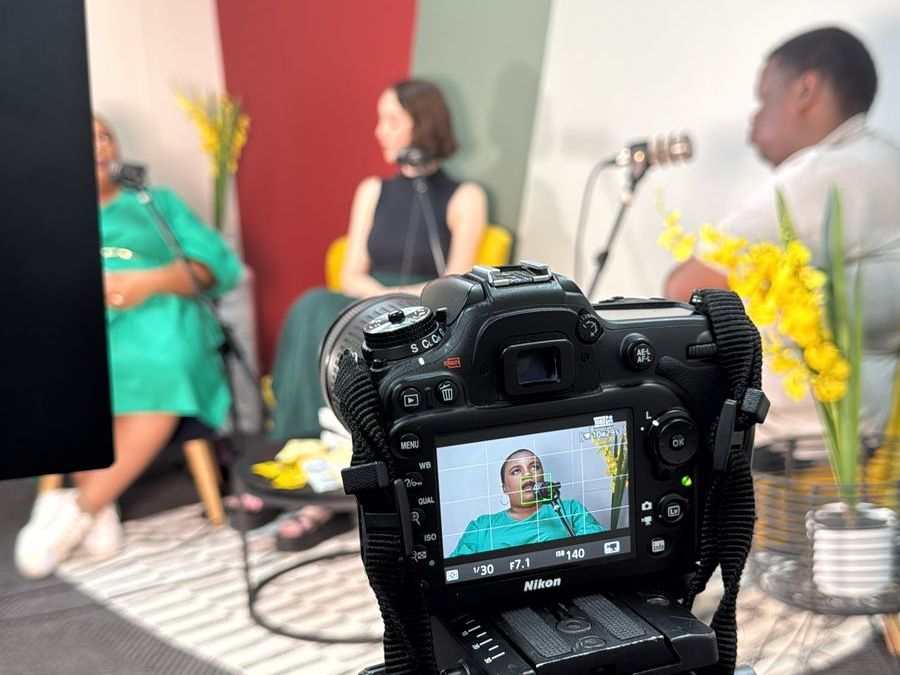
Research Coordinator Tanya Robbertse and Communications Coordinator Sesona Buyeye were panelists on a recent episode of the Ditokello Tsa Hao Podcast (translated from Setswana as "your rights"), organized by the South African National AIDS Council.


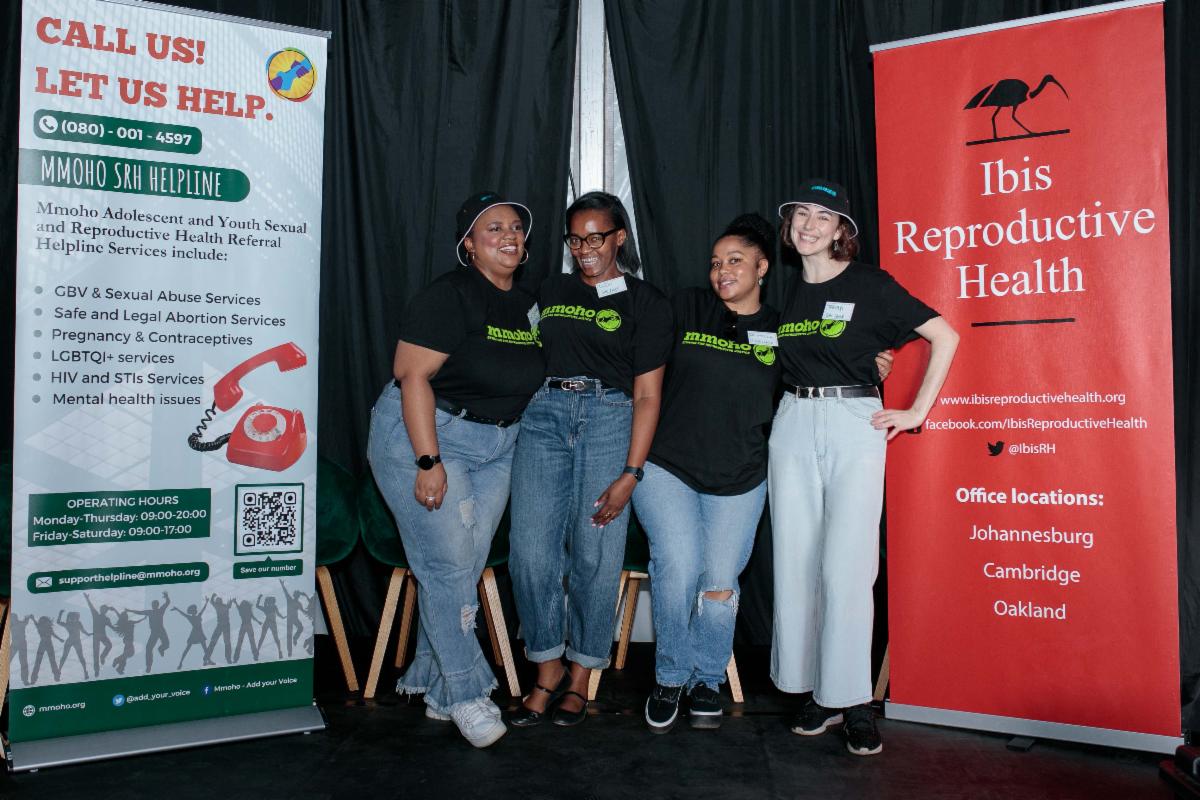
The episode—which you can listen to on Spotify or watch on YouTube—explored various aspects of abortion access in South Africa, providing factual, balanced, and empowering insights into the laws surrounding termination of pregnancy, barriers to accessing safe and high-quality abortion care, and resources for support such as Ibis's mmoho Sexual and Reproductive Health Helpline.

On March 22, Ibis's Johannesburg-based staff hosted an interactive workshop, Overcoming Misconceptions and Expanding Access, at the Human Rights Festival held for Human Rights Day, a national holiday in South Africa. This dialogue focused on the Choice on Termination of Pregnancy Act, a landmark piece of legislation that legalized abortion in South Africa. Though enacted in 1996, significant gaps remain in implementation. Ibis staff facilitated sessions that provided a space for participants to voice their perspectives about abortion, shared insights into how the law works on paper and in practice, dispelled myths about abortion, and highlighted the need for comprehensive education about abortion to ensure access to high-quality, safe abortion.


New publications


What's the difference between combined oral contraceptives (COCs) and progestin-only pills (POPs)?


COCs and POPs are the two types of daily birth control pills that people can take to prevent pregnancy. And while they have a lot in common, there are a few differences that people might want to be aware of as they decide which birth control method works best for them. Ibis-led project, Free the Pill, released a fact sheet and accompanying infographic to detail the safety, efficacy, usage, mechanisms of action, menstrual impact, non-contraceptive considerations, and availability of daily birth control pills in the United States.


Learn more here.

Media highlights

Free the Pill Senior Project Director Victoria Nichols, along with multiple Free the Pill steering committee and coalition members, were quoted by Newsday about the impact of the availability of an over-the-counter birth control pill, in recognition of the 1-year anniversary of Opill's launch.


Mail & Guardian published our blog post on the far-reaching impacts of the Trump Administration's Executive Orders and reinstatement of the Global Gag Rule on reproductive health care and rights in South Africa in their "Thought Leader" section, written by Associate Communications Director Dudu Mmeti and Communications Coordinator Sesona Buyeye.

Support us
Ibis Reproductive Health drives change through bold, rigorous research and principled partnerships that advance sexual and reproductive autonomy, choices, and health worldwide.

Learn how #IbisDrivesChange.
 
 
Facebook  Twitter  Linkedin