|
|
Drought, Smoke, and Tribal Communities: What We Learned and What’s Next
|
|
|
|
|
| *MLS-TRIAD was supported by the Regional Resilience Grant Program implemented by the California Governor’s Office of Land Use and Climate Innovation.
|
|
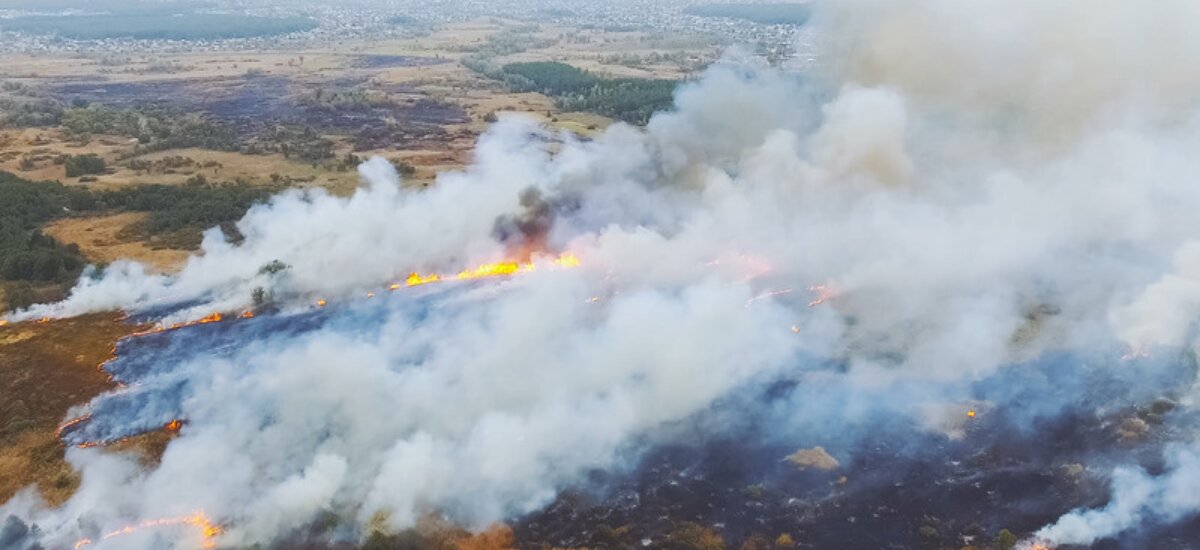
| | There are 26 federally recognized Pomo Tribes and at least 9 other Tribal groups in Sonoma, Lake, and Mendocino counties. The Tribes have been concerned about the effects of climate change and the health of communities during rising temperatures, drought, water shortages, and wildfires.
| Mendocino, Lake, and Sonoma-Tribal Resilience Initiative on Air Quality & Drought (MLS-TRIAD) was a collaboration between Big Valley Band of Pomo Indians, Middletown Rancheria of Pomo Indians, Sherwood Valley Band of Pomo Indians, and Tracking California that focused on improving resilience through air quality monitoring and understanding drought in the region.
|
|
|
|
|
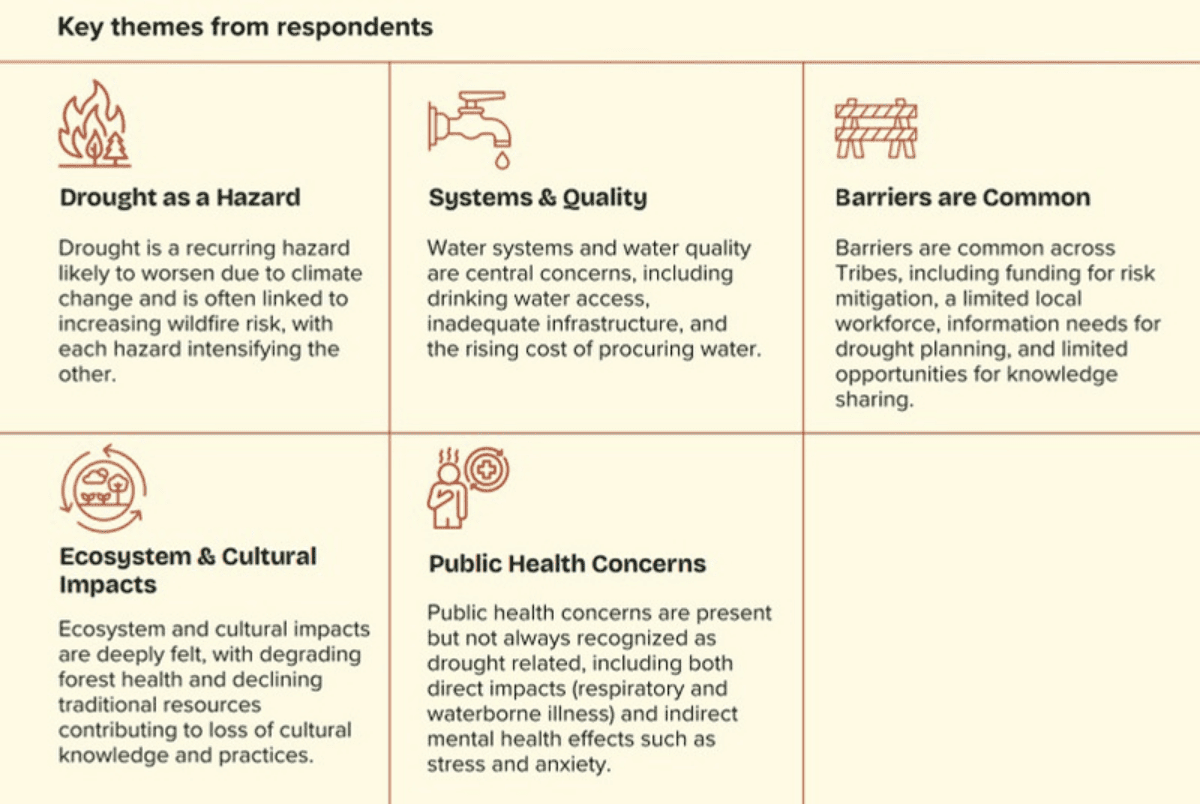
Between October 2025 and January 2026, MLS-TRIAD conducted one-on-one interviews with nine Tribes and an online survey with environmental staff across 12 Tribes, documenting drought impacts, preparedness levels, water concerns, and shared needs.
|
Their experiences are captured in a new report, Tribal perspectives on Drought in Mendocino, Lake, and Colusa Counties.
|
|
|
Working with Tribes to build Capacity and Establish an Air Monitoring Network
| Mendocino County only has two regulatory monitors that measure particulate matter, while Lake County has none. To help fill these gaps, the partnership equipped Tribal environmental staff with the skills to install and maintain PurpleAir monitors, download air quality data, and understand what the results mean for their communities.
| By expanding local monitoring capacity, the project is helping build a regional air monitoring network that provides more complete and timely air quality information, supports community awareness during smoke events, and strengthens data available for environmental health decision-making.
|
|
| | A New Tool to Read Air Quality Data Stored on Memory Cards
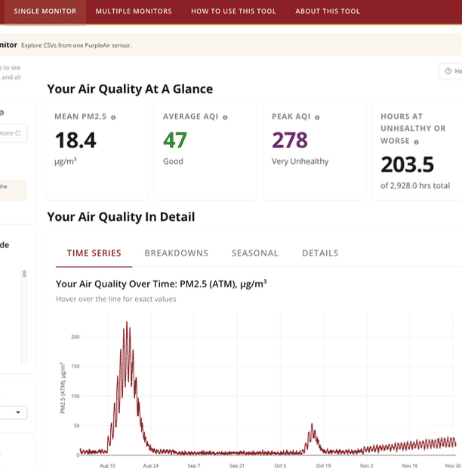
| Memory (SD) cards are often used to store readings when monitoring in remote locations without wifi, but data are often difficult to interpret. At the request of Tribal partners, the team built the PurpleAir Data Insights Tool, which is now available for free to the public.
| It turns SD card data into easy-to-interpret charts so communities can see when air quality was worse and identify patterns over time.
| |
|
|
|
|
|
What’s Next: Air Quality Alerts
|
As Tribes in the region maintain and add air monitors to the network, residents will have access to more localized air quality information, and soon, the ability to receive air quality alerts directly to help them make informed decisions when outdoor air quality is poor.
|
We’re connecting this regional network of monitors to IVAN Air, a network of more than 50 air monitors located throughout California. The network was developed in response to community residents’ concerns about air quality and their desire for more neighborhood-level data.
|
This new collaborative project, called MLS Tribal Air, is funded by Cal/EPA’s Environmental Justice Action Grant.
|
|
First Sickle Cell Disease Surveillance
Report Released
|
|
|
|
|
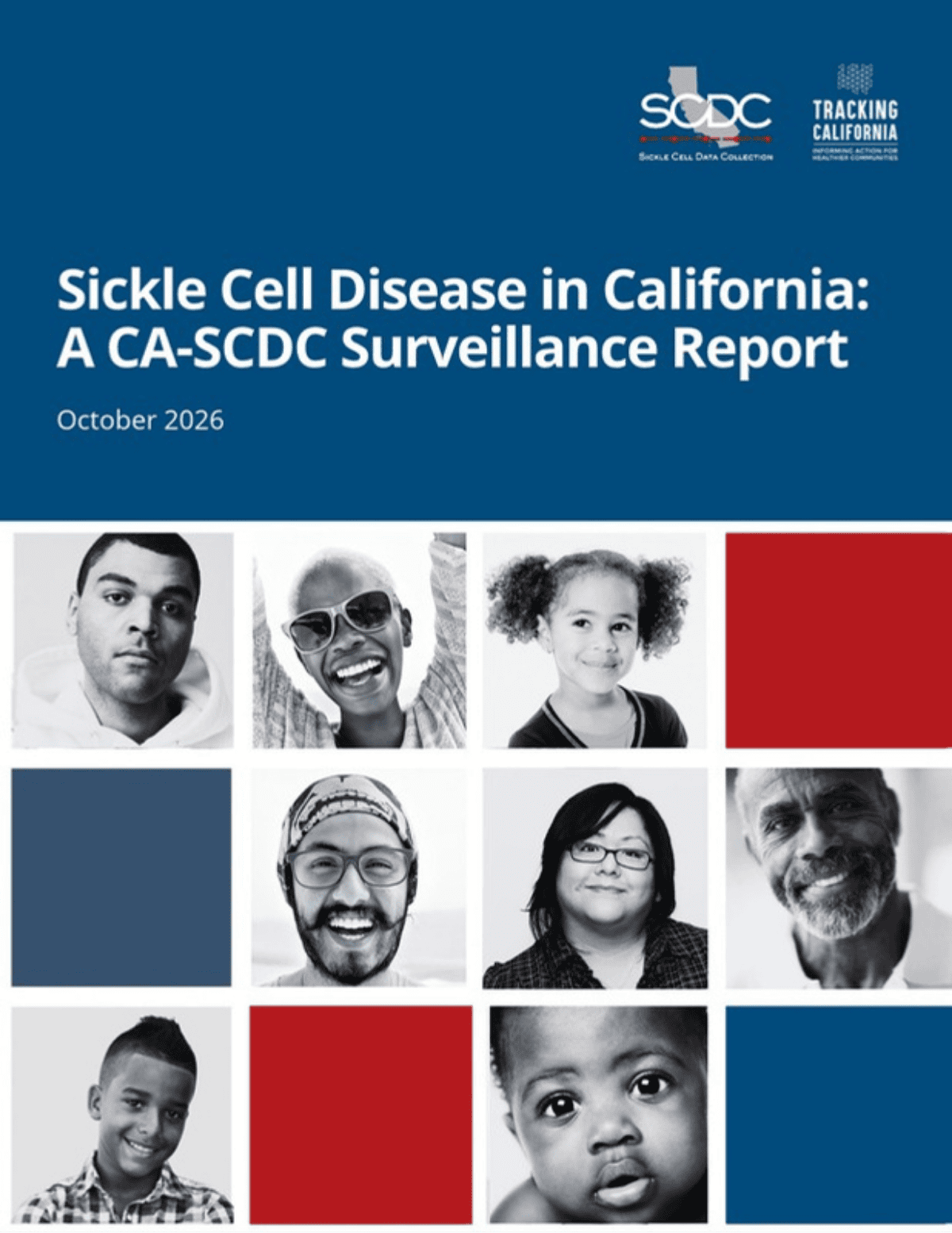
| | Tracking California’s Sickle Cell Data Collection (CA-SCDC) Program released its 2026 Surveillance Report, which identified more than 7,000 Californians living with sickle cell disease, an inherited blood disorder that can cause severe pain, organ damage, and other serious health issues, between 2021 and 2023. The report also found:
| | • | Adults lose access to specialists. Three in four Californians with SCD are adults, but hematologist visits fall from 73% of children age 10 and under to 26% of people in their twenties and 7% of those 60 and older.
|
|
|
|
|
|
| • | Heavy reliance on emergency care. Californians with SCD visited the emergency department at more than four times the rate of all Californians. Thirty-three percent of people with SCD discharged from the hospital returned within 30 days, compared with 15% of Californians overall.
|
|
| • | Pregnancy carries substantial risk. Based on hospital data, nearly one in three pregnant Californians with SCD between 2019 and 2023 experienced severe maternal morbidity, most often involving a sickle cell crisis or blood transfusion.
|
|
Why now?
|
New federal Medi-Cal requirements beginning in 2027 could affect coverage for people with SCD, making access to care and eligibility protections especially important. At the same time, California is expanding investments in SCD care, including new funding for Sickle Cell Centers of Excellence and broader access to emerging gene therapies. This report provides a baseline for tracking how these policy changes and investments impact Californians living with the disease.
|
Explore the Report →
Read the Press Release →
|
|
|
This year we’re joining CDC’s Environmental Public Health Tracking and other Tracking programs in celebrating #TrackOrTreat
| Follow us on our social media channels on October 30th as we share #publichealth frights in the form of Halloween visual cards along with links to data, tools, and resources.
| Stay safe and informed!
|
|
| | |
|
|
|
|
Where to Find Us
|
American Public Health Association Meeting & Expo
| Tuesday November 3 from 12:30pm-1:30pm
Poster Session
| Please note that this is a closed conference session open only to those who registered.
|
|
| | Breaking the monolith: disaggregated data reveal hidden asthma disparities among Asian American and Native Hawaiian and Pacific Islander
| Using five years of newly disaggregated statewide emergency department data (2019-2023), this poster compares asthma burden among Asian American and Native Hawaiian and Pacific Islander (AANHPI) Californians. Reporting AANHPI communities as a single group hides large disparities: NHPI Californians had much higher asthma ED visit rates than White Californians, and the gap varied widely by ZIP code.
|
|
|
|
|
|
Resilience Hub Learning Community
| Wednesday December 2 from 12pm-2pm
Online
| The Resilience Hub Learning Community offers a space to share ideas, solve challenges together, and learn from others building resilience hubs.
|
|
| | Session 3: Fundraising & Sustainability
| This session will be an opportunity to learn about financing resilience hubs, including diverse revenue streams and partnerships, to support programming and operations.
| This session is open to anyone planning, building, or operating a resilience hub or cooling center.
| Register Here
|
|
|
|
|