|
Students and alumni worked hard this Winter Quarter and are so excited to share their updates.
In this issue:
-
Project: Planet: Drew Baglino, Senior Vice President of Powertrain and Energy Engineering, Tesla
- PhD and Joint MS Collaboration Grants
- Joint MS Research Assistantship
- Events: Featured Faculty Talk, GSB Climate, Business & Innovation Summit, Joint and Dual MS Winter Capstone Symposium
- Student Connections: E-IPER Tea, Trivia Night, Joint MS Student-Faculty Lunch, March Madness Challenge, PhD Alumni Visit, Mini PhD Alumni Reunion
- Alumni News, Awards & Honors, Publications & Presentations
| |
|
Project: Planet
Accelerating sustainable innovation through collaboration
| |
|
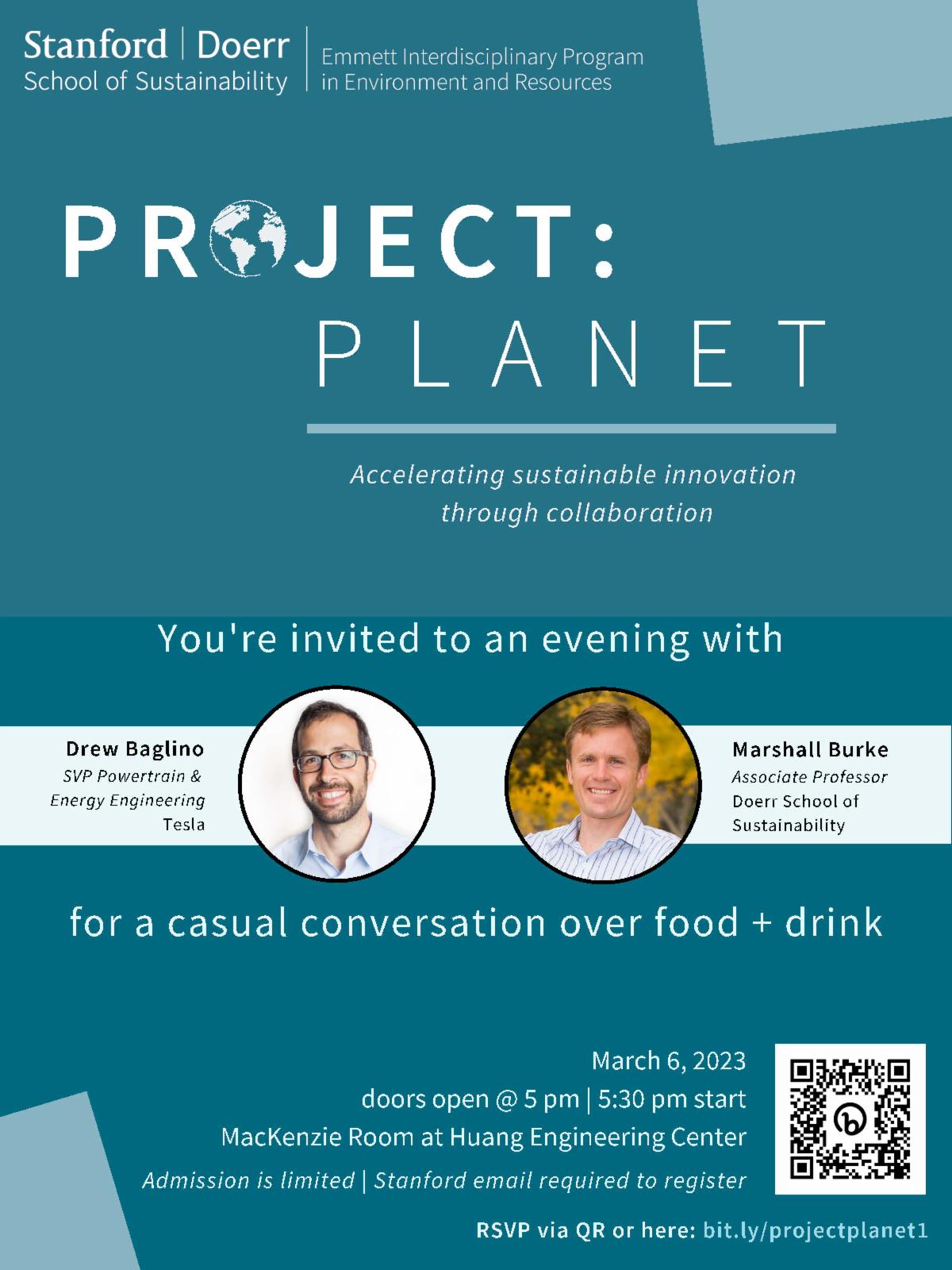
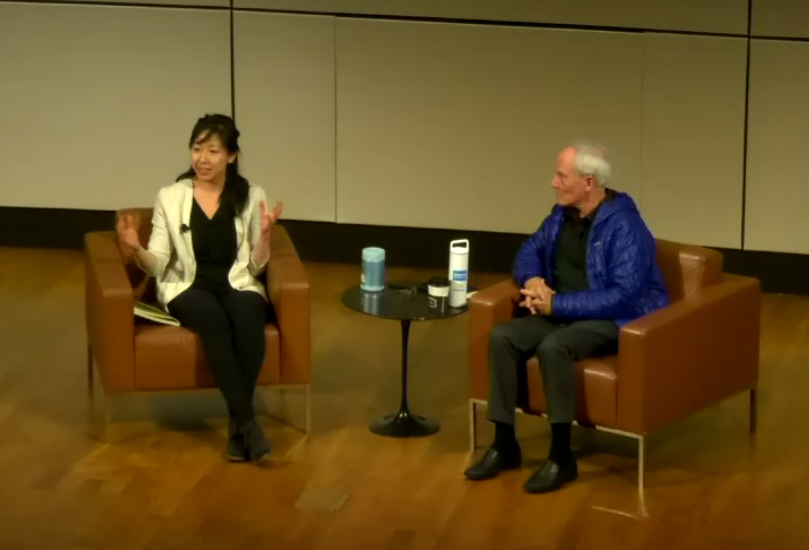
The mission of Project: Planet is to partner with our affiliated faculty population to bring global leaders in sustainability together to talk about the latest and greatest challenges and opportunities facing them– their unresolved problems, their newest, biggest issues that need solving. In doing so, we hope to create new opportunities for connections between students, faculty, staff, and industry professionals all united around the same goal of sustainability. For our kick-off event, we featured our own Professor Marshall Burke, and Drew Baglino, Senior Vice President of Powertrain and Energy Engineering at Tesla.
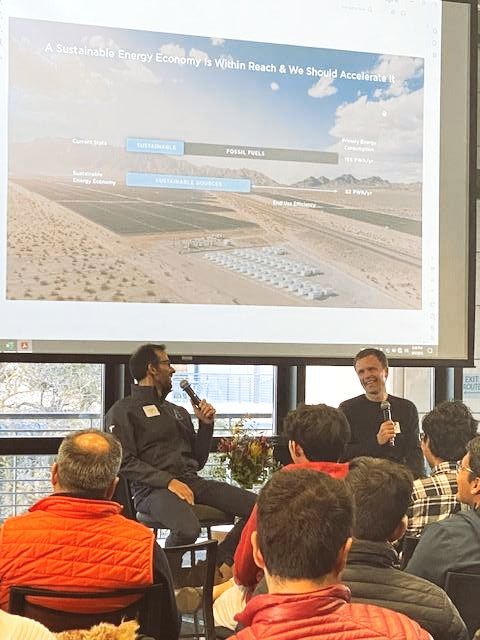
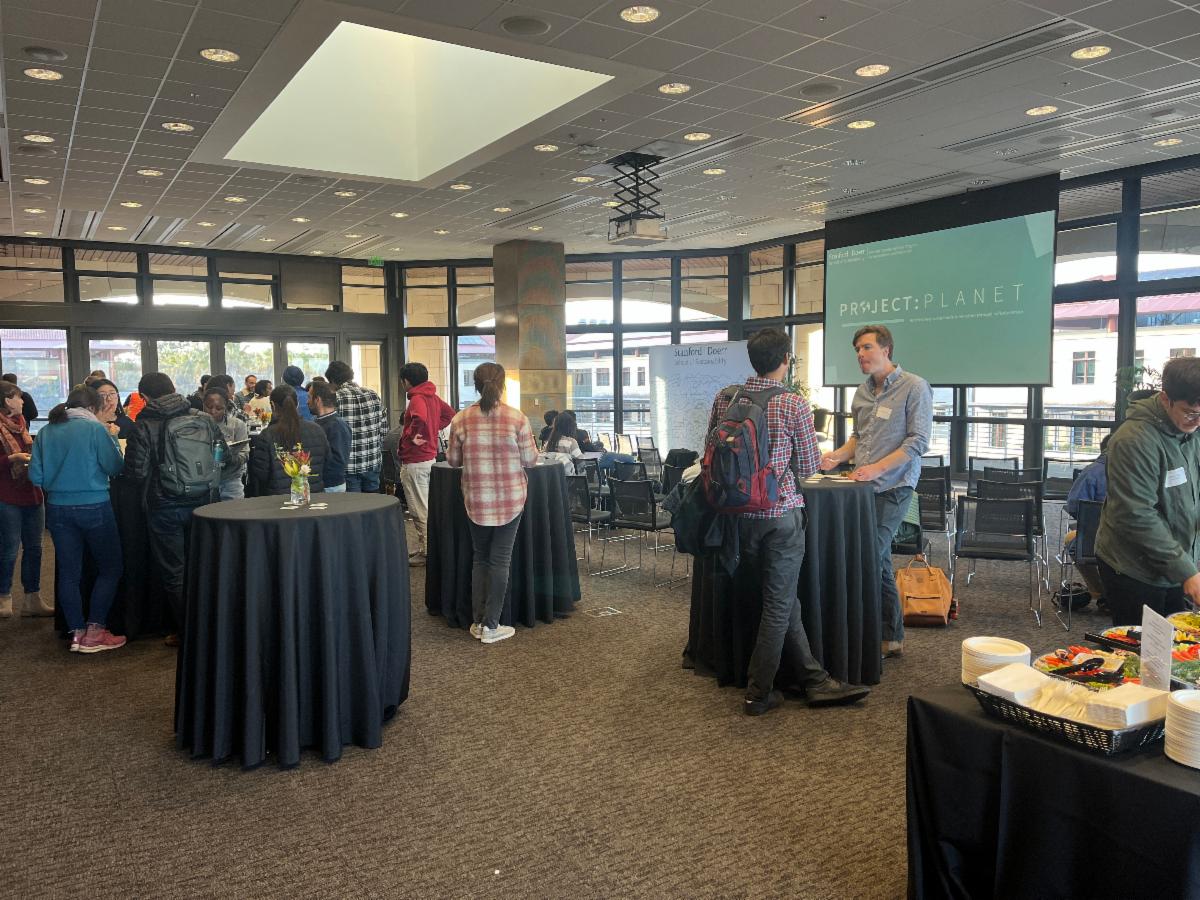
The evening started with mingling over apps and drinks, giving the 60 students, faculty, and affiliates in attendance a chance to meet each other. As the music faded, everyone turned their focus to Drew and Marshall as they began to discuss what it would take to achieve a sustainable energy economy. While fielding questions about resource extraction, geopolitics, advice to give to current students, electric aviation, virtual power plants, and how many companies are too many for a CEO to run, Drew and Marshall kept the audience's engagement at an all-time high. Over additional food and drinks, conversation between attendees continued long into the evening, and Drew and a group of students stayed past the end of the event to continue talking.
Our first Project: Planet was a success! It was incredible to see the connections being made across the school and beyond, between students as well as with Drew. And this was just the first of many more—stay tuned because we hope to see you at our future Project: Planet collaborations!
| |
PhD and Joint MS Collaboration Grants | |
|
The 2022 - 2023 five collaboration grant student teams have been busy! Here is an overview of their current work as they finish up their projects. Congratulations to all the grantees on their superb work.
Celina Scott-Buechler (PhD), Royce Gene (MS-MBA), and Greg Zegas (MS-MBA)
Celina, Royce, and Greg’s project explored the social, political, and economic enablers or catalysts for carbon dioxide removal advancement in the United States, using a mixed methods approach with a nationally representative conjoint design survey, community listening sessions, and a policy analysis. Their survey revealed, unsurprisingly, low prior knowledge of direct air capture (DAC), but also a tendency toward greater overall support for DAC when cited nebulously “in the U.S.” rather than in respondents’ own communities, indicative of “not-in-my-backyard” sentiments. A key takeaway through their collective work is that the technological elements of a DAC project can be important in determining its license to operate, although secondary to social and economic considerations. Of their overall experience, they said, “The collaboration grant was a special opportunity to apply E-IPER’s interdisciplinary mindset to a timely topic. We were grateful to have a chance to contribute to the national discourse on carbon dioxide removal and look forward to carrying the work forward.”
Leehi Yona (PhD) and Alana Reynolds (MS-JD)
Leehi and Alana report that they’ve been hard at work on their research interviews, aiming to understand how the Clean Air Act can be leveraged to regulate aviation greenhouse gas emissions. They hope that their results will illustrate both the barriers, and opportunities, facing the EPA when it comes to reducing these emissions. On a personal note, they say, “we also really appreciate the opportunity to learn from one another’s different skill sets!"
Karli Moore (PhD) and Claire Yerman (MS-JD)
Karli and Claire are working to understand the opportunities and barriers for agrivoltaics in Tribal communities. Claire has been looking at the Inflation Reduction Act to understand how its provisions might impact tribal ownership of agrivoltaic projects in Indian Country, while Karli has been refining a GIS tool for calculating suitability and interviewing tribal agriculture professionals for their perspectives.
Ryan O’Connor (PhD) and Emily Rogers (MS-MBA)
Ryan and Emily continued their collaboration grant work by conducting a series of expert interviews with managers, scientists, and business users in the Hawaiian Islands Humpback Whale National Marine Sanctuary. These exploratory interviews captured decision-making and information-sharing pathways across the three levels of government that share jurisdiction in the sanctuary—the US federal government, the state of Hawaii, and the county of Maui. Initial analysis of the results has generated the hypothesis that, despite the sanctuary being equally co-managed on paper by the state and federal governments, decision-making power and management effectiveness are both inequitable across these two levels of government, presenting an important opportunity for future research.
Bianca Santos (PhD) and Sabrina Devereaux (MS-JD)
Sabrina spent the past quarter analyzing North Pacific governance frameworks for managing highly migratory marine species, while Bianca worked on assessing the spatial re-distribution of projected climate-driven habitat shifts for these species. Bianca and Sabrina are planning to build upon these initial findings in a co-authored piece exploring present and future "governance gaps" in the sustainable management and conservation of these species that they hope to submit for publication in the coming months.
| |
E-IPER Joint MS Research Assistantships | |
|
Three MS students have been awarded E-IPER MS RAships for spring quarter. The RAship offers students the opportunity to work on faculty mentored, individualized environment, energy, and sustainability research. Through this offering, E-IPER aims to encourage and accelerate collaboration among faculty scholars, their labs, and the MS students as emerging practitioners.
Joyce Lin, a Dual MS-MIP student, and Edgar Bendezu-Medina, a Joint MS- MBA student, will be working with Prof. Marshall Burke and his lab on the Assessing the Impacts of Climate Change on Air Pollution and Human Health project. This research provides an urgently needed assessment of climate change impacts on air pollution and human health at the global scale. The research team aims to synthesize the existing evidence on linkages between climate change and air quality and estimate the global health impacts of climate-induced pollution. Joyce and Edgar will work on conducting a comprehensive literature overview to identify the important linkages between climate change and air pollution. They will be focusing on how climate change influences the dust-related pollution process while the other students will be focusing on how climate change influences residential energy usage and its implications on air quality.
Michelle Ng, dual E-IPER MS student, pursuing a PhD student in Communications, will be working with Prof. Gabrielle Wong-Parodi and her lab on the Our Communities, Our Bay study. The study is a collaboration with the Stanford Future Bay Initiative, RTI International, Sonoma Technology, Inc., El Concilio of San Mateo County, and Climate Resilient Communities to investigate the effectiveness of affordable interventions in reducing exposure to climate change-related hazards among low-income, hard-to-reach households. Michelle’s research work will include assisting with recruitment and data collection as well as supporting and managing project technology.
| |
|
E-IPER Featured Faculty Talk:
Navigating Our Way to Solutions in Marine Conservation
by Prof. Larry Crowder
| |
|
On Wednesday, February 22, 2023, Professor Larry Crowder gave a special presentation to E-IPER, Navigating Our Way to Solutions in Marine Conservation, to share his recent research in marine conservation.
Professor Crowder’s research is solutions oriented, empowering community members to be a part of the decision-making process. In his presentation, he shares his experience and approach in engaging community members, and collaborating with them to develop and implement sustainable solutions for coastal human and natural communities. In combination with dynamic ocean management tools such as remote sensing, satellite tracking, computing tools, etc. Professor Crowder’s research highlights the importance of interdisciplinary and transdisciplinary research to solve complex problems related to small scale fisheries, marine conservation, a framework for social responsibility, and equity.
As lead advisor to multiple E-IPER students past and present, Professor Crowder’s talk naturally featured multiple projects from current E-IPER PhD student, Bianca Silva Santos, and E-IPER alumni including Josheena Naggea, Jose Urteaga, and Shannon Switzer Swanson.
His new book, Navigating Our Way to Solutions in Marine Conservation (which will be available Summer 2023 for free download!), is designed to reflect the broader insights and diverse voices emerging in marine conservation. The book features both scholars and practitioners who work in governance, social and natural sciences, and includes diverse authorship across disciplines, cultures, and nations.
| |
GSB Climate, Business & Innovation Summit | |
|
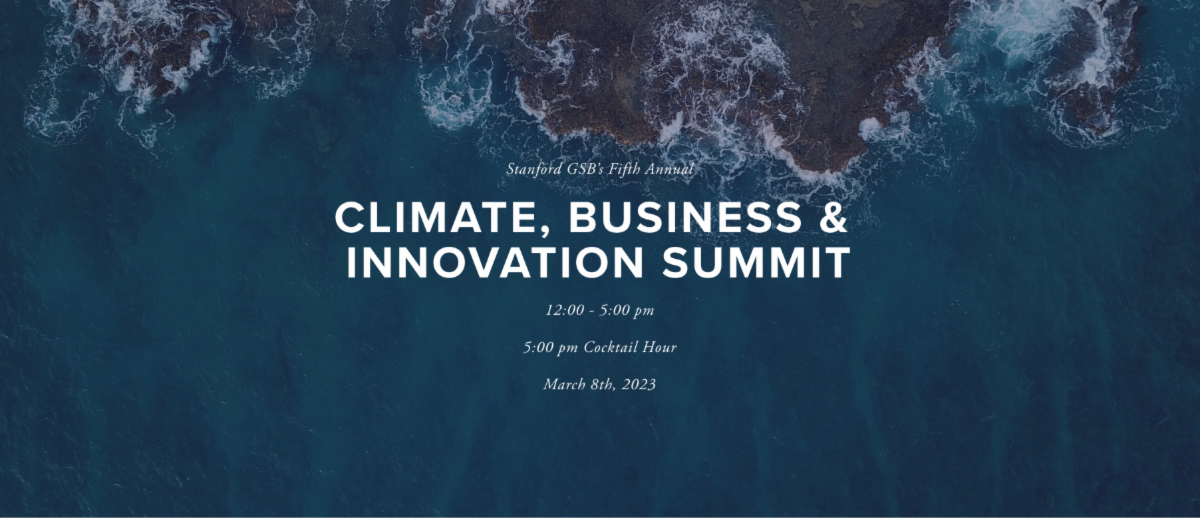
On March 8, Cam Chisolm (MBA '23), Katie Lee (MS-MBA '23) and Michael Zincone (MBA '23) co-hosted the fifth annual GSB Climate, Business & Innovation Summit.
The event began with a keynote address by Lynn Jurich (BS, MBA), Co-Executive Chair and Co-Founder of Sunrun. Four panels were held in the afternoon. Alwin Hui (MS-MBA ‘23) moderated a panel on consumer influence on climate, and Dave Rogers, an E-IPER course instructor, moderated a panel on operationalizing policy incentives. Additional panels focused on getting to net zero and financing the energy transition.
E-IPER hosted a morning brunch before the Summit to bring E-IPER students together with event alumni and panelists. The Brunch was organized by Katie Lee (MS-MBA 23’) and was attended by 40 participants from across the E-IPER community.
| |
Autumn Joint and Dual MS Capstone Symposium | |
|
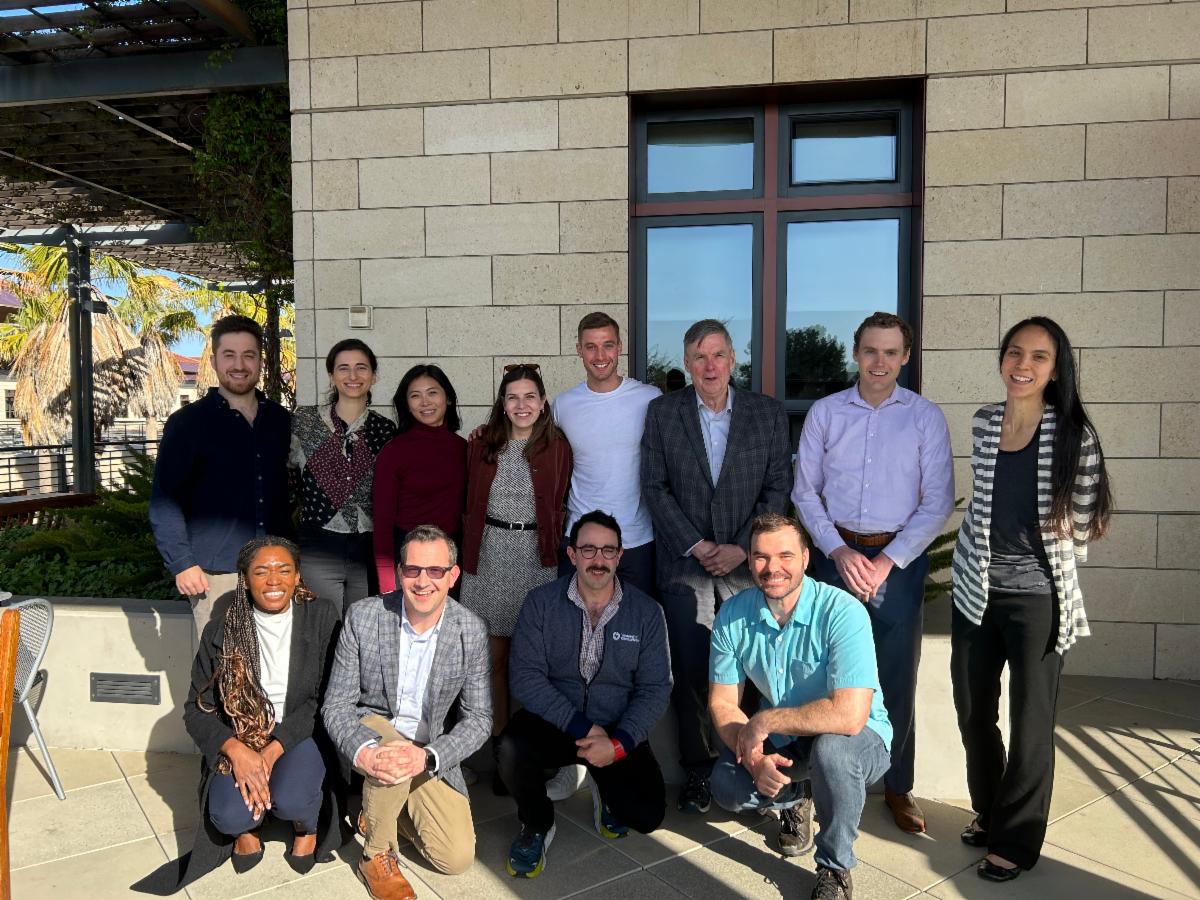
On Thursday, March 16 E-IPER held its Winter 2023 Capstone Symposium. The capstone project is an opportunity for students to address a real-world environmental problem by integrating their E-IPER and professional school coursework in an interdisciplinary project. Seventeen Joint and Dual MS students, who are pursuing MBA, JD, MIP, or MD degrees at Stanford, presented a diverse range of projects.
Videos of the winter 2023 capstone projects can be found on our website. These capstone students will graduate from Stanford winter or spring of 2023 and we look forward to seeing what they do next.
| |
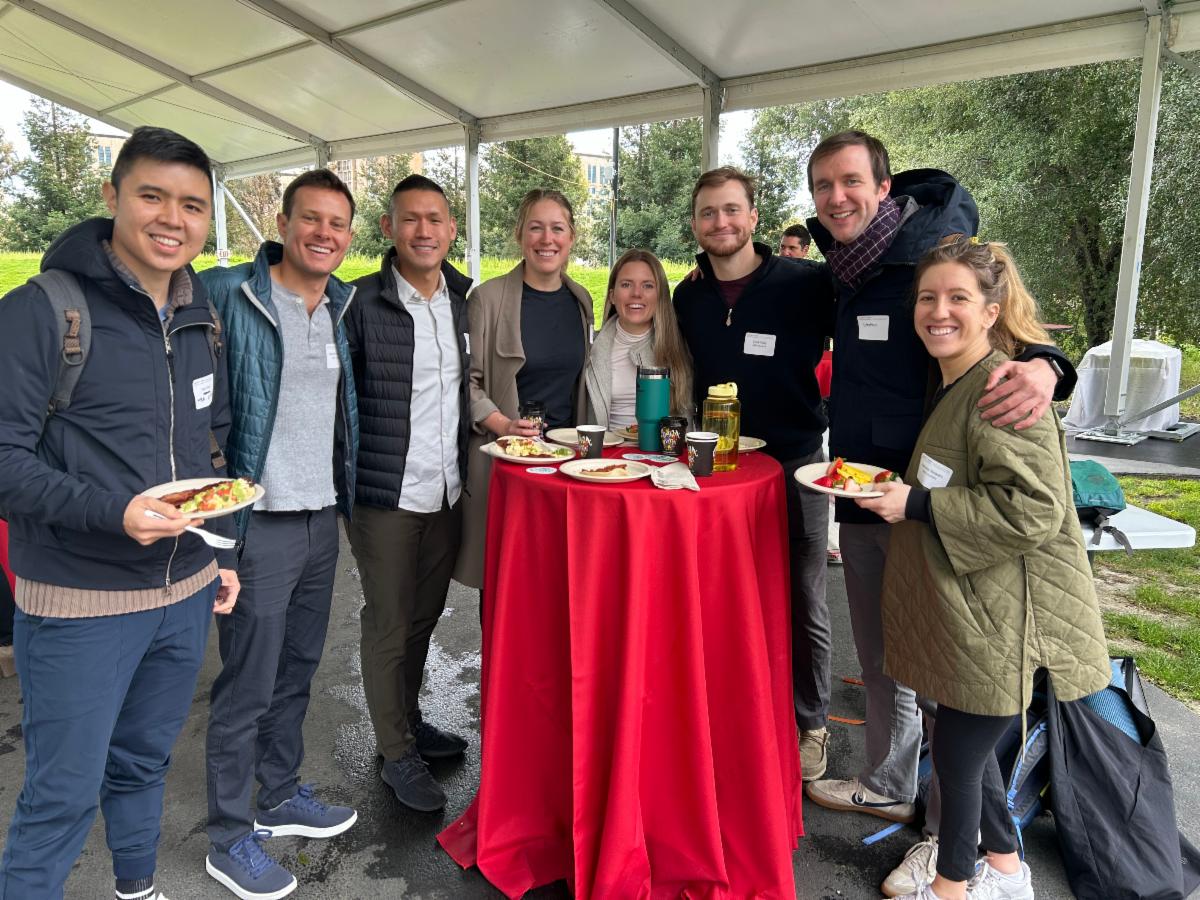
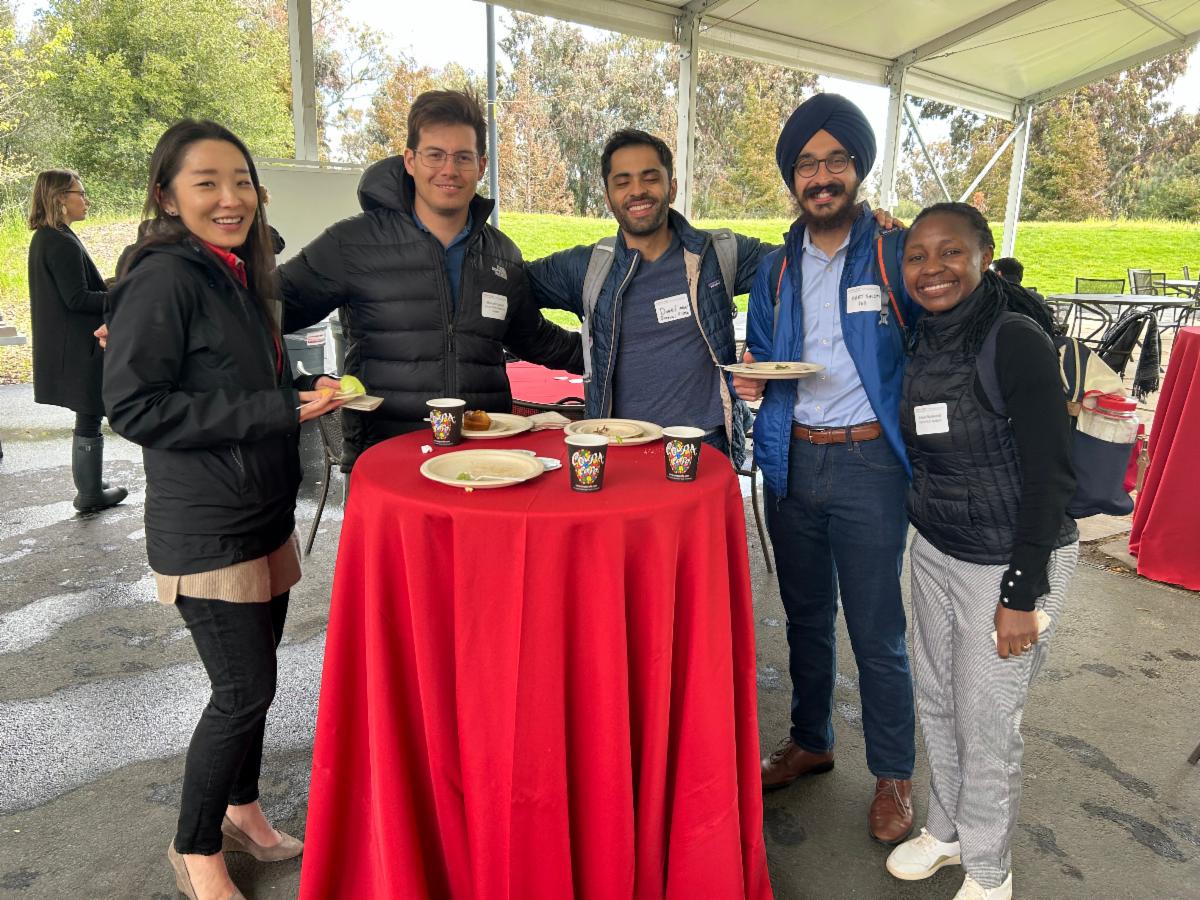
E-IPER Weekly Tea continues on Wednesdays on the patio outside of the suite. This event allows a chance to connect with friends, relax, connect, and enjoy some tasty treats. Each week a different volunteer whips up a culinary creation to share with the group. E-IPER has also acquired fidget toys to fidget while enjoying some good tea and great company, during a break or while busy working! | |
|
As a kickoff to the winter quarter, E-IPER hosted a trivia night to bring together teams of PhD and Dual/Joint MS students for some friendly competition. The hosts for the evening included one of our current first year E-IPER PhD students, Emma Krasovich Southworth. She and her partner co-founded a trivia company called aeroTRIV, which creates bespoke trivia games and donates 50% of all proceeds to organizations focused on addressing civil rights, social and racial justice, and climate action.
For E-IPER's trivia night, the content was tailored to our community, with round names ranging from Deep Decarbonization to Lights, Camera, (Climate) Action and The Doerr is Open. We had five teams competing for bragging rights, but everyone left having had a great time!
| |
Joint MS Student-Faculty Lunch | |
|
E-IPER is proud to host the Joint & Dual MS Student-Faculty lunches to support faculty advising relationships with our current student population These small, quarterly lunches are designed to be student driven conversations. Discussions focus on both the scholar(s)’s work, students' interests, projects of mutual interest, courses, and more!
This Winter quarter we had the pleasure of hosting a lunch with Prof. Jenny Suckale of Geophysics. Lunch discussions focused on public service career pathways and environmental emergency relief.
| |
March Madness Bracket Challenge | |
|
E-IPER students gathered in Y2E2 to be part of March Madness. Jayson,
Sergio, and Sarah (all PhD students) organized a happy hour that included a bracket challenge for the NCAA men’s college basketball tournament. Mediterranean food was served for dinner and a variety of drinks were offered to students while they were watching the game or filling in their brackets. E-IPER generously provided prizes for the winners of the challenge as well as for a raffle for students who attended the event.
| |
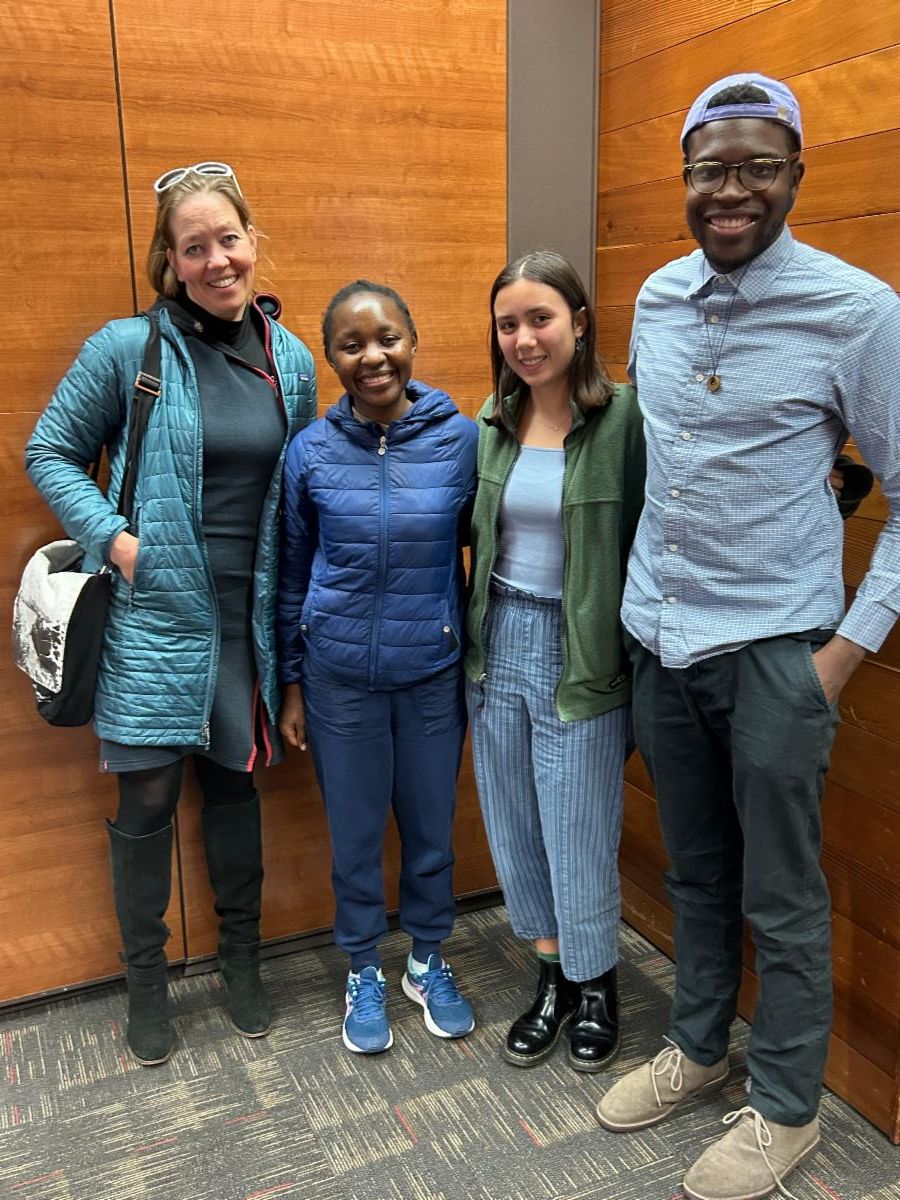
We were thrilled to have more alumni visits this winter quarter. Current MS and PhD students had the opportunity to meet with our visiting guests over lunch and during one-on-one meetings. Visiting alumni included Danny Cullenward and Kimberly Nichols. Danny Cullenward, a lecturer and Affiliate Fellow at Stanford Law School was invited by E-IPER PhD students to come share his experiences. Coming from Lund University in Sweden, Kim Nichols was at Stanford for part of winter quarter as a visiting scholar with Woods Institute for the Environment. | Danny Cullenward is a climate economist and lawyer focused on the design and implementation of scientifically grounded climate policy. His book, Making Climate Policy Work (with David G. Victor), explains how political forces make green industrial policy more effective than carbon pricing. | |
Prof. Kimberly Nicholas is a sustainability scientist at Lund University in Sweden. She has published over 55 articles on climate and sustainability and is the author of Under The Sky We Make: How to Be Human in a Warming World, as well as the monthly climate newsletter We Can Fix It.
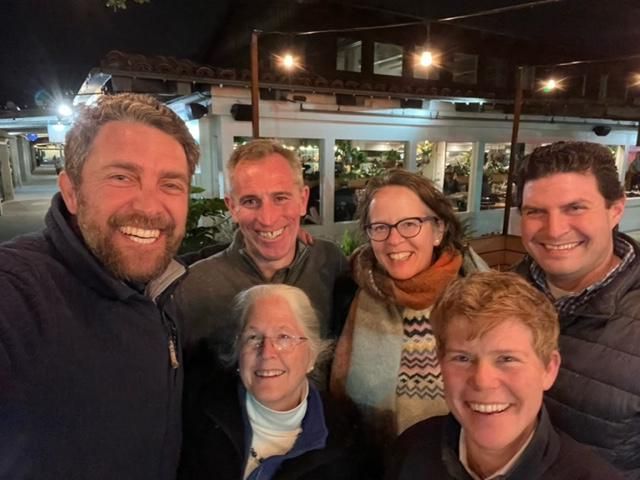
To celebrate Kim Nicholas’s Visiting Scholar appointment at the Woods Institute, we decided to hold a reunion dinner for E-IPER students from the first few cohorts. We gathered on a chilly evening at Wildseed, a marvelous new vegan restaurant in Town and Country. There was great merriment, laughter as we reminisced, joy as we shared our family and professional news and loving support for the challenges we have faced. We intend to strengthen our bonds, and keep connected with our E-IPER family. The evening was so wonderful that we plan to host a reunion dinner for the 2002-2005 IPERnauts every year. Stay tuned and let us know when you are near the Farm!
| |
|
Left to right: back row: Geoff Shester, Mark Hayes, Kim Nicholas, Mike Mastrandrea
Front row: Suki Hoagland, Holmes Hummel
| |
|
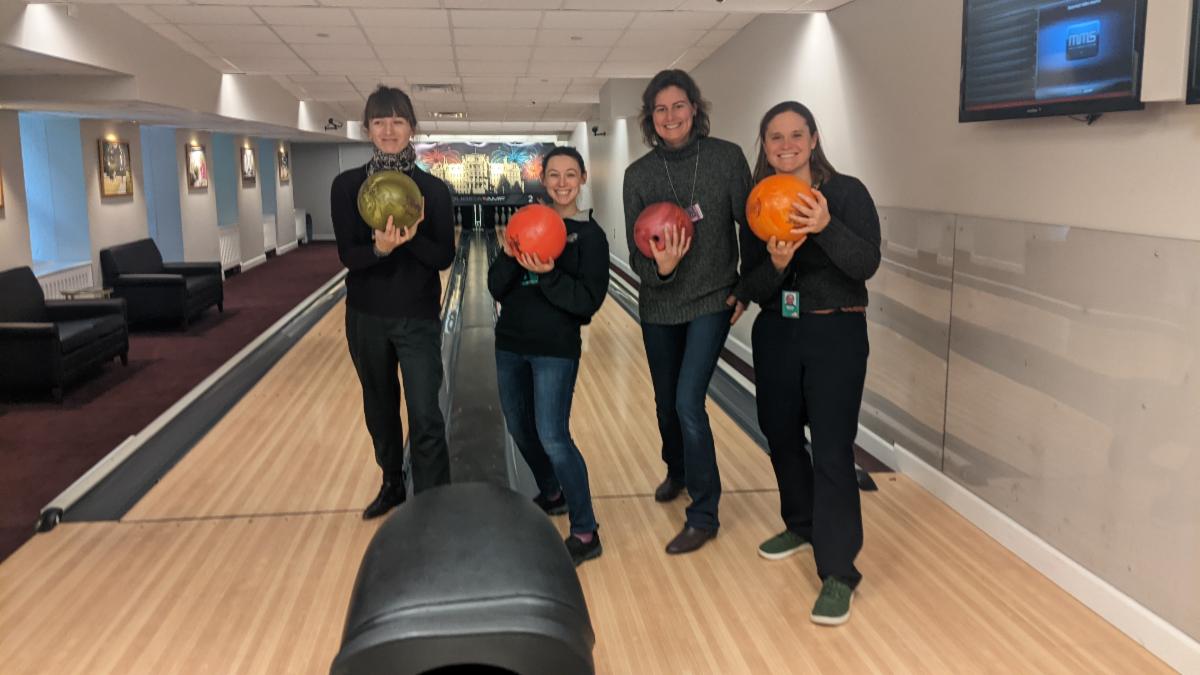
A mini E-IPER alumni reunion in DC at the White House Bowling Alley.
Left to right: Aiga Stokenberga, Rebecca Miller, Joanne Gaskell and Frances Moore.
| |
|
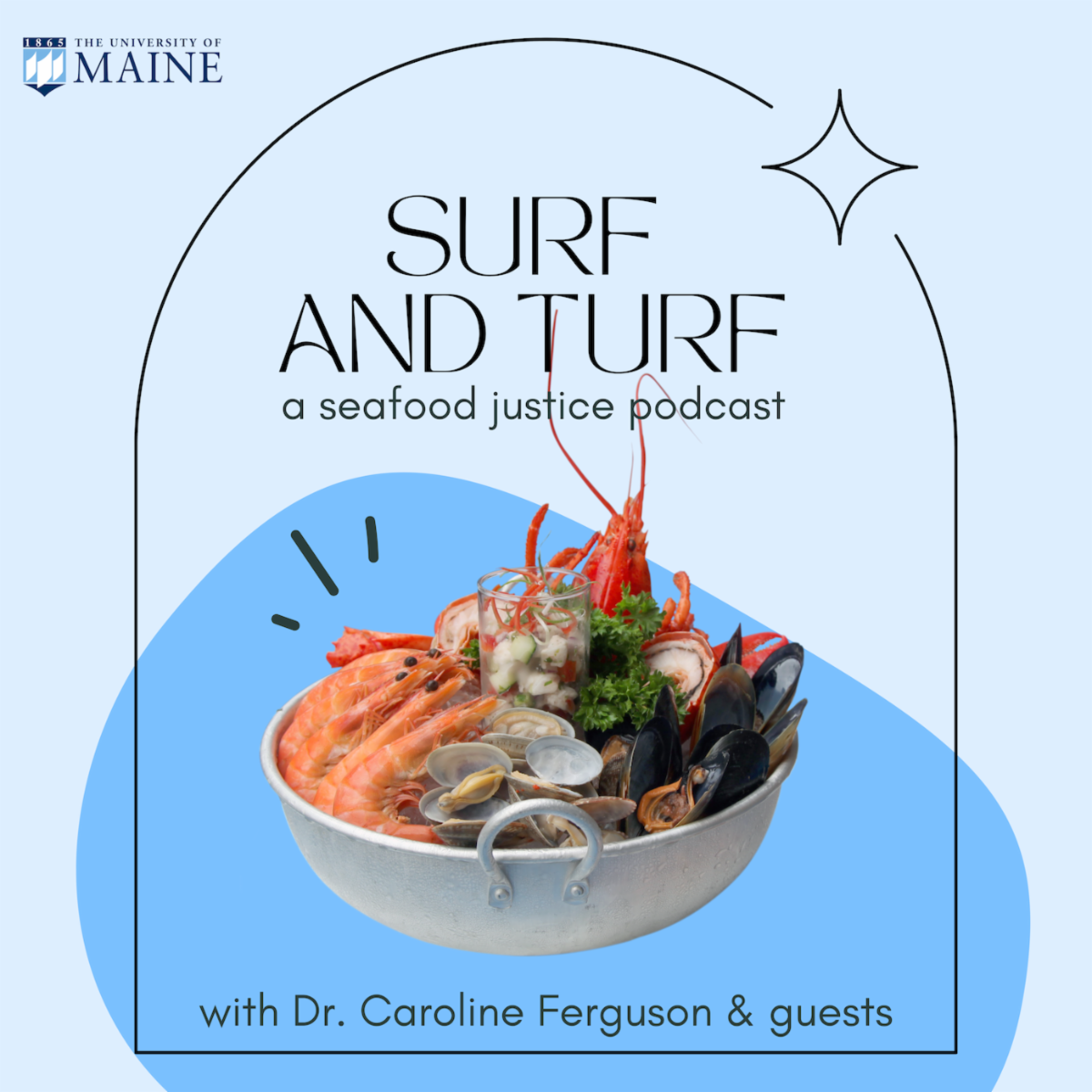
In her new Postdoctoral Research Associate position at the University of Maine, Caroline Ferguson (PhD, ‘21) is producing Surf & Turf: A Seafood Justice Podcast. Featuring the voices of fishermen and their families, people working in processing and marketing, scientists, advocates, and eaters, the podcast sheds light on pressing justice problems in our seafood system and explores innovative solutions to creating a more equitable and just fishing future for all. You can listen at www.surfandturfpodcast.com.
| |
|
David Gonzalez (PhD, ‘21) has accepted a position as Assistant Professor of Health Disparities and Environmental Justice at the UC Berkeley School of Public Health.
Andrew Hume (PhD, ‘22) joined the Global Environment Facility (GEF), part of the World Bank Group, as a Senior Environmental Specialist. Andrew serves as the GEF International Waters Focal Area Coordinator as well as the GEF Ocean Coordinator.
Tom Mercer (MS-MBA, ‘10) recently joined Rewiring America as Head of Product. Tom and his team will be building software that helps accelerate electrification in this country, particularly focused on residential buildings and using the Inflation Reduction Act's incentives as a catalyst for demand in the market. Tom joined Rewiring America after 4.5 years at Remix and Via, building software to help transit agencies and cities plan better transit systems and safer streets. Rewiring America is hiring. Please see the job page for details.
In January of 2023, José Urteaga (PhD, ‘22) joined the conservation organization Wild Earth Allies as the Director of Marine Partnerships. In this role, José will lead programs that support and strengthen the capacities of local conservation initiatives in El Salvador, Costa Rica, Cambodia, and Vietnam. He will also facilitate the implementation of collaborative approaches to conservation and the adoption of social-ecological frameworks to design, implement and evaluate these projects. Learn more at wildearthallies.org.
| |
|
Jill Ferguson (PhD, 2nd) has won Senator Josh Becker’s ‘Ought to Be a Law’ competition for the 23-24 legislative cycle. Jill submitted a bill idea to create a single layered online application for California’s energy incentive programs under the California Energy Commission (CEC). The bill idea will be carried in Senate Bill 755, called ‘California’s Layered Energy Application for Residents (CLEAR).’ The Senator’s press release can be read here.
Gus Greenstein (PhD, 5th) received the 2023 Graduate Student Paper Award from the International Studies Association Environmental Studies Section for a working paper titled, “Personnel Allocation and Deforestation Control in Brazil’s Protected Areas.”
| |
Krish Mehta (MS-MBA) was awarded the TomKat Solutions Phase 1 grant for decarbonizing cement. The grant covers up to $50k in expenses for entrepreneurs looking to reduce emissions from developing nations.
| |
Lauren Oakes (PhD, ‘15) was selected for a book grant from the Alfred P. Sloan Foundation. These grants are awarded to non-fiction writers for works in progress; the authors must have a contract in place and submit part of the book for application. This is in support of Lauren's new forthcoming book, Treekeepers (Basic Books 2024), which is about the science and legitimacy behind the global reforestation movement.
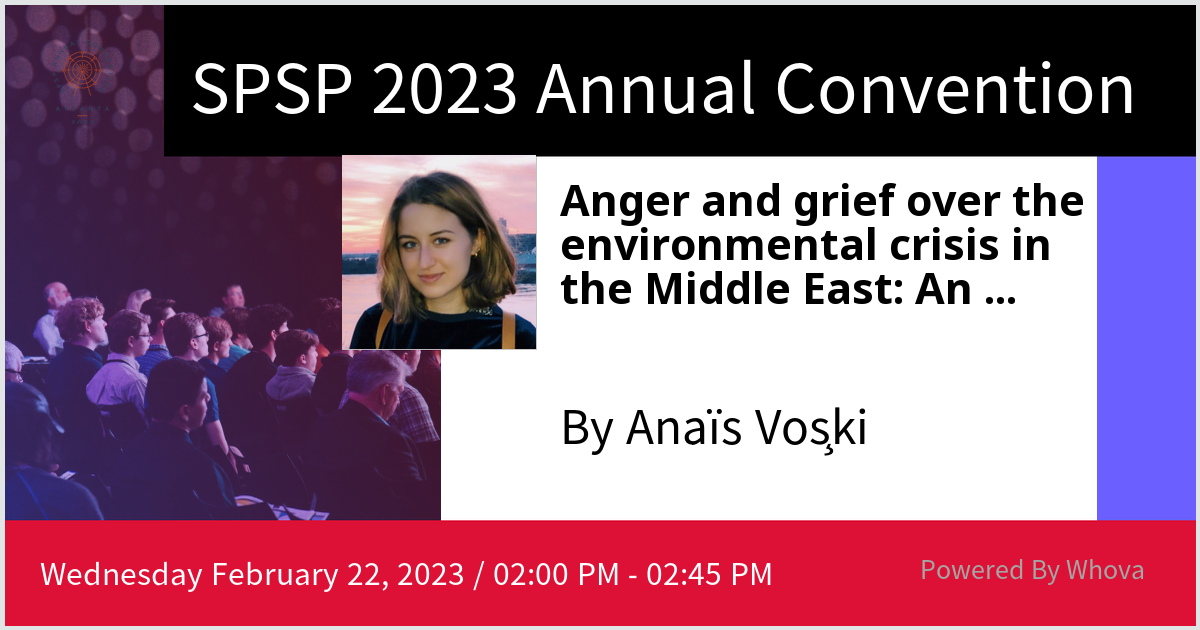
Anais Voski (PhD, 2nd) has won the Best Student Poster award at the Sustainability Pre-conference of the Society for Personality and Social Psychology (SPSP) 2023 annual convention! Anais was presenting the first chapter of her dissertation research, on eco-emotions about the environmental crisis in the Middle East, specifically in Türkiye, Anais' home.
| |
Publications & Presentations | |
|
Our alumni have been busy publishing!
Books
| |
Marilyn Cornelius (PhD, ‘13) has written a chapter about anger, for an anthology called From Anger to Love, published by the Heartfulness Education Trust. The volume contains tips on how to manage anger, from authors who all teach some form of self-development. Marilyn's chapter focuses on anger as a messenger of trauma. You can read more about it here.
| |
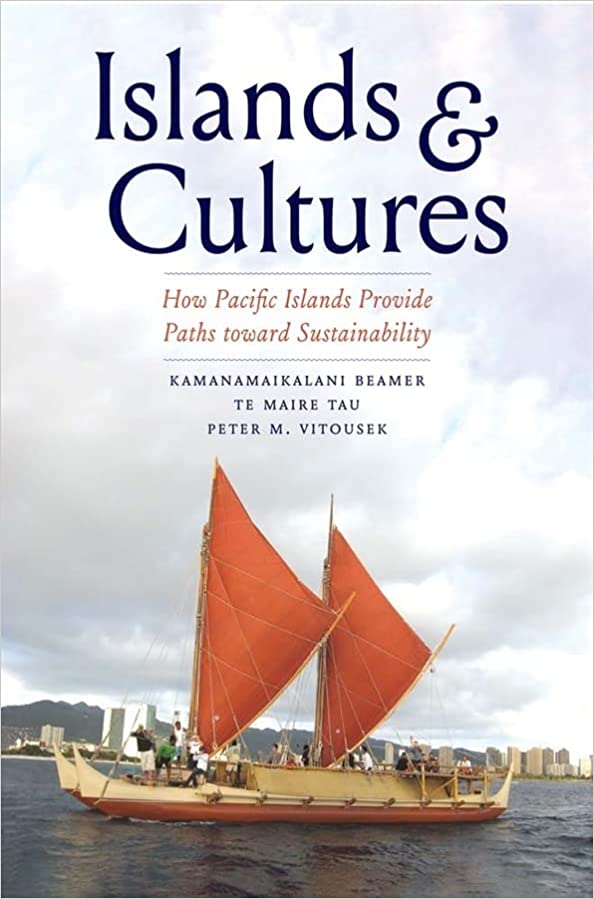
Previous E-IPER director Peter Vitousek co-edited a new book by Yale University Press, Islands and Culture: How Pacific Islands Provide Paths towards Sustainability. Noa Lincoln (PhD, ‘13) and Mehana Blaich-Vaughan (PhD, ‘12) coauthored the third chapter that examined the culture pathways in Hawai’i.
| |
Journal Articles
Caroline Ferguson (PhD, ‘21) recently co-authored a paper on “Environmental (in) justice in the Anthropocene ocean” in Marine Policy.
Kristen Green (PhD, ‘21) published a paper on “Oregon shellfish farmers: Perceptions of stressors, adaptive strategies, and policy linkages” in ScienceDirect.
Noa Lincoln (PhD, ‘13) published a new article:
Lincoln, N., Santiago, R. P., Tatum, D., & Del Valle-Echevarria, A. R. (2023). Evidence of Downregulation in Atmospheric Nitrogen-Fixation Associated with Native Hawaiian Sugarcane (Saccharum officinarum L.) Cultivars. Plants, 12(3), 605.
Rebecca Miller (PhD, ‘21) and Josheena Naggea (PhD, ‘22) had a paper published on “A comparative case study of multistakeholder responses following oil spills in Pointe d’Esny, Mauritius, and Huntington Beach, California” in Ecology and Society. An article about the paper was published in the Stanford Earth Matters Magazine. Josheena and Rebecca compared responses to oil spills in Mauritius (where Josheena is from) and Huntington Beach, CA (Rebecca’s hometown).
Josheena Naggea (PhD, ‘22) co-authored a few publications.
Gill, D. A., Blythe, J., Bennett, N., Evans, L., Brown, K., Turner, R. A., ... Naggea, J., Selig, E. R., … & Muthiga, N. A. (2023). Triple exposure: Reducing negative impacts of climate change, blue growth, and conservation on coastal communities. One Earth, 6(2), 118-130.
Blythe, J. L., Gill, D. A., Claudet, J., Bennett, N. J., Gurney, G. G., Baggio, J. A., ... Naggea, J., … & Zafra-Calvo, N. (2023). Blue justice: A review of emerging scholarship and resistance movements. Cambridge Prisms: Coastal Futures, 1-36.
Nathan Ratledge (PhD, ‘22) and colleagues published a paper titled “Using machine learning to assess the livelihood impact of electricity access” which was featured on the cover of Nature in late November.
Nik Sawe (PhD, ‘16) has a couple new publications to share:
"Neural responses clarify how ecolabels promote sustainable purchases" in Science Direct.
"Incorporating justice, equity, and access priorities into land trusts' conservation efforts" in Science Direct.
Will Scott (PhD, 4th) and colleagues recently published the paper "Multi-level climate governance: Examining impacts and interactions between national and sub-national emissions mitigation policy mixes in Canada” in Climate Policy.
Nicola Ulibarri (PhD, ‘15) has a couple on new publications to share:
“Framing the Problem of Flood Risk and Flood Management in Metropolitan Los Angeles” in Weather, Climate and Society.
Guest edited a special issue on the “Drivers and Dynamics of Collaborative Governance in Environmental Management” in Environmental Management.
| |
News Articles and Reports | |
|
Nicole Buckely Biggs (PhD, ‘22) and Ranjitha Shivaram (PhD, 5th) published a perspective piece titled "Frontiers in multi-benefit value stacking for solar development on working lands" in Environmental Research Letters, in which they propose a novel multi-benefit value stacking (MBVS) framework to explore land use efficiencies from co-location of solar generation and non-energy uses on working lands.
Eeshan Chaturvedi (PhD, 1st) recently published an article titled “India’s G20 opportunity” in the Indian newspaper The Statesman.
| |
|
Josheena Naggea (PhD, ‘22) was invited to participate as a Technology, Innovation, Development, Equity (TIDE) talk speaker in the second-annual Oceans@Duke Blue Economy Summit on March 4, 2023, held in person at Duke University under the theme “Recovery and Revitalization in the Pandemic Era."
Bianca Santos (PhD, 4th) gave an invited (virtual) talk on “Science Communication & Visualization” during a graduate-level fisheries research seminar at the University of British Columbia.
Jen Wang (PhD, ‘18) joined Vincent Stanley (Patagonia's "chief storyteller") onstage at Yale's school of management for an event to discuss retail, sustainability, and operations with SOM's first year MBA class. The event happened in March 2023.
| | | | |