Our office focuses on implementing report recommendations from the last 30+ years that guide UH Mānoa in becoming reflective of Hawaiʻi's language, culture, values, and knowledge systems from which all people learn, connect, grow, and heal:


  • Hawaiʻi-Guided Student Success
  • Hawaiʻi-Grounded Staff and Faculty Development
  • Cultivating Hawaiʻi Environments 
  • Hawaiʻi-Reflective Community Engagement


We cannot do this work alone. It is our mission to foster the potential within each of you to positively contribute to our collective kuleana to make UH Mānoa reflective of Hawaiʻi. These monthly newsletters, with written reflections that cover the preceding month's happenings, are meant to keep you connected, highlight your work and continue to inspire you.

Native Hawaiian Student Services Lei Piko Workshop

by Hope Matsumoto

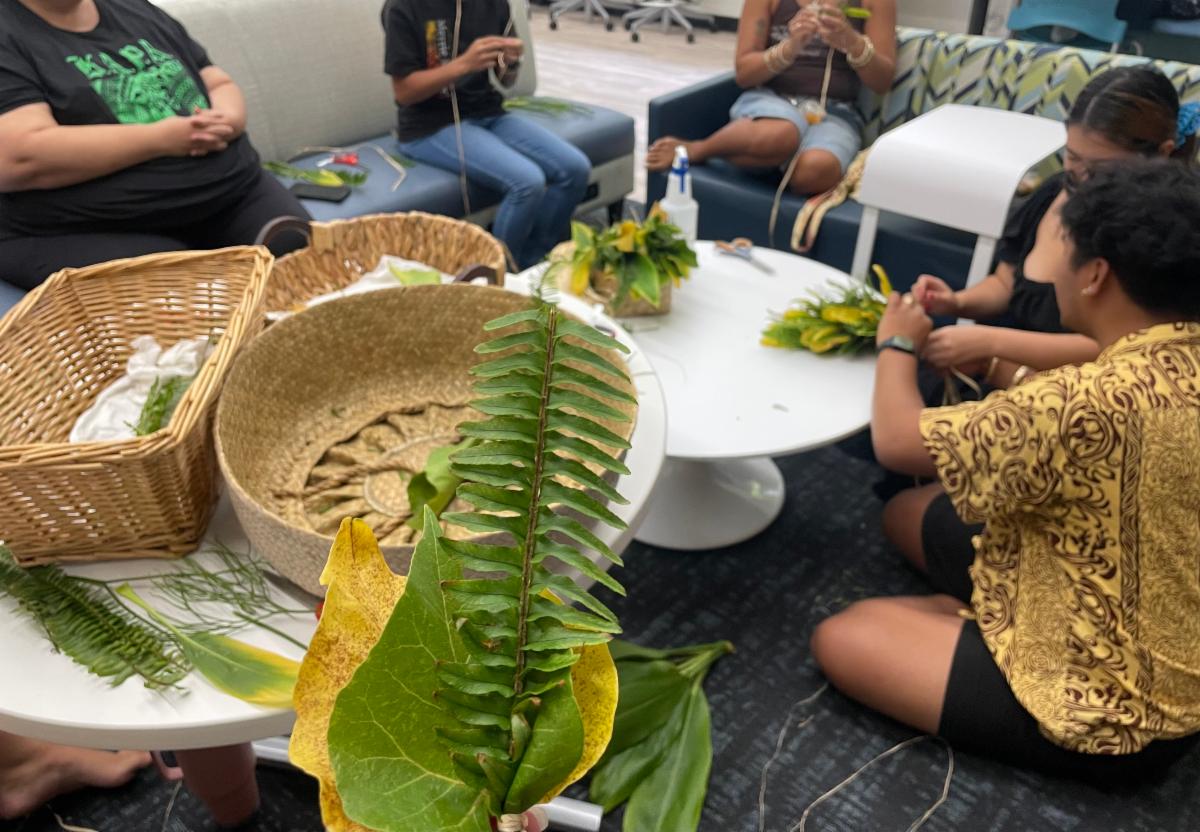
A bundle of milo and kupukupu plant materials that is one piece of the beautiful lei piko that workshop participants collaboratively made together. 

Mahalo to Kalawaiʻa Nunies and Native Hawaiian Student Services for a wonderful lei piko workshop and for bringing together a community of folks who love making and learning more about lei. As we made our lei piko together, I had the chance to catch up with a few friends I hadn’t seen in a while, and I also made new friends that I’d just so happen to run into a few days later. We grew our pilina with one another that was reflected in the fragrant beauty of our lei and the abundance of our ʻāina here in Mānoa. I appreciated deepening my aloha for the various plants that we used, including kukui, milo, kupukupu, lauaʻe, moa, and lāʻī through the time that we spent together crafting our lei!

Pilina Circle Co-Facilitator Trainings

by Kamakani Albano

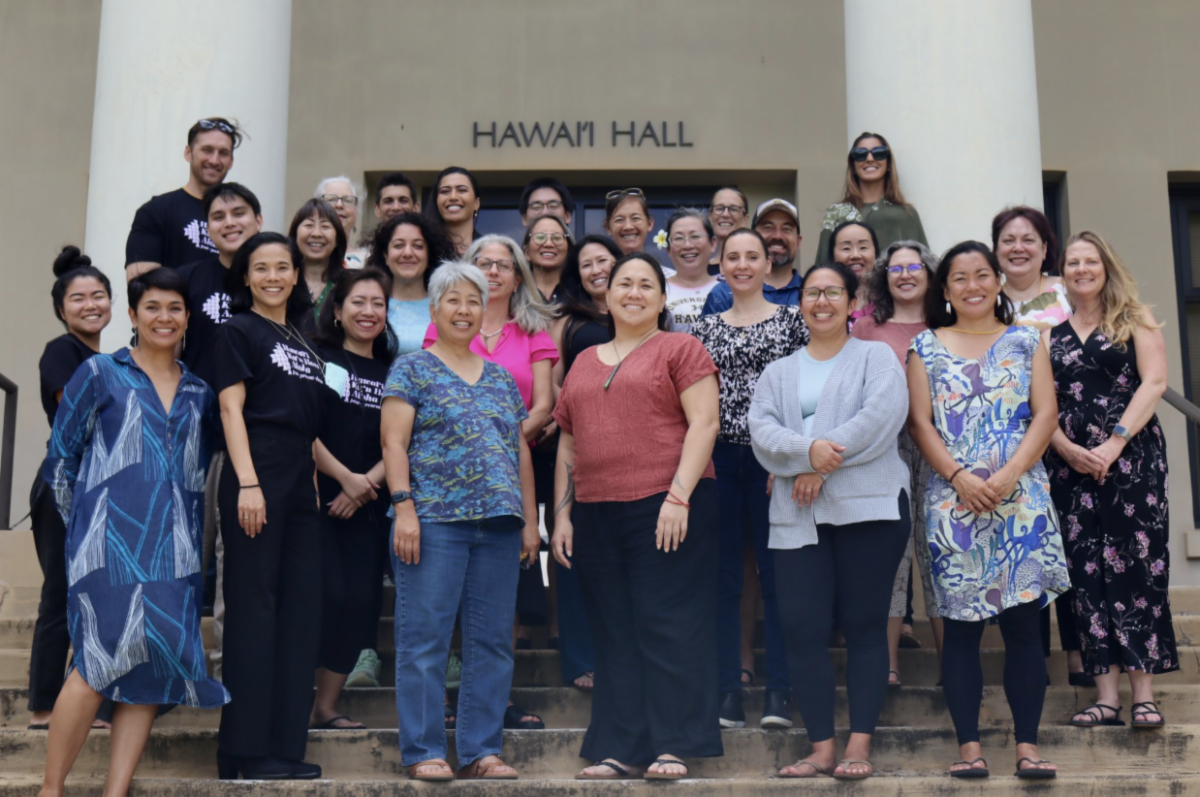
The lovely humans from our first round of newly trained co-facilitators gathered along the steps of Hawaiʻi Hall on May 30, 2025. 

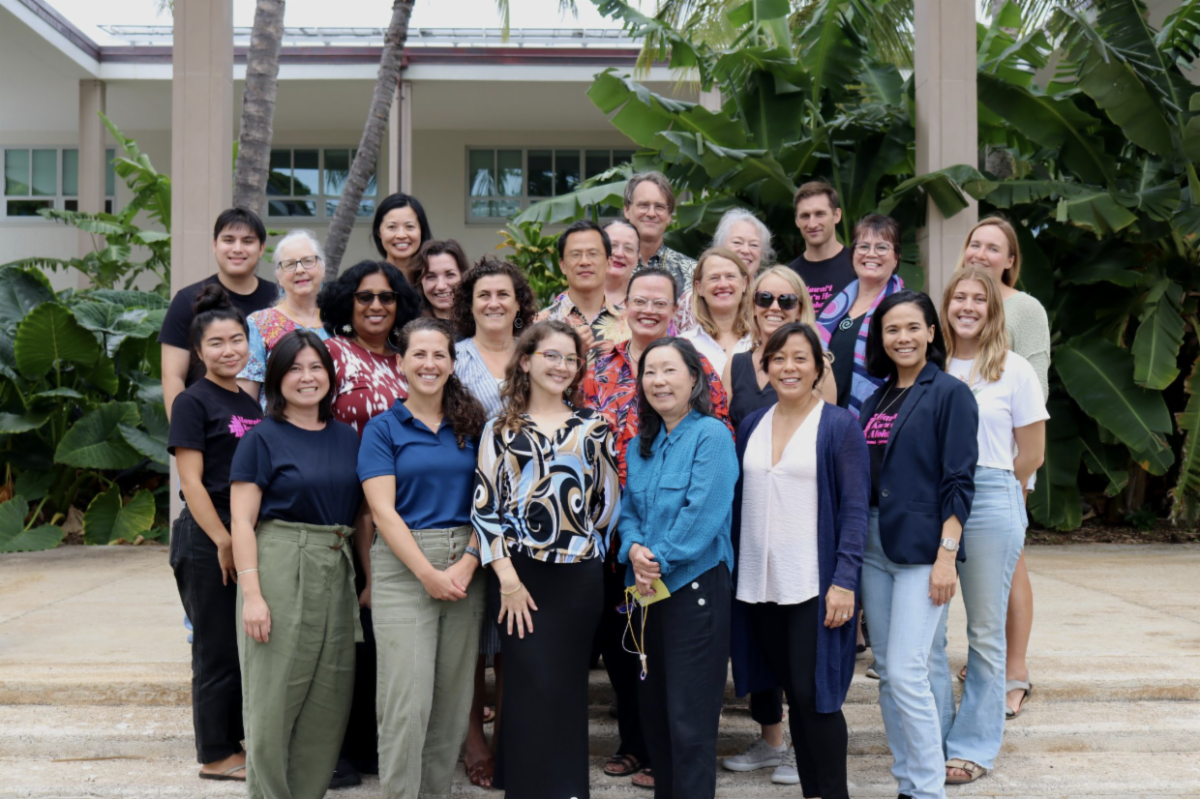
The lovely humans from our second round of newly trained co-facilitators gathered outside of Bachman Hall on June 5, 2025.

“I’m here because of Kawehi and Makanalani, who trained me as a Pilina Circle co-facilitator, and supporting you all is my way of giving back to them,” I shared during one of our lunch discussions when asked why we were there. 


From sharing space in a Pilina Circle and practicing the “Pilina Pitch” to engaging in rich conversations about the process, it was beautiful to witness the intentionality and care everyone brought to this work. I’m especially remembering our thoughtful discussions about embracing different languages, honoring silence, and listening to our bodies—we shared many laughs and smiles. 


Throughout the trainings, I kept returning to something hope, one of our amazing GRAs, said about the circle formation: no one has their back to anyone—we see each other, he alo a he alo. It was an honor to witness and support the growth of our Pilina Circle co-facilitator tree. Pilina Circles are spaces where participants strengthen pilina with themselves, one another, and ‘āina through sharing stories, deep listening, and finding points of connection. In just two weeks, 32 new members joined our ʻohana. Hoʻomaikaʻi to our newly trained co-facilitators!

Mele Conference

by HPoKA NHPoL Advancement Office

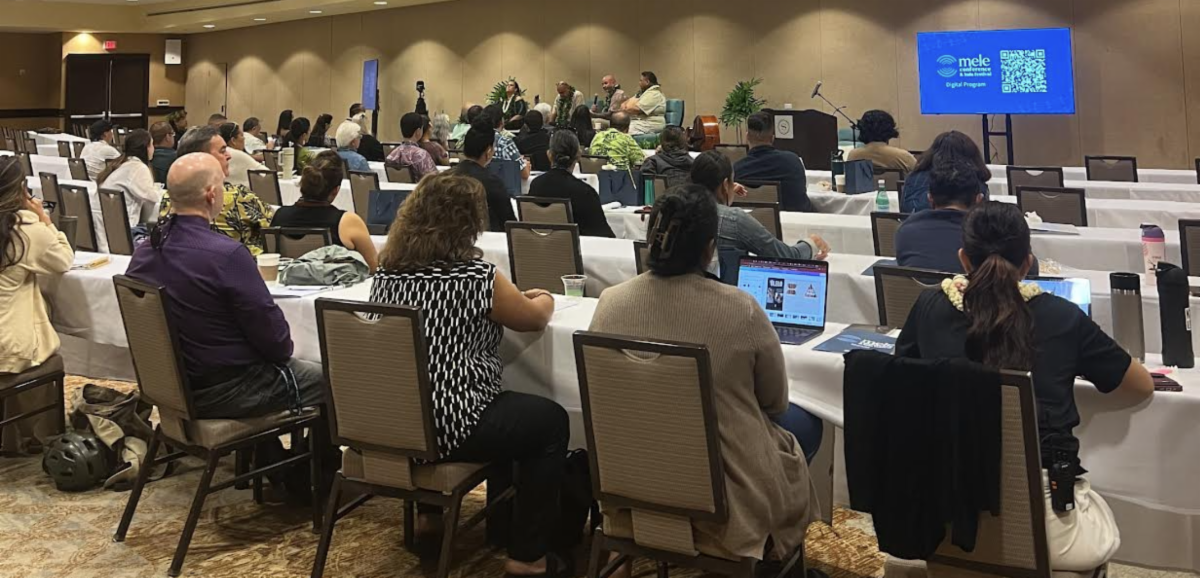
Panel presentation “Ola ka ʻŌlelo i ke Mele: Hawaiian Language Revitalization through Mele” with Keawe Lopes, Hiapo Perreira, Kalehua Krug, and moderated by Amy Kalili.

On June 16 and 17, 2025, two of our team members attended the inaugural Mele Conference organized by Kāhuli Leo Leʻa held at the Sheraton Waikīkī. It was two days filled with mele, manaʻo, and beautiful hula. Conference sessions included panels about mele fundamentals, Hawaiian language revitalization through mele, and Mele Lāhui. Each panelist shared invaluable moʻolelo about their personal experiences. We cannot wait until next year to attend again.


For more information, check out the Kāhuli Leo Leʻa website here.

Puana at the Kia Mau Festival

by Hope Matsumoto

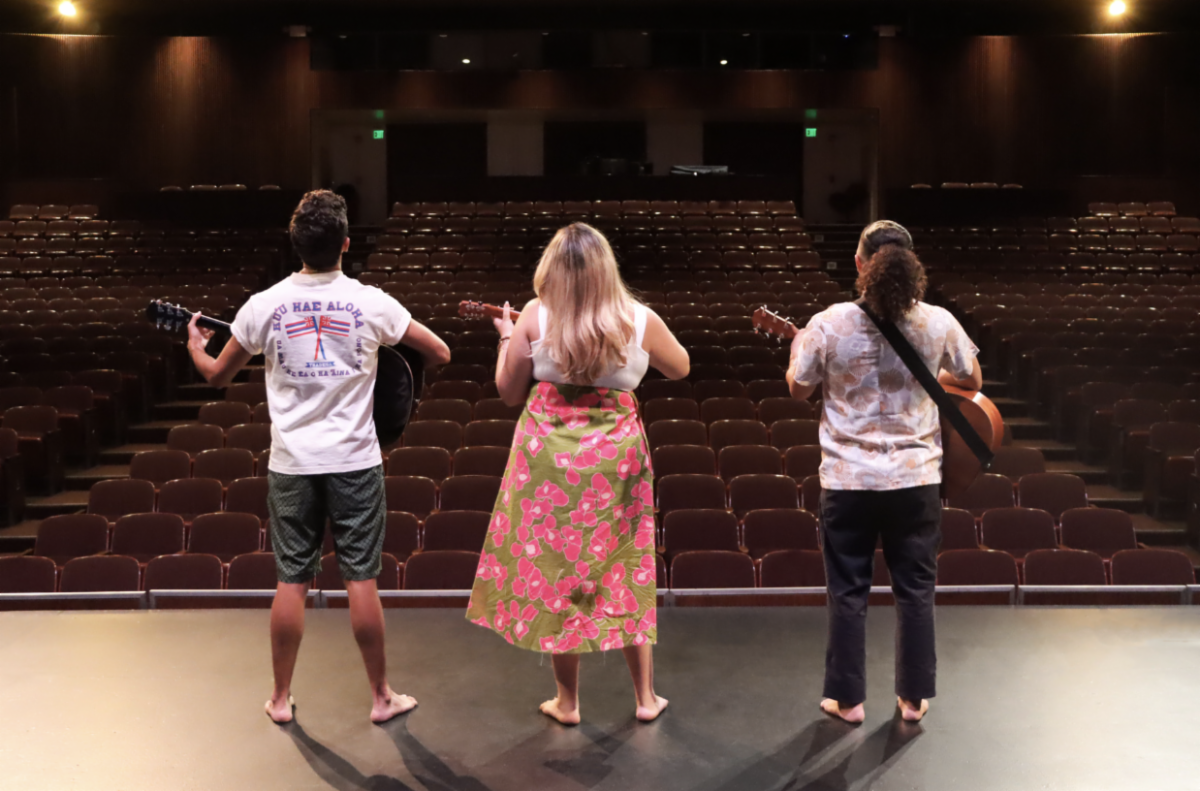
(Left to Right) Joshua “Baba” Kamoaniala Tavares, Theo Kāneikoliakawahineikaʻiukapuomua Baker, and Ikaika Mendez in Puana. Photo courtesy of Christine Lamborn and the UHM Department of Theatre & Dance. 

Hoʻomaikaʻi to Puana for their international performances in He Ngaru Nui programme at the Kia Mau Festival in Aotearoa, all the way from UH Mānoa’s Ka Papahana Hana Keaka Hawaiʻi! Puana is the Hawaiian Theatre Program’s eighth original hana keaka production with Ka Waihona A Ke Aloha and was performed predominantly in ʻōlelo Hawaiʻi, thus offering an intergenerational exploration into the continuing legacies of Hawaiian musicians and composers who are the foundation for Hawaiian music and contemporary musicians today. This play reminds us that our kūpuna travelled beyond the shores of Hawaiʻi with the sweet music of Hawaiʻi, not unlike the travels that Puana recently took across the Pasifika. Mahalo to the many people who made this incredible production possible! 


Learn more about Puana from this UH News article

Check out the Puana Instagram page!

Nā Lamakū o ke Aloha ʻĀina is our office’s monthly feature that illuminates the light within each person’s contributions to positively shape our UH Mānoa campus as a Native Hawaiian place of learning committed to mālamalama. We feature an individual who exemplifies and demonstrates aloha ʻāina through their actions and involvements on our campus, particularly as leading lights in their own respective communities and disciplines of engagement. Through this interview, we aim to honor the ways in which the featured lamakū’s time at UH Mānoa has shaped and ignited the flame for/within their practices.

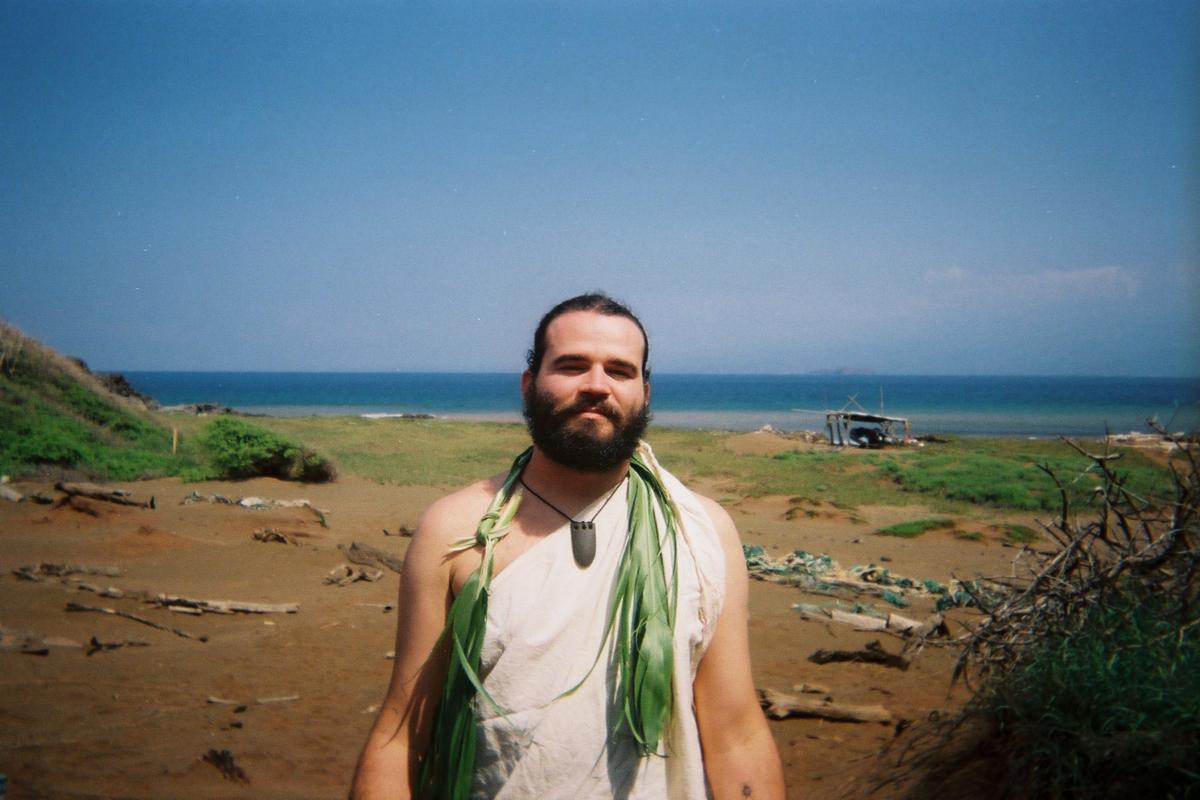
Nathan Kamakaokalani Gallagher


Birthplace/Hometown:

Kekaha, Kauaʻi


High School:

Waimea High School


UHM Degrees: 

B.A. ʻŌlelo Hawaiʻi (2023)

M.A. ʻŌlelo Hawaiʻi (Ke noke ʻia nei)


Current Occupation:

Limahana, Ka Papa Loʻi ʻo Kānewai

GRA, Kawaihuelani

What inspired/inspires the path for your academic major? 

Ua hoʻomaka koʻu aʻo ʻana i ka ʻōlelo Hawaiʻi no koʻu minamina i ka mele a me ka moʻolelo kahiko o kēia paeʻāina. He pili kōkoʻolua lāua. ʻO kaʻu ʻimi ʻana i ka naʻauao i ka ʻōlelo, i mea ia e hoʻomaopopo i ka mele a me ka moʻolelo no ka mea, ua lehulehu a manomano ka ʻike i paʻa ma loko o ia mau waihona a ka poʻe kahiko. He ʻike lihi wale nō koʻu i kēia mālamalama e makili mai nei. ʻAʻole naʻe e ʻimi ʻia aku ka ʻike no ka hoihoi wale nō. ʻO ka mele a me ka moʻolelo ka mea e paʻa ai ka “liʻa ʻana o ka naʻau o ke kanaka i ke aloha ʻāina”, wahi a J.E. Buki,  a no ia kumu, he pono e hiʻipoi ʻia ua mau mea nei ā mau loa aku, i kamaʻāina hou ko kākou lāhui i kōna ʻāina ponoʻī, a i makeʻe hou ai kākou i ka noho kūʻokoʻa lanakila ʻana. 


What are your future goals in your work? 

ʻO kaʻu pahuhopu ponoʻī iho, ʻo ia ka ʻohiʻohi ʻana i nā mele a me nā moʻolelo kahiko o koʻu ʻāina, o Kona, Kauaʻi, i hiki ke aʻo ʻia ia mau mea i ka poʻe keiki o laila. I koʻu wā ʻōpio, ʻaʻole loa i maopopo iā mākou nā pana ʻāina ā puni o mākou, pēia pū hoʻi nā mele a me nā moʻolelo. Ma muli o kēia ʻano naʻaupō, ʻaʻole mākou i mahalo i ka waiwai o Kauaʻi, a hoʻohalahala wale aku mākou i ko mākou ʻāina iho, he lepo ʻula wale nō ka waiwai o laila. Inā paha e aʻo ʻia nā mea hiwahiwa o ka wā kahiko: nā moʻokūʻauhau, nā mele, nā pana ʻāina a me ko lākou mau moʻolelo, e haʻaheo hou ana nō paha ke keiki i kōna mokupuni “hemolele i ka mālie”.  


How do you see your time at UH shaping the way you aloha ʻāina? 

Ma ke kulanui nei koʻu hoʻomaopopo maoli ʻana i ka manaʻo nui o ia mea he aloha ʻāina. Ma Kawaihuelani i hiʻa mua ʻia ai ke ahi makeʻe ʻōlelo i loko iho oʻu, me kōna pililua ʻo ka makeʻe ea. ʻʻAʻole i hiki ke hoʻokaʻawale aku i ka manaʻo o ke “aloha ʻāina” ma kōna ʻano he hiʻilani ʻana i ko ka honua nei, mai kekahi manaʻo nui mai o ke “aloha ʻāina”, ʻo ia hoʻi ke ake ʻana i ke kūʻokoʻa o Hawaiʻi nei. Eia hou, he mea ʻole kēia mau manaʻo maikaʻi āpau, ke mākaukau ʻole ke kanaka i ka hana e pono ai ka nohona Hawaiʻi. No laila mai koʻu mahalo palena ʻole no Ka Papa Loʻi ʻo Kānewai. Ma laila au i aʻo mai ai i nā haʻawina like ʻole ʻo ka hoʻokanaka ʻana: ʻo ke kanu ʻai, ke kahūmu, ka mālama ʻana i ka ʻāina, ka wai, a me ka hoa kanaka. ʻO ia ke ola. 


What does UH Mānoa as a Hawaiian place of learning mean to you? 

He nui hou aku nā hana e hana ai i kēia mua aku, i pono ai ka poʻe Hawaiʻi ma kēia kulanui. ʻAʻole loa i pau. He pono naʻe hoʻi e mahalo i ka poʻe i paio kuʻupau no kākou i ka wā ma mua no ka mea, ʻo kā lākou laulima ʻana ka mea i holomua ai kākou pōkiʻi. ʻO kaʻu wale nō i kēia manawa, ʻo ia ka paipai ʻana aʻe i ka poʻe e ʻimi aku nei i ka pono ma nā wahi āpau o ke kulanui.

Instagram  Email  Web