|
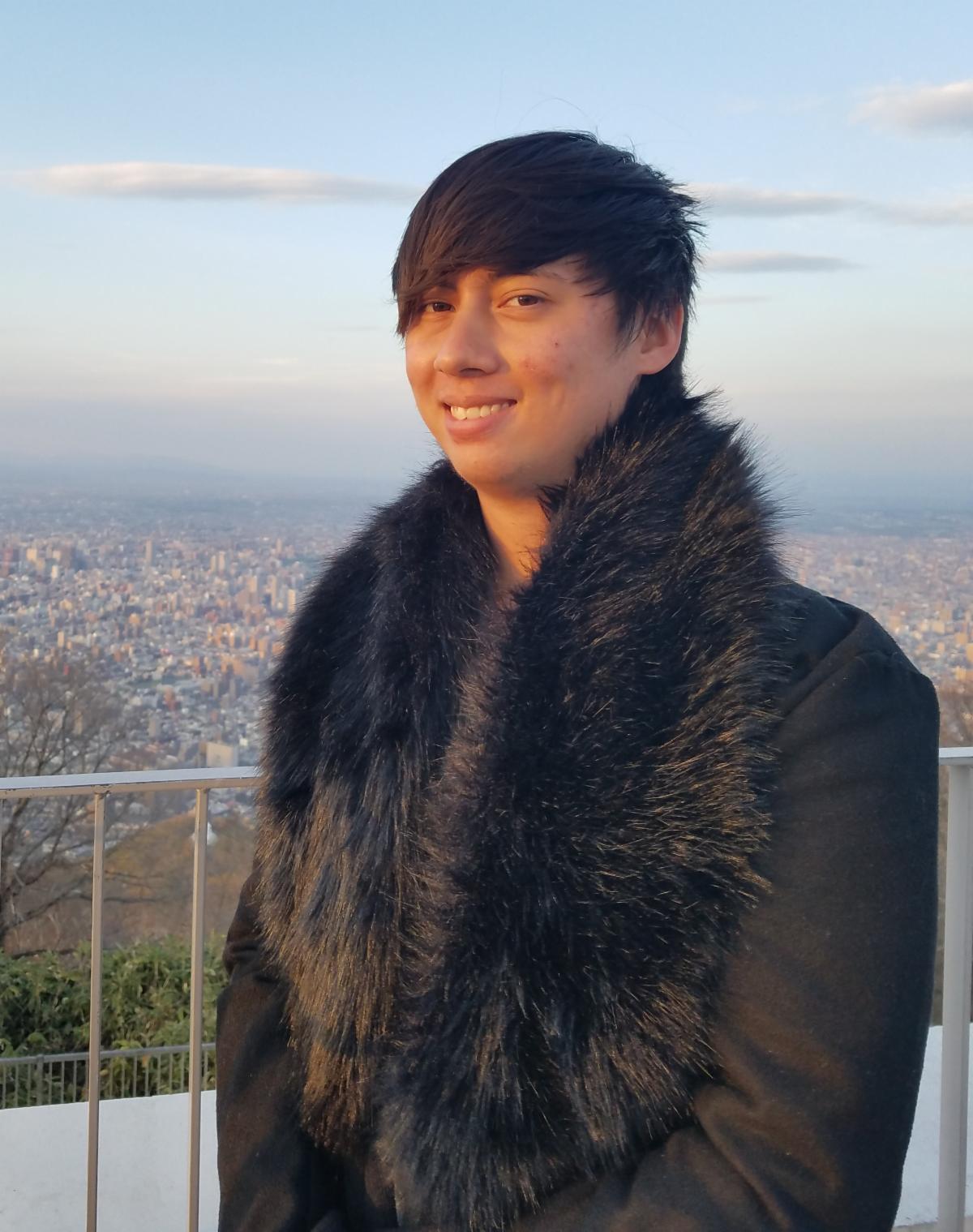
Austin Jay Alika Keaupuni Davis
Birthplace/Hometown:
Wailuku, Maui
High School:
Maui High School
UHM Degrees:
MA in Sociology-currently pursuing (UH Mānoa)
BA in Sociology, Anthropology, & History
with a Minor in East Asian Studies (UH Mānoa)
AS in Liberal Arts (UH Maui)
CO in Human Services: Dynamics in Family Violence (UH Maui)
CO in Human Services: Youth Practitioner (UH Maui)
Current Occupation:
Graduate Research Assistant: Data & Evaluation Analysis for Hawaiʻi Papa o Ke Ao Native Hawaiian Place of Learning Advancement Office
What inspired/inspires the path for your academic major?
I study food and identity. I’m a scholar that doesn’t want to be placed in a “box”. Though Sociology is my intellectual home at this moment, my academic journey has led me to a holistic study on the people of Hawaiʻi. As someone who grew up in Hawaiʻi, I was always interested in how I came to be and my identity. I am as mixed as mixed-plate can be; my plate is stacked and filled with generous portions of mostly all who came to Hawaiʻi. It is through food that I learn about who I am and those who came before me. My parents, especially my father, have taught me a whole lot about our identity through our foodways as Kānaka ʻŌiwi and those who immigrated during the plantations. It is my curiosity to understand who I am and my passion for food that inspires my studies.
What are your future goals in your work?
I have many goals and I am very hopeful that I can fulfill those goals. One of my goals is to continue the importance of indigenous knowledge having space in academic fields that would marginalize these ways of knowing. I try my best to conduct my own research and my current work in decolonial/liberating methodologies like indigenous data sovereignty and “talk-story kine” oral histories. My current position gives me freedom to re-think the way we do surveys and evaluations as we work with communities on how to go about research, provide transparency about our findings and methods, and incorporate ʻike Hawaiʻi as a framework. Another goal I would like to accomplish is to be a great teacher and contribute however I can, especially on topics of epistemic oppression and environmental issues. Education is very important to me and knowledge is endless. So, I hope to ease students in their academic journey and to contribute knowledge of those who are voiceless to finally give them a voice.
How do you see your time at UH shaping the way you aloha ʻāina?
Having the opportunity to do mālama ʻāina work is one of the ways I commit myself to aloha ʻāina. At the College of Social Sciences, the ACCESS Engagement office has various programs and community engagement opportunities that connected me to the various communities here on Oʻahu. It’s a bit hard to find your place if you’re from the outer islands like Maui, but through that office I was able to learn more about the communities here and how to support them on their terms. From the loʻi at Ulupō to the loko iʻa at Heʻeia, learning doesn’t have to be in a classroom. When I teach, I make it an effort to get my students involved in these programs and engagement opportunities that is deeply rooted in our Kānaka ʻŌiwi values.
What does UH Mānoa as a Hawaiian place of learning mean to you?
I dream of a place where anyone can learn about our histories, our culture, our being without barriers. I dream that our ways of knowing are at the tables of all our departments and offices with actual power like decision making. I dream of everyone, yes everyone, in UH Mānoa learning our epistemology to better understand us as people but also their own positionality being here. I dream of UHM committing to our values and ʻike Hawaiʻi. We have a lot of work to do to make these dreams a reality. I am very thankful to those who came before us to set the foundations and those right now carrying out their kuleana. I hope to continue to contribute what I can to make my vision of a Hawaiian place of learning real.
|