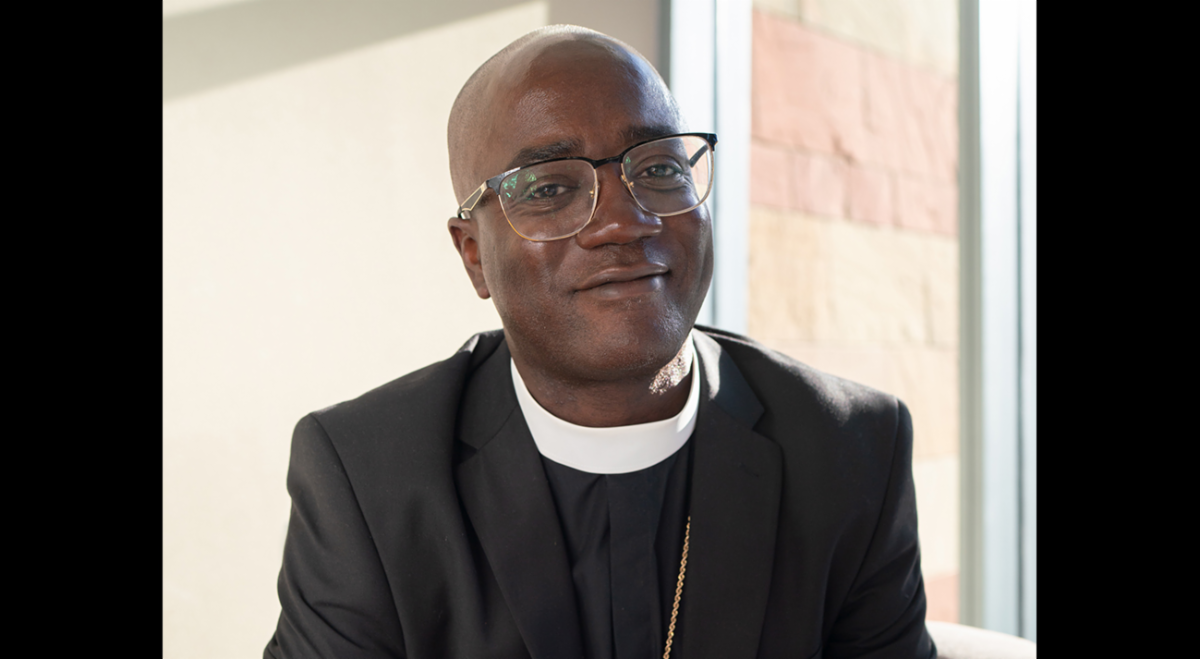
From The Presiding Bishop

This Church Still

Has Fire


Not all memories come flooding back because of photographs. Sometimes they can be a song, a word or phrase, or even a smell. For me, it’s barbecue. One whiff and, in an instant, I’m transported back to my youthful summers with barbecues across the street in the park, with sights of fellowship, family reunions and church gatherings. That smell has a way of lingering. It settles into your clothes, into your skin. Even after the fire has died down, it stays with you. Fire does that often. It marks you, sticking with you longer than you expect.


I remember a story about a matriarch, simply known as Auntie. She considered herself a barbecue grill master. One day, the family gathered at her home for a summer holiday. As always, additional guests and food arrived after Auntie retired for the day. A family member thought he might help. He lifted the lid of the grill and noticed that nothing was cooking and the charcoals were dead. He went inside and prepared the meat and came back out with charcoal, lighter fluid and matches. And like that, Auntie suddenly appeared.


“What’s going on?” she asked.


He explained the situation and his desire to help.


Auntie didn’t do any more talking. She raised her hands, lowered her face into the grill and breathed into the coals. Poof, embers glowed again.


She said, “Still got fire.”


We just came through the Easter season, having celebrated Pentecost a short time ago. I see Pentecost not as a polite holy day but one just as important as Christmas and Easter. The Spirit isn’t arriving on a quiet night or shouting “Alleluia.” Instead, we read that the Spirit arrives like a violent wind, resting tongues of fire on the disciples. It’s a day when everything changes.


Here is the good news: the Spirit isn’t wrong. This church still has fire. Lay leaders still have fire. Rostered ministers still have fire. Congregations still have fire. Synods still have fire. And the churchwide organization still has fire.


Pentecost isn’t a spectacle, it’s a transformation. It’s when the disciples, men and women alike, become bold witnesses, when the church is born—not as an institution but as a movement. The Spirit sets these people out on a new calling, grounded in the life, death and resurrection of Jesus Christ.


I imagine that wherever the disciples traveled after that day, the memories came back whenever they felt a strong wind or met up with people around a tall fire. They felt it whenever they were afraid or uncertain. And, just like that day when the Spirit first arrived, they remembered that God breathed into them a new life, constantly renewing their calling and leading them to act boldly. They lived out Jesus’ call. They fed the hungry, housed those who needed a place to sleep, clothed the poor, bringing peace where peace seemed impossible.


That calling hasn’t diminished, even if it feels harder to hear, especially as phrases like “post-Christian” grow in popularity, implying we can keep the values of Christ without Jesus himself. The church where the Spirit flew in to breathe new life is replaced by a movement that dismisses empathy as weak, where disagreements are hardened into threats, and peace feels naïve.


Sometimes, even in this church, we can feel like the coals have gone cold. But Jesus’ call to the disciples is the same call he has for us today: “Let your light shine before others, so that they may see your good works and give glory to your Father in heaven” (Matthew 5:16). Jesus is telling us to care for the world. Live in right relationship with God and one another. Not through swords or bombs, not through dictates and orders, but through love and compassion.


When I go back several verses in that same chapter, I see the Beatitudes, God’s invitation to grace and love. Blessed are the poor in spirit. Blessed are the meek. Blessed are the merciful. Blessed are the peacemakers. I read these words and I can almost see the Spirit leaning into the grill, breathing into what we thought was finished, and saying, “Still got fire.”


And here is the good news: the Spirit isn’t wrong. This church still has fire. Lay leaders still have fire. Rostered ministers still have fire. Congregations still have fire. Synods still have fire. And the churchwide organization still has fire.


Yes, we’re going to make mistakes, and I will make mistakes, but we still have that fire burning inside us to be the peacemakers in a world desperate for peace.


The question isn’t whether the fire exists. The question is whether we are willing to tend to it.


United at the Font

Saturday, June 27 at First Lutheran Church in Sandpoint

Baptism, Eucharist, and Ministry in the Rural Intermountain West


Christians from the ELCA, PCUSE< UMC, Episcopal, and UCC families are all invited: lay leaders, pastors, deacons, and denominational leaders.


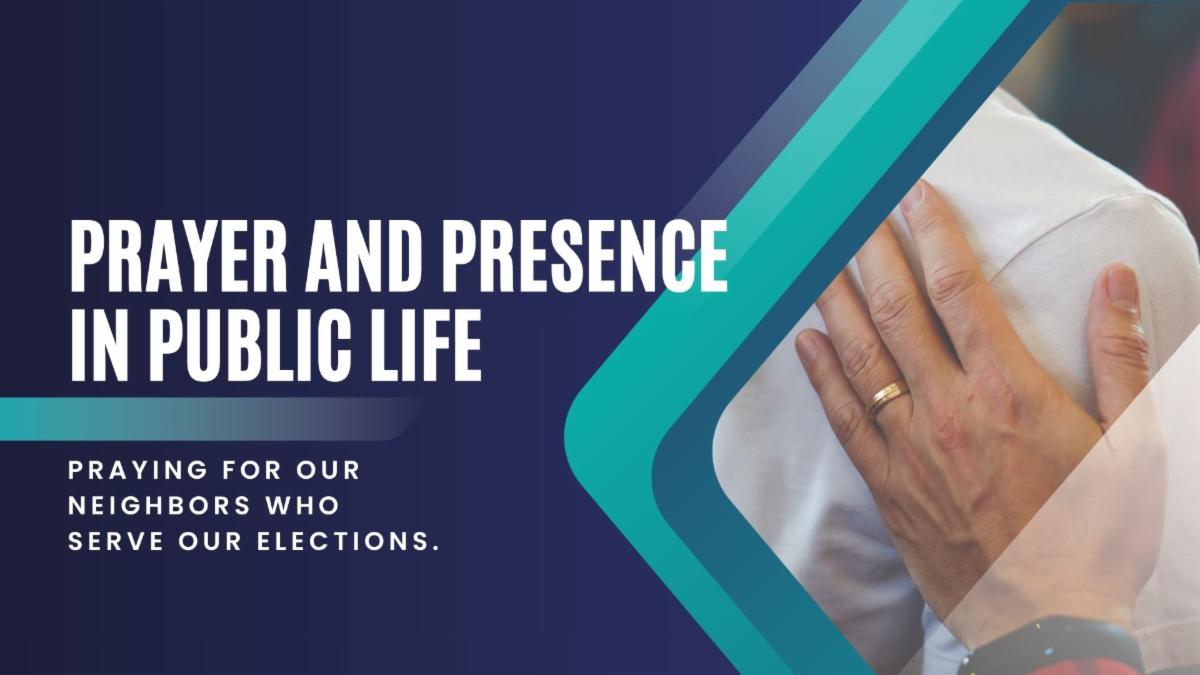
Prayer and Presence in Public Life:

Praying for Our Neighbors Who Serve Our Elections.

The British statesman Joseph Campbell, in 1898, delivered a speech in which he stated, “I think that you will all agree that we are living in most interesting times. I never remember myself a time in which our history was so full, in which day by day brought us new objects of interest, and, let me say also, new objects for anxiety (Emphasis added). This is most likely the origin of the ironic curse, “May you live in interesting times,” inaccurately attributed to the Chinese.


There is no denying that life in this country and around the world is “interesting.” Anxiety producing. Frightening, even, as it has been so many, many times in the past. Yet through all those times, people of faith have continued to trust, to hope, to pray that the God of All Promises would not abandon his people. We are part of that great cloud of witnesses now being called to trust, hope, and pray for this nation and all its people, which can be a daunting prospect. Hence, this invitation.


Bishop Manlove, together with the Synod Council, has convened a task group to help congregations within our Northwest Intermountain Synod (NWIMS) reach out to their county clerk or auditor, the person, along with their colleagues, responsible for ensuring that the lawful requirements for voting in county, state, and national elections are followed to the letter.


This is an issue that affects us individually and as members of our communities and congregations. So the task group (currently composed of Pr. Edwin Weber, Pr. Peg Harvey-Marose, Pr. Tricia Christman, Becky Newberry, and Gwen Sullivan) will be compiling ideas and resources to share with congregations as we join together in upholding, with prayer and encouragement and gratitude, these officials as they carry out their assigned duties. This initiative will be titled “Prayer and Presence in Public Life: Praying for Our Neighbors Who Serve Our Elections.”


Please be assured that this is not, and should not become, a partisan campaign. As Dietrich Bonhoeffer reminds us, “Christian community is not an ideal we have to realize, but rather a divine reality created by God in Christ by which we may participate. The more clearly we learn to recognize that the ground and strength and promise of all our community is in Jesus Christ alone, the more calmly we will learn to think about our community and pray and hope for it” (Life Together, 35).

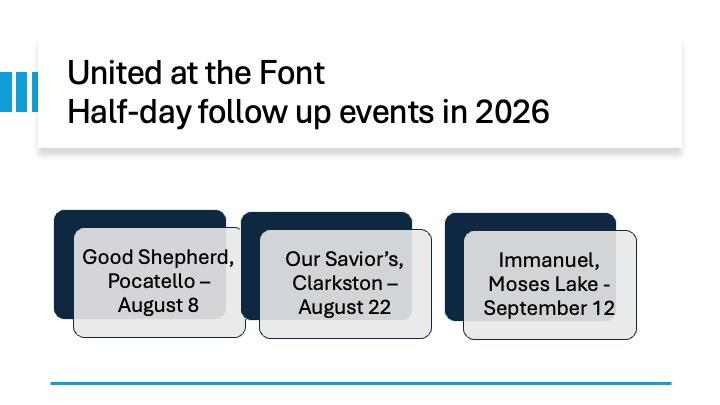
United at the Font

Half-day Follow-up Events 2026

Did you attend a United at the Font: Partnering for the Future event in 2025? Are you ready to reconnect with friends from other denominations and keep working together for the sake of the gospel of Jesus Christ?


Please save the dates above: 12:30-4:30pm each day


Note that we have changed the date for Our Savior’s

to Aug. 22

Resources for Your Church Property

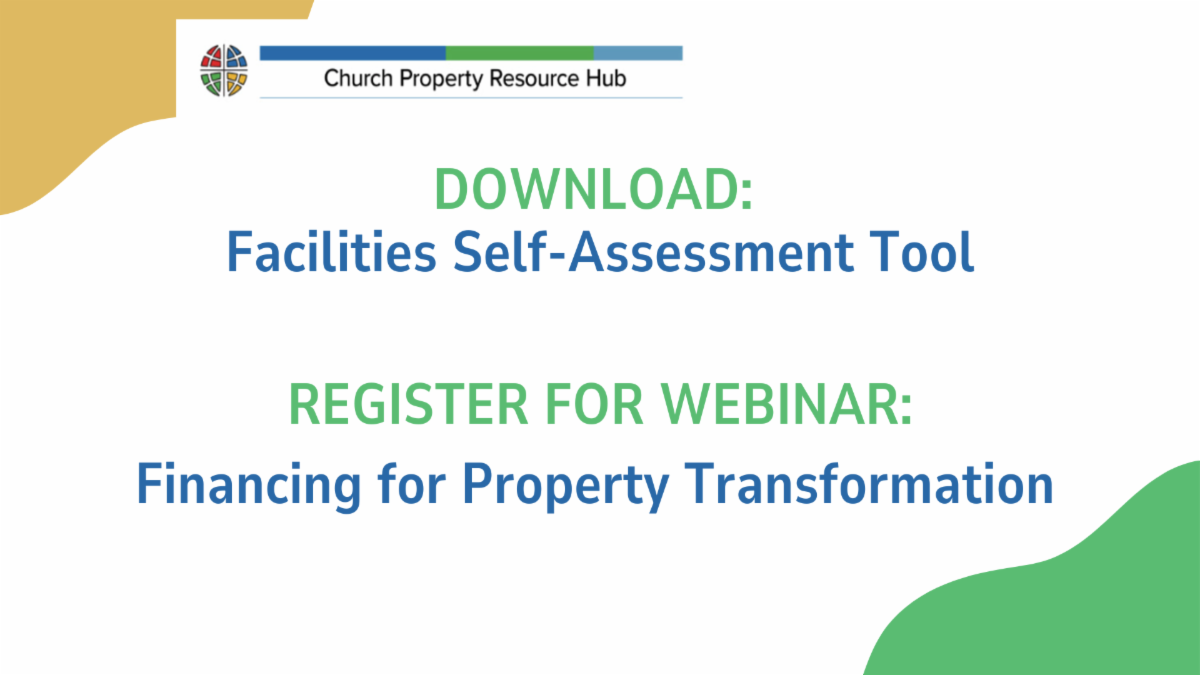
Facilities Self-Assessment

Use this self-assessment tool from the Mission Investment Fund to reflect on how your facility is serving your current ministry. Identify areas of strength and potential improvement for capital planning.   

Church Property Resource Hub Webinar: “Financing for Property Transformation”


Tuesday, June 16, 6 p.m. Central time


The Mission Investment Fund (MIF) offers loans for church and ministry building projects, land purchases and refinancing. Learn from the MIF team how churches can finance deferred maintenance projects, facility upgrades and more. During this webinar, MIF will reintroduce lending products and give faith communities an opportunity to ask questions.

Thrivent Choice Dollars

If you are a Thrivent member you may now direct your Choice Dollars to the NWIM Synod.

Boundary Training for Rostered Leaders

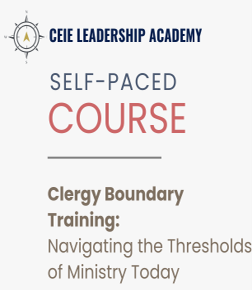
Clergy Boundary Training: Navigating the Thresholds of Ministry Today


Thisself-pacedcourseequipsspiritual and religiousleaders, to navigate the thresholds of ministry today. This course does not replace boundary requirements focused on avoiding relational or financial violations. Rather, it explores the dynamic reality of faithful leadership today from the perspective of boundary thresholds or crossings that are required of ministers and lay leaders.

Invite Bishop Manlove to Your Council Meeting

We as a synod staff have been very intentional about getting out to congregations on Sunday mornings. As I continue to make sure I get to every church on a Sunday morning, I also want to start being more intentional about joining your church council meetings in person or online. My goals in doing this include:


  • Listen deeply, so I can keep getting to know our many congregations.
  • Ask questions as part of my listening and perhaps help your council think creatively
  • Pray with and for you.
  • If helpful, I am also willing to offer a devotion.


Thanks to the councils who have already invited and met with me–our time together helped inspire this e-newsletter post.


Please have your Pastor, Synod Authorized Minister, or Council President reach out to me.


Peace,

Bishop Meggan Manlove

ELCA Domestic Hunger Grant

We are excited to share that the 2026 ELCA Domestic Hunger Grant applications are open through July 7! Please share this opportunity with your local Lutheran congregations and hunger partners. This information is also available in Spanish on the same page. This is one concrete way we accompany ministries and support their sustainable development.


Prior to submitting a full proposal for the 2027 Domestic Hunger Grant, grant applicants must fill out a letter of inquiry (LOI) that briefly describes their project proposal. LOI submissions are open through July 1, and you can access the LOI form in English and Spanish.

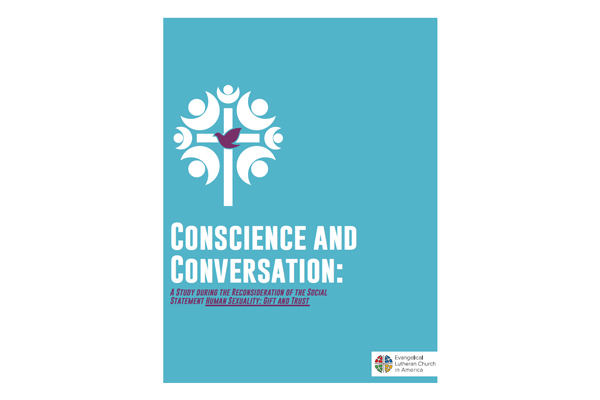
Conscience and Conversation Study Published

The task force leading the ELCA in reconsideration of the social statement Human Sexuality: Gift and Trust is happy to share a new study: Conscience and Conversation.


This study is a key opportunity for congregations and groups to learn and discern together and, importantly, to share their perspectives with the task force via an online survey. This feedback will guide the task force as it prepares a draft reconsidered social statement for public comment in early 2027.


“Conscience and Conversation” includes activities, discussion questions, bible readings, prayers, and information for leaders. It is divided into two sessions, however, we encourage groups to use four 60-minute sessions, if possible, to allow more time for discussion. A set of appendices provides tips for organizing online or in-person sessions, as well as other information for leaders.


The online survey will be available until Sept. 30, 2026. However, individuals can continue to share their perspectives, questions, and comments with the task force at any time by emailing Reconsiderations@ELCA.org.


View as Webpage

Web  Facebook

Northwest Intermountain Synod of the ELCA | 245 E. 13th Ave, Suite A | Spokane, WA 99202 US