We're working to make a difference —
for the Earth, our community, and the many species that rely on clean water.
|
|
February is Black History Month
Many climate and environmental issues disproportionately impact communities of color around the world. In the US, drinking water systems in communities of color are 40% more likely to be in violation of the Safe Drinking Water Act. Black Americans breathe in 38% more airborne contaminants than White Americans, leaving them at greater risk for pollution-related health issues. Black Americans are also three times more likely to die from pollution-related disease compared to White Americans.
Environmental justice is connected to racial justice. Black, Indigenous, and People of Color (BIPOC) leaders have worked for environmental justice for decades. Channelkeeper is honored to share some of their names and stories here in an effort to amplify their messages and inform our community.
-
Ibrahim Abdul-Martin is an author and environmentalist who has advocated for regenerative agriculture and sustainable business practices.
-
Dr. Robert Bullard is a professor, author, and climate policy trailblazer who, for decades, has been considered one of the leading voices in the environmental justice movement.
-
Majora Carter is an urban revitalization strategist whose work centers around bringing green spaces to all communities, with a focus on inner-city environments.
-
Marjorie Eugene-Richard is an environmental activist who grew up in Southern Louisiana, in an area between a chemical plant and oil refinery, now known as “cancer alley,” where primarily Black residents experienced high rates of respiratory disease, cancer, and birth defects.
-
Dr. Ayana Johnson is a marine biologist and author whose work focuses on the impact of climate change on the ocean and how that can impact communities of color.
-
Dr. Beverly Wright is the founder and executive director of the Deep South Center for Environmental Justice. She is an author, civic leader, professor, and longtime activist for environmental justice.
Pictured clockwise, top left to right: Dr. Beverly Wright, Dr. Ayana Johnson,
Ibrahim Abdul-Martin, Marjorie Eugene-Richard, Majora Carter, Dr. Robert Bullard.
|
|
Watershed Hero
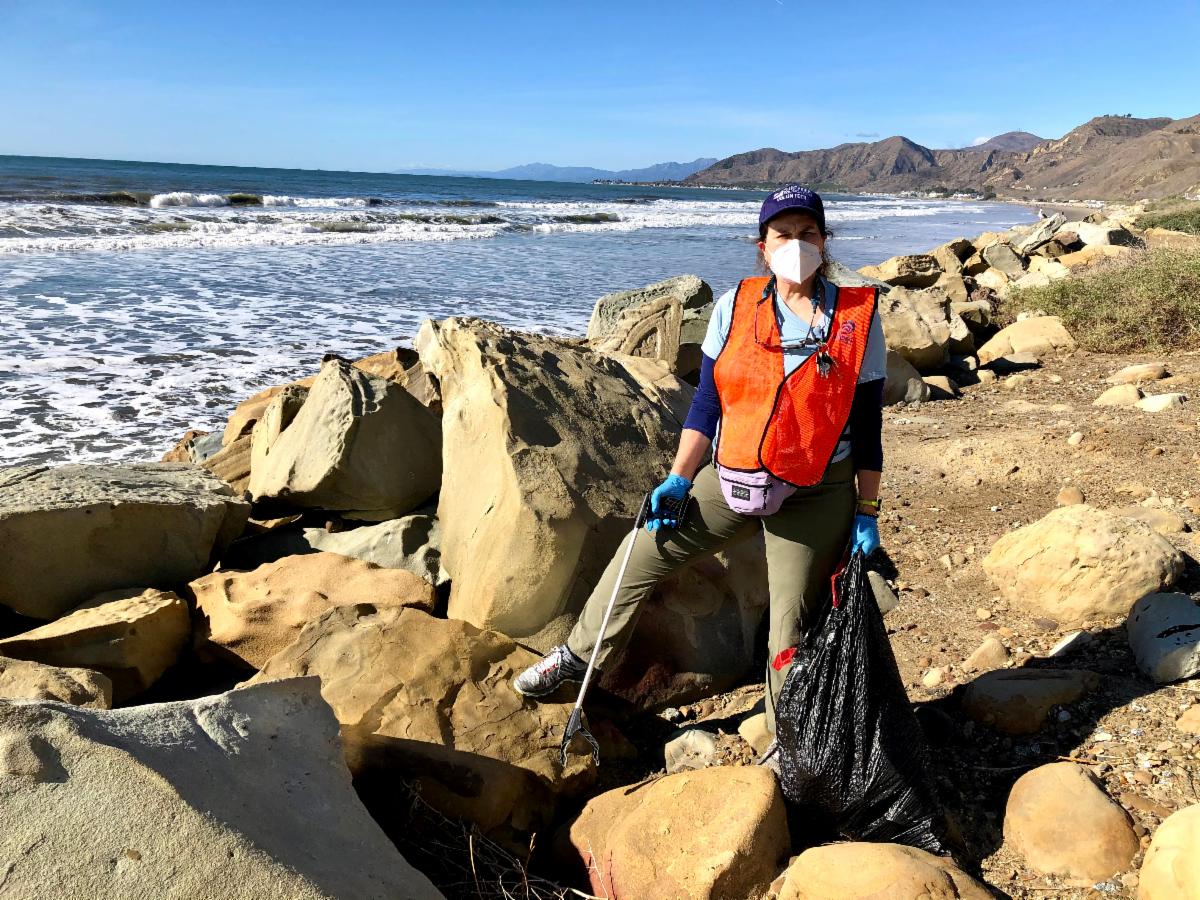
Meet Watershed Brigade volunteer, Joy Downing Riley.
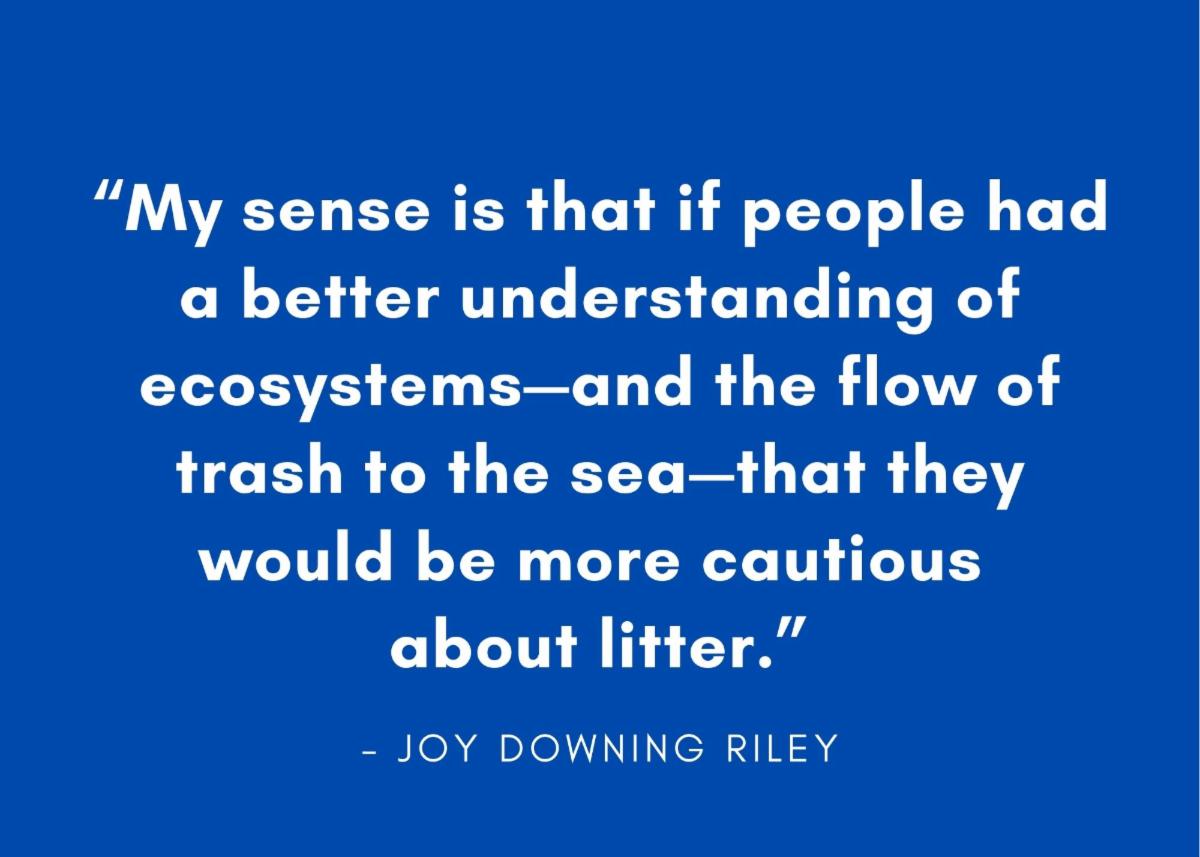
Joy is living proof of the power of citizen action. When stay-at-home orders went in to place in March of 2020 and people looked to outdoor areas for recreation, Joy noticed an increase in visitors to the Rincon Parkway and observed more trash along the road making its way to the beach. She felt it was important to be out there cleaning the area, educating the community, and doing something positive.
Beyond removing litter from the coastal roadway and beach areas, Joy has taken measures to address litter at the source. She talks with people and shares her passion for keeping habitats clean. She has met with store managers and City agencies and has launched a campaign to increase public awareness of the path trash takes through storm drains and creeks to the ocean. In doing so, she has contributed to a community-wide movement and has empowered others to take steps toward creating change. That's what makes her a Watershed Hero.
Read our latest blog post to learn more about Joy's efforts.
|
|
Policy Recommendations Presented
for Santa Barbara's Water Supply Plan
On January 21, the City of Santa Barbara’s water supply staff presented policy recommendations for the update of the Enhanced Urban Watershed Management Plan to the Water Commission. The policy recommendations are the result of a year-long process evaluating the City’s current water supplies, future demands, and threats to the water supplies.
The City’s water supply staff recommends implementing seven actions identified for the existing water supplies, the execution of an adaptive management plan, and the continuation of ocean desalination as part of Santa Barbra City’s water supply portfolio to support drought preparedness, response, and recovery.
The Water Commission unanimously agreed with these policy recommendations and the next step in this process is to have the policies formally approved at the Santa Barbara City Council meeting on February 9th. This meeting is open to all and the public is encouraged to tune in and provide comment.
Channelkeeper remains concerned about City plans to prioritize the expansion of desalination as its primary method of addressing future water shortages. The California Coastal Commission concluded that the City's analysis of offshore impacts from its desalination facility is outdated and is not based on the best available science. Further, the City thus far has refused to study the feasibility of mitigation measures that could reduce offshore impacts at levels of desalination production being proposed.
Ultimately, our vision is for the City to adopt an integrated water management portfolio that prioritizes stringent conservation (aligning water demand with the supply limitations of a changing climate), green-infrastructure that protects water quality and supports groundwater recharge, and active pursuit of advanced recycling technologies that eliminate waste and unreasonable use of our precious water resources.
Channelkeeper will remain involved in the process and continue to advocate for this vision and a transition away from ocean desalination when other supplies such as potable reuse become options.
|
|
Watershed Brigade
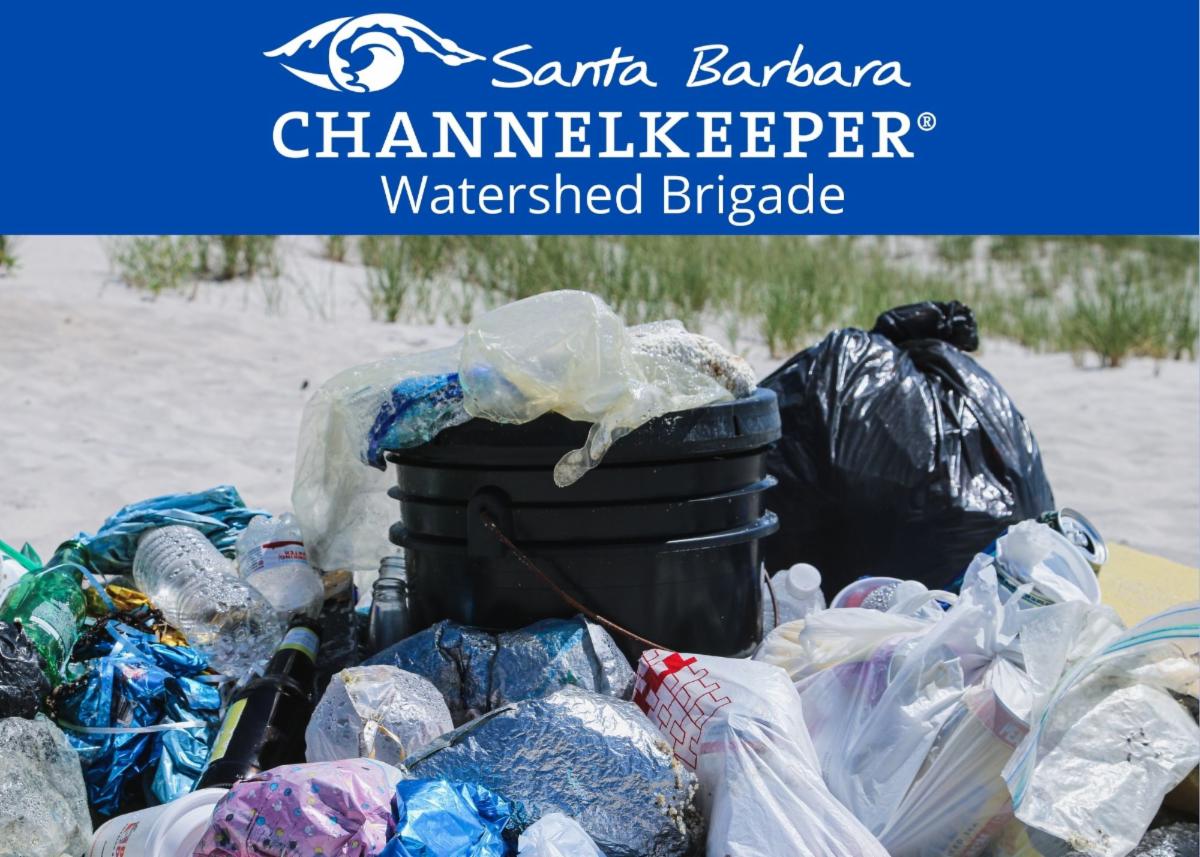
Although we paused our January Challenge due to high hospitalization rates in Santa Barbara and Ventura Counties, last month 19 volunteers conducted independent (or household) clean-ups and collectively spent 57 hours removing 51 bags of trash from our environment! Thank you to everyone who participated in this impressive effort!
Our monthly Challenges are still on hold, but we have lots of exciting things in the works! Check our website or the Watershed Brigade Facebook Group to stay up to date on Brigade Challenge status, litter removal hotspots, and future initiatives. We hope you’ll contribute, tag us @sbchannelkeeper, and use #WateshedBrigade when you post!
|
|
Curb Cuts Webinar
February 8th at 12:00 pm
Polluted runoff is the single biggest source of pollution to California’s coastal waters. When it rains, stormwater runs over dirty streets, rooftops, parking lots, and lawns, carrying with it a toxic mixture of pollutants, including disease-causing pathogens, gasoline, lubricants, pesticides, fertilizers, trash, sediment, and heavy metals.
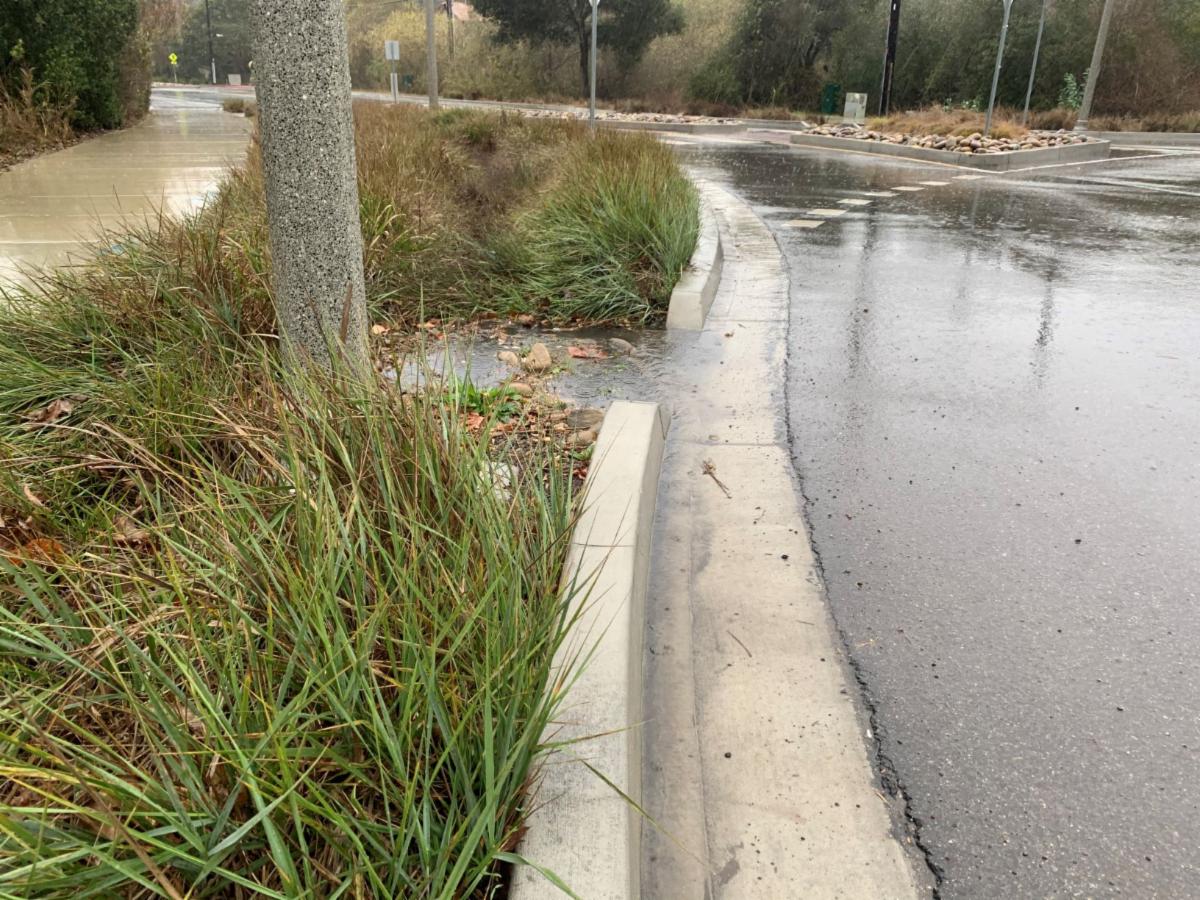
Curb cuts are a rainwater harvesting feature that allows stormwater to flow into parkways or planting beds in parking lots instead of running down the street and picking up pollution that ends up in the ocean. Curb cuts allow runoff to be directed into pervious areas and filtered through the soil. They can help to direct, slow, spread, and sink stormwater; irrigate water-wise plants and street trees; and prevent flooding.
Our friends at Sweetwater Collaborative are presenting a free webinar titled "Introduction to Curbs Cuts—Treating Stormwater as a Resource, Not a Nuisance" on February 8th from 12:00 pm to 1:00 pm. During the presentation, they’ll share examples of curb cuts in our area and in other communities and explain local design standards, as well as the benefits and challenges of capturing stormwater. To join, register here.
|
|
MPA Watch Volunteer Training Workshop
February 18th at 5:30 pm
Channelkeeper is looking for dedicated volunteers to help us record and track human activities in and adjacent to Santa Barbara's Marine Protected Areas (MPAs) through our MPA Watch program.
We currently monitor the MPAs at Campus Point in Goleta and Naples and Kashtayit MPAs on the Gaviota Coast. The data we collect provides important information to understand how people are using MPAs and also helps inform MPA management. We recently wrapped up a review of 2020 MPA Watch data and are beyond grateful to our dedicated volunteers and interns who conducted surveys during this challenging year.
We are also so proud to share that this past year our Santa Barbara MPA Watch program reached an impressive milestone of conducting 5,000 transects since the program launched 10 years ago.
Becoming an MPA Watch volunteer is easy and fun (and follows social distancing guidelines)! Our next volunteer training workshop will take place virtually on Thursday, February 18th from 5:30-6:30 pm. Please RSVP by email penny@sbck.org if you’d like to attend the online training. We will be sending out the virtual training link to everyone who RSVPs.
|
|
Your support for Channelkeeper's efforts
is needed now more than ever.
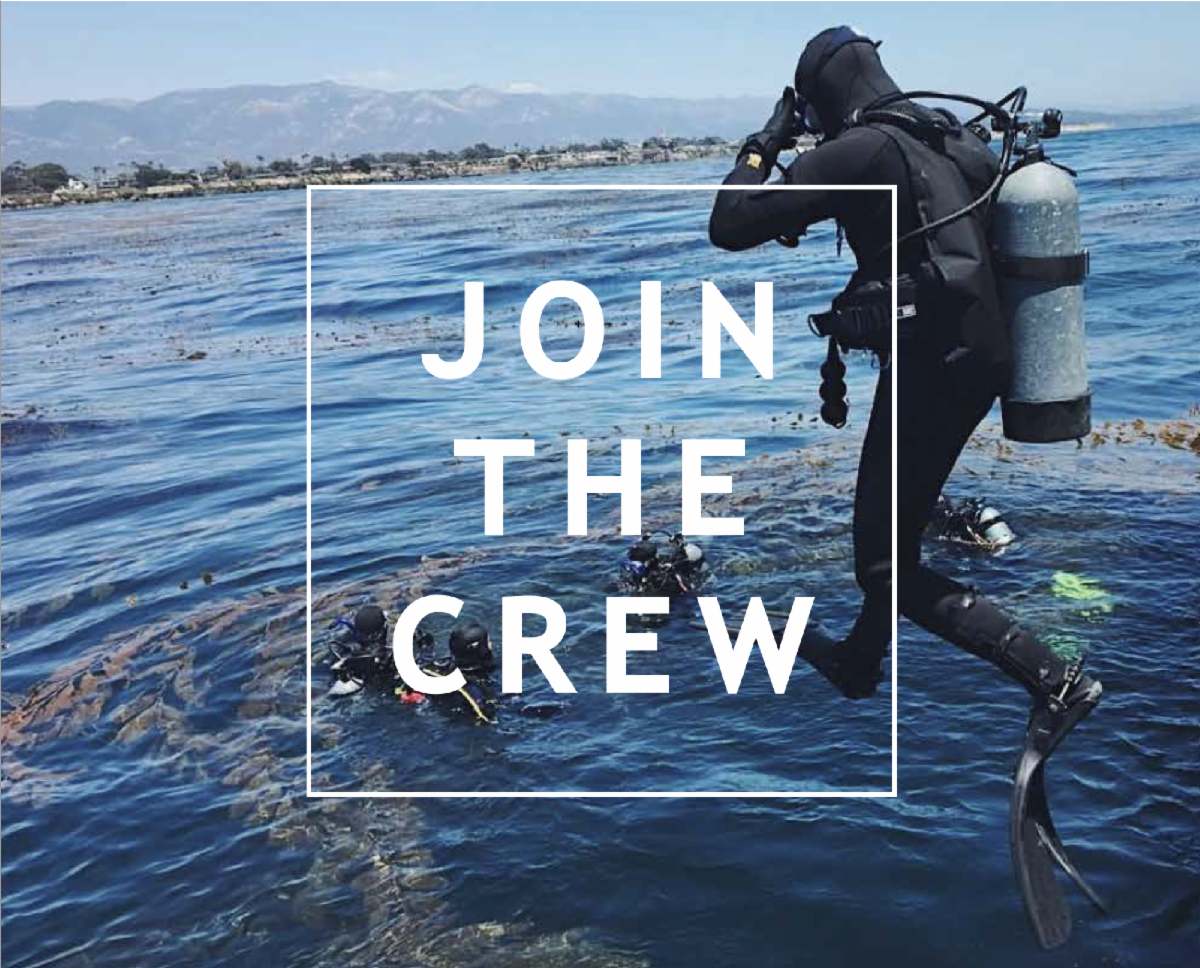
Become a member of the Channelkeeper crew today with your tax-deductible donation. You'll be investing in clean water and healthy communities along the Santa Barbara Channel today and for future generations.
With your membership, you will receive our regular newsletters, news updates and action alerts, invitations to special Channelkeeper events and fun volunteer opportunities, and a free Channelkeeper sticker. All new donors contributing $50 or more can also receive a Channelkeeper t-shirt, and for donations of $250 or more, bi-annual issues of Waterkeeper magazine. Sign up today by emailing us or clicking here.
|
|
|
|
|
|
|
|
|
|