e-Newsletter | April 24, 2026

A Relic of Marie Antoinette: A Detective Story


A link to the full story is just below the following announcements.

Enjoy this sneak peek of one of the 10 gardens featured on the 47th Annual Old Newbury Garden Tour!

Catch up on a recent recorded program here!

Upcoming Events

Seasonal Saturday Tours!

Saturdays (weather permitting) 11am - 4pm

(last tour at 3pm).


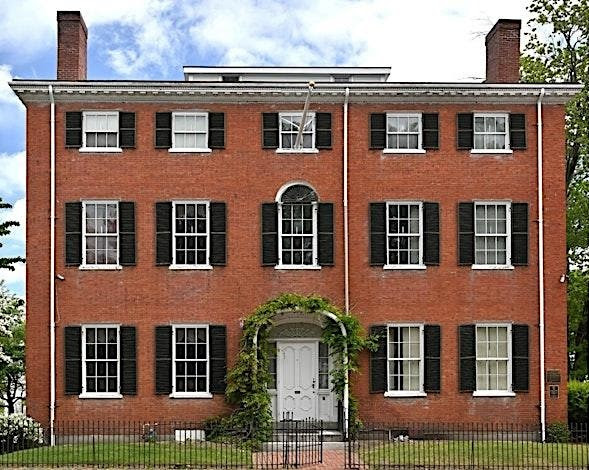
Guided tours of the Museum of Old Newbury’s 1808 Federal-style home, offered Saturdays this winter. History comes alive on every floor!


Tickets Here

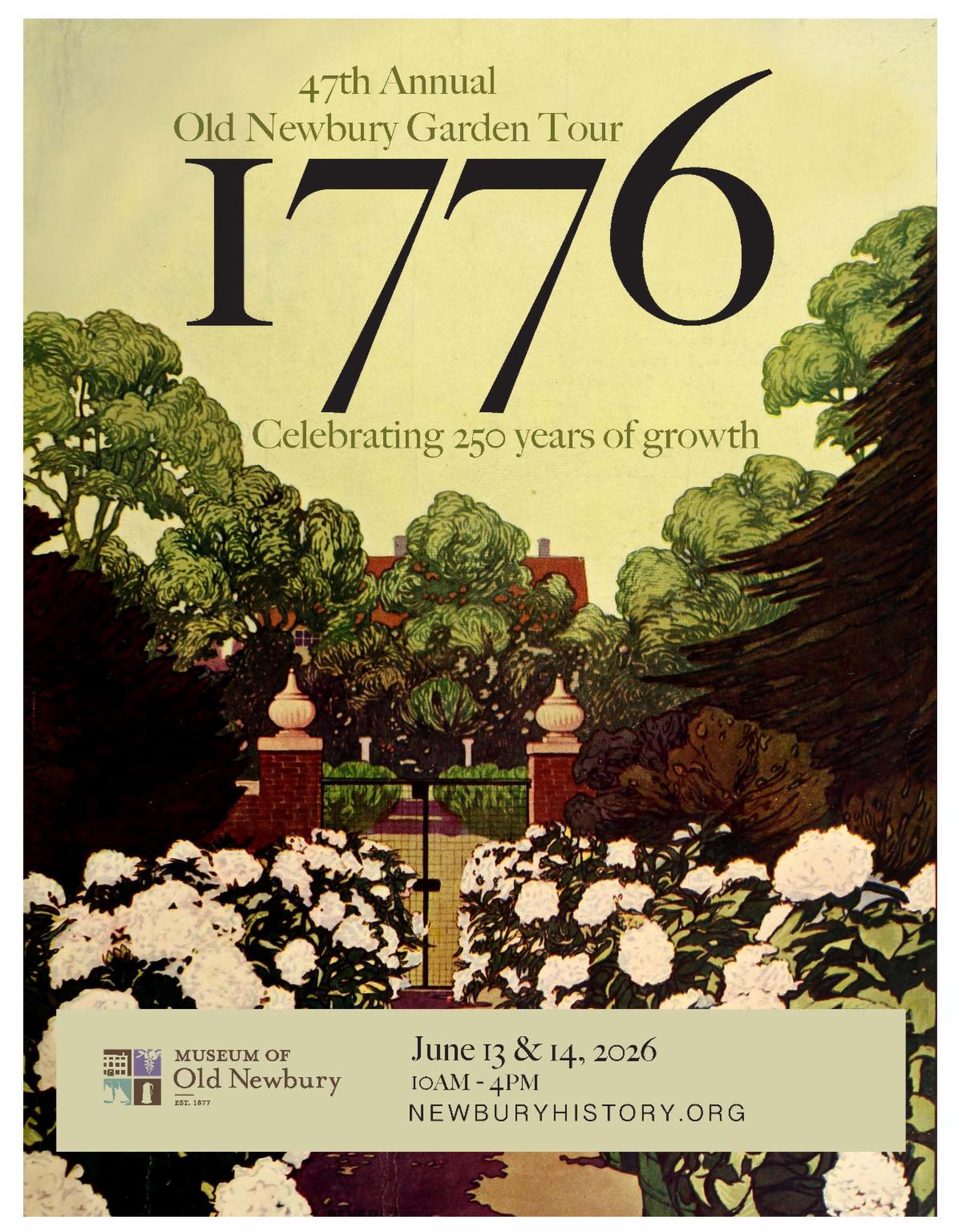
47th Annual Old Newbury Garden Tour

Saturday + Sunday June 13 & 14, 2026

10am - 4pm.


This year's theme is 250 Years of Growth, an homage to the originality and innovation of American gardens, and our featured gardens in particular. You'll enjoy access to the best we have to offer, from urban pocket gardens to larger, more formal landscapes.


Tickets Here

Watch Past Events

Recorded Lectures Await!


Did you miss a lecture from our MA250 series of events? Watch them at your leisure at newburyport250.org


Visit the Site

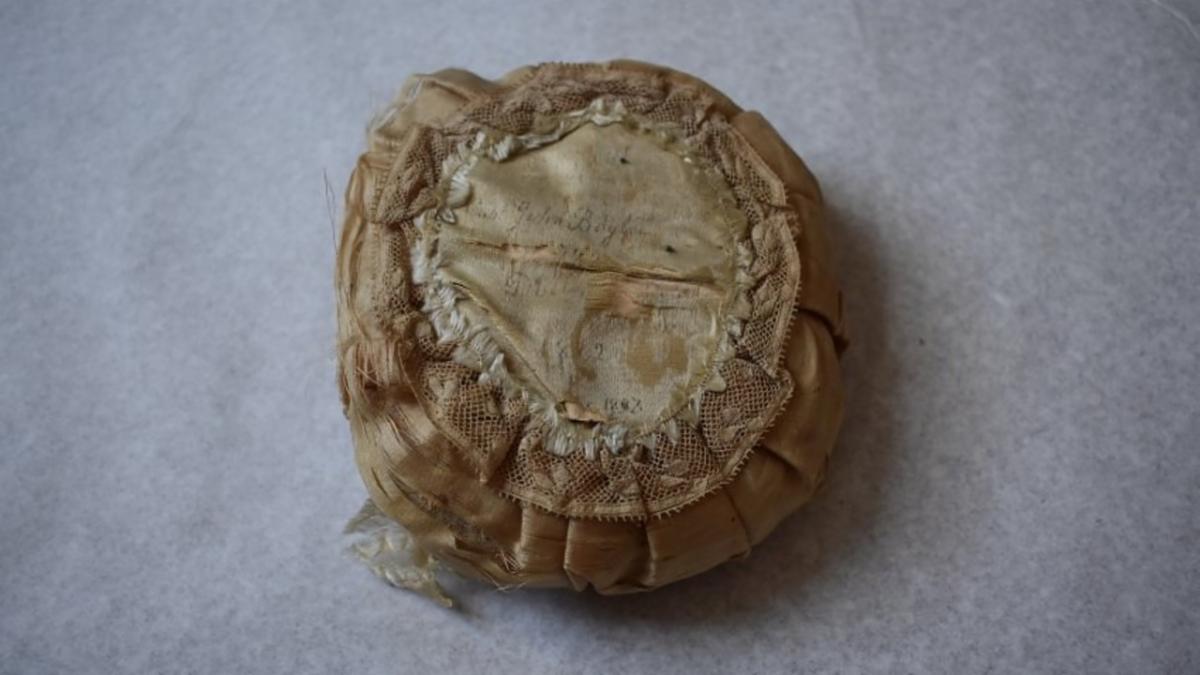
A Relic of Marie Antoinette: A Detective Story

by Bethany Groff Dorau

Something New: From here on out, we're hosting full-length versions of these articles in a new section of the website called "Further Reading", and the button below leads there. Making these well researched pieces publicly available means search engines will likely lead more curious people to our resources... and as a bonus, we can add more illustration than ever before.


"Whether this is or is not an actual piece of a dress belonging to Marie Antoinette is NOT the most important question, in my opinion. Given the scant documentation with this piece, it is of primary importance to me to see if it is even possible that this came from France, and if so, if we can verify that the donor believed it was a piece of the famous queen’s dress..."


"The Best Things in Life Are Free, But You Can Give 'em to the Birds and Bees..."

by Ashley Adams Serveiss, Collections Manager & Archivist

I'm talking about currency, moula, dinero, dough, lettuce, bread, or the more contemporary, "skrilla." Whichever colloquialism you choose to describe money is what's up for discussion today.


As it goes with all things in our marvelous Perkins Art & Research Center, I recently uncovered a small horde of historic currency, including a few pieces printed using Jacob Perkins' anticounterfeiting measure (which was invented here in Newburyport, naturally). For those not already aware, Jacob Perkins (1766-1849) was an inventor, engineer, and silversmith who is widely known for his steel engraving process, which provided designs that were nearly impossible to replicate on currency using traditional methods.


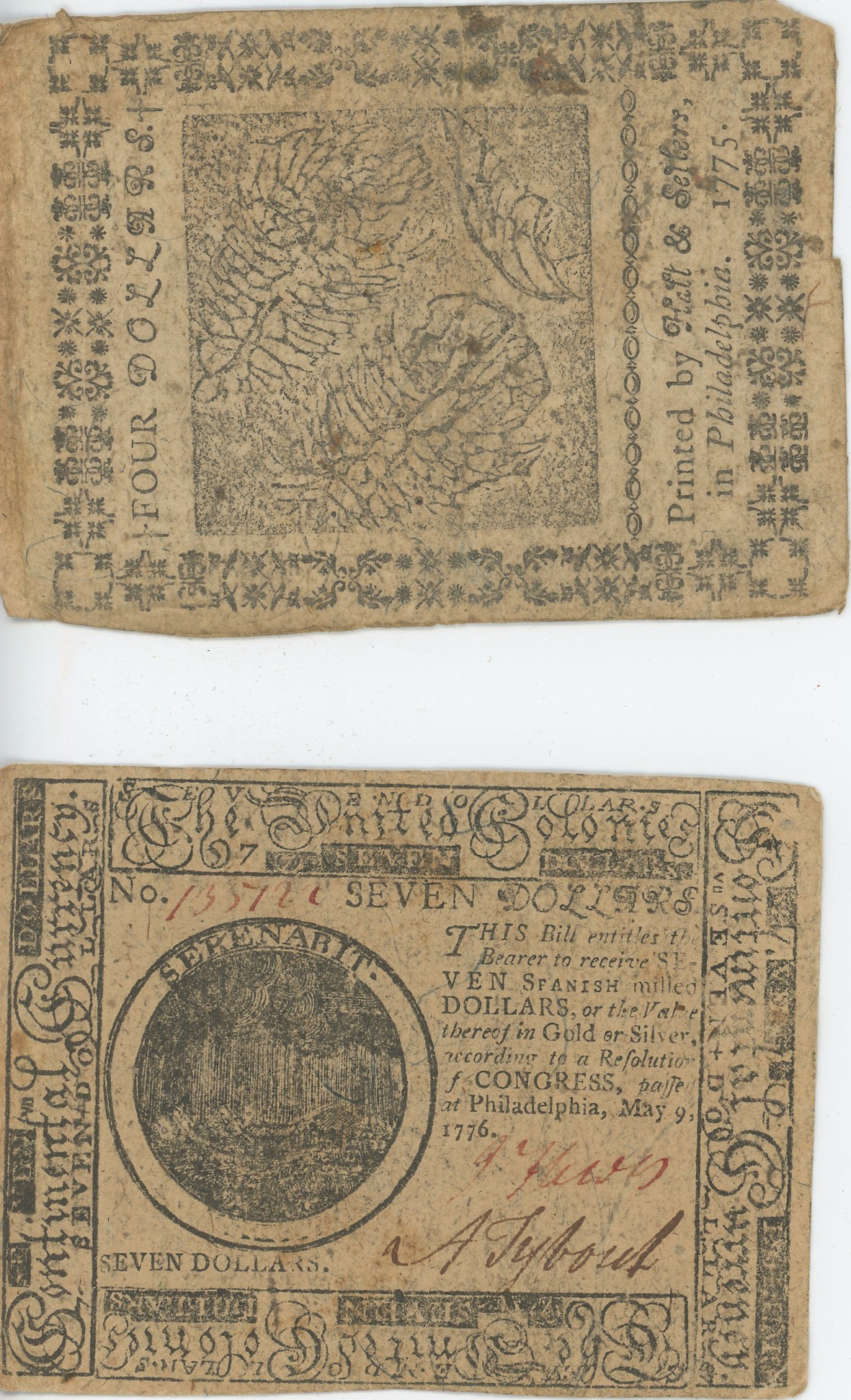
In addition to the notes printed using Perkins' process, we have a collection of 18th century Continental Currency, all printed in Philadelphia between 1775-1776. This small collection of currency was printed by Hall & Sellers, which served as the successor to Franklin & Hall. The firm of Franklin & Hall was founded by none other than Benjamin Franklin!


Long before Perkins had invented his steel engraving process, Franklin instituted his own anticounterfeiting measures to the currency he designed and printed. Our collection here showcases Franklin's "Nature Printing" method, which features prints of leaves made from lead casts. Leaves are much like fingerprints -- highly individualized and different from all others -- no two leaves are the same, even those produced by the same plant. The subsequent product is a highly detailed and uniquely composed image. This unmistakable process created one-of-a-kind prints that were nearly impossible to replicate through the traditional methods of the time.


Want to learn and see more? We welcome you to visit the Perkins Art & Research Center, where you may see these notes in all their glory! Our hours are Fridays and Saturdays from 10 am - 2 pm. Happy spending!


To the left:

Top two images feature two separate Continental Currency notes, printed in Philadelphia by Hall & Sellers in 1776. These notes feature Benjamin Franklin's "Nature Printing" method; as we can see, the reverse side of the note depicts leaves.


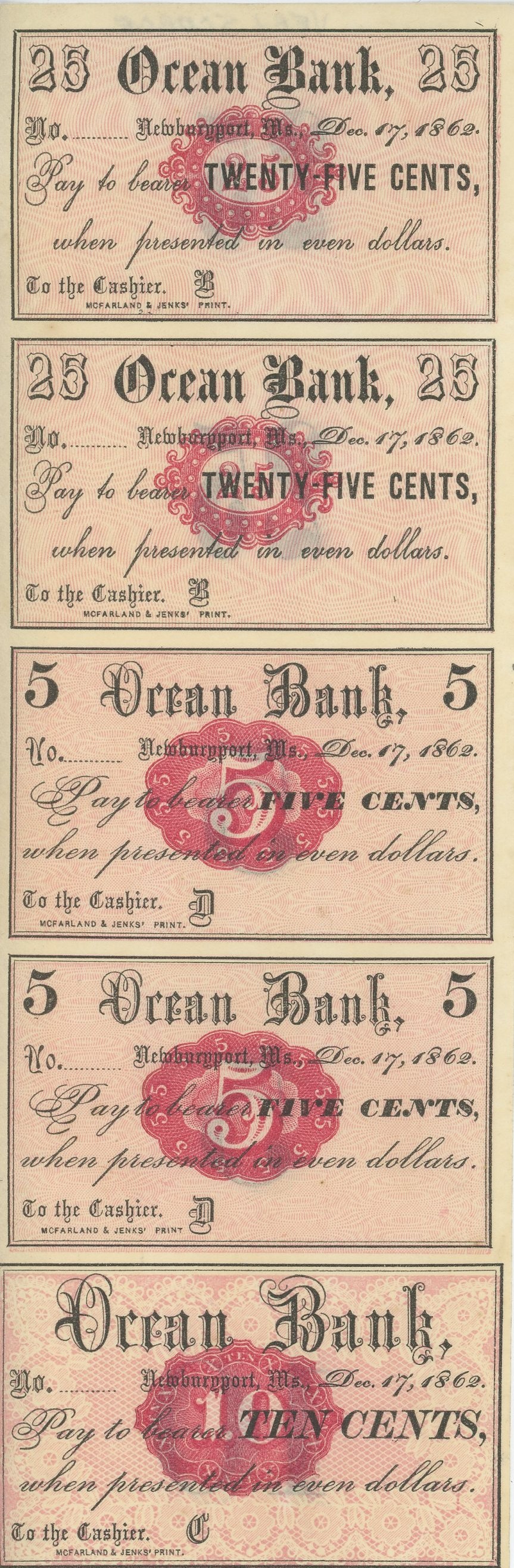
Below is a very scarce uninterrupted strip of five, ten, and twenty five cent bank notes, printed by the Ocean Bank of Newburyport on December 17, 1862, likely using Perkins' anticounterfeiting measure. If you're a numismatist, we'd love to hear your take on this currency (and more)!

Something Is Always Cooking...

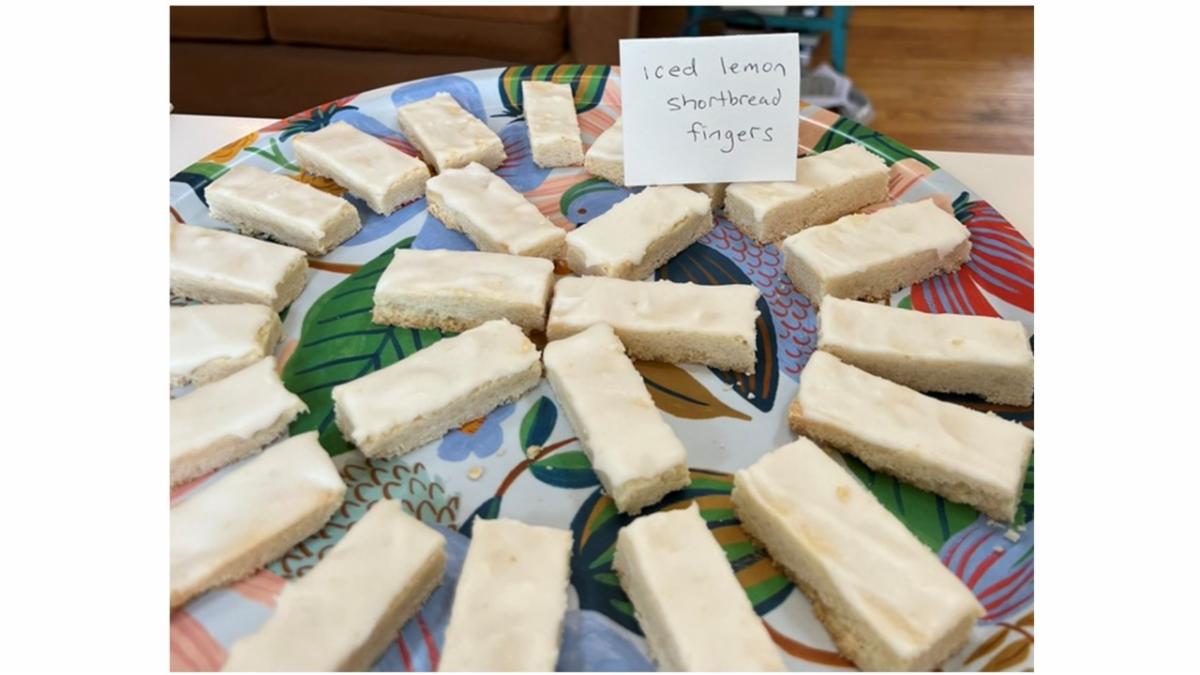
Iced Lemon Shortbread Fingers


This delicious recipe comes to us from MOON friend, excellent baker and frequent contributor, Kristen Fehlhaber.


Ingredients


Shortbread

1 ½ cups all-purpose flour

1/3 cup cornstarch (Rumford is best)

½ cup powdered sugar

2 ½ tablespoons sugar

2 tablespoons finely grated lemon zest (colored part of the skin)

¾ cup (1 ½ sticks) unsalted butter, slightly softened

¾ teaspoon salt

2 teaspoons fresh lemon juice


Icing

2 tablespoons sugar

1 teaspoon finely grated lemon zest (colored part of the skin)

1 ½ tablespoons fresh lemon juice

1 teaspoon light corn syrup

1 cup powdered sugar

water as needed


Instructions

1. Prepare the pan: Grease a 9-inch square baking pan or coat with nonstick spray. Line the pan with aluminum foil, letting the foil overhang two opposing sides of the pan.


2. Mix dry ingredients: In a medium bowl, stir together the flour and cornstarch.


3. Process aromatics: In a food processor, process the powdered sugar, sugar, and lemon zest until the sugar is yellow and the zest is finely pulverized, about 3 minutes, stopping and scraping down the bowl sides several times.


4. Cream butter: Add the butter, salt, and lemon juice and process until well blended, about 1 minute.


5. Combine: Sprinkle the flour mixture over the butter mixture and process in on/off pulses until well blended and smooth, stopping and scraping down the bowl sides several times.


6. Chill dough: Turn out the dough onto a large sheet of plastic wrap; pat the dough into a 8-inch square. Fold the wrap around the dough. Refrigerate for 20 to 30 minutes, or until the dough is cool and slightly firmer.


7. Preheat oven: Preheat the oven to 300F.


8. Press into pan: Press the dough evenly into the pan. Lay a sheet of wax paper on the dough, then press it out to the edges until the top is flat and smooth. Peel off and discard the paper.


9. Bake in the middle of the oven for 35-45 minutes, or until pale golden all over and just slightly darker at the edges. Transfer the pan to a wire rack and let stand until completely cooled.


10. Using the overhanging foil as handles, transfer the shortbread to a cutting board. Carefully peel off and discard the foil.


11. FOR THE ICING In a food processor, combine the sugar and lemon zest and process until the sugar is lightly colored and the zest is finely pulverized, about 1 minute, stopping and scraping down the bowl. Add the lemon juice and corn syrup and process until the sugar dissolves. Add the powdered sugar and process until evenly incorporated, scraping down the bowl. Add enough water, a few drops at a time, to yield a fluid but not runny icing.


12. Immediately spread the icing evenly over the shortbread. Let stand for 5 minutes.


13. Carefully trim the edges of the shortbread with a large knife. Cut square into 3 equal portions. Each strip will give you 8 fingers, for a total of 24.

Clean the blade between cuts. Separate the fingers and allow the icing to set for about 1 hour.


Adapted from “The All-American Cookie Book” by Nancy Baggett.


Pair these with a hot cup of tea and enjoy!


Puzzle Me This...

Click the image to do the puzzle


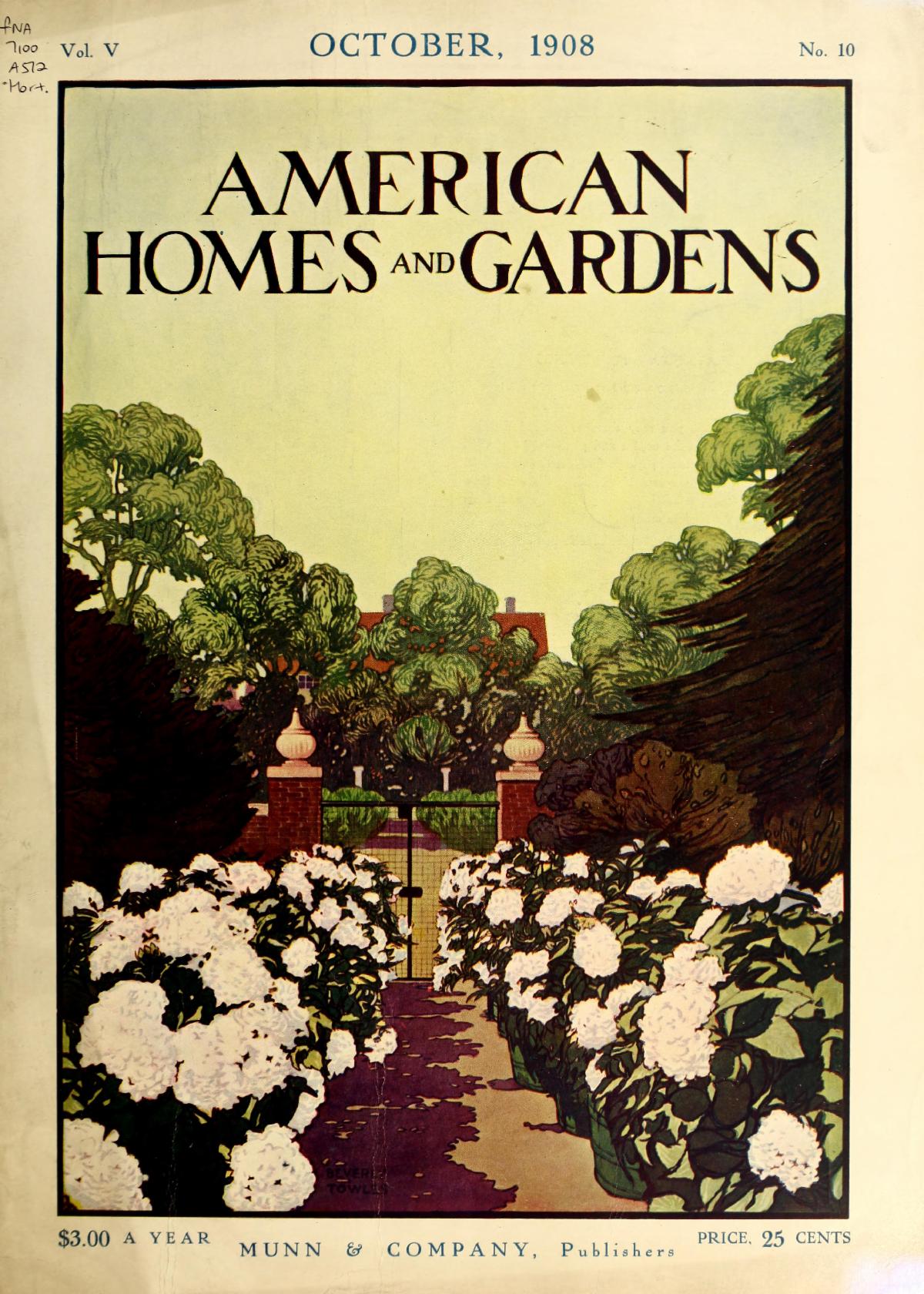
It's time to start thinking about gardens again. Such bliss!


Museum e-Newsletter made possible through the generosity of our sponsors:

Museum of Old Newbury

98 High Street

Newburyport, MA 01950

978-462-2681

www.newburyhistory.org

Facebook  Instagram  Twitter