Strong Families. Strong Futures. | | |
Greetings to our VFN Family and Community Partners.
As Vermont’s Parent Training and Information Center (PTIC), Vermont Family Network helps families build the confidence and skills to advocate for their children with disabilities and use their voices to shape more equitable and effective education systems. PTICs support parents in moving from advocating for one child to influencing broader change. Families turn to VFN for many reasons...when they’re trying to understand a new diagnosis, navigate insurance, or simply connect with someone who truly gets what they’re going through. This is the heart of our work and it’s why protecting it matters.
There is much happening on the federal and state levels that have the potential to greatly impact the lives of children with disabilities and their families. Right now, the federal program that makes this support possible is facing two significant threats. Your voice can make a real difference.
This legislative session, Vermont’s education committees have been deeply focused on transformation efforts tied to Act 73, while also grappling with rising costs and uneven student outcomes. A major focus is the state’s special education system, which continues to face staffing shortages, increasing service costs, and persistent inequities. These challenges are highlighted in the Agency of Education’s Special Education Delivery report. Lawmakers are now considering how to align special education funding and service delivery with the governance and accountability changes required under Act 73. To stay informed, you can follow legislative activity on the Vermont Legislature website.
The federal grant that funds this very work—the Family-to-Family Health Information Center Program—is up for re-authorization in Congress, and progress has stalled. This is a critical impasse. Without re-authorization, centers like ours that families count on could be at risk. One of the most impactful actions you can take right now is to reach out to Vermont’s congressional delegation and ask them to co-sponsor the re-authorization bills.
You don’t need to be a policy expert. Sharing your story is enough. Even a simple message, such as the one below, can make a meaningful difference:
"I'm a Vermont family who has benefited from the Family-to-Family Health Information Center at Vermont Family Network. I'm asking you to co-sponsor the re-authorization of the F2F HIC program, so families like mine can continue to get the support we need."
Please contact:
Now more than ever, on the federal and state levels, it is important for families to stay informed and raise their voices.
From the heart,
The VFN Leadership Team
| | |
VFN 2026 Annual Conference
Register Today!
| | |
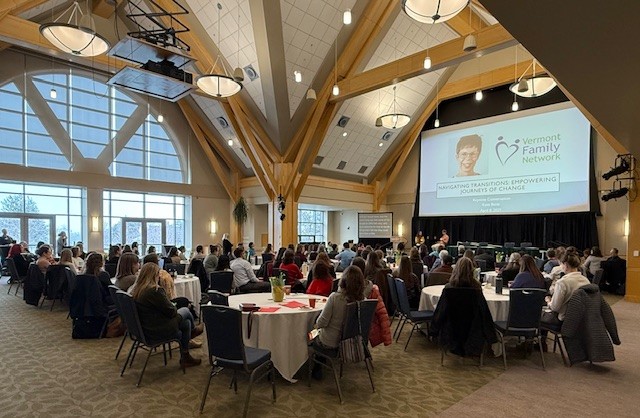
Our VFN 2026 annual conference
"Pathways Through Change: Empowering Families at Every Stage" will be held in-person on Tuesday, April 28th between 8:00-3:45 at the
University of Vermont
Dudley H. Davis Center.
This conference brings together families of children and youth that have disabilities or special health needs and the educators, medical providers/students and other professionals who support them while attending workshop sessions covering:
- Family Co-Advocacy in Action: Navigating Health and Education Systems Together
- From High School to Adulthood: Resources and Supports to Help Youth Build Their Best Life
- Working Together: Using Shared Plans of Care to Strengthen Family and Provider Collaboration
- Looking Beyond the Absence: Family-Centered Approaches to Support School Attendance
- Understanding Executive Function: The Brain Skills That Help Us Plan, Focus, and Get Things Done
- A Seat at the Table: What Youth with Disabilities Want Us to Know
For more information including the agenda,
please visit our VFN Annual Conference page.
If you are interested in becoming a 2026 sponsor, please reach out to Joanne at joanne.fitzgerald@vtfn.org.
If you are interested in being an 2026 exhibitor, please reach out to Rachel at rachel.boyers@vtfn.org.
| | |
Career Education for
Young Adults with Disabilities
| | |
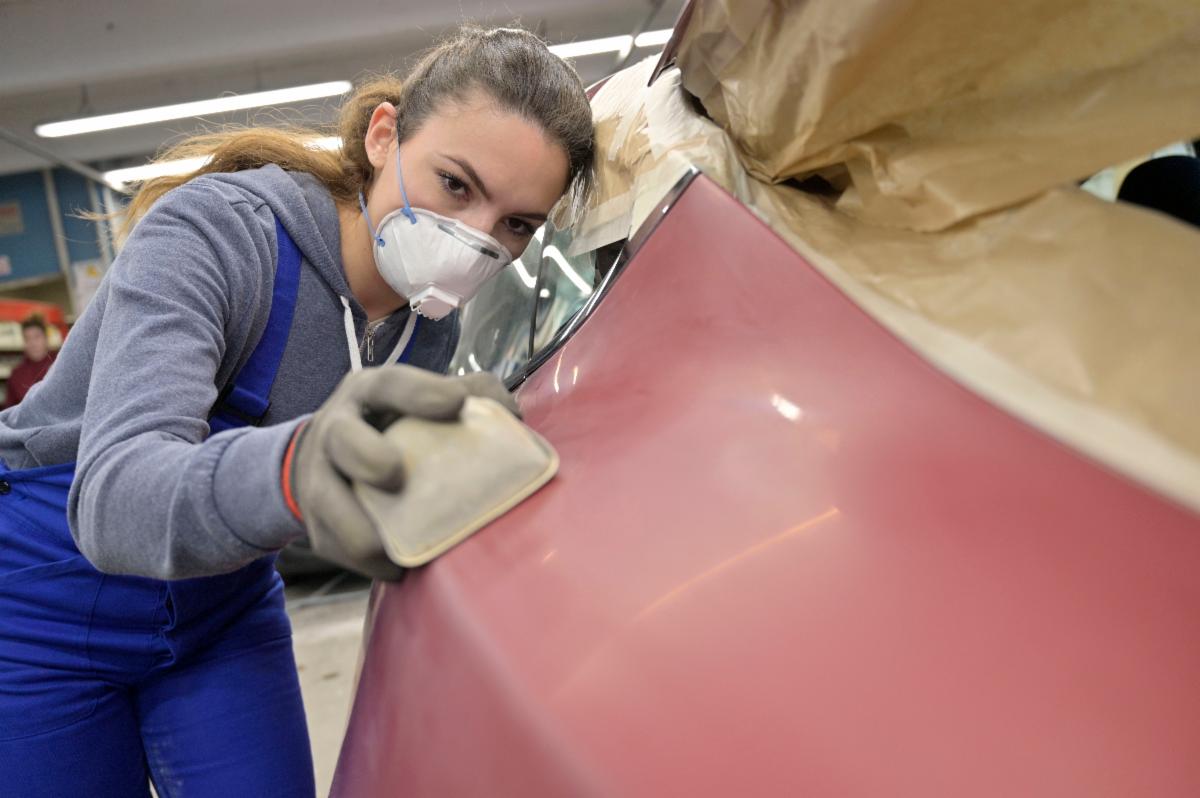
With the right resources and support, many youth with disabilities can find and succeed in meaningful work. Even as early as middle school, young people can begin identifying their interests and skills, and exploring them through clubs, volunteering, and other hands-on experiences.
Work can help:
- Build confidence and independence
- Learn new skills and gain experience
- Make friends and build community
- Feel proud of making a difference and being part of something bigger
- Earn money to support goals, hobbies, and dreams
In Vermont, students with disabilities can get hands-on experience through work-based learning opportunities, vocational rehabilitation services, job coaching, internships, and supported employment. It’s important to ask your child’s IEP team how to access these opportunities so that they can build workplace readiness skills while they are still in school.
Check out Vermont Family Network’s Transition Toolkit for more information and resources on work, college, and training programs for youth with disabilities.
| | Volunteer Support Parent Training | | |
Sign-up for our next Volunteer Support Parent Training!
-
Thursday, March 12 at 12:00 - 2:00 p.m.
- Thursday, April 9 at 6:00 – 8:00 p.m.
The two-part training is short and easy consisting of a two-hour Zoom training and a self-guided PowerPoint.
Parent matches do not require much time. The average trained support parent texts and emails a few times with the referred parent and speaks on the phone once or twice. Requests to serve as a trained support parent are sporadic, and can be infrequent to a few times a year, depending on the specific diagnosis or condition that is requested.
You do not have to be an expert. Being able to listen with compassion and maintain confidentiality are the most important skills.
You are never alone. VFN match facilitators are available to support any questions that arise.
Please consider volunteering as a trained support parent, as one parent to another, your listening ear can make a huge difference.
If you have questions or to register for the upcoming training, contact Marie at Marie.fetterhoff@vtfn.org.
| | |
If you have a child between the ages of 12-15 who has a sibling with a disability or special health need, they can meet with other “sibs” for fun and connection this month!
This Month on March 21 the Sib’s are heading to Talent Indoor Skatepark, gear included from 6:00-8:00pm! Join us for snacks, friends, and an introduction to skateboarding lessons! Interested or have any questions?
Please email Sarah at sarah.morgart@vtfn.org to enroll and receive the Talent Skate Park's Wavier to complete by 3/10.
| | VFN Leadership Cafe: Supper & Support | | |
Supper & Support
Lyndonville
Tuesday, March 24th
1:00 PM – 2:00 PM
Cobleigh Public Library,
14 Depot St, Lyndonville
Hartford
Tuesday, April 7th
1:00 PM – 2:00 PM
Hartford Public Library,
1587 Maple St, White River Junction
Coming soon to Groton and Essex Junction, VT!
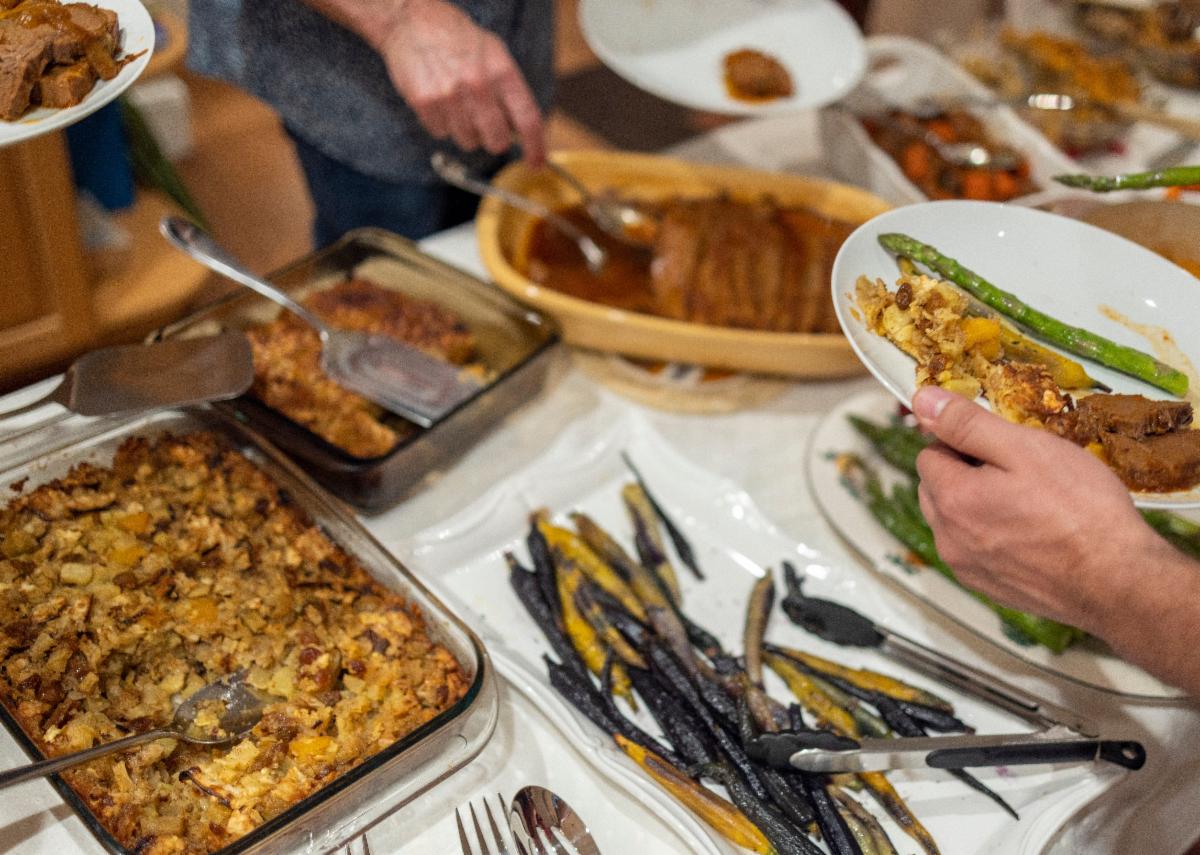
Join Vermont Family Network for dinner, connection, and a dose of empowerment. Supper & Support is part of our Leadership Café series designed by and for families of children with disabilities and special health care needs.
Over a shared meal, you'll learn practical tools to navigate systems and communicate with confidence, including:
-
The power of your story - how to share your family's experience in a way that moves people to action
-
The MESSAGE framework - a step-by-step approach for conversations with schools, doctors, and agencies
-
Connection with other families who truly get it
No expertise is required. Just bring your experience, your appetite, and yourself. Free light dinner provided.
RSVP to Emmy at emmy.hilliard@vtfn.org.
| | Bullying and Harassment in Schools | | |
Bullying happens when a child is ridiculed, humiliated or intimidated repeatedly. Harassment occurs when a student is bullied based on their disability, race, color, etc. These behaviors can look like name-calling and insults, including those that happen in writing on social media, through email or texts, and threats of physical harm or actual harm.
VFN has been a part of an advisory council to provide input into the Vermont Agency of Education’s (AOE) proposed model policy for the prevention of harassment, hazing and bullying (HHB) of students. The model policy will cover prevention of HHB, as well as the process of investigating and responding to HHB complaints. Information about the proposed policy can be found on AOE’s Harassment, Hazing and Bullying prevention and Response page.
If you have any questions regarding schools’ obligations to protect students with disabilities who are harassed in school, please contact the VFN helpline at 802-876-5315 or info@vtfn.org.
| | |
Lived Experience Matters!
At Vermont Family Network, we know that every family’s story, no matter if you are just starting out or a seasoned caregiver, carries essential wisdom for future medical providers. When families share their lived experiences, they help emerging professionals understand the real-life impact of healthcare decisions, communication, and compassion. These stories illuminate the diverse paths families navigate, offering insight no textbook can replicate.
Your lived experience matters and it strengthens the future of healthcare for everyone! At VFN, our family faculty program, has opportunities for stories from every stage of life and caregiving.
If you are interested in learning more about our family faculty program, contact Ashley at ashley.michaud@vtfn.org.
| | |
Family Support Fund
Respite is a planned break for caregivers. Does your child under the age of 21 have a chronic physical, medical, or developmental condition? If the answer is yes, do you receive respite funding from another organization? If not, you may be eligible for respite funding through the Vermont Family Network.
Respite funding is part of our Family Support Fund, which also includes Medically Necessary Supplemental Funding (MNSF). Our Family Support Fund is made possible through a grant from the Vermont Department of Health Children with Special Health Needs program.
Please see our flyer and/or contact Diane at diane.bugbee@vtfn.org to learn more.
| | |
The Power of Yet
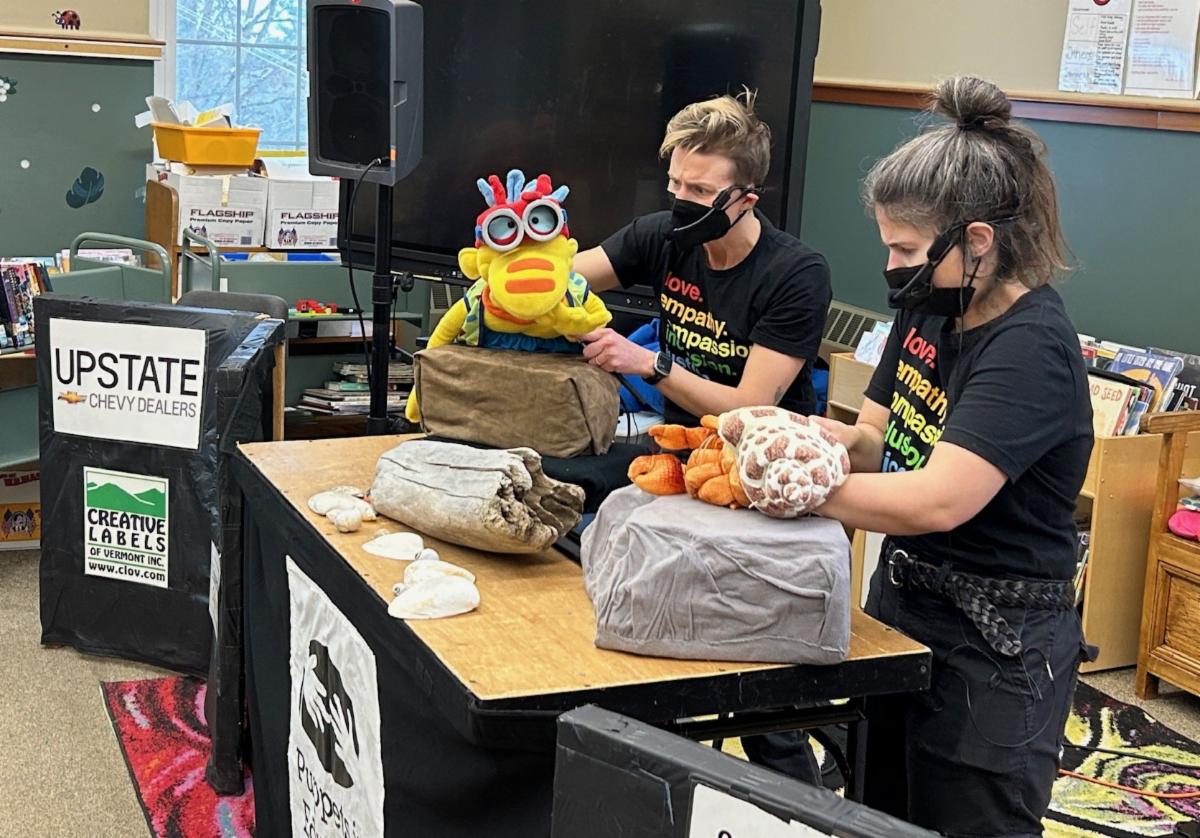
In our new Resilience Puppet Program, students meet a hermit crab who has outgrown its shell. With the help of a kid puppet and a supportive adult character, the crab learns to identify big feelings (scared, sad, and excited) and discovers that growing and changing are natural parts of life.
Together, students explore what it means to find people they connect with, develop a growth mindset, and build problem-solving skills. One of the most powerful lessons centers around a simple but transformative word: yet.
Instead of saying, “I can’t do this,” students learn to say, “I can’t do this… yet.”
When asked to share something they once couldn’t do but can do now, students proudly reflected:
- “I couldn’t put on my snowsuit.”
- “I couldn't make my own hot chocolate.”
- “I couldn’t talk, now I can.”
- “I couldn’t master a cartwheel, but now I always land on my feet!”
- “I couldn’t read.”
Students also shared dreams for their futures, things they may not be able to do yet:
- “Drive a monster truck.”
- “Go skydiving.”
- “Have goats and a cow.”
- “Play basketball.”
- “Run faster!”
After sharing their goals, we encourage them to:
“Practice, practice, practice!”
“Try, try again!”
“You can do it!”
Teachers have embraced the power of yet as well:
- “I will encourage my students to be resilient and use the power of YET!” — 4th Grade Teacher
-
“I will ask students to think of something they couldn’t do before but can do now. Then we’ll talk about something they can’t do yet and set a goal together.” — Retired Teacher
- “I will intentionally use the word ‘resilient’ and remind students to add ‘yet.’” — Paraprofessional
This month, we are applying for funding for the 2026–2027 school year to expand our Resilience program in Vermont. If your school or community would benefit from this essential puppet program, please reach out.
Email Sarah at Sarah.Vogelsang-Card@vtfn.org to join our waiting list. We work closely with schools to help identify funding opportunities and we always strive to make room for schools in need.
| | |
Appealing Testing Denial
Receiving a letter that your insurance has denied coverage for genetic testing can feel overwhelming and discouraging. A denial doesn’t always mean the end of the road. Many families successfully appeal insurance decisions; sometimes you just need a few additional documents or clarifications.
These are some of the steps you should take when you get a denial letter in the mail:
-
Read the denial letter carefully: It should explain why the request was denied and outline the steps for filing an appeal. You can also request the file of information submitted from your insurance company.
-
Contact your ordering provider or genetic counselor: They can help you understand the denial and inform you of the steps they are taking in the appeal process. They will let you know if you should gather any documentation such as detailed clinical notes, family history, or letters of medical necessity. It is important to inform your provider and insurance company of any new or worsening symptoms.
-
Check your insurance plan’s appeal process: Plans often allow multiple levels of appeal. You usually have a set time frame (often 30–180 days) to submit your request.
Working closely with your provider’s office is often enough to successfully overturn a denial. If you need additional help, Vermont Law offers guidance and support throughout the appeals process. Vermont Health Connect also provides useful information and resources on their website.
VFN’s genetic navigator is also here to help you navigate the process and different options. Contact us at info@vfn.org or by calling 802-876-5315 to speak with our genetic navigator. We are here to help!
| | |
Mud Season Magic:
Make Your Own Playdough!
It's mud season in Vermont which means we're all a little stir-crazy, the boots are permanently thrown by the door, and the kids need something to do with their hands. This is one of my favorite times of year to slow down and make something simple together.
Homemade playdough is one of those quiet and gentle wins. It's sensory-rich, it's creative, it's affordable, and honestly? Squishing it around is good for us grown-ups too.
Why Playdough Is More Than Just Fun
For children especially those with sensory processing differences, anxiety, ADHD, or autism, playdough can offer something valuable: a safe, predictable way to engage physically and calm their nervous system. Here's what's happening when kids (and caregivers!) dig in:
- Deep pressure input from squishing helps regulate the nervous system
- Repetitive hand movements can reduce anxiety and support focus
- Open-ended play builds creativity without pressure
- Scented playdough adds another fun layer that can be especially grounding
- Making it together turns a simple activity into connection time
I also love including small jars of homemade playdough in sensory kits especially when we are navigating medical appointments, waiting rooms, or transitions that tend to spike anxiety. Tuck a small container in a bag with a few simple tools (a popsicle stick, a plastic fork, a smooth stone is fun) and you have a portable calm-down kit that costs almost nothing.
Classic Playdough No-cook, ready in minutes
2 cups all-purpose flour
½ cup salt
2 tablespoons cream of tartar
2 tablespoons vegetable oil
1½ cups boiling water
Food coloring (optional)
A few drops of essential oil — lavender is lovely
Mix the dry ingredients, add oil and boiling water, stir until it comes together, then knead until smooth. Add color and scent while kneading. Store in an airtight container and if sealed it keeps for months.
Gluten-Free Playdough Same fun, no wheat
1 cup rice flour
½ cup cornstarch
½ cup salt
2 teaspoons cream of tartar
1 tablespoon vegetable oil
1 cup boiling water
Food coloring (optional)
Same method — mix dry, add wet, stir and knead. The texture is slightly softer but works beautifully. Keeps well in an airtight container.
A Few Vermont-Worthy Add-Ins
- Dried lavender or lemon balm from last summer's garden
- A drop of peppermint or orange extract for a fresh scent
- Glitter for when you need a little sparkle in mud season
- A smooth Vermont river stone tucked in the kit for grounding
This is a great activity to do alongside your kiddos. Put on some music, let it get messy, and call it a win.
Have a family wellness tip, sensory idea, or recipe you'd love to share
in a future newsletter? I'd love to hear from you.
Send an email to Emmy at emmy.hilliard@vtfn.org.
| | Upcoming Events - Register today! | | |
Free Online Workshops
March 12 at 10:00 - 11:00 a.m. "Supporting Comfort and Participation: An Introduction to 24-Hour Postural Care for Families"
This workshop introduces families, caregivers, and providers to the core ideas of 24-Hour Postural Care, a gentle, family-centered approach to positioning children and young adults with motor impairments throughout the day and night. The goal of 24-Hour Postural Care is to support comfort, body alignment, rest, and participation during everyday activities, including sitting, lying, sleeping, and moving through daily routines.
Presenter: Pamela Cummings - pediatric physical therapist and project director for the VT Early Intervention Project and 24-Hour Postural Care within the Center on Disability and Community Inclusion at UVM
March 31 at 2:00 - 3:00 p.m. "School Based Mental Health Supports – Success Beyond Six"
Success Beyond Six is a Medicaid program that allows schools to partner with their designated community mental health agencies to provide mental health services in schools. The intent of Success Beyond Six is to both strengthen the partnership between schools and mental health agencies so both entities may meet the needs of students and families as well as reduce the cost burden on education by using Medicaid for eligible services to eligible students. These services include counseling, behavioral supports, consultation to schools, and therapeutic schools. Services and supports can be tailored depending on the needs of schools and students.
Presenters: Laurel Omland - Director of the Child, Adolescent and Family Unit and Marianna Donnally - School Mental Health Programs Manager both at the Vermont Department of Mental Health
April 9 at 10:00 - 11:00 a.m. "Health Bites and Insights: Prepare to Get the Care you Need"
Join us for a collaborative workshop series from the UVM Libraries and the UVM Medical Center’s Patient and Family Experience designed to empower you with practical tools for better health and wellbeing. This upcoming session, “Prepare to Get the Care You Need,” will guide you through simple, effective ways to get ready for your next medical visit. In this workshop, you will learn how to ask good questions and get organized before your doctor’s appointment, and find trustworthy, high-quality online resources to support your family’s care decisions.
Presenters: Geri Amori - Co-Chair of UVM Medical Center Patient & Family Advisory Council Steering Committee and Maria Avery - Community Outreach Manager for UVM Libraries
May 19 at 3:00 - 4:00 p.m. "Student-Led Individualized Education Programs (IEP)"
When students are given the opportunity to have an active role in the development of their individualized education program, they learn how to state their preferences and goals, and take ownership over their future. A student-led IEP process has many benefits, such as promoting self-advocacy, improving student engagement, and strengthening transition planning. This workshop will be co-presented by three people with experience with student-led IEPs: a disability advocate, a parent of a person with a disability, and a person who supports youth with disabilities as they transition to adulthood.
Presenters: Jayson Capobianco - Family Resources Consultant/ ostsecondary Transition Consultant with the Vermont I-Team, Ocean Streeter - disability advocate with Green Mountain Self-Advocates and UVM CDCI and Michele Streeter - NE Regional Family Support Consultant with the Vermont I-Team
Our workshops are online using the Zoom meeting platform.
If you are unable to attend the live presentation, you can still register and we’ll send you a link to the recording of the workshop which you can watch on your own time, unless otherwise noted. We appreciate when you register for our workshops as we need that data for our grant reporting.
Registrations are also posted under Upcoming Events on the landing page of our website. In case you missed our last series of workshops, you can find a full list on our VFN website. Check in regularly as we add more workshops to our schedule!
We save workshops on our website and YouTube channel.
| |
VFN Workshop Topics/Speakers Survey
We want to hear your ideas for our upcoming online workshops. What topics interest you? Are there presenters you would recommend?
Let us know your thoughts.
| | Contact Us. We Will Listen! | | Helping Vermont Families thrive for more than 30 years | | | |  |
Office
600 Blair Park Rd, Ste 240,
Williston, VT 05495
| | | | |