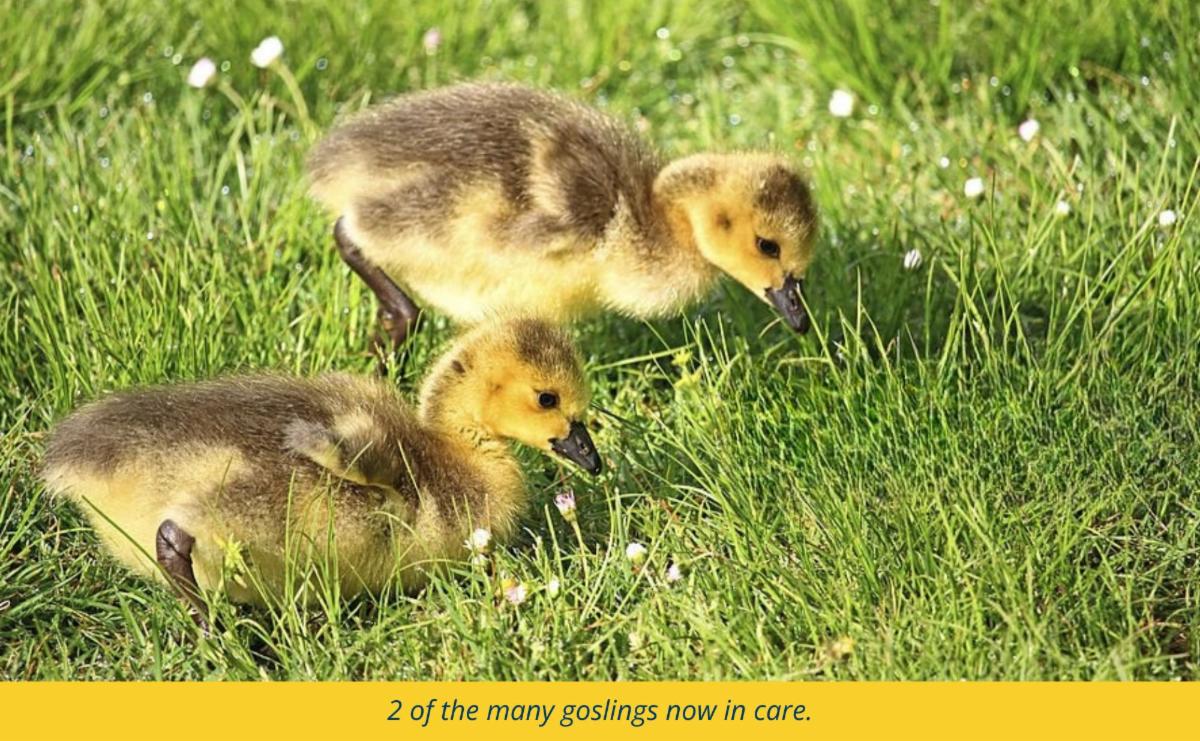
Over 650 wild animals are currently calling Shades of Hope home.

Dear Grace,


Baby season is in full swing and we have over 650 wild patients in care and more are arriving every day!  As we head into June, we’re seeing a shift in our in-takes from mammals to birds.


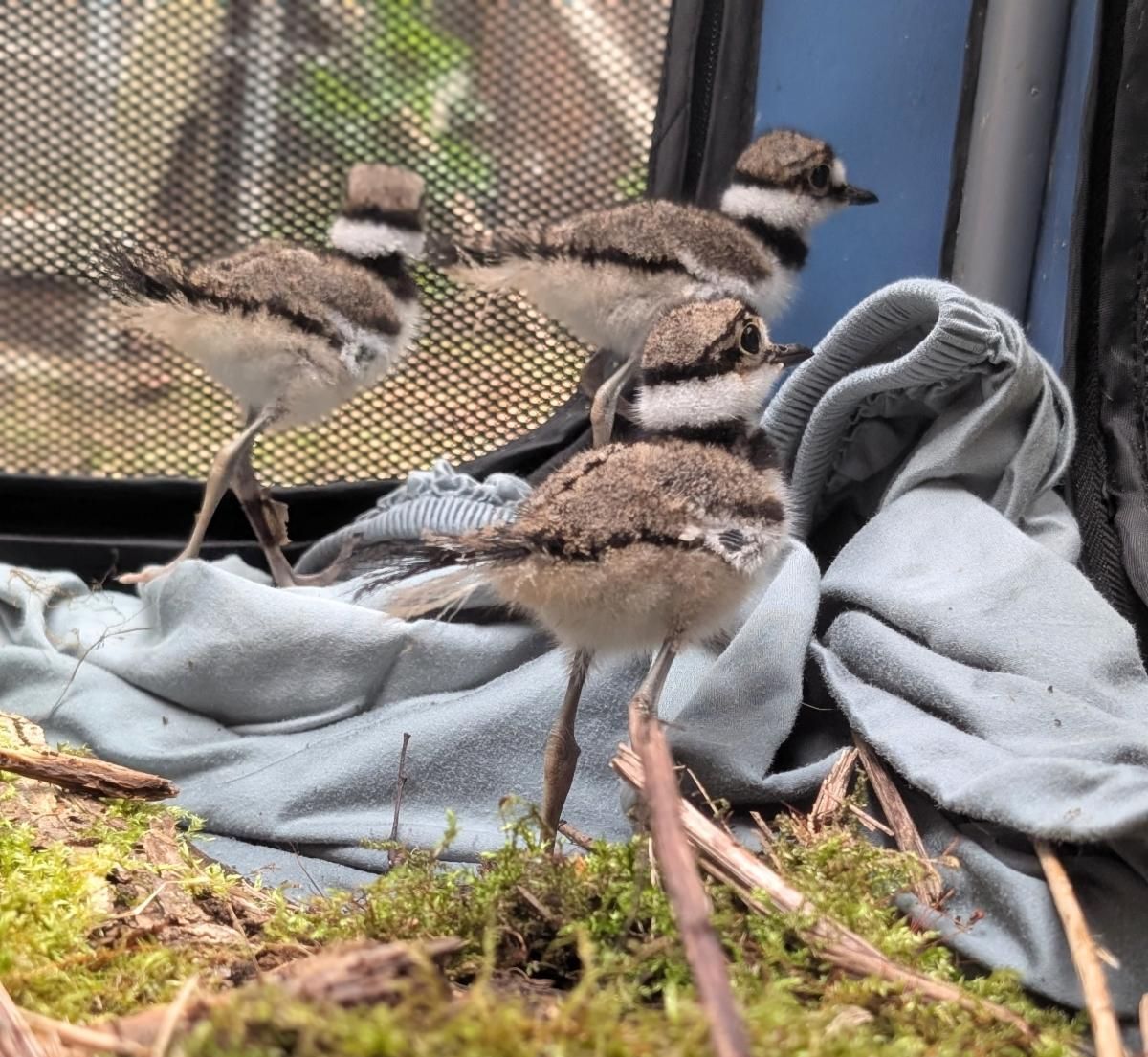
And, right now, we're in the middle of nesting season for many of our native bird species. 

Rescuers are driving hundreds of miles to give second chances to fallen nestlings, broken fledglings and baby birds that have been attacked by other animals (often cats!).  We salute each and every rescuer that has given their heart to these fragile and compromised lives. THANK YOU for caring about our wildlife.


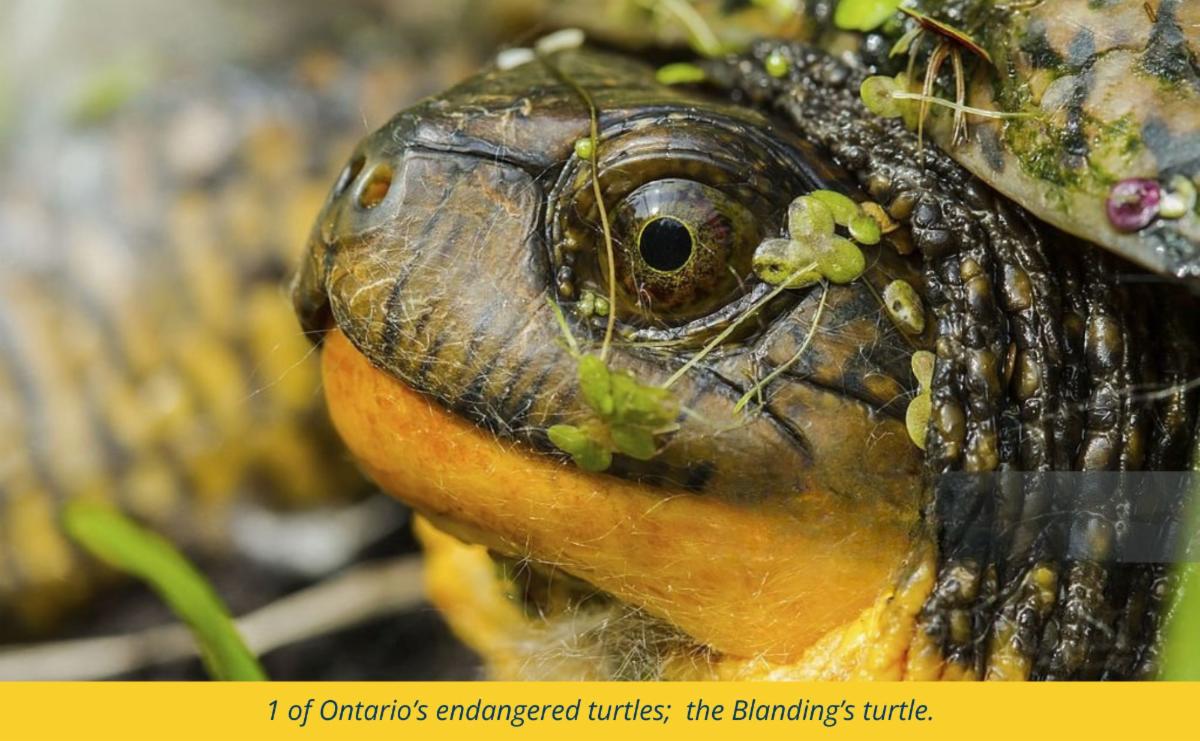
It’s also turtle nesting season.


In Ontario, we have 8 species of turtles, and ALL 8 are at risk


These magnificent survivors have been a part of our planet’s ecosystem for 200 million years! It is only in recent years that their populations around the world have been decimated by the effects of human sprawl and lack of consideration. Depending on species, a turtle must reach between 15 – 20 years of age before it is mature enough to reproduce.

Our roads are extremely dangerous for our turtles. The soft, sandy shoulders alongside our roads are a favourite nesting site. Females will cross many roads and highways to reach their preferred nesting grounds… and once their eggs have been laid, they’ll face the challenge of crossing them all again to return home. 


I urge you to watch for turtle crossing signs and slow down! And, if you see a turtle on the road, PLEASE allow it to complete its crossing or even help it along! We’re only a phone call away if you find a turtle in distress.


Gail


Gail Lenters,

Founder & Chief Animal-Lover

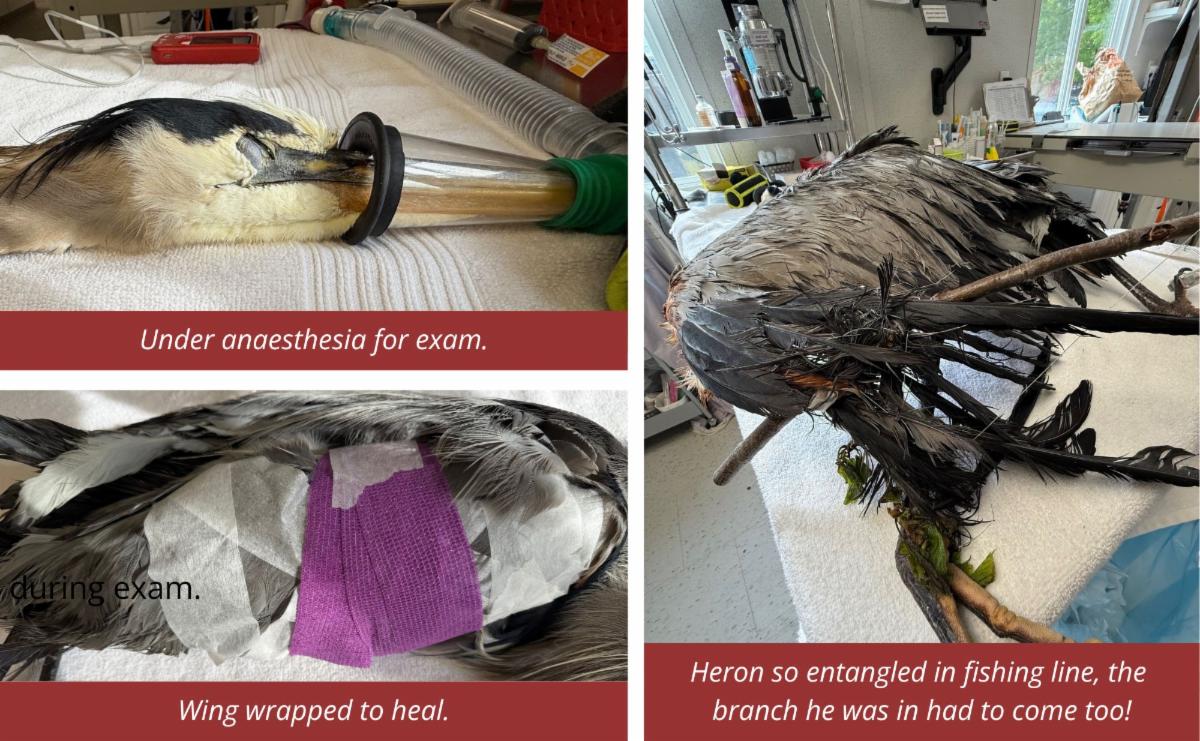
Blue heron entangled in disgarded fishing line.


This Great Blue heron was spotted in a tree with fishing line wrapped around its wing.


The heron had become so entangled in the fishing line, that not only was the line wrapped around this wing, but it was also wrapped around the branch he was perched in.


When the finder got closer, he knew that there was no way to unravel the line and free the bird, so he sawed through the branch and brought both the heron and the branch here for help.

If the finder hadn't spotted him, there's no doubt that this heron wouldn't have lasted long.


Once at the refuge, the heron was freed from his plastic prison and given a full exam by our medical team. We expected to see broken bones when the x-rays came back, but to our surprise, no fractures at all! He had some soft-tissue damage and many of his primary feathers were missing.


He will have to stay with us for a while, but we expect he'll make a full recovery.

ALERT: FAWN-NAPPING!

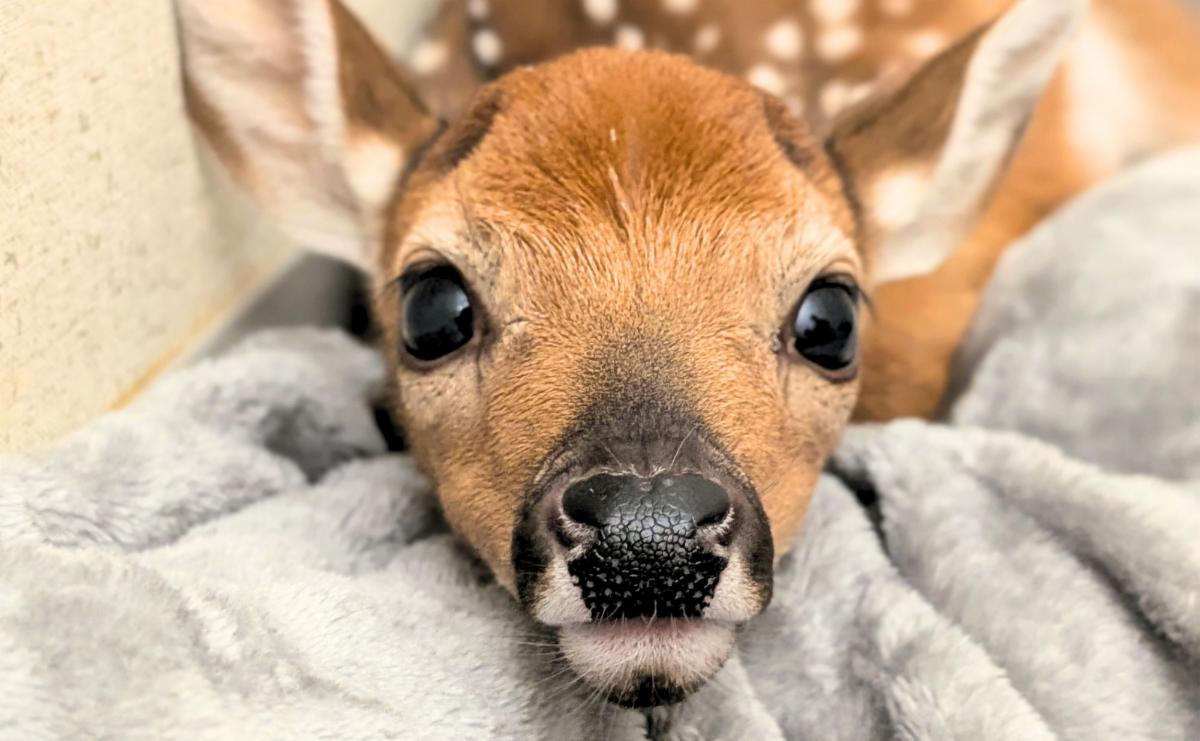
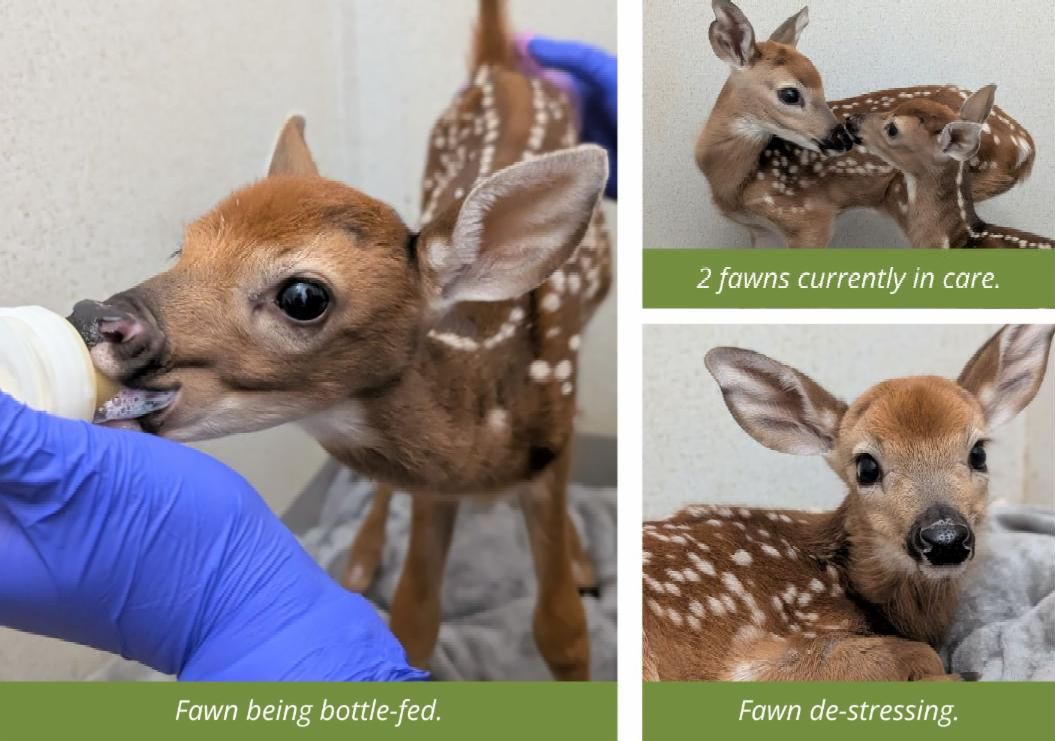
Every spring and summer, we receive dozens and dozens of phone calls from well-intentioned people thinking they've found a deer that has been abandoned by their mothers, but I want to assure you, 9 out of 10 times, the fawn is not abandoned.


In reality, healthy baby fawns are frequently left alone for up to twelve hours while their mothers forage for food.

Mother Nature has provided fawns with 2 amazing skills to stay safe... one, they have NO scent, so predators cannot sniff them out and two, they have the ability to remain absolutely still. A fawn's best chance of survival is when it's cared for by its mother.


"I found a fawn... should I intervene?"


If you find a fawn lying quietly, and you are worried they have been abandoned, leave them alone! Check on the fawn from a distance for the next 24 hours – the mother will likely return and move the baby to a new spot.


If the fawn is still in the same spot, can you see any of the following:


• is it bleeding?

• is it covered in fly eggs (they will look like small grains of rice)?

• is it cold or wet?

• is it crying non-stop?

• does it appear weak?


If you answered 'yes' to any of these questions, CALL US. We can help you determine if the fawn truly needs assistance and we'll help you with how to get the fawn to us for care.

WHEN IN DOUBT, REACH OUT!

If you DO spot a fawn you think needs help, reach out! Our care team is just a phone call away and can tell you if a rescue is needed. 705-437-4650

682

WILD ONES CURRENTLY IN OUR CARE

donorrelations@shadesofhope.ca • 705-437-4654