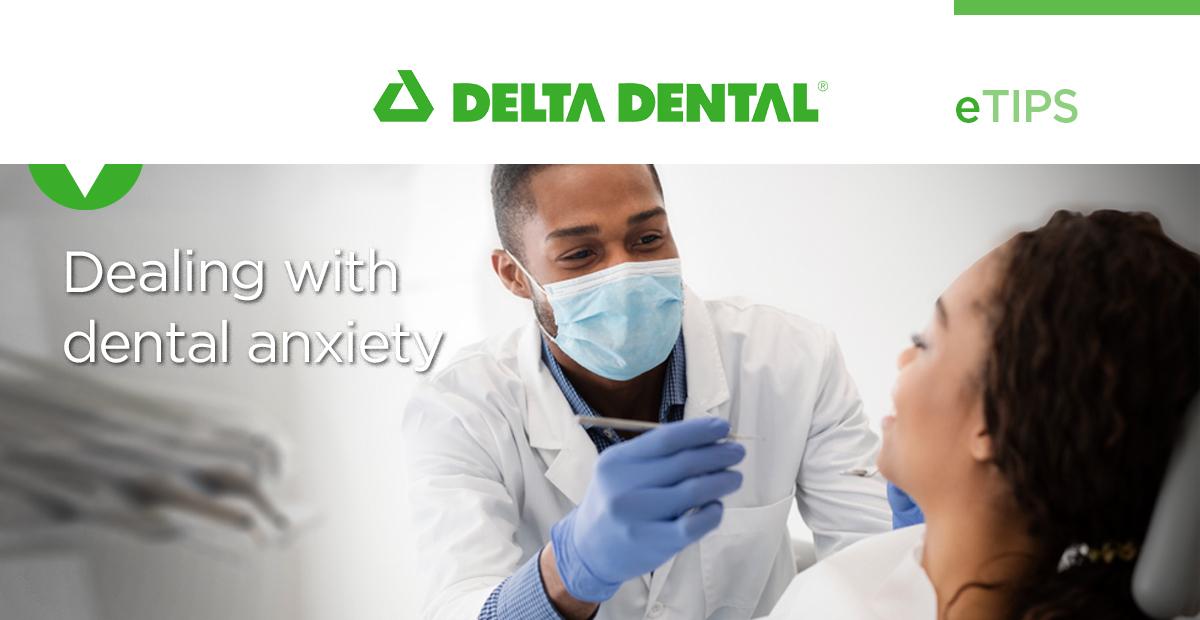
Are you avoiding the dentist due to fear or anxiety? More than 1 in 4 Americans who have skipped dental visits admit they were scared of going to the dentist.1
What causes dental anxiety?
Avoiding dental care often leads to poorer oral health, pain and more costly and complex dental procedures in the future. That’s why it’s so important for people with dental anxiety to confront their fear. Reasons for dental anxiety include past negative experiences at the dentist, concern or shame about poor oral health, anxiety about paying for treatment, or fear of pain or needles.
How can your dentist and dental hygienist help?
Don’t be afraid to ask questions. Letting your dentist and dental hygienist know about your anxiety ahead of time will give you the opportunity to discuss care options. Be specific about what makes you nervous, including any previous experiences.
Pain relief
If you've felt pain at the dentist in the past, let the staff know, as your dentist may suggest a larger dose of anesthetic to numb the location of the procedure. Your dentist may also suggest methods to relieve pain after your visit, including over-the-counter pain or prescription medication, ice or oral rinses.
Payment concerns
Know before you go! Get an estimate for your dental procedure and speak to your dentist about making arrangements for payment. Did you know most Delta Dental plans cover exams and cleanings at 100%? Log into our
member portal to check your benefits.
What can you do to relieve anxiety?
In addition to the help you receive from dental professionals, you may want to try these methods to relieve anxiety:
- Ask friends and family for dentist recommendations.
- Schedule your appointment when you’re under less stress, such as early morning.
- Avoid sugary foods and caffeine before your appointment, as they may trigger nervousness. Eating a high-protein meal beforehand may help reduce anxiety.
- Bring a friend or family member with you, if visitors are allowed.
- Breathe deeply before your treatment to help slow your heart rate and relax your muscles. Try inhaling while slowly counting to five, hold for a second, then breathe out slowly. Repeat five times.
- Take advantage of distractions at your dental office, such as tv or music, or bring your own music and headphones.
- Agree on a signal to let your dentist know if you need a break.
It’s important to schedule regular checkups and maintain oral health care habits. When you avoid visiting the dentist, you may develop serious oral health care issues that could require more complicated treatment in the future.