|
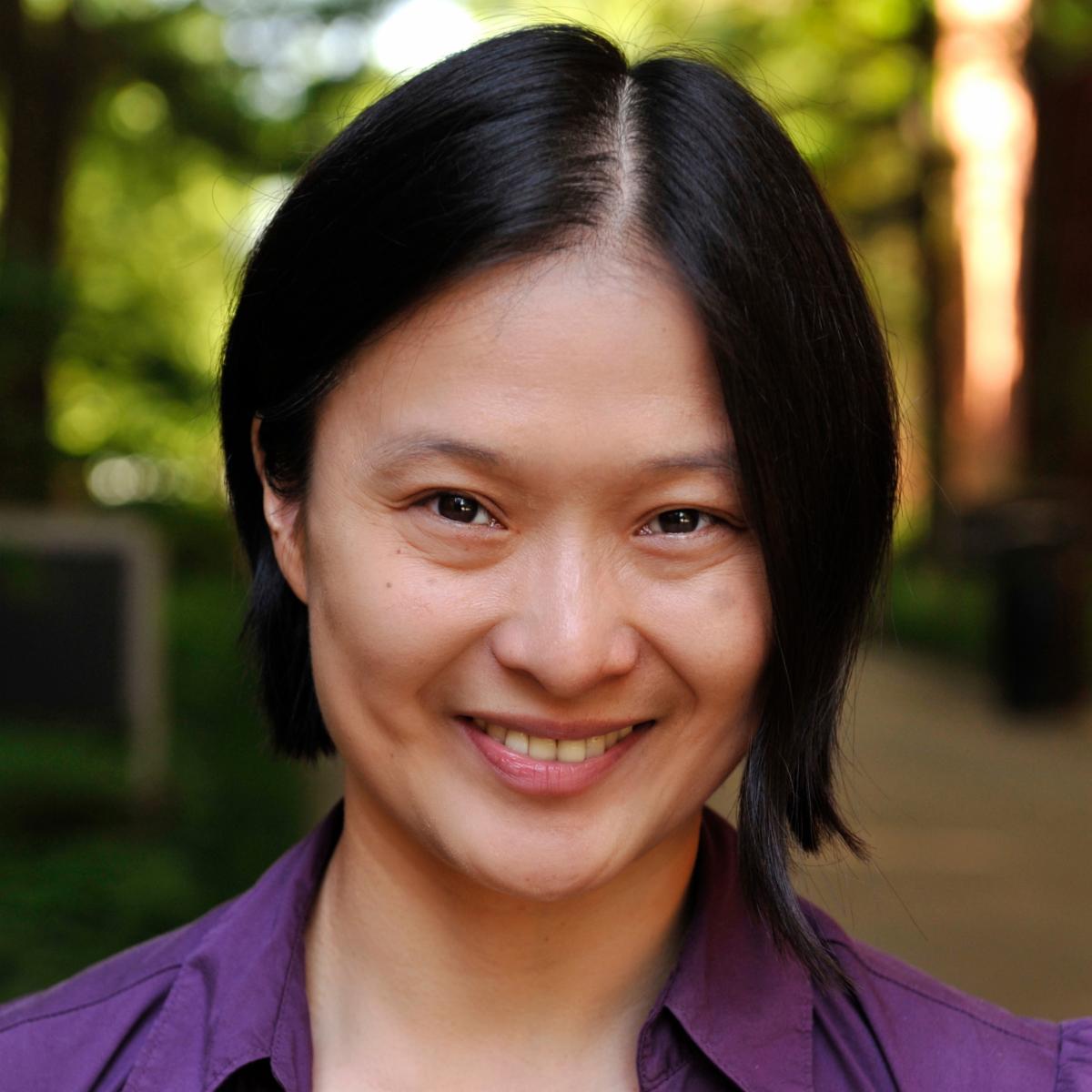
 The Institute for Chinese Studies will present a a lecture by Fan Yang, University of Maryland, on Friday, October 22 from 4:00 p.m. to 5:30 p.m. This lecture will be offered online and in person on the OSU campus (registration required). Professor Yang will present "Rethinking Sino-U.S. Politics through Chimerican Media: Rising China and the Transpacific Turns." Professor Jennifer Hubbert, Lewis & Clark College, will serve as commentator.
Abstract: This talk draws on my book manuscript, Disorienting Politics: Rising China and Chimerican Media, to rethink a media/cultural studies approach to Sino-U.S. politics. Chimerican media refer to a set of transpacific media artifacts and processes that make visible the economic, cultural, political, and ecological entanglements of China and America - the two twenty-first-century “superpowers” sometimes dubbed “Chimerica.” Most Chimerican media are produced in the United States, whether it is The Martian or House of Cards. But they also capture the myriad processes that characterize the Pacific as a space of Chimerican - among other Asian and American – encounters, which have expanded tremendously since China’s entry into the World Trade Organization in 2001.
From election campaign ads and popular films to TV/Netflix shows and journalistic accounts, Chimerican media often feature an elusive yet racialized presence of the Chinese state. This figure, what I call Rising China, is not merely a pre-formed object to be (mis)represented but an agent co-constituted with Chimerican media. Shaping and shaped by transpacific interactions, Rising China produces a disorienting effect on politics. That is, it extends a political imagination beyond the place of the nation and into the space of transpacific media.
Chimerican media as a kind of transpacific media offer competing visions of state and citizenship. Yet the widespread tendency among US cultural producers to racialize the Chinese state has made it difficult to recognize Chimerican entanglements as a basis for imagining politics anew. Engaging with the epistemic remapping known as the transpacific turns, this talk calls for a relational politics - beyond the conventional framing of Sino-U.S. relations - that acknowledges the multifarious and uneven interconnectivities between people, places, media, and environment
|


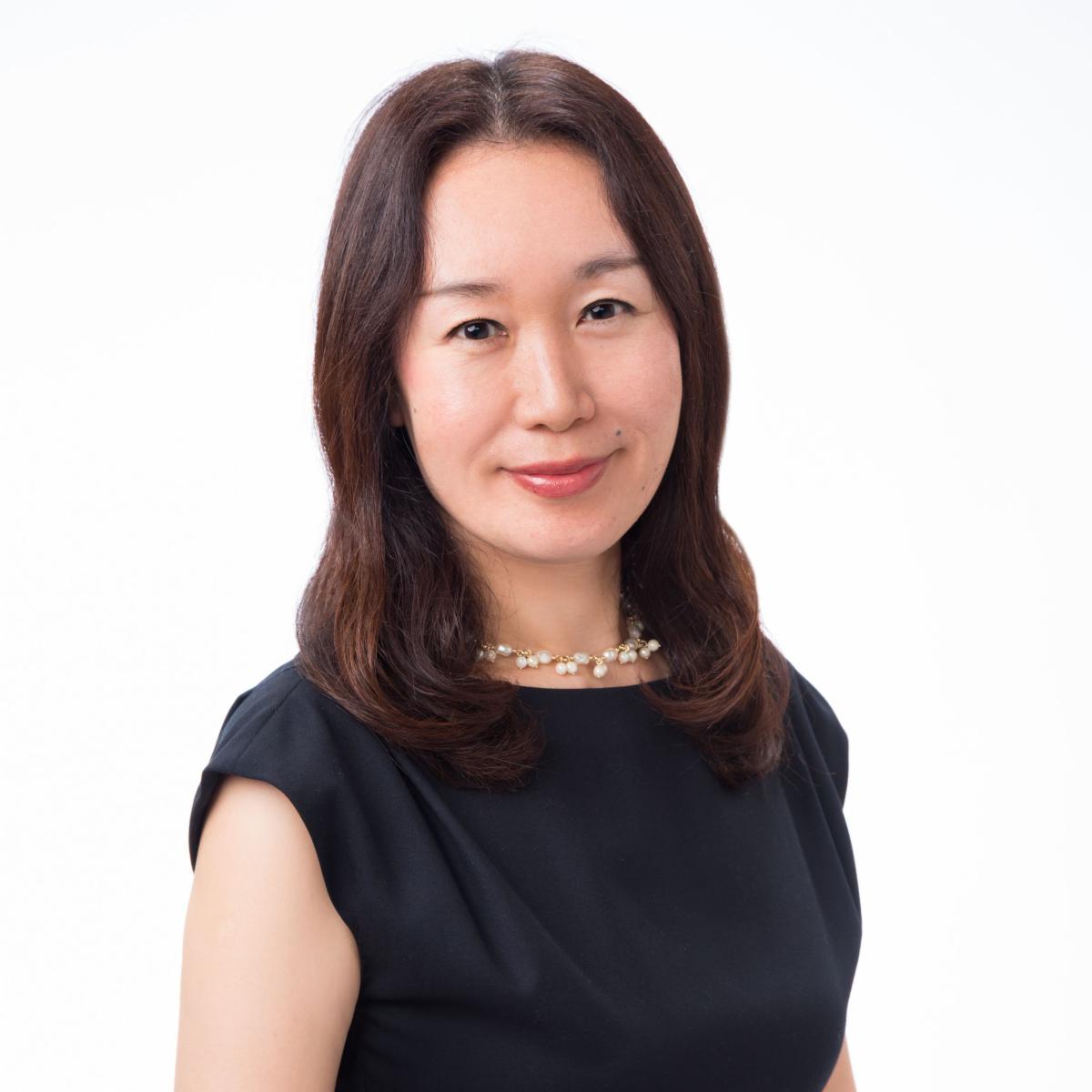
 The Institute for Japanese Studies will present a a lecture by Michiko Ueda, Waseda University, on Monday, October 25 from 5:30 p.m. to 7:00 p.m. online (registration required). Professor Ueda will present "Suicide and Mental Health During the COVID-19 Pandemic in Japan."


