Please see our website for more information. For Gmail users, to view entire message, click view entire message at the bottom of this email. | |
|
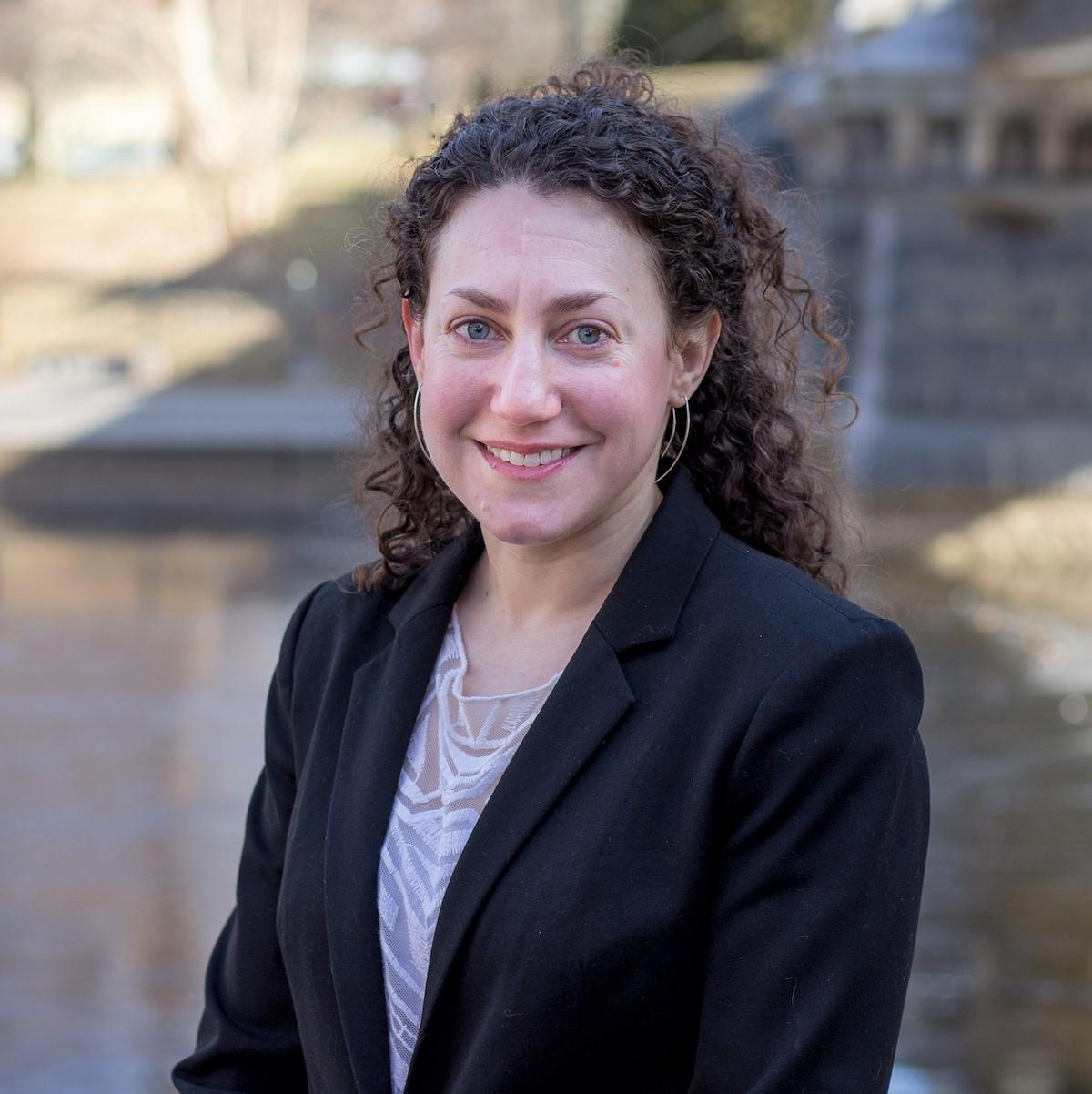
Staci Rubin, Department of
Public Utitities Commissioner
| |
|
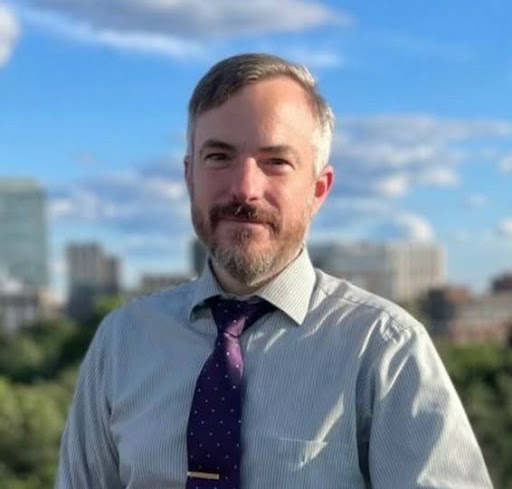
Paul Dryfoos, Director of
Elders for Sound Democracy
| |
|
MONTHLY CHAPTER MEETING
TUESDAY, MARCH 12
Noon - 2 PM In Person at
Arlington's Robbins Library
or On Zoom
Join at 11:45 if you want to socialize on Zoom.
Bring your lunch to the library where we will provide coffee and cookies.
Zoom link: https://us02web.zoom.us/j/735454252?pwd=QkZMcnA4YVVkcGRDM29PcEN4VnhIUT09
Meeting ID: 735 454 252
Passcode: 223189 (You may have to try more than once)
We will be joined at noon by Staci Rubin IN PERSON. Staci Rubin was appointed as a Commissioner to the Department of Public Utilities in April, marking her return to the agency. Prior to her appointment, Rubin was Vice President, Environmental Justice at the Conservation Law Foundation (CLF).
Commissioner Rubin will discuss priorities for the agency that align with state climate and environmental justice laws and the Clean Energy and Climate Plans for 2025/2030 and 2050. She will talk about what issues are pending before the DPU and how people can participate and influence those decisions. More importantly, she'll answer your questions. It's sure to be a lively discussion for which our chapter is known - come add your voice!
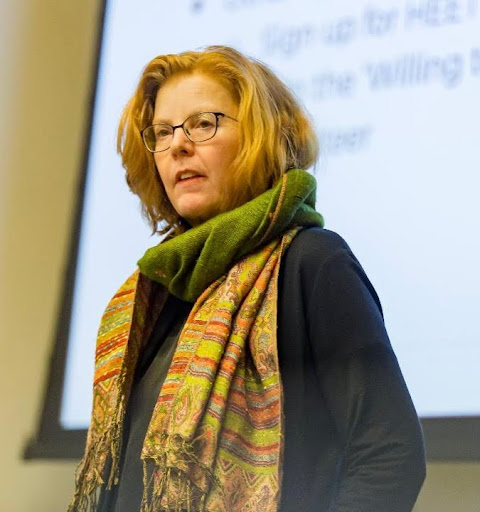
We will then hear from Betty Southwick about Th!rd Act and their activities.
Th!rd Act is the organization started by Bill McKibben for seniors who want to be active in the Climate Crisis, so this national organization is very compatible with Elders Climate Action. Across the US we are exploring ways our local chapters of both organizations can work together to multiply our effectiveness.
At 1 pm, Paul Dryfoos, the Director of Elders for Sound Democracy (ESD) will join us. ESD is also a part of Elders Action Network, the parent organization of Elders Climate Action. Paul will discuss ESD’s efforts to combat the drift of American politics and policy toward authoritarianism through proven strategies to empower voters, counter voter suppression and public corruption, and promote basic civic values.
Our CHOICES and our VOICES make a difference and WE can change what we do AND what happens.
We look forward to seeing you in person!
YES! We do record our meetings and they’re usually posted on our website within a few days here.
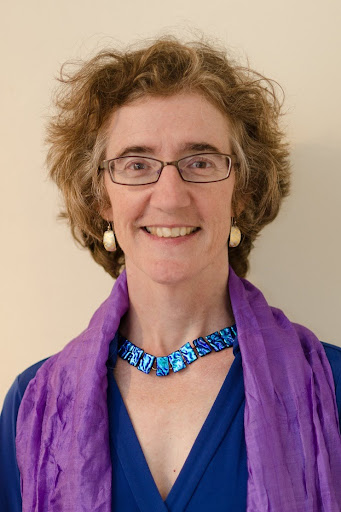
Maiyim Baron
| |
|
We need your help!
Urgent Action to Support
Natural Solutions Bills
| |
|
We have good news! Two of our forest protection bills have been extended until April 12th — H.4150 and H.904.
-
H.4150 An act relative to forest protection, sponsored by Rep. Carmine Gentile, would give all Department of Conservation and Recreation (DCR) state-owned lands and watersheds permanent protection as reserves, similar to National Park protection.
-
H. 904 An act relative to increased protection of wildlife management areas, sponsored by Danillo A. Sena, calls for 30% of Wildlife Management Areas to become permanent reserves, similar to the protection for our National Parks, by 2030.
We got us this far because of our collective efforts. This extension gives us more time to take actions to support these bills. There are two ways you can help over the next week:
-
If you have not submitted written comments to the Joint Committee on Environment and Natural Resources (ENR), you still can. We hope you will. They will accept one comment from anyone for each bill.
-
It would be great to have more co-sponsors. Please write to your legislator. The simple message is "Please co-sponsor H.904 and H.4150 if you have not done so already to protect our public forests for climate change and biodiversity." Their support is important.
You can submit your written comments by email to JointCommittee.Environment@malegislature.gov. Make sure to put the bill number(s) in the subject line.
Rick Lent
| |
Legislative Update:
Recalibrating, Recharging,
& Readying our Game
| |
|
Ways & Means Is Where It's At
With many climate-related bills sitting on the Ways and Means (W&M) Committee launching pad, we are turning our focus to those bills, while still advocating for some of our priority bills languishing under “extension” in their original committees. Coming out of the key Telecommunications, Utilities and Energy (TUE) Committee there are 21 bills headed to House W&M and 26 bills going to Senate W&M. We are also following some bills moving to W&M from Energy and Natural Resources and Labor and Workforce Development committees.
The House bills from TUE were grouped by Rep. Roy in five “mini-omnibus” bills, which may be further collected into a big omnibus. The Senate bills from TUE (further down in the same document) were individually given a favorable report to land them in Senate W&M, where Sen. Barrett is likely to craft a climate omnibus out of them in the weeks to come. Each House omnibus bill has an anchor bill that has been or likely will be redrafted to include some elements of the other “accompanied” bills. Two natural solutions bills are still alive in the Environment and Natural Resources Committee and need your help to get them moved into W&M.
Next Steps for the Legislative Team
The Legislative Team will continue to advocate for priority bills that have been extended and remain in their original committees to get them reported out favorably, while taking a close look at all the bills in or headed to House and Senate W&M. Our working groups will be examining all climate-related bills that end up in either W&M committee to accomplish two tasks:
- Identify language in omnibus bills that we support or want to see removed
- Identify language in bills related to an omnibus that we would like to see included or want to be sure is excluded
We will be focusing on the legislative priorities we developed at the beginning of the session, but also looking for new opportunities to join allies in addressing their priorities and for legislation we oppose that may be starting to move.
As part of its focus on the implementation of existing legislation and climate-related projects initiated by the administration, the Legislative Team is also monitoring and intervening in several initiatives:
- Development of a Clean Heat Standard
- The work of the Grid Modernization and Energy Siting and Permitting commissions
- Administration progress on decommissioning the gas system and diverting pipeline funds to other purposes
- Electrification timelines for the MBTA and state and municipal fleet vehicles
If you would like to learn more about what the Legislative Team is doing or offer some of your time and talents to our effort, contact: Roger Luckmann (roger.luckmann@umassmed.edu) or Tina Grosowsky (tgrosowsky@gmail.com).
Roger Luckmann
| | |
|
|
Cambridge City Councillor Patricia Nolan | |
|
Getting Off Gas: Solutions for a Just Transition
Date: Wednesday, March 20
Time: 6:00–7:30 pm
Where: First Parish in Cambridge, Unitarian Universalist
1446 Mass. Ave, Harvard Square, Cambridge, MA
A transition away from gas to heat our buildings is an important part of addressing climate change. But how do we accomplish that?
Come hear about local efforts and strategies, including key legislative initiatives and the exciting alternative of networked geothermal energy - and learn what you can do to support them.
Speakers are Audrey Schulman, co-founder and co-executive director of HEET, a nonprofit climate solutions incubator; Massachusetts State Representative Steven Owens, sponsor of the Future of Clean Heat bill; and Cambridge City Councillor Patricia Nolan.
| |
Child care will be available. Masking encouraged.
Attendance via Zoom will also be available for those who prefer to join us remotely.
Sponsored by Cambridge Mothers Out Front, 350 MA-Cambridge/Somerville,
and the First Parish in Cambridge, Unitarian Universalist, Environmental Justice Team.
Cosponsored by Cambridge City Growers; Creation Justice Group of Old Cambridge Baptist Church; Elders Climate Action - Mass.; and First Church in Cambridge, Congregational UCC.
Tina Grosowsky
| |
Getting Environmentalists to Vote | |
|
During this all-important election year, ECA is continuing its strong partnerships with the Environmental Voter Project (EVP) and Elders for Sound Democracy (ESD) to encourage millions of underrepresented voters to vote and have their votes counted. To promote this partnership, the ECA Mass February Deep Dialogue featured Shannon Seigal, the Organizing Director from the Environmental Voter Project. The video from Shannon’s presentation is here and the slides are here.
EVP, a national nonpartisan nonprofit based in Boston, identifies millions of non-voting environmentalists and turns them into consistent voters through their phone and text banking efforts. Learn more about EVP’s results here or watch the Introduction to the EVP video here.
With many primaries and run-off elections on the calendar, the time to start contacting voters is now! Join us and ensure that strong environmentalists are showing up at the polls for every election. To volunteer, you can sign up through:
Paul Dryfoos, the Director of ESD will be a featured guest at the next ECA Mass Chapter meeting on March 12.
| |
Did you know? Gray is the new GREEN | |
 | |
ECA Mass Gets Involved in Mass Save Makeover
Every year, the Mass Save program distributes about $800 million to support energy efficiency and electrification projects in residential, commercial, and industrial buildings. Although additional funding from the Inflation Reduction Act (IRA) will be welcome, at best we can expect only about $18 million per year for residential retrofits. To reach our ambitious 2030 emissions reduction target, we may need to at least double Mass Save spending. Currently, Mass Save is the primary source of funding for incentivizing building weatherization and electrification. We need to be sure its funds are effectively and equitably distributed.
Every three years, the utilities administering Mass Save are required to submit a new three-year plan to the Department of Public Utilities (DPU) for approval. The plan must address recommendations from the voting members of the Energy Efficiency Advisory Council (EEAC), a stakeholder oversight panel that sent their recommendations to Mass Save’s Program Administrators (in utility companies) in December 2023. The Program Administrators will submit their version of the plan at the end of March.
A New Mass Save Reform Coalition
A budding coalition that currently includes ECA Mass, Gas Transition Allies, and Boston Climate Action Now has been closely following the EEAC’s deliberations and proposals with the aim of advocating for changes that could make the Mass Save program on existing residential buildings more cost-effective in cutting carbon emissions, more efficient in communicating and serving customers, and more responsive to the needs of environmental justice (EJ) communities. Advocacy may be aimed at EEAC members, Mass Save administrators, DPU, and legislators. In the spring, we will solicit support from allied advocacy organizations and ask them to join the coalition. Since some recommendations may be more likely to be adopted if legislation mandates them, we will be tracking related bills during the remaining months of this session.
The coalition has prepared a set of its own recommendations that include many of the EEAC’s, but also several additional proposals (see: Full Text, Executive Summary, Summary Slides). The recommendations address six issues: the mission of Mass Save, targets for intensive outreach, financial barriers, customer service, quality improvement, and workforce development.
Here are a few highlights:
Expand the free home energy assessment (HEA) to address all elements of energy efficiency and electrification including all appliances, EV charging, solar, and demand response devices (e.g. smart meters).
Mass Save does not offer incentives for all of these, but we should have information about all of them when making decisions about electrifying our homes.
Target whole neighborhoods in EJ communities that include many older buildings and landlord-owned properties and which may be ideal for getting off natural gas.
To address equity issues and engage low and middle income residents, Mass Save needs to focus on renters and apartment building owners. Innovative forms of outreach based in local communities and attractive incentives will be needed for this work.
Revamp and upgrade all aspects of customer service to make getting information, services, and rebates easily accessible to all.
This should include improved design of websites and workflows, retraining of staff, access to interpretation in multiple languages and more.
The coalition testified at a hearing on Mass Save, will be meeting with two Mass Save program administrators, connecting with allies, and responding to the utilities’ draft plan when it comes out at the end of March. Stay tuned for more information and Action Alerts aimed at advocating for our recommendations.
Roger Luckmann
| |
Air Pollution & Our Brains | |
|
The air we breathe has a direct impact on our brain. Mounting evidence links air pollution exposure to increased risk for cognitive decline and neurodegenerative conditions, including Alzheimer’s and Parkinson’s. Poor air quality - both indoors and outdoors - also profoundly impacts our mental health, increasing risk for anxiety and depression. With the World Health Organization estimating that 99% of the global population is exposed to unhealthy levels of air pollutants, what can be done to improve air quality and brain health?
On February 27, the Harvard T.H. Chan School of Public Health hosted a forum on this topic. Speakers included:
- Joseph Allen, Associate Professor of Exposure Assessment Science and Director, Harvard Healthy Buildings Program, Harvard T.H. Chan School of Public Health
- Maite Arce, President and CEO, Hispanic Access Foundation
- Francesca Dominici, Clarence James Gamble Professor of Biostatistics, Population, and Data Science, Harvard T.H. Chan School of Public Health
- Marc Weisskopf, Cecil K. and Philip Drinker Professor of Environmental Epidemiology and Physiology, Harvard T.H. Chan School of Public Health.
Sabrina Shankman, reporter at The Boston Globe moderated.
You can watch the recording here.
| |
|
The best remedy for Climate Despair? Get Active.
Elders Climate Action Mass is an action-oriented organization. We have evolved a collaborative leadership model, with teams to advance key priorities. Here’s an overview of ways our members approach this work. Please think about where you might fit in, where your skills might have high impact, or where you see an opportunity for personal growth and learning.
The Leadership Team is the chapter’s central coordinating and decision-making group. Contact: Tina Grosowsky
The Action Planning Team organizes lobbying, protests, and other actions to keep up the pressure for change. Contact: Seth Evans
The Legislative Team reviews Massachusetts legislation, recommends bills to support, tracks key bills, presents testimony, meets with legislators, and takes other advocacy actions. It has created several subgroups focusing on specific climate problems and their solutions. Contact: Roger Luckmann
The Research Team builds on existing climate change research both to make this research understandable to members (through Deep Dialogues and Expert Series), and to help focus ECA’s advocacy and policies. Contact: Arnie Epstein
The Presentation and Education Team helps plan educational presentations to members, (e.g., Deep Dialogues) and to the community. Contact: Seth Evans
The Communications Team coordinates our outreach media on our website, monthly newsletter, Facebook page, and other social media platforms. Contact: Rick Lent
The Membership Team maintains the ECA Mass member database, and welcomes and corresponds with members to build community and increase membership. Contact: Maiyim Baron
Please contact us TODAY! Any of us would be happy to speak with you about our work. For more information, visit our teams page.
| |
|
ECA Teams Up With
Rotary Club in Brookline
| |
|
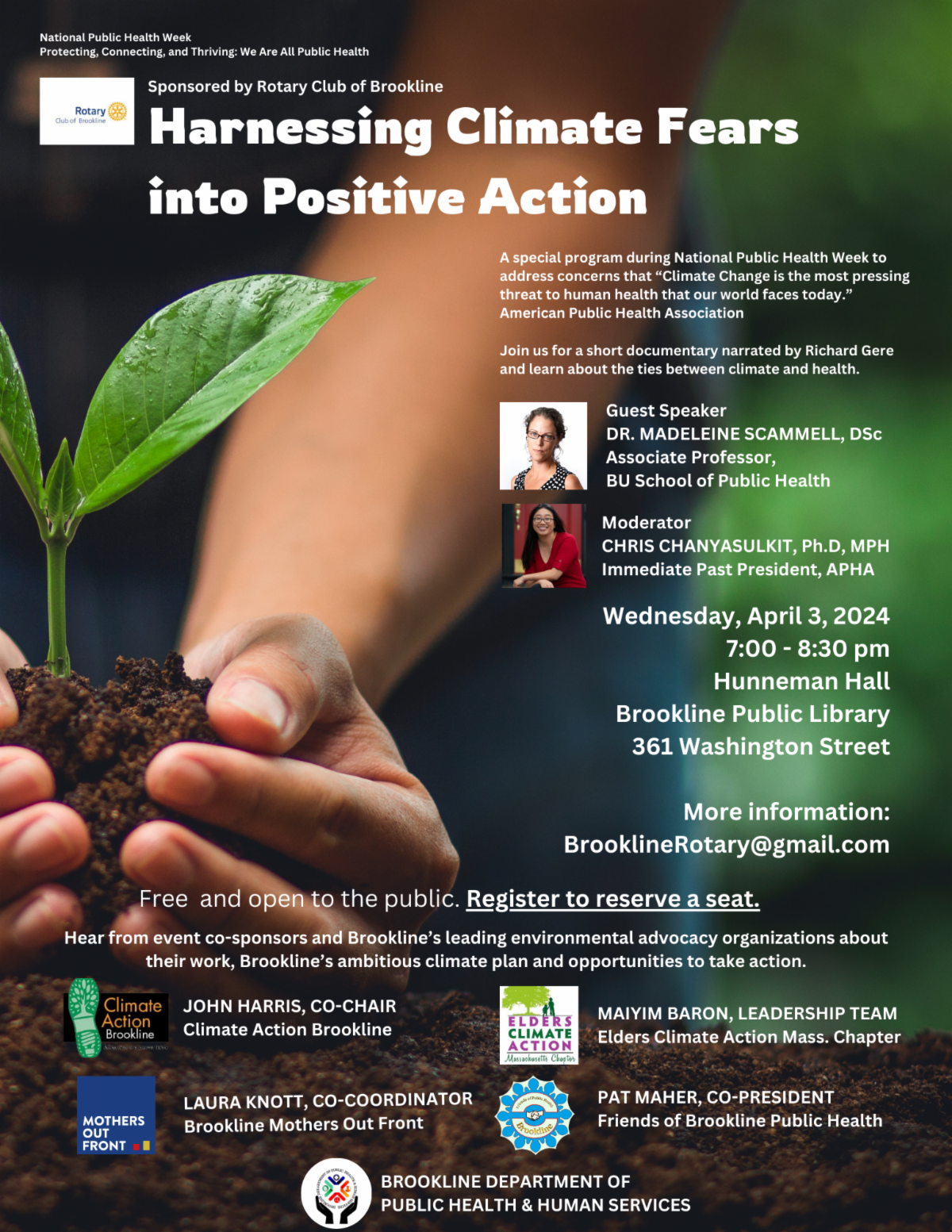
On April 3 at 7 pm, Brookline ECA members are teaming up with their local Rotary Club for a public event on climate change. This is part of a larger Rotary initiative. If you are a Rotarian or connected with your local Rotary Club, consider asking them if they're doing a similar event and if they want help from local ECA members. This is a great opportunity to join forces with a terrific organization that has a powerful influence all around the world.
Register here.
Maiyim Baron
| |
Did you miss a past meeting? | |
Did you miss an ECA Mass chapter meeting or deep dialogue? Or do you want to share one with friends and family?
We have you covered! Videos of past chapter meetings are here and videos of past deep dialogues are here.
| |
WHAT ARE YOU READING?
Would you like to review a book for our newsletter?
| | |
|
|
Join over 1300 ECA Mass members who have been following us on Facebook. Our Facebook page features listings of upcoming events (in-person and Zoom), news about climate change solutions, carbon saving ideas, and links to other organizations’ events, and more.
Visit the ECA Mass Facebook page and click the like button!
Phillip Sego
| |
|
This Newsletter is Published for Members and Friends of
Elders Climate Action - Massachusetts Chapter
ECA Massachusetts is a chapter of the national Elders Climate Action. We are a movement of elders committed to making our voices heard to change our nation's policies while there is still time to avoid catastrophic changes in the Earth's climate. Visit the ECA Massachusetts website, event calendar, and Facebook page to learn more about our chapter's activities and climate news. JOIN ECA MASSACHUSETTS AND STAY CONNECTED! Subscribe to our monthly newsletter, and for more active participation, sign up to receive Action Alerts and meeting announcements. Fill out our subscription form.
| | | | |