November 2023

Landscape Architecture

Landscape Architecture: Unraveling the Mystery

What exactly is Landscape Architecture? A question that plagues many, including landscape architects. Landscape architecture is more than “just plants”. It plays a pivotal role in shaping built and natural environments. As a multidisciplinary field, landscape architecture provides a collection of services including, but not limited to, site analysis and master planning as well as detailed design through construction documentation. Landscape architects create dynamic spaces through their design of parks, trails, campuses, streetscapes, municipal spaces, private spaces, and much more. They collaborate with a host of professionals including architects, engineers, ecologists, and artists resulting in transformative designs.


Landscape architects are well-educated, highly skilled professionals. This was recognized by the U.S Department of Homeland Security who recently designated landscape architecture as a STEM (Science, Technology, Engineering and Math) discipline, supporting the vital role landscape architects play in the design process. The requirements for licensure include an accredited bachelor’s or master’s degree in landscape architecture along with practical experience. Candidates are required to take and pass a four-part Landscape Architecture Registration Examination ensuring that each licensed landscape architect is prepared to protect the health, safety, and welfare of the public in their practice.

When engaging the services of a landscape architect you hire someone who enters a project with a critical eye to examine the interface of nature and man. Their holistic design approach considers all aspects of the site including topography, hydrology, ecologies, vegetation, architecture, and social and cultural contextual significance. This process creates a meaningful and sustainable sense of place that can improve not only environmental health but also human health and act as an economic driver for a region or community.


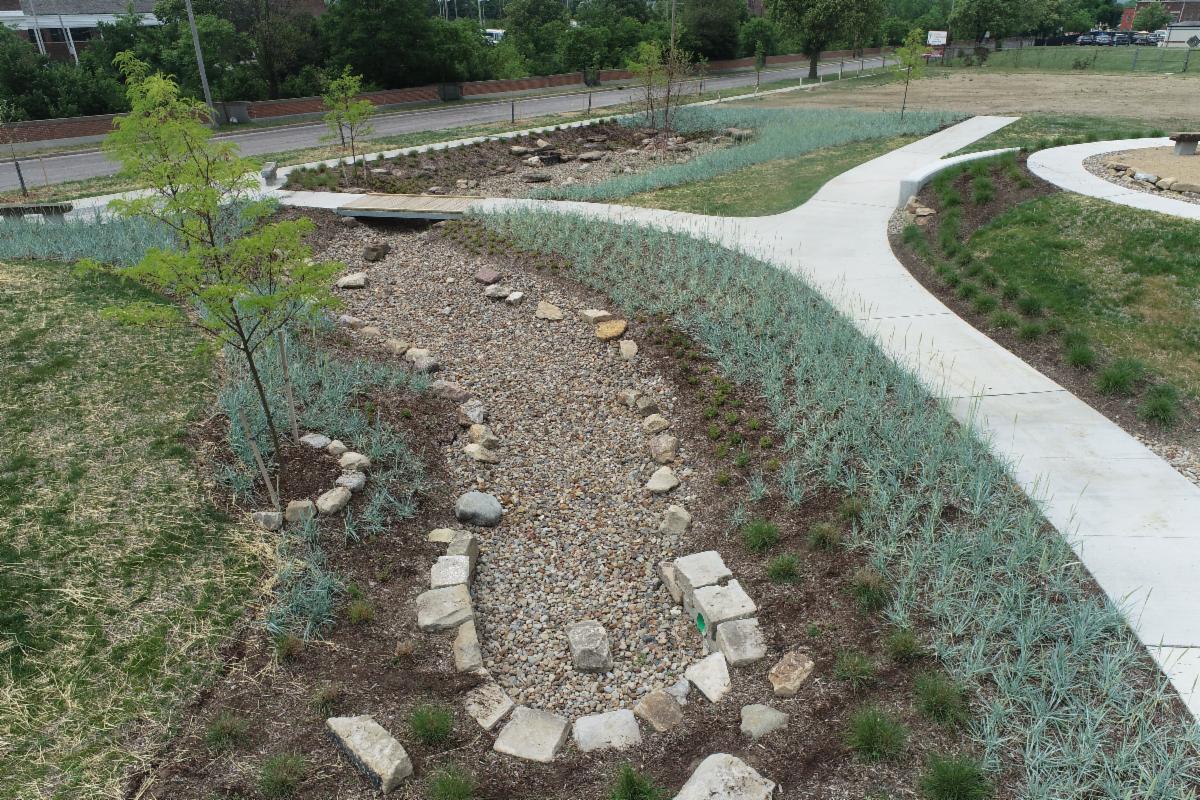
A key component of a landscape architect’s job is understanding site environmental factors including soil conditions, sun and wind exposure and the importance of biodiversity. Green infrastructure such as bioswales and green roofs are some of the tools used to combat climate change and improve water quality. An experienced landscape architect can assess environmental impacts while providing sustainable and regenerative designs.

Of course, landscape architects also design planting plans for which they are well-known, but they are forward-thinking and considerate of how living plant material evolves over time. Whether it’s the seasonality of perennials or the century of oaks, proper planning of plant material and management strategies is vital to the success and longevity of any project.


So yes, landscape architects design planting plans, but that is just a small portion of the value they bring to any site development project.

To learn more about how your next project will benefit from a landscape architect, visit https://www.envdesigngroup.com.

EDG Creative

Digital Foundations: The Crucial Role of Project

Websites for Today's Initiatives

In today’s fast-paced, scheduled-packed world, information is crucial to engaging your community and sharing your message. To that end, creating project-specific websites for residents and businesses can be a powerful communication tool to promote your initiatives. However, developing the right site with relevant information can be a tricky process but when done well, will provide key advantages and benefits.


Centralized Information Hub:

A dedicated website serves as a centralized hub for all project-related information. Residents and businesses can easily find the latest updates, documents, and announcements in one place.


Timely Updates:

Websites can be updated in real-time, ensuring that stakeholders receive the most current information. This is particularly important for dynamic projects with evolving details.


Communication Platform:

Websites provide a platform for two-way communication. Residents and businesses can ask questions, provide feedback, or express concerns through contact forms or discussion forums, fostering a sense of community involvement.


Transparency:

A project website promotes transparency by sharing project goals, timelines, and progress reports.


Engagement and Education:

Websites allow for the inclusion of multimedia elements such as videos, infographics, and interactive content, making it easier to educate and engage stakeholders. This can be particularly useful for conveying complex information in a more digestible format.


Customized Content for Different Audiences:

Tailoring content for residents and businesses ensures that each group receives information relevant to their needs and concerns.


Accessibility:

Project websites are accessible 24/7, providing stakeholders with the flexibility to access information at their convenience. This is especially valuable for those who may not be able to attend physical meetings or events.


Brand Image:

A well-designed website conveys a brand image which can contribute to a positive perception of the project.


Event Promotion:

A website can serve as a platform for promoting and coordinating community events, workshops and meetings related to the project.


Analytics and Feedback Analysis:

Website analytics can provide valuable insights into user behavior. This data can be used to understand what information is most accessed, identify areas of interest, and refine communication strategies.


Emergency Communication:

In the case of emergencies or sudden changes in the project, a website can be used to quickly communicate important information to residents and businesses.

Project Spotlight: Hudson Area K

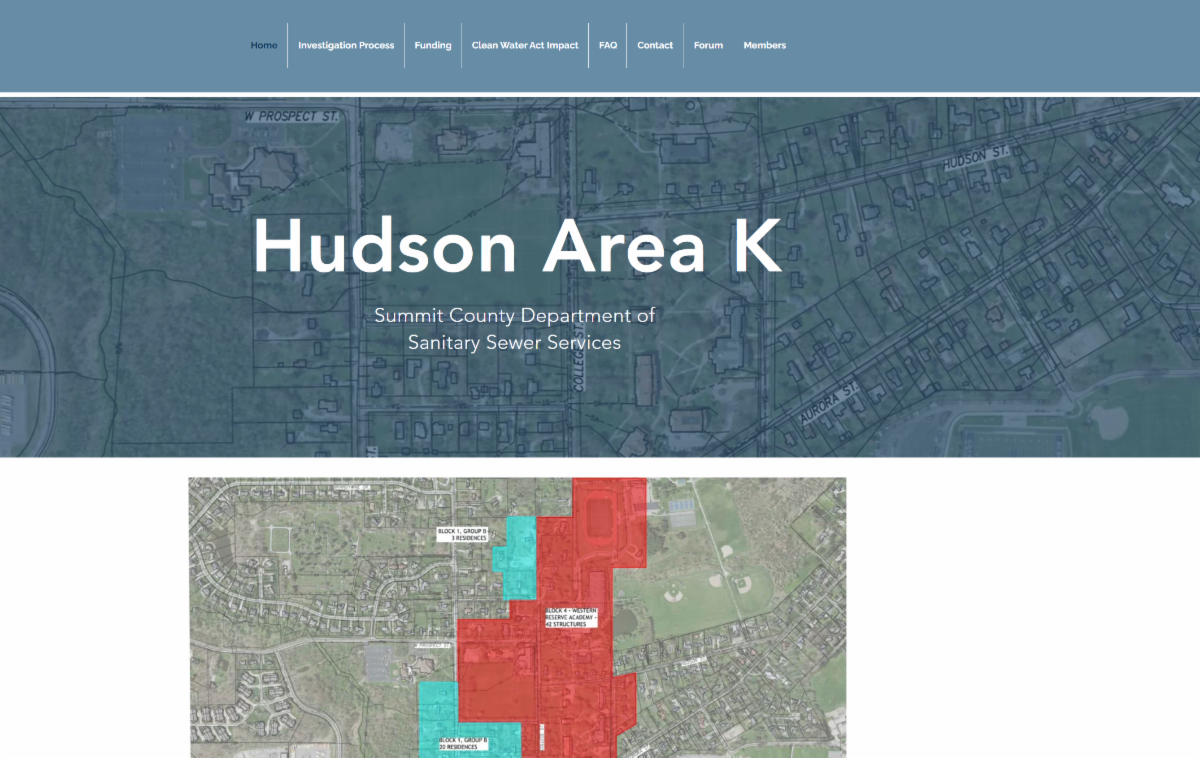
One example of an effective project website is for Hudson Area K in Hudson, Ohio. EDG Creative was engaged to create a communication platform to inform area residents about a detailed study of the sources of stormwater entering the sanitary sewer collection system. Information was initially conveyed to residents through a public meeting attended by approximately 15 people. With the launch of the Hudson Area K website, information pertaining to the study and the events surrounding it has been viewed more than 1400 times addressing a wider audience and allowing for real time updates. To learn more about this project visit: https://www.hudsonareak.com/


In summary, project-specific websites offer a versatile and effective means of communication, fostering engagement, transparency, and community involvement. When well-executed, they contribute to the overall success of the project by keeping stakeholders informed and connected.

To learn more about how EDG Creative can assist with your next project website, click here: https://www.envdesigngroup.com/services/edg-creative/

EDG News & Upcoming Events:

· Environmental Design Group will be celebrating its 40th anniversary in 2024. Click the link to hear what some of our employees have to say about their experience with the company: https://youtu.be/WrttG0IvWK4

· Stefanie Smith and Dave McCallops are attending the 3rd Annual Campground Owners Expo November 29-30 in Branson, Missouri https://www.campgroundownersexpo.com/

· Members of the EDG team will be on hand at the 2024 OPRA Conference & Trade Show being held at Kalahari Convention Center in Sandusky, Ohio February 4-7. Plan to stop by our booth to say “hello”. Conference info: https://opraonline.org/2023/02/08/2024-opra-conference-trade-show/

· In observation of the holiday season, our offices will be closed on December 22nd and 25th as well as January 1st. We thank you for your continued support of EDG and look forward to working together in 2024.

To learn more about Environmental Design Group,
visit our services page at www.envdesigngroup.com
Visit our website
Facebook  X  Linkedin  Instagram