EDI Newsletter - September 2025 | | |
Welcome to the 15th Edition of the Ontario CLRI’s Equity, Diversity and Inclusion (EDI) newsletter! These quarterly newsletters feature updates, news, and educational resources to support your EDI journey. If you missed any of our previous editions, you can check them out here. | |
Join us online!
Follow and tag us using #EDIinLTC
| |
September Spotlight: Days of Significance | |
September is a month of important observances! While it's recognized as World Alzheimer's Month, it also marks Residence Council Week, LTC Community Engagement Day, Franco-Ontarian Day, Rosh Hashana, Blood Cancer Awareness Month, Hunger Action Month, and Recovery Month, among others. To see more important dates, check out our Diversity and Inclusion Calendar.
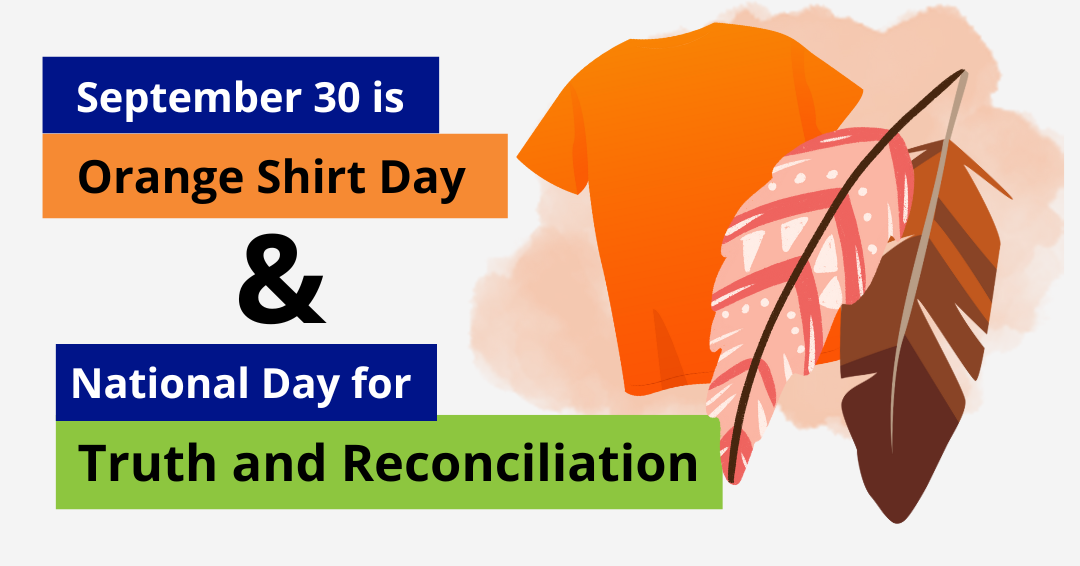
Honouring National Day for Truth and Reconciliation and Orange Shirt Day (September 30th, 2025)
| |
The month of September concludes with the National Day for Truth and Reconciliation on September 30th. This is a vital day to honour the survivors of residential schools, remember the children who never returned home, and the ongoing impacts of intergenerational trauma. We encourage you to participate in this day of reflection and learning.
Here are some ways you can mark this day:
- Wear an orange shirt to show your support and solidarity.
- Plan a commemorative event within your long-term care home.
- Explore educational resources to learn more about the history and legacy of residential schools.
-
Have a conversation as a team about how you will implement the Calls to Action from the Truth and Reconciliation Commission (page 2, “Health” section) that are relevant to your community and/or organization.
-
View the live stream of the "Remembering the Children" ceremony hosted on Parliament Hill, which begins at 3 pm on September 30th.
-
Join the National Centre for Truth and Reconciliation (NCTR) for their daily lunch and learns, which they host in the days leading up to Orange Shirt Day.
| | | | Resources to Learn More about Indigenous History and Culture: | | |
This month, as we recognize the National Day for Truth and Reconciliation, we want to highlight the importance of understanding the rich cultures, histories, and perspectives of Indigenous Peoples in Canada.
Gaining a deeper awareness isn't just about acknowledging injustices; it's about building a foundation for respectful and meaningful relationships today and in the future. By engaging with these resources, from guidance on crafting authentic Land Acknowledgements to training programs that promote Indigenous cultural safety, we can all take an active role in the journey toward Truth and Reconciliation. We invite you to explore the materials below.
Indigenous Land Acknowledgement Guiding Framework
Offered by: Behavioural Supports Ontario
This resource provides guidance on creating meaningful and respectful Land Acknowledgements. It provides practical guidance, examples, and considerations to move beyond scripted, fostering deeper reflection and authentic connections to reconciliation efforts.
The History of Residential Schools
Offered by: The National Centre for Truth and Reconciliation
This resource shares the history and lasting impacts of residential schools in Canada, honouring Survivors and supporting reflection for truth and reconciliation.
Books:
Podcast:
Strengthening a Palliative Approach in Long-term Care: Health Equity in palliative care for Indigenous peoples: a conversation with project leader and researcher Holly Prince (22 minutes)
Trainings:
Anti-Racism Indigenous Cultural Safety Training Program - Cost: $325 per person
Offered by: San’Yas. Duration: ~ 8-10 hours
This cultural safety training program is self-paced and has been designed to help participants strengthen their knowledge, awareness, and skills for working with and providing services to Indigenous Peoples and communities. It covers cultural safety in the context of Indigenous Peoples in Canada and emphasizes uprooting racism and anti-Indigenous oppression.
Indigenous Canada - Cost: Free
Offered through: Coursera, By: University of Alberta. Duration: ~ 21 hours
This course offers a glimpse into Canada’s history through the lens of the Indigenous Peoples in Canada, facilitating an understanding of both the historical and contemporary mistreatment of Indigenous Peoples. Offered by the University of Alberta's Department of Indigenous Studies and instructed by Indigenous professors, this course is free of charge, although there is a fee for obtaining the official course certificate.
Indigenous Healthcare Education and Practice: Applying Digital Teaching and Learning Resources to the TRC’s Calls to Action - Cost: Free
Offered by: Queens University Duration: ~10-12 hours
This training has seven learning modules that deepen understanding of Indigenous histories, experiences, and knowledge systems in healthcare. The modules aim to advance culturally safe, equitable, and inclusive healthcare education and practice.
Videos:
Upcoming Learning Opportunities from the National Centre for Truth and Reconciliation:
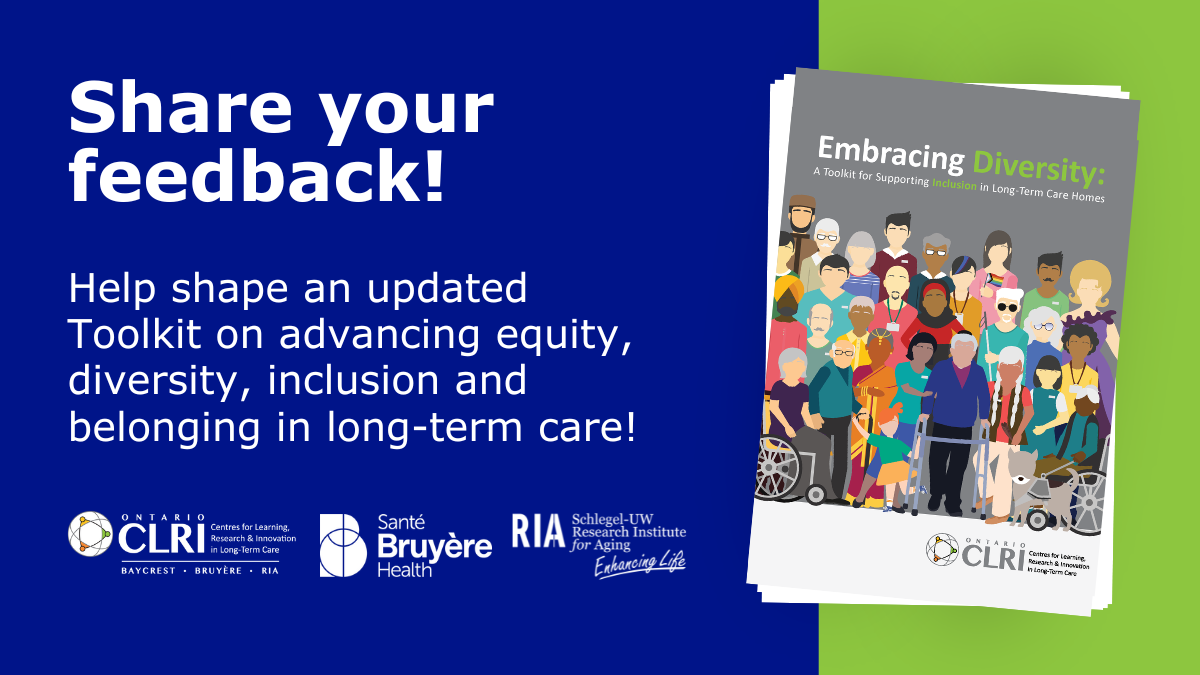
| | Two Ways to Engage: Help Shape the Next Version of the Embracing Diversity Toolkit! | | |
Join a Focus Group: Help us revamp the Embracing Diversity Toolkit by joining one of our upcoming focus groups. This is a chance to provide in-depth feedback and share your unique insights, ensuring the new toolkit truly meets the needs of everyone in our community. Your participation is vital in shaping this important resource. We want to hear your voice directly! Register here.
Complete the survey: This is your final opportunity to share your thoughts on the Embracing Diversity Toolkit through a 15-minute survey before it closes on September 30.
| |
September is #WorldAlzheimersMonth. Did you know Alzheimer’s disease is the most common form of dementia?
This month, we’re encouraging long-term care teams to pause, reflect, and take action to better support diverse residents and caregivers. That includes naming the gaps, sitting with hard stories, and building care practices that truly honour who people are.
The resources below recognize that dementia can present differently across and within diverse communities who may face unique barriers, reminding us that inclusivity means recognizing varied experiences and adapting dementia care to be culturally responsive and equitable.
Resources to Learn More about Dementia:
Guidebooks:
Podcast:
- Defy Dementia Episode 25: Living with Pride in the Face of Dementia Podcast
-
This powerful episode of Defy Dementia highlights the lived experiences of 2SLGBTQI+ individuals navigating dementia while embracing their identity with pride. It explores the importance of inclusive care practices, community support, and the resilience of those living with dementia in long-term care. A great listen for anyone working in or passionate about equity-focused dementia care.
Toolkits:
|
| Additional EDI Resources to Explore: | |
-
Healthcare Excellence Canada: Changing the Narrative on Aging (Webinar Recording, July 30, 2025, 53:59)
- This webinar features a powerful discussion from Healthcare Excellence Canada on how we can challenge the outdated perspectives on aging. The speakers take a deep dive into the importance of reshaping the way we think about and care for older adults in our healthcare system. They emphasize the need for person-centered care, equity, and inclusivity, offering practical strategies and real-world examples of how we can shift the narrative. It's a great resource for healthcare professionals, advocates, and anyone passionate about making a meaningful difference in the lives of older Canadians.
-
Ontario Association of Residents’ Councils: Welcoming with Pride: The Rekai Centre’s Journey to 2SLGBTQI+ Inclusive Long-Term Care (Webinar Recording, July 16, 2025, 1:09:50)
- In this inspiring webinar, the Rekai Centre shares their journey toward creating a 2SLGBTQI+ inclusive environment in long-term care. The session highlights the challenges, strategies, and successes they’ve encountered as they work to make their care practices more inclusive and affirming for 2SLGBTQI+ residents. Through this discussion, they offer valuable insights and lessons on the importance of fostering a culture of acceptance, respect, and equality in long-term care settings. This is an essential resource for anyone interested in enhancing inclusivity in healthcare, especially within long-term care.
-
Pallium Canada: Culturally Sensitive Palliative Care for the Chinese Community (Webinar Recording, March 25, 2025, 59:03)
- This session explores the principles of providing culturally sensitive palliative care tailored to the unique beliefs, values, and traditions of the Chinese community. Participants will gain insights into cultural nuances around illness, caregiving, and end-of-life discussions, as well as practical strategies for building trust and delivering compassionate, culturally appropriate care. Designed for healthcare professionals, this session fosters understanding and equips participants to meet the diverse needs of Chinese patients and their families.
| | Upcoming Learning Opportunities | |
-
September 23, 2025: UBC Learning Circle: Indigenous Planetary Health and Health Systems Webinar - 1-2:30 PM EST Cost: Free
-
October 2, 2025: CCDI: Promoting inclusive language in Canadian workplaces Webinar - 1-2 PM EST Cost: $49 (general public), Free for CCDI members
-
October 26-28, 2025: Ontario Long Term Care Association (OLTCA): This is Long Term Care Conference - Toronto (In-Person) Cost: $199-1199
-
November 3-4, 2025: Canadian Centre for Caregiving Excellence: Canadian Caregiving Summit - Ottawa, ON (Hybrid) Cost: $100-550
-
November 20, 2025: CCDI: Techquity in the digital age: Exploring the intersection of diversity, equity, inclusion, accessibility, and AI driven innovation Webinar - 1-2:30 PM EST Cost: $49 (general public), Free for CCDI members
| | The Ontario CLRI is funded by the Government of Ontario and hosted at Baycrest Academy for Research and Education, Bruyère Health Research Institute, and the Schlegel-UW Research Institute for Aging. The collective expertise, resources, and partnerships of the host organizations help advance the Program’s provincially mandated goals. | | Received this email as a forward? Subscribe to the Ontario CLRI EDI newsletter to receive your own quarterly edition! | | | | |