Every month we'll send out a newsletter containing major campaign highlights and updates. We continue to be honored and inspired by all of our supporters - we could not do this important work without you. Thank you!

Protecting Cook Inlet Starts With Healthy Waters

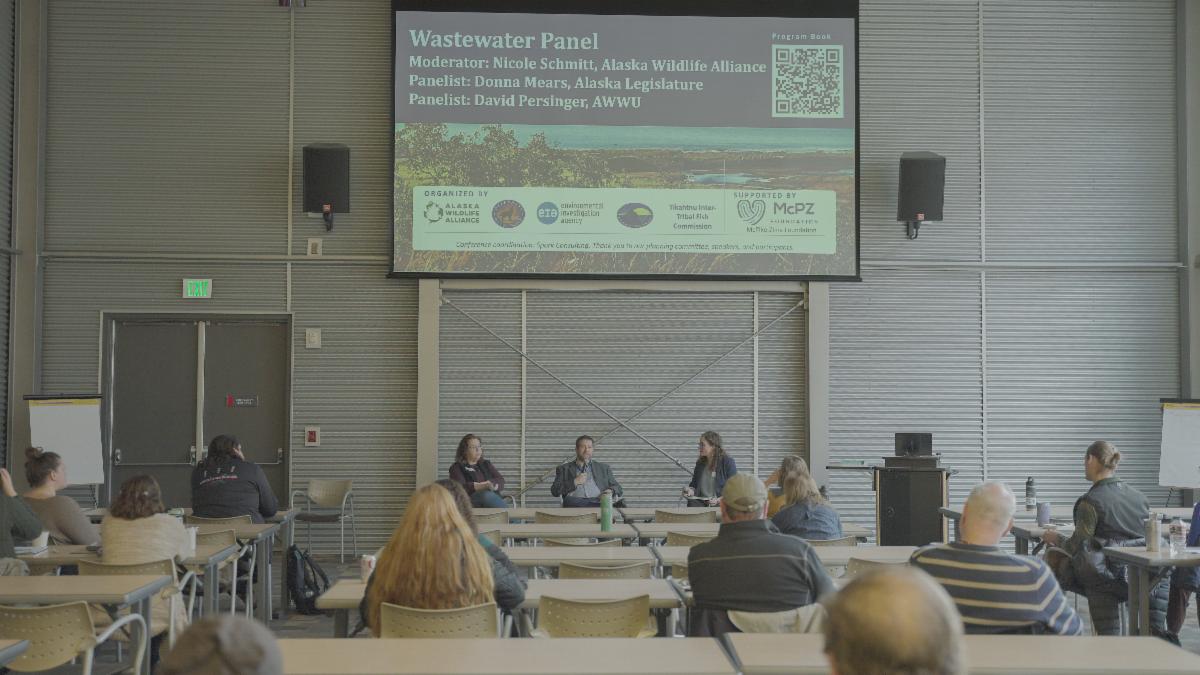
EIA was in Anchorage, Alaska, in October to help organize the second Cook Inlet Water Quality Summit, where researchers, Indigenous communities, conservation groups, government agencies, and other stakeholders came together to better uderstand the health of the Cook Inlet watershed.

Standard_Size_Images_p15.png

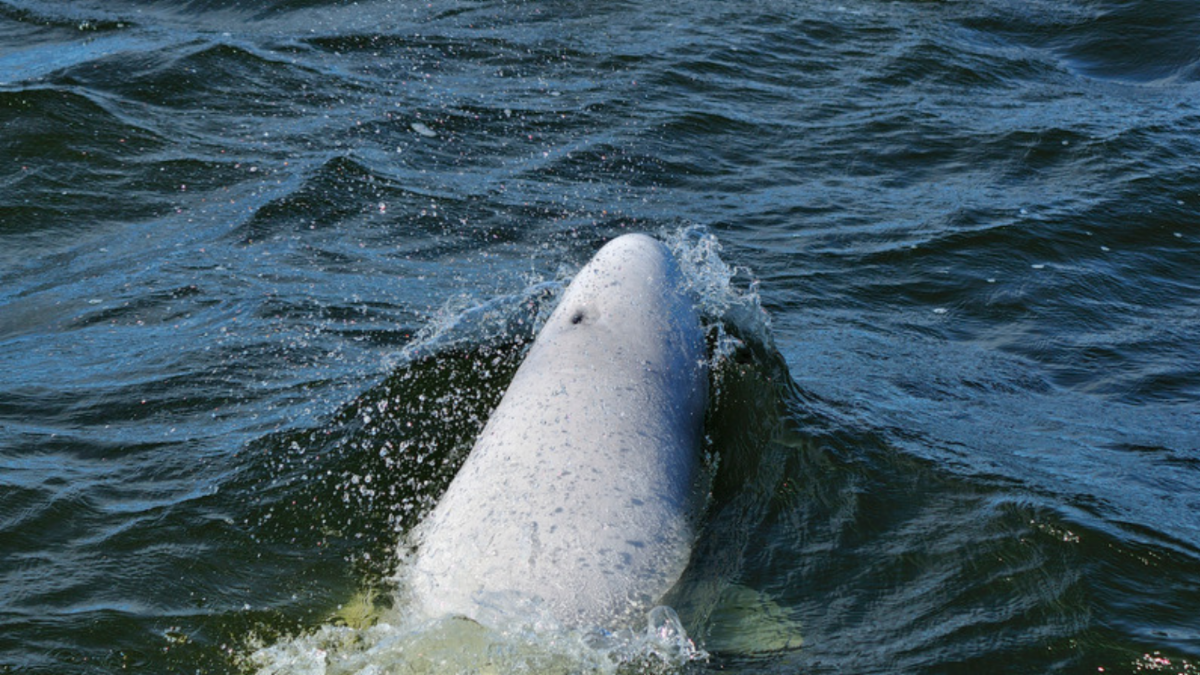
First organized in 2023, the summit grew out of a shared concern for endangered Cook Inlet beluga whales and a recognition that protecting them requires a broader understanding of the waters that they live in and depend on for food, shelter, and reproduction. These conversations are especially timely. Three beluga whales were reported dead in Cook Inlet within days of one another in late September, and while the cause of their deaths remains undetermined, these deaths underscore the importance of necropsies (animal autopsies) and research so that beluga whale health can be better assessed. Meanwhile, a proposal to develop an underwater AI data center in Cook Inlet has raised new questions about the potential impacts of industrial development to this marine habitat. 


This year’s summit aimed to turn research and information-sharing into action, identifying opportunities to strengthen water quality monitoring and improve regulatory protections. For EIA, this work is an important part of the broader effort to protect the habitat that endangered belugas and their prey need to survive.


Brazil’s future depends on protecting its people and forests

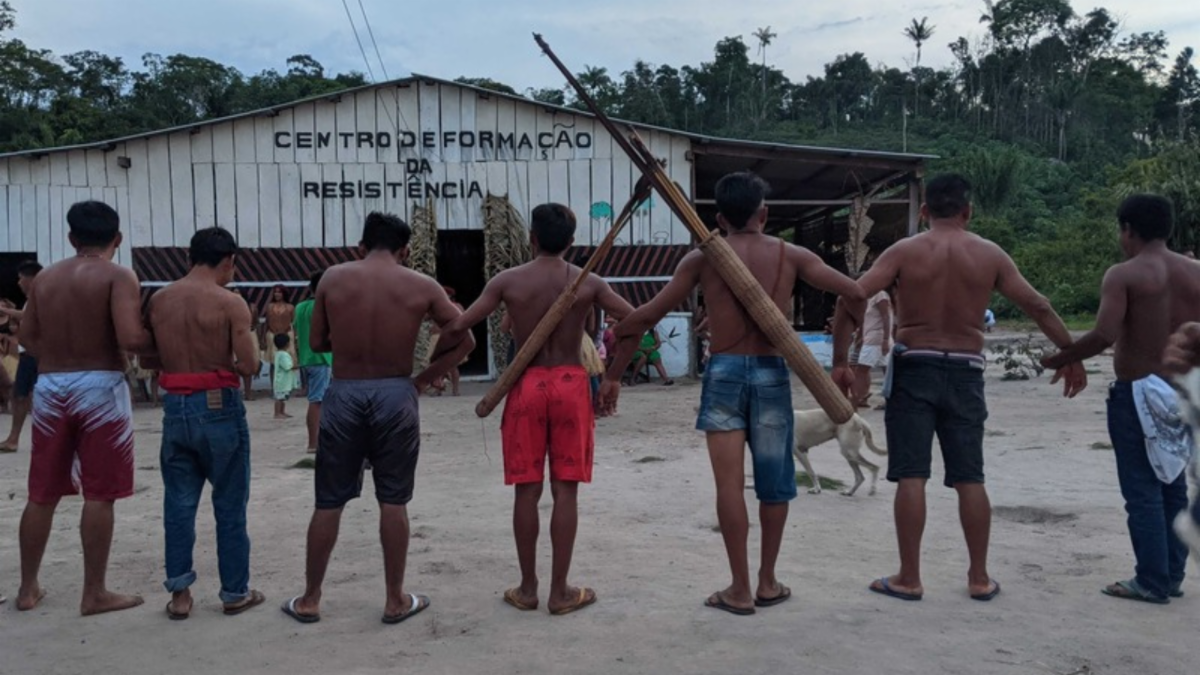
At this important moment for Brazil, where recent elections have created important new opportunities but also new challenges, protecting the Amazon and upholding the rights of Indigenous peoples and local communities remain critical priorities. While there have been meaningful strides in environmental enforcement in recent years, much work remains.

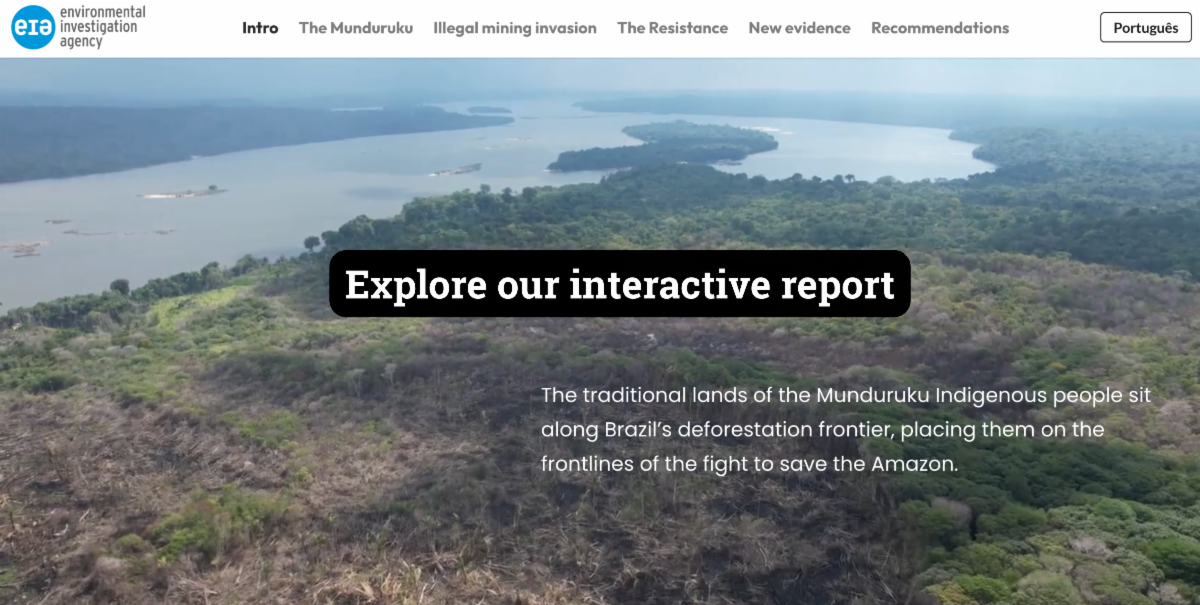
EIA’s investigations have documented ongoing threats to Munduruku territory. Our 2026 report, Bootleggers, Brokers and Buyers, exposes and shows how illegal timber from the region is laundered into international supply chains. The Poisoning of Munduruku Land shows how Munduruku organizations, with support from EIA, used geospatial monitoring technologies to document and report on illegal gold mining in their territories, which is contaminating their water and food supplies with toxic mercury.

As Brazil looks to the future, sustained government action and accountability are essential. EIA will continue to stand alongside Indigenous communities defending their territories as they continue to advocate for their rights, lands, and livelihoods.

Standard_Size_Images_p40.png

Bringing Wildlife Trafficking Conversations to the Classroom


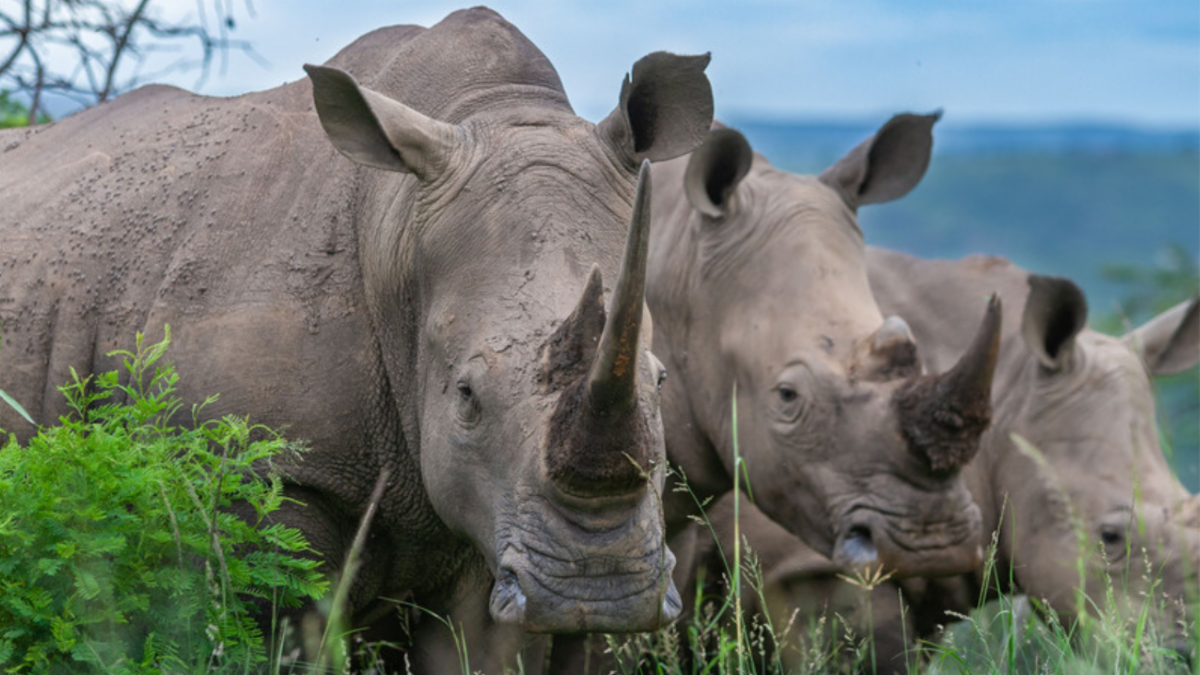
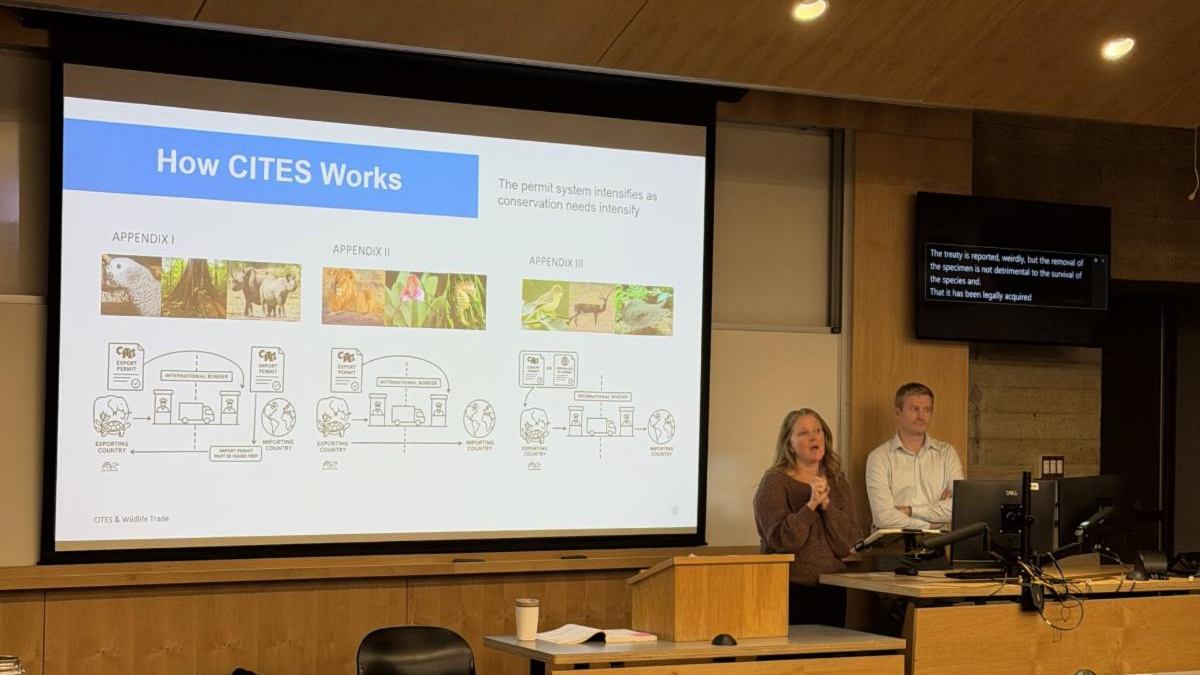
How can international law help protect rhinos from poaching and illegal trade? EIA's Senior Manager of Wildlife Campaigns, Taylor Tench, joined the Director of Lewis & Clark Law School’s Global Law Alliance for Animals and the Environment, Professor Erica Lyman, in Portland, Oregon, for a conversation with Students for International Environmental Law about rhino conservation, CITES, and the challenges of regulating wildlife trade.


The discussion included a deep dive into an ongoing South African court case EIA reported on in Sidestepping the Ban earlier this year, which involves an attempt to use a reckless and controversial interpretation of CITES exemptions to export rhino horn for commercial purposes despite the longstanding prohibition on international rhino horn trade. Engaging the next generation of environmental advocates is an important part of building a future where wildlife is protected.


Standard_Size_Images_p13.png

Join the conversation.

Instagram  LinkedIn  YouTube  Facebook  X  Bluesky