Environmental Interpretive Center February 10, 2026 | | |
In this issue:
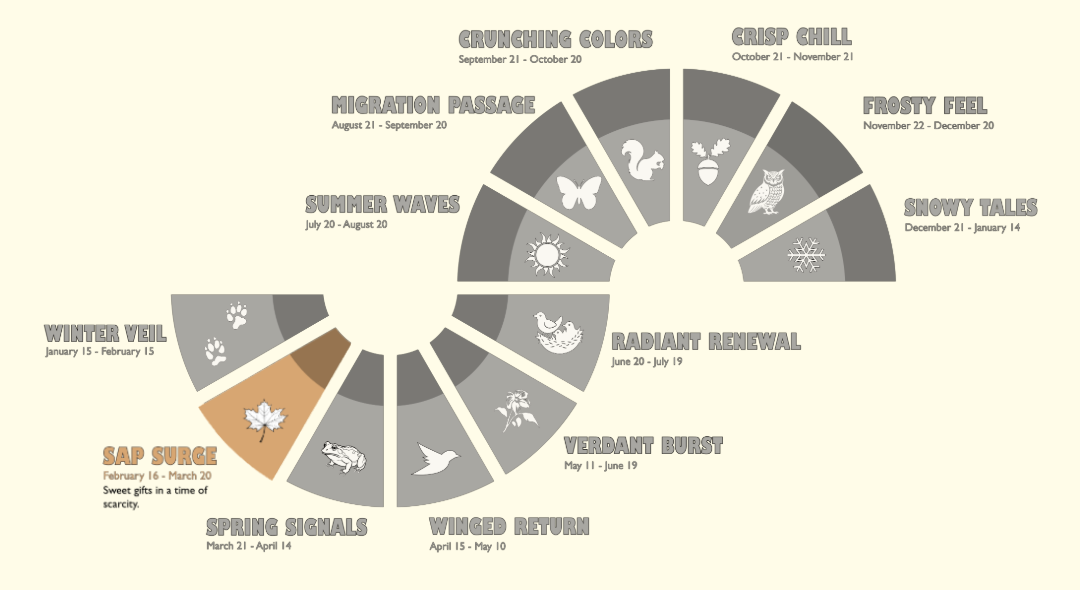
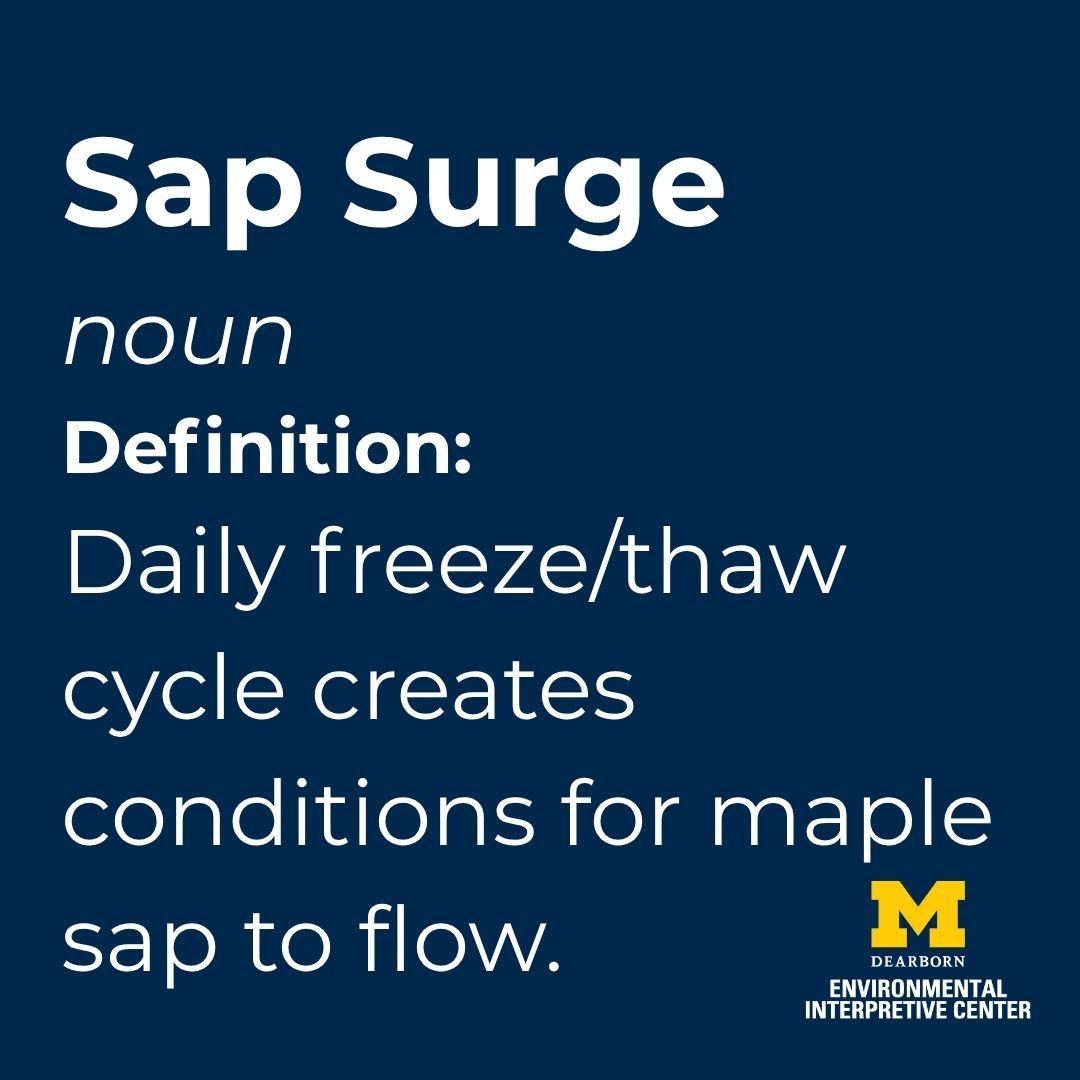
- Microseason: "Sap Surge!"
- Upcoming EIC Programs & Partner Events
- Congratulations, Christina!
- More Community Art
- Tales From the Trails: From Snow, Sweet Things Flow
- Ace EIC Volunteer!
- Greenways: You Reap What You Sow
| |
Sap Isn't the Only Surge...
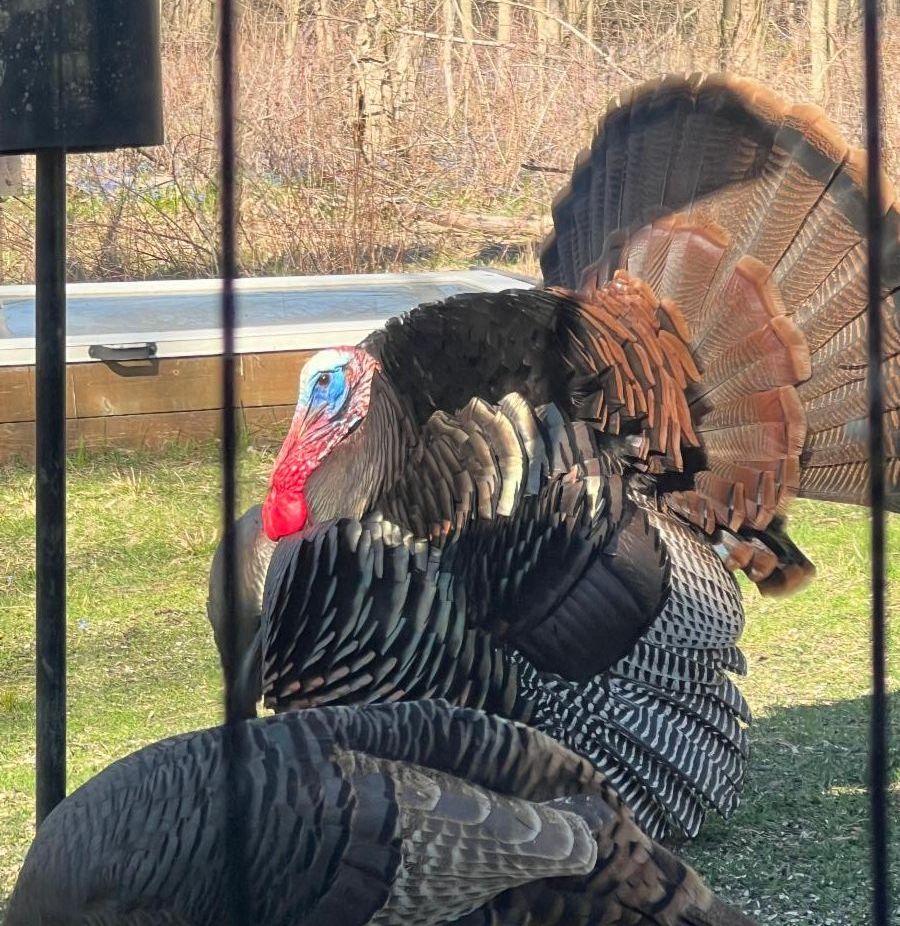
Our "resident" male EIC turkeys have felt a spring surge, as well. Some of you may have experienced a Northern Cardinal tapping at its reflection in your windows, but how about a Wild Turkey? They are head butting the windows, perhaps at their own reflections! Although this photo at the feeders was taken in a previous spring, this is the appearance and posturing going on at the EIC right now. A "dress rehearsal" for courtship--a sure sign that, despite the snow and cold, spring will not be stopped. (EIC Photo)
| | |
Valentine's by Moonlight
Saturday, February 14
6:00-7:30 p.m.
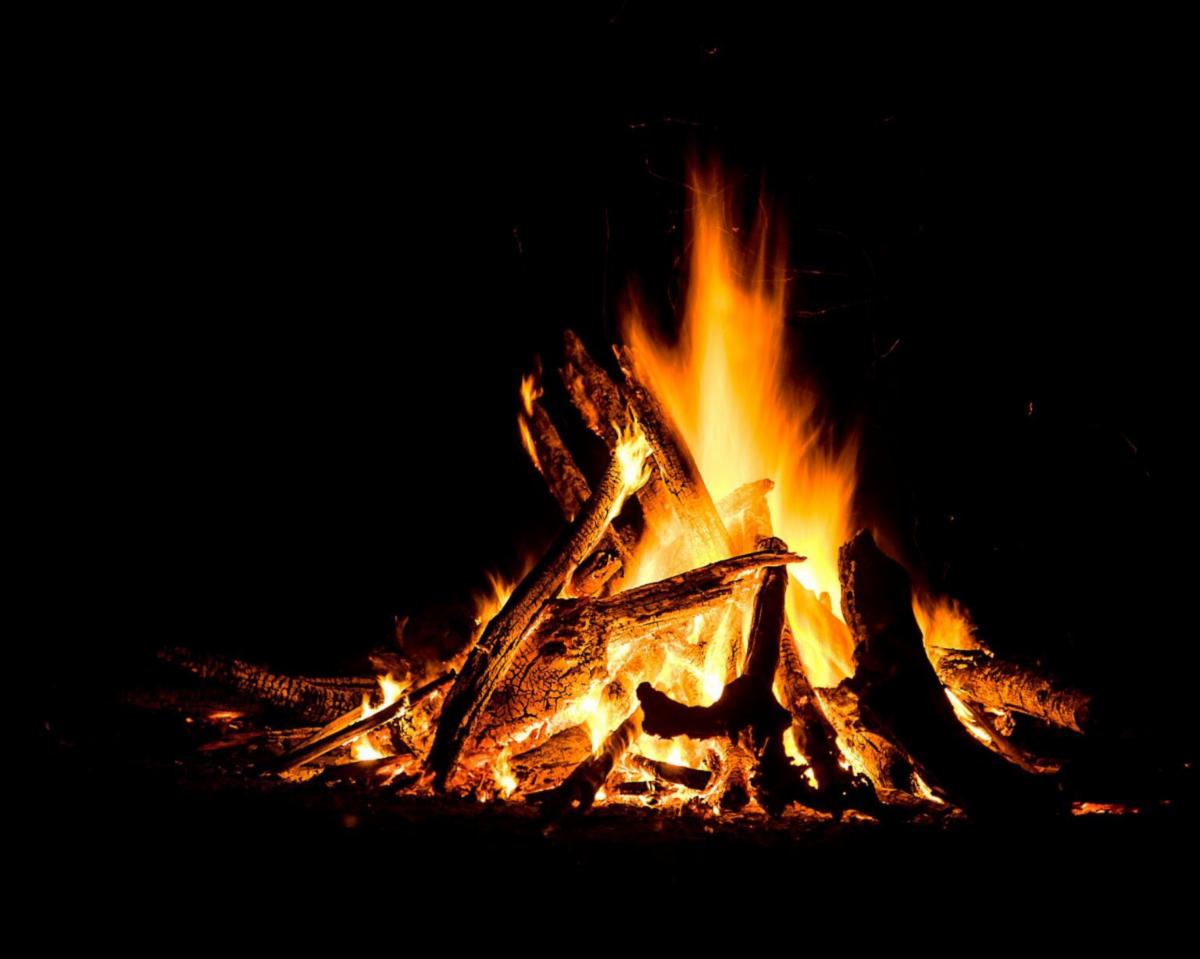
Celebrate Valentine's evening with your EIC friends! Join us for a "crepuscular" walk as the day turns into night. To close our time together, we'll gather around the fire and enjoy each other's company. Please register for this program.
(Photo from Discovery Place Science Museum)
| |
From the Trees to You!
Saturday, March 7
2 walks: 1:00-2:30 or 1:30-3:00 p.m.
Take a guided spring walk to visit the tapped maple trees. We'll take you from start to finish in the maple syrup process, with a sweet ending at our "outdoor kitchen." Meet at the EIC.
Dress for the weather and trail conditions. Please register for this program. (EIC Photo)
| |
Volunteer Opportunity!!
We are looking for folks who enjoy being outdoors, meeting new people, and the "camaraderie" physical labor.
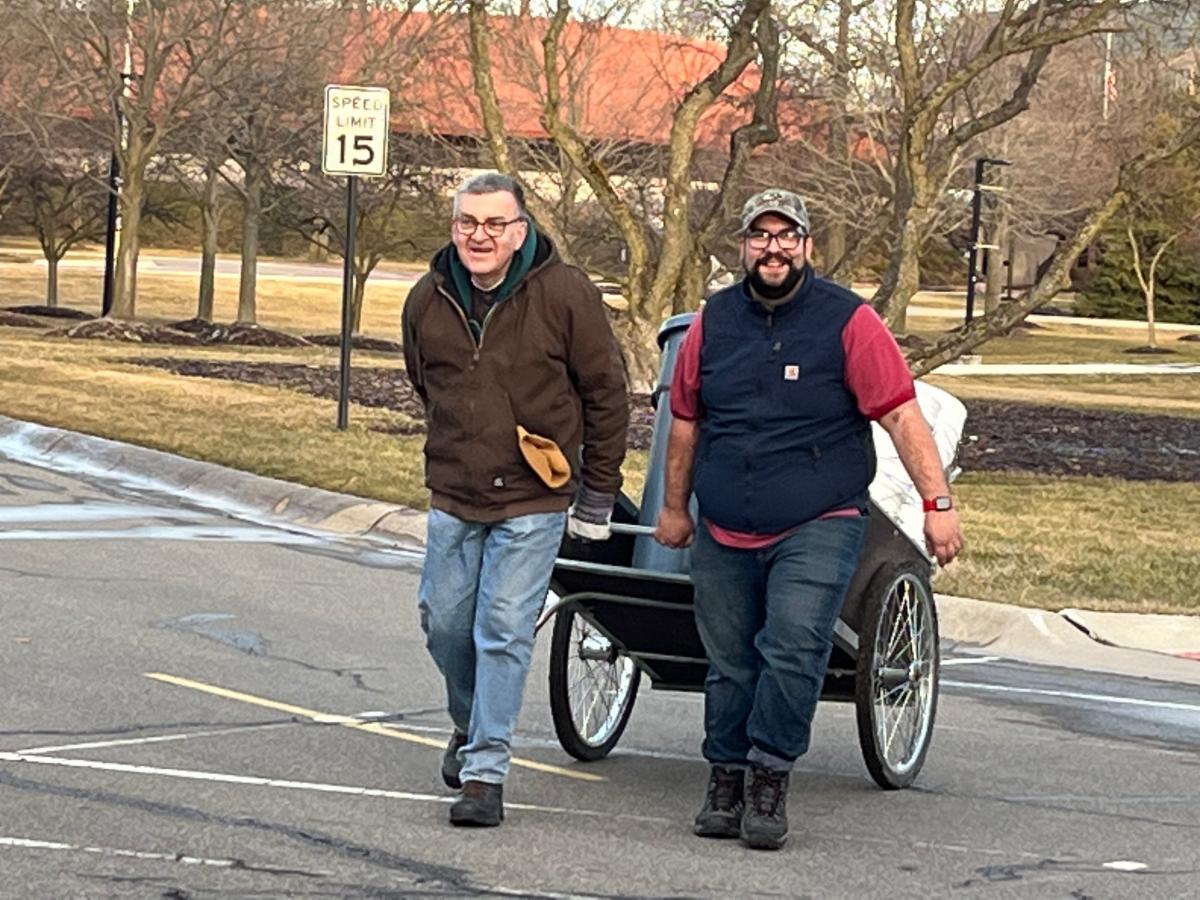
Sap haulers are needed to collect and cart back the necessary ingredient (SAP!) involved in syrup production. The rewards are sweet! Gather at the EIC at 4:00 p.m. any day the sap is flowing.
EIC staffer Mike Solomon (pictured above in the camo cap, with long-time volunteer Joe Turek) will organize the sap crew. To sign up, please register to receive notifications on sap conditions. Thanks for your muscle-power!
| |
Nature Walks for Mental Health
February 11 & 25, March 11 & 25, April 8 & 22
12:30-1:30 p.m.
Join EIC Staff Naturalist Isabel Stepaniak and the CAPS staff for a mid-day walk on the Interpretive Trails to lift your spirits. Meet at the EIC to enjoy the tales on the trails! (EIC Photo-squirrel tracks)
| | |
Michigan Botanical Society, Public Welcome!
Sunday, March 22, 2026,
EIC Room 119, 2:00 pm
Speaker: Dr. Henry Van T. Cotter
"New Fungal Finds at Michigan’s Nature Sanctuaries and the Michigan Certification Program for Commercially Foraging/Selling Wild Mushrooms"
Van’s passionate interest in fungi began when he was assistant manager on a fruit tree farm in Traverse City, Michigan, watching beautiful cherries succumb to fungal brown rot. After a career in crop protection research, he has been active as a mycological volunteer including helping catalog the wealth of valuable fungal type collections.
(Photo courtesy of Duke University)
| | Congratulations, Christina! | |
Michigan Garden Club Scholarship Recipient, Christina Fijal!
Christina Fijal recently received the Michigan Garden Club Scholarship. Christina has had a hand in several of our EIC programs and was awarded the DTE Fund Fellow position for 2025. The Summer Nature Explorer Camp and the Children’s Garden Program have provided opportunities for leadership and student collaboration. (EIC Photo)
| | | Christina led the gardening program which required garden maintenance, creating lesson plans, prepping plant starters, conducting the program lessons with the children and families, and composing a reflection article about her experiences. We are pleased that Christina will continue her studies with us for another school year. | |
Thank You!
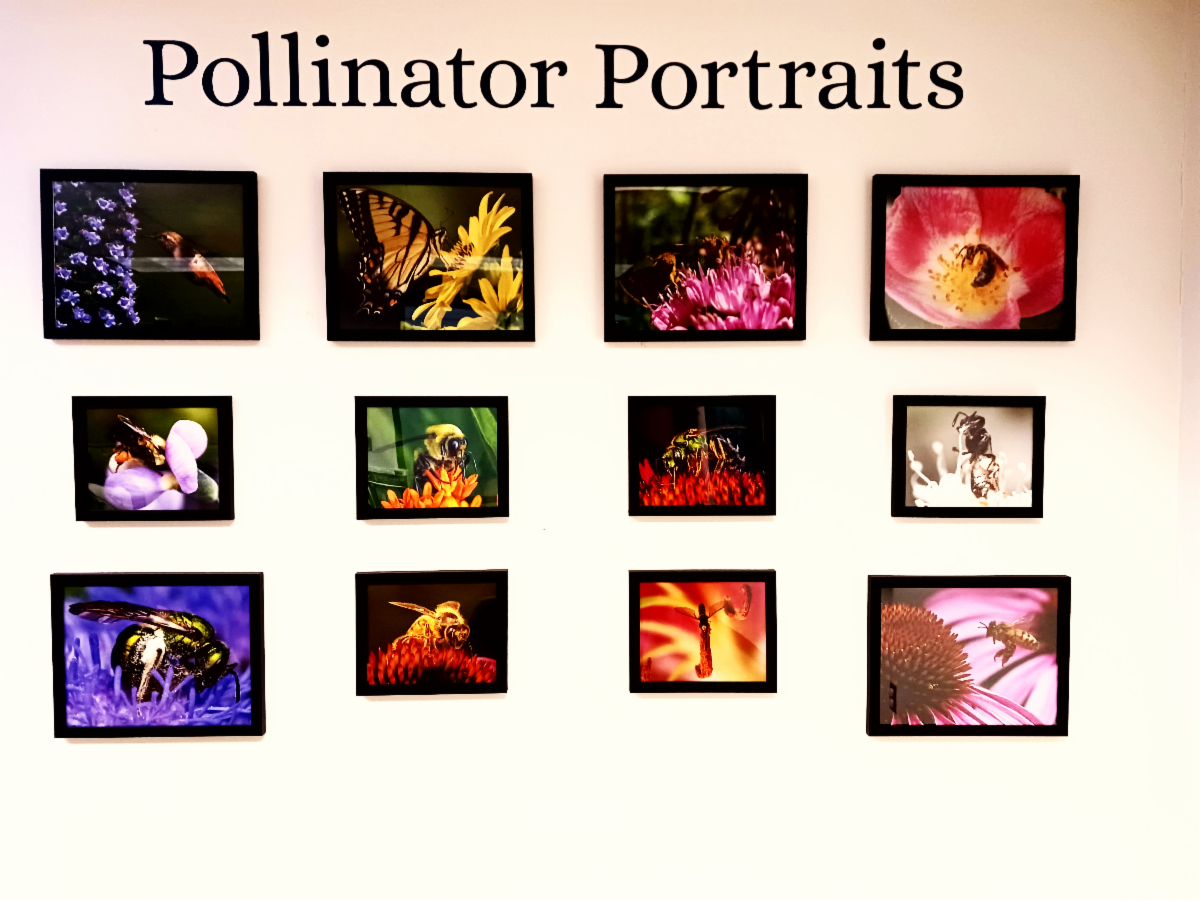
You might have wondered, "What happens to all those great photos from the Pollinator Photo Contest?" Well, the EIC staff and guests are enjoying them, displayed in our Conference Room! This will be a rotating gallery of previous and future contest submissions. Thank you to all who have contributed to this community art project!
| | | |
From Snow, Sweet Things Flow
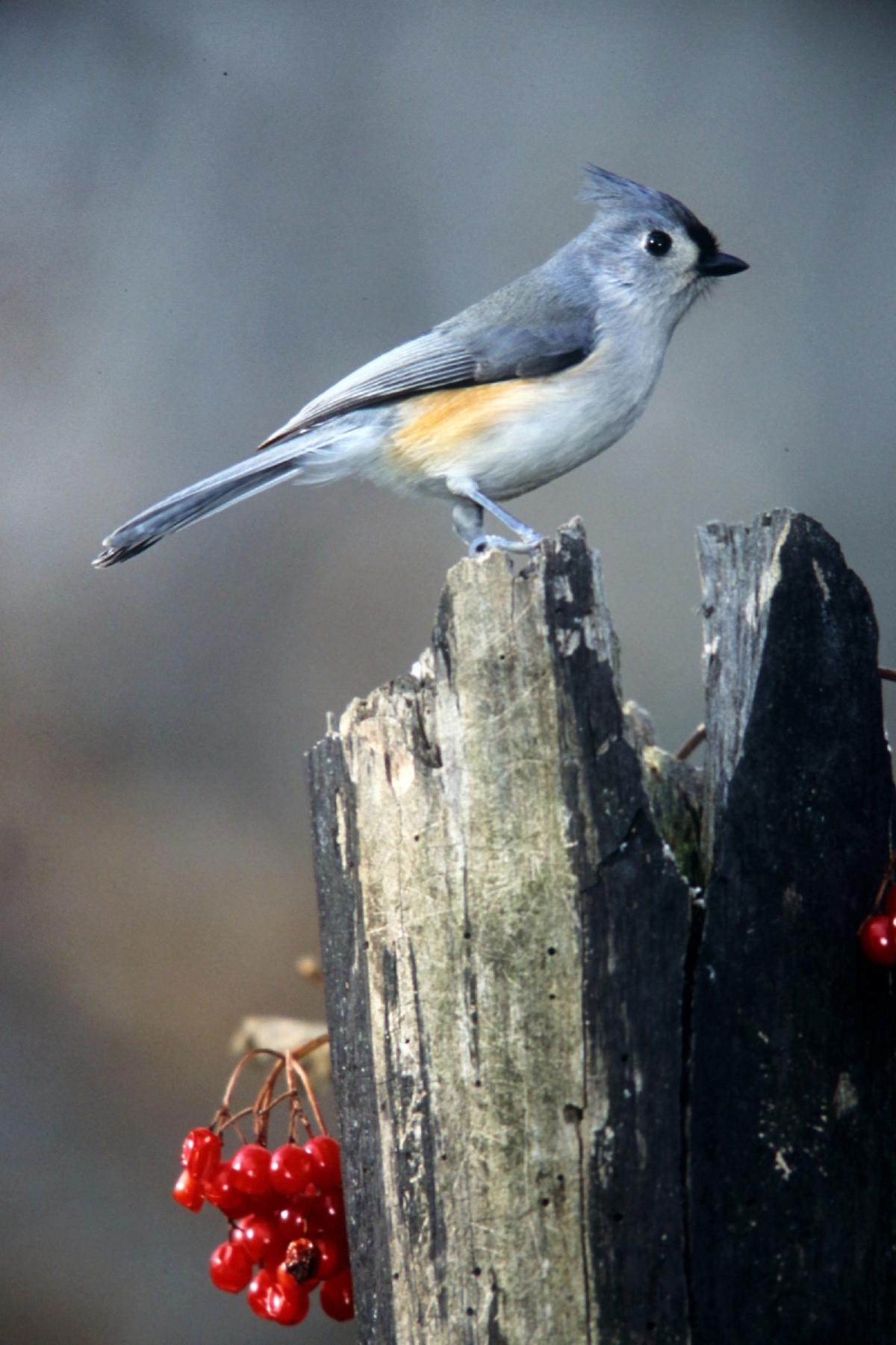
“Peter, Peter, Peter!” the Tufted Titmouse calls out in our woods. This alerts us that, in this part of the world, it's maple sugaring time! (Photo by Jim Simek)
The window for sugaring season is short, no matter where it happens. The farther north (or at higher elevations) the sugar maples, the later the season begins and ends. In the Upper Peninsula, and northern Wisconsin and Minnesota, the season might not begin until mid-March and go through the month of April. In southeast Michigan, it is often bookended between Valentine’s Day (Feb. 14) and St. Patrick’s Day (March 17).
And that dumping of snow we've recently experienced? Folks who make maple syrup call that a “sugar snow,” since the trees will take up the meltwater from the thawing soil through their roots to send up as sap to nourish the spring buds.
| | |
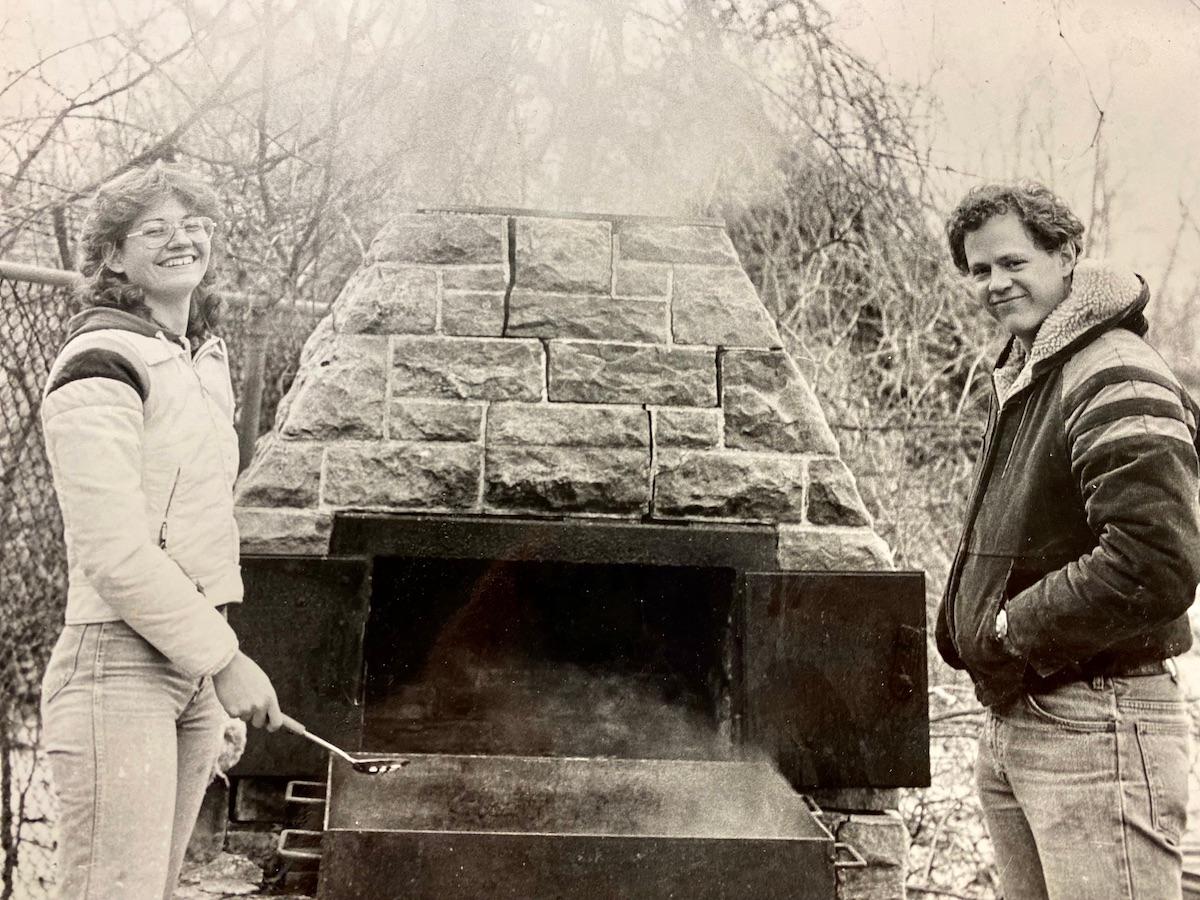
The staff of the Natural Areas Department, now the Environmental Interpretive Center (EIC), has been tapping maple trees and making syrup for educational purposes since the early days in the 1970s, continuing a historical connection to the property’s previous owner, Henry Ford. Pictured here are first Natural Areas Manager Mike Hayes and then student Cathy [Schmidt] Bean, boiling sap in the "early days!"
| | Maple sugaring is dependent on a variety of factors: the presence of maple trees (usually sugar maples), an extended period of freeze and thaw cycles, and soil hydration. Our Environmental Study Area (ESA) is home to both old and young maples, including the “sugar bush" where Henry Ford and his companions had a “sugarhouse,” where they boiled sap into syrup in the early 1900s. | | |
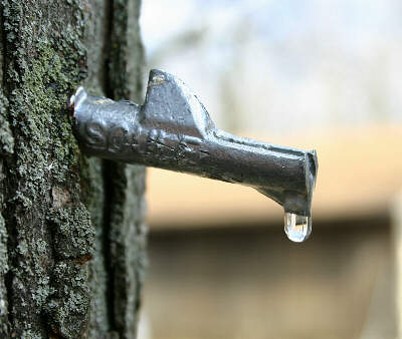
For good sap production, maple producers must have the alternating warm/cold temperatures. This is why it’s nearly impossible to predict the outcome of the maple crop from year to year. (EIC Photo)
The Massachusetts Maple Producers Association (MMPA) explains the conditions that determine a productive syrup season: “The tree’s sap flow mechanisms depend on temperatures which alternate back and forth past the freezing point (32 degrees F.). The best sap flows come when nighttime temperatures are in the low 20s and daytime temperatures are in the 40s." And temperature is only one of many challenges!
| | |
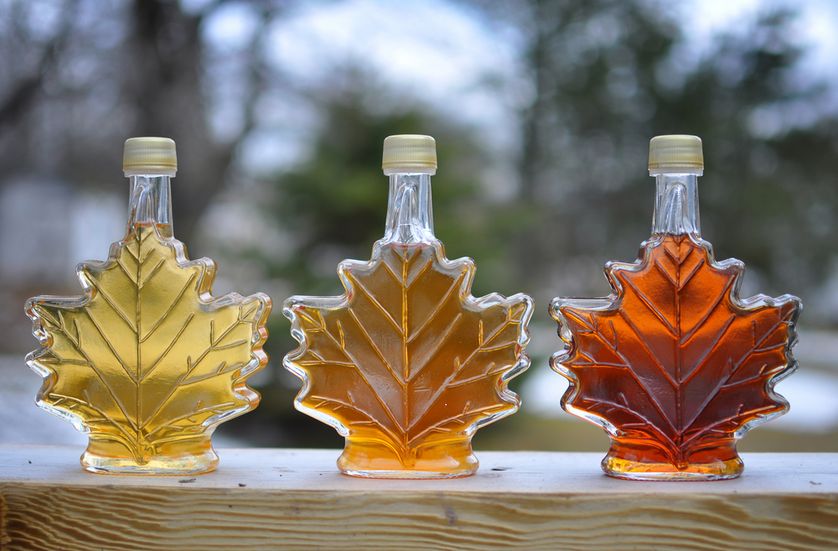
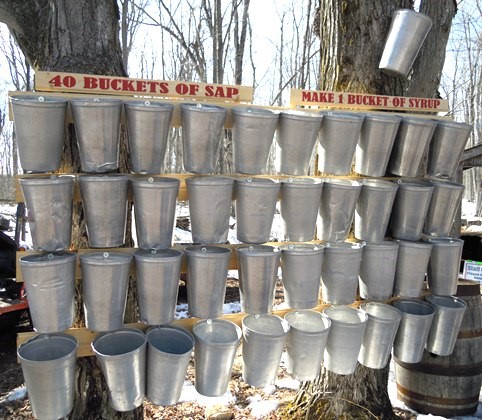
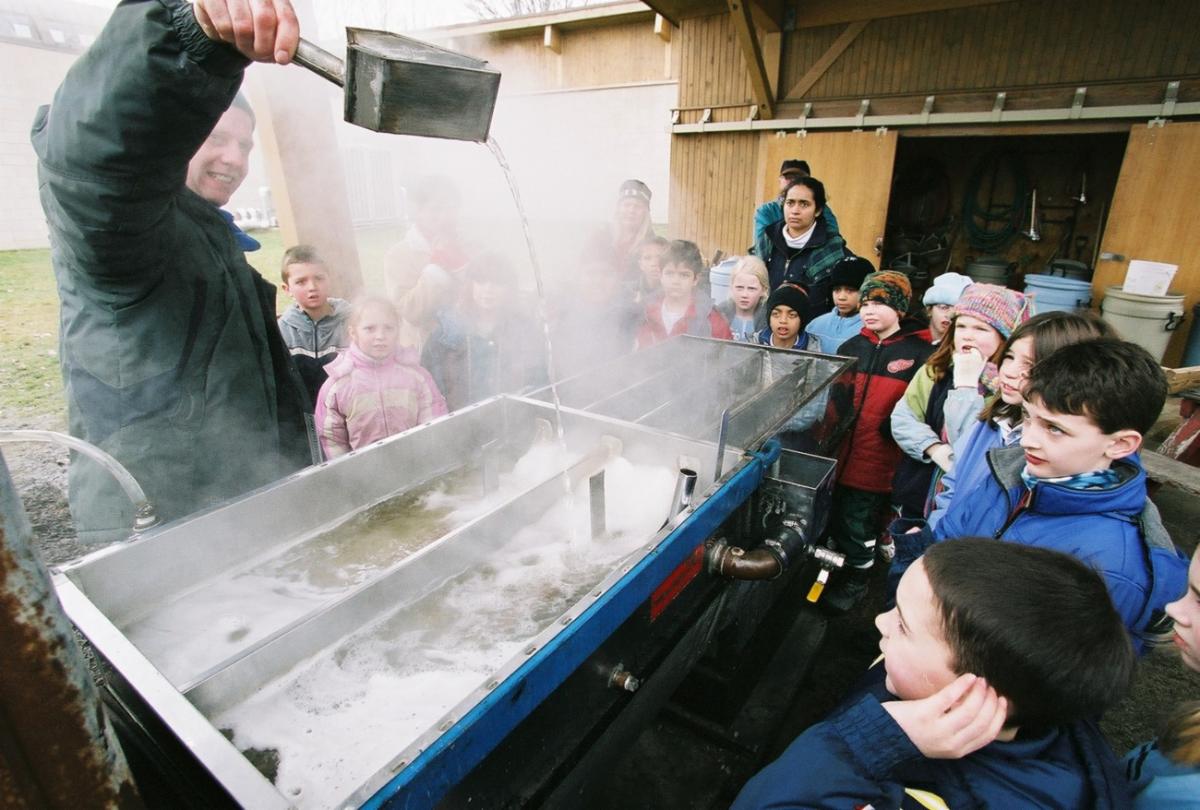
The ratio for sugar maple sap to syrup is 40:1. That’s right—40 gallons of sap boiled down to 1 gallon of syrup! Sugar maple sap is approximately 98% water and minerals, with only 2% sugar, a product from the previous year’s photosynthesis. Sunshine in a bottle! The sugar content in other tree sap is even lower, requiring more sap for syrup making. (Photo by Canadian Broadcasting Company)
| | |
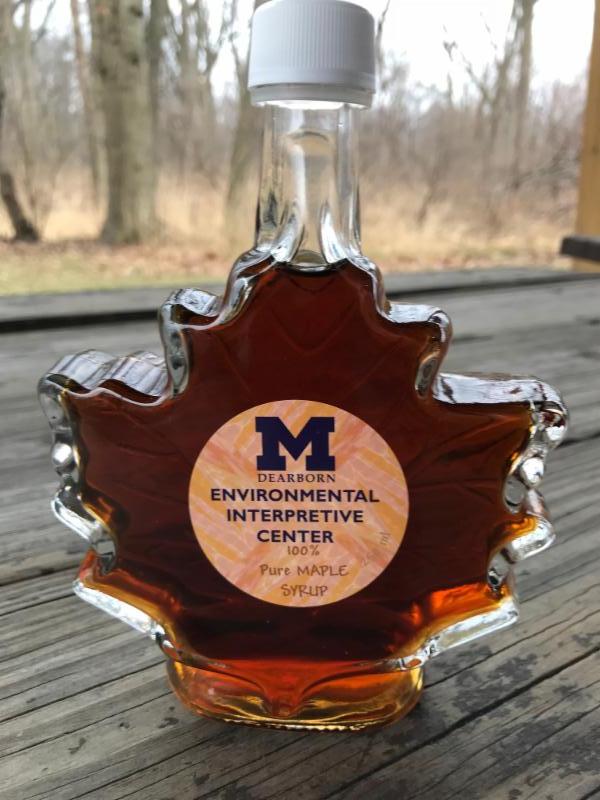
Maple syrup is only made in certain areas in North America, and lucky for us, the EIC is one of them! Why not join us to see the process for yourself? Our maple sugaring programs are coming up soon. The March 7 program will include a visit to the outdoor kitchen where we boil that sap down to produce maple syrup. We hope to see you there! The registration link is accessible here. (EIC Photos)
-Dorothy McLeer, Editor
| |
Ace Volunteer Gets It Done!
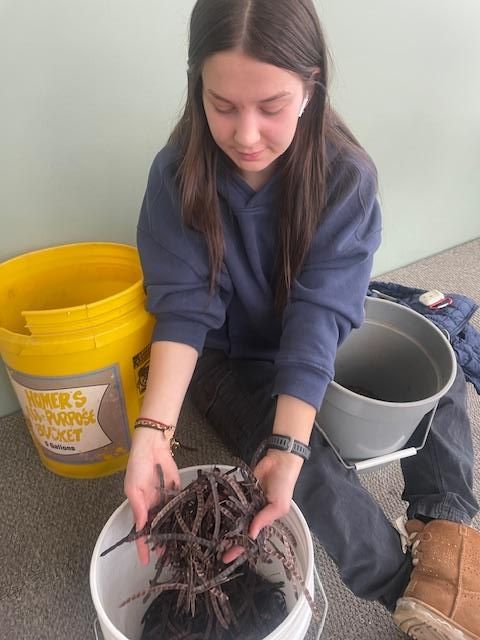
In her two years as an EIC volunteer, UM-Dearborn student Evangeline Colarossi has become recognized by our staff for her enthusiasm and high level of willingness to take on a wide range of stewardship-related volunteer projects, including transplanting native tree saplings and shrubs into portions of the Environmental Study Area where invasive plants had recently been removed.
She has also been painstakingly collecting, sorting, and dispersing the seeds of native wildflowers and grasses. (Photo below by Rick Simek) "Evangeline extracts thousands of seeds from the pods of Wild Senna, a native
wildflower species beneficial to native bees, to eventually scatter into the ESA."
| |
This “habitat doctoring” on her part will surely bring improved ecological benefits to those previously low-quality habitat spaces.
If you visit the Center and note the rather mysterious arrangement of fishing line stretched horizontally between posts that surround these plantings, that’s Evangeline's work, too.
| | |
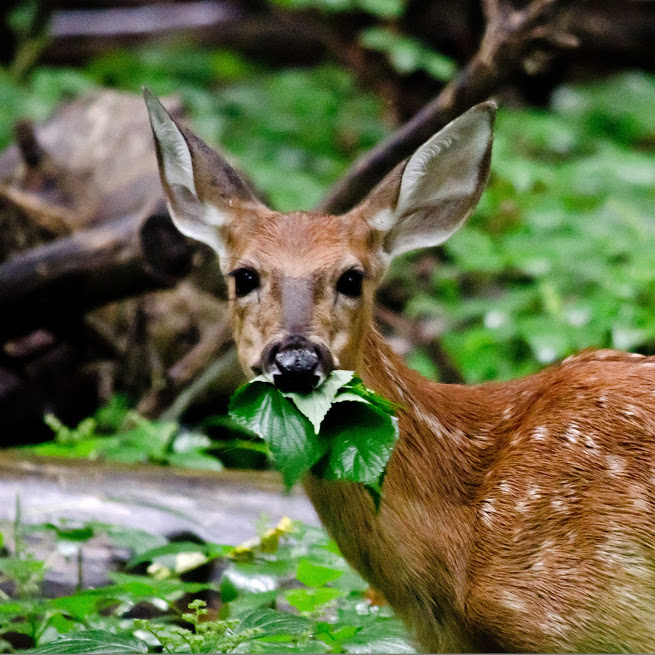
Deer don’t much like having contact with the fishing line, probably because they can’t see it very well and become surprised when they bump into it. Evangeline also added the colorful flagging tape to the fishing line setup, giving it a rather festive look, but which is intended to prevent human visitors from walking into it. (Photo courtesy of University of Minnesota Extension)
Evangeline’s steady, patient, and consistent approach to these and other volunteer tasks, along with her notable hardiness in working outdoors during most any weather conditions, has truly earned her the status of an ACE EIC volunteer!
-Rick Simek, Natural Areas Manager
| | |
You Reap What You Sow
Are you getting a bit “stir-crazy” this winter? I know I’ve been gazing longingly out my windows at the frozen landscape, waiting for a flush of green! I have found a way to “garden,” even as the snow flies outside my window!
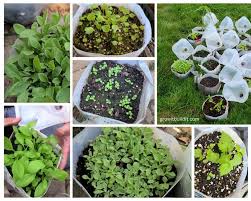
Many types of plants, especially native perennials, “go to sleep” or, go dormant to survive freezing temperatures. These seeds must be exposed to specific conditions of temperature, moisture, and light to “wake up” and grow in spring. (Photo from Grow It, Build It: the Blog)
| | |
Many gardeners “cold stratify” dormant seeds, sometimes storing them in a refrigerator to mimic winter conditions. However, stratification in the fridge takes significant planning and effort to keep seeds healthy during the winter. It’s easy to forget what you’ve prepared, or for bags of seeds to get misplaced. There is a simpler, more “hands-off” way to plant dormant seeds, called winter sowing. (Image Adobe Stock)
| | |
Why sow in winter? Winter seed sowing is an easy way to give your plants a bit of a “head-start” in the spring. I have also found winter sowing to serve as a great outlet for that pent-up “dormant garden energy.”
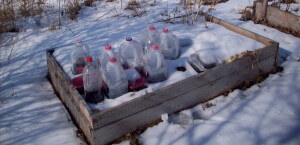
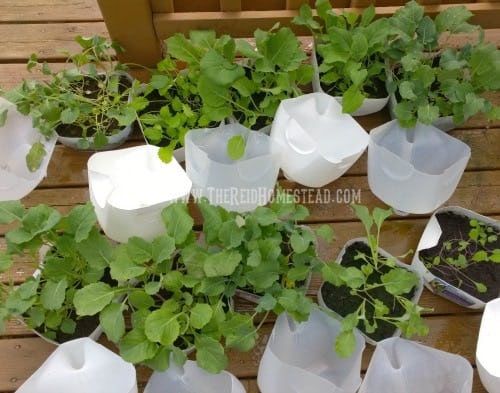
Winter sowing is a method of planting where seeds are planted in soil, inside of plastic milk jugs. Grab a plastic milk jug, and cut most of the top of it off, leaving a small flap of plastic connecting the halves. This “clamshell” shape allows air to flow freely in and out, but keeps mischievous squirrels and birds from snacking on your seeds. The top of the container also works like a greenhouse, trapping rays from the sun, and warming the soil (and seeds) inside. This can get your seeds growing a couple of weeks before the rest of your soil thaws. (Photos Minnesota State Horticultural Society & The Reid Homestead)
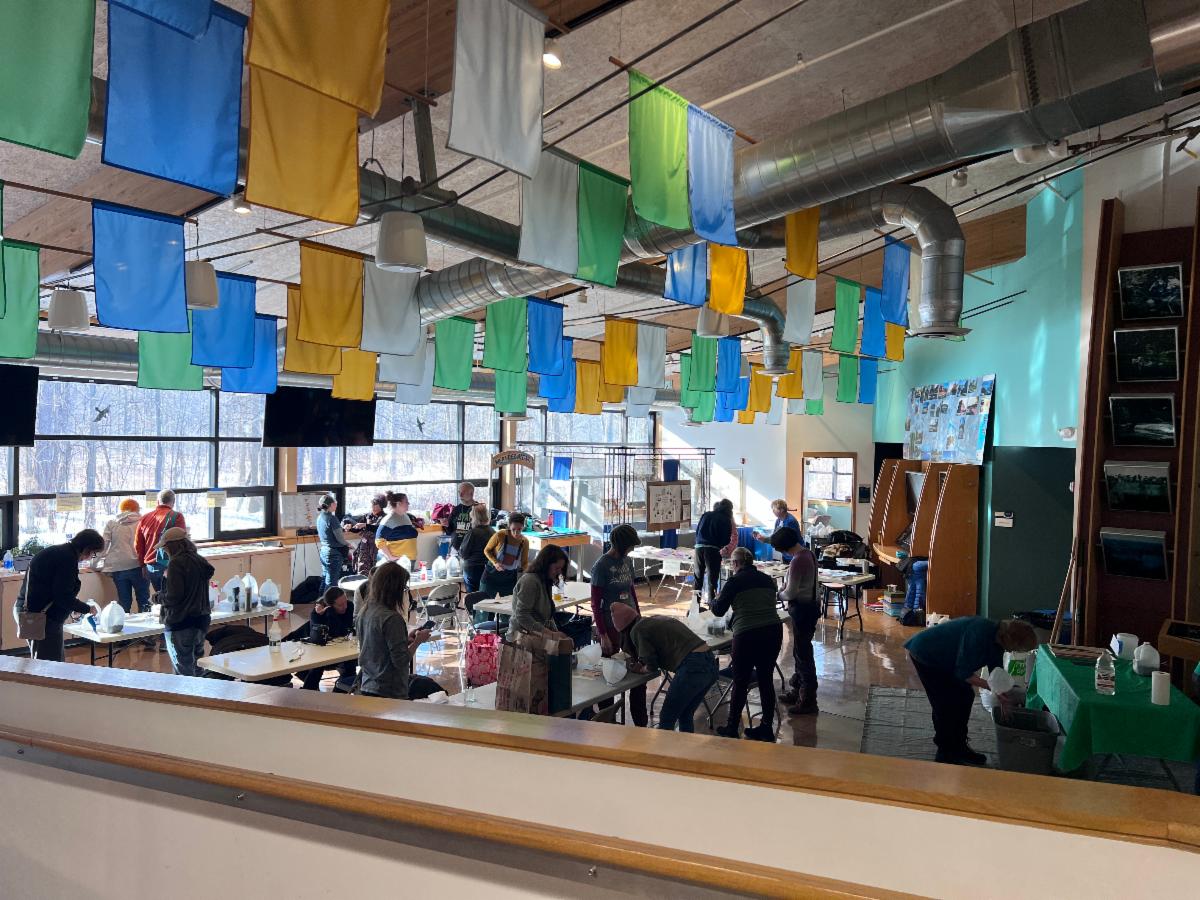
| | At the EIC, we recently hosted a winter sowing event for Wild Ones of Wayne County, like-minded gardeners, who wish to incorporate native plants into their home landscapes. Members brought and shared over 50 species of native seeds, a beautiful microcosm of the pollination and distribution that brings wild plants about! We also shared knowledge, the most powerful seed of all. (Photos by Mike Solomon) | | | |
The spirit of collaboration filled the air as we planted, reminisced about gardens past, brought new folks up to speed, and excitedly prepared for this year’s growing season. It was a great opportunity to reconnect and get back in the agricultural groove at the end of a long, cold winter.
If you’re interested in trying winter sowing yourself, I encourage you to check out this slideshow from the University of Maryland Extension’s Master Gardener program. It contains a step-by-step guide on starting your own seeds!
-Mike Solomon, EIC Staff Naturalist
| | |
Venturing outdoors and encountering nature is good for your health. Our trails are accessible, so please visit our Environmental Study Area. Stay engaged in learning activities and check out our Remote Learning Activities & Resources page for ideas to create a “Neighborhood Nature Journal” and “Family Nature Walk” activities!
| | | We also hope to see you in person at our upcoming programs! | |
Please remember...
The EIC Environmental Study Area is open daily from sunrise to sunset. We would like to remind nature-goers that fishing on site is prohibited and to leave bikes and dogs at home because they cause disruption and stress to the EIC wildlife.
| |
| | | |