Environmental Interpretive Center October 15, 2025 | | |
In this issue:
- Microseason "Crunching Colors"
- Updated Information
- Upcoming EIC Programs and Partner Events
- Pollinator Photo Contest
- Tales From the Trails: A Very Wal-Nutty Season
- Greenways: Seed Saving-Watch Your Savings Grow!
| |
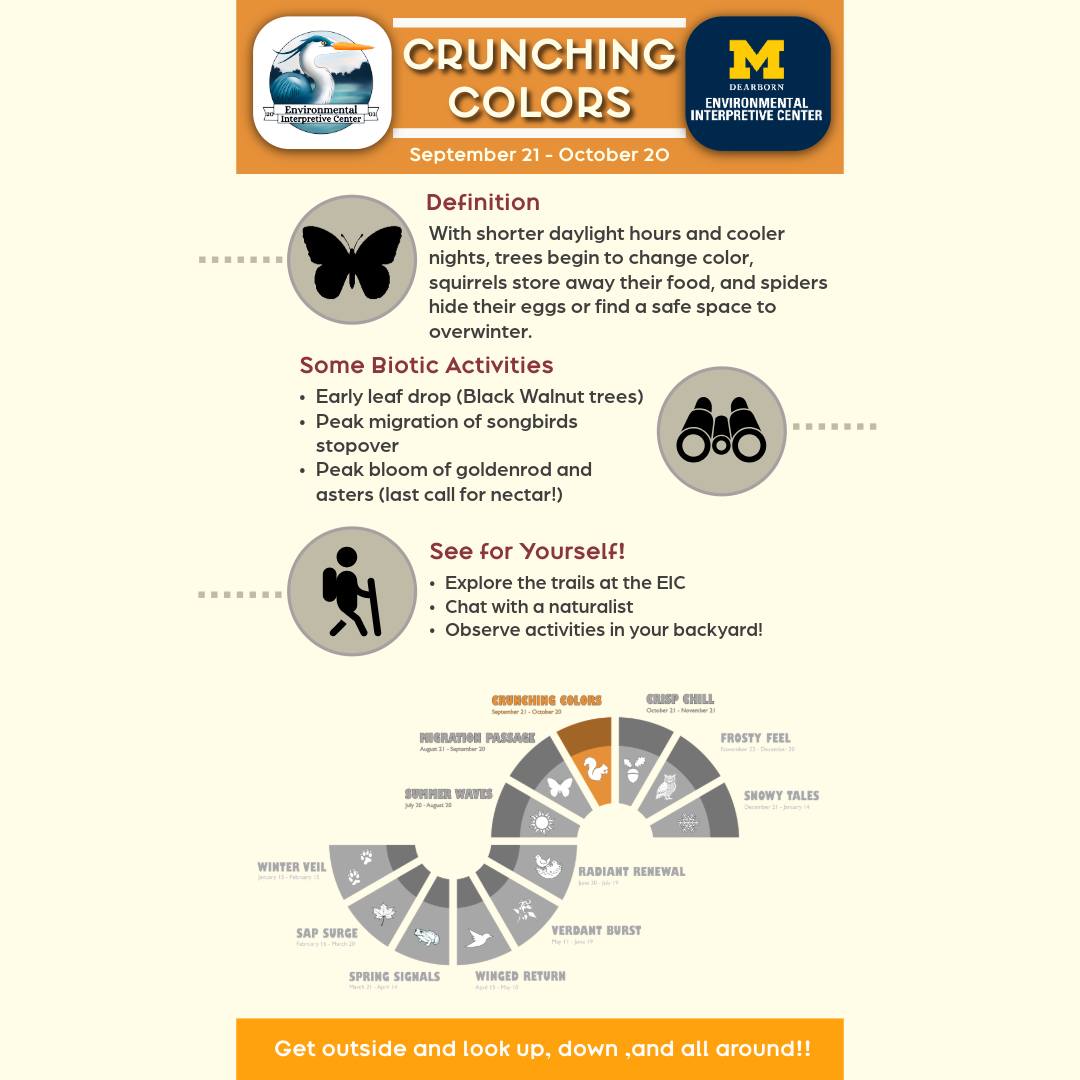
Crunching Colors
We have moved into the "Microseason" of Crunching Colors. You may be noticing some of these changes in your yard or neighborhood. Raking leaves is a sure sign of the seasonal change. Come look for spiders by flashlight with us, another sign of the season!
| |
Updated Information...
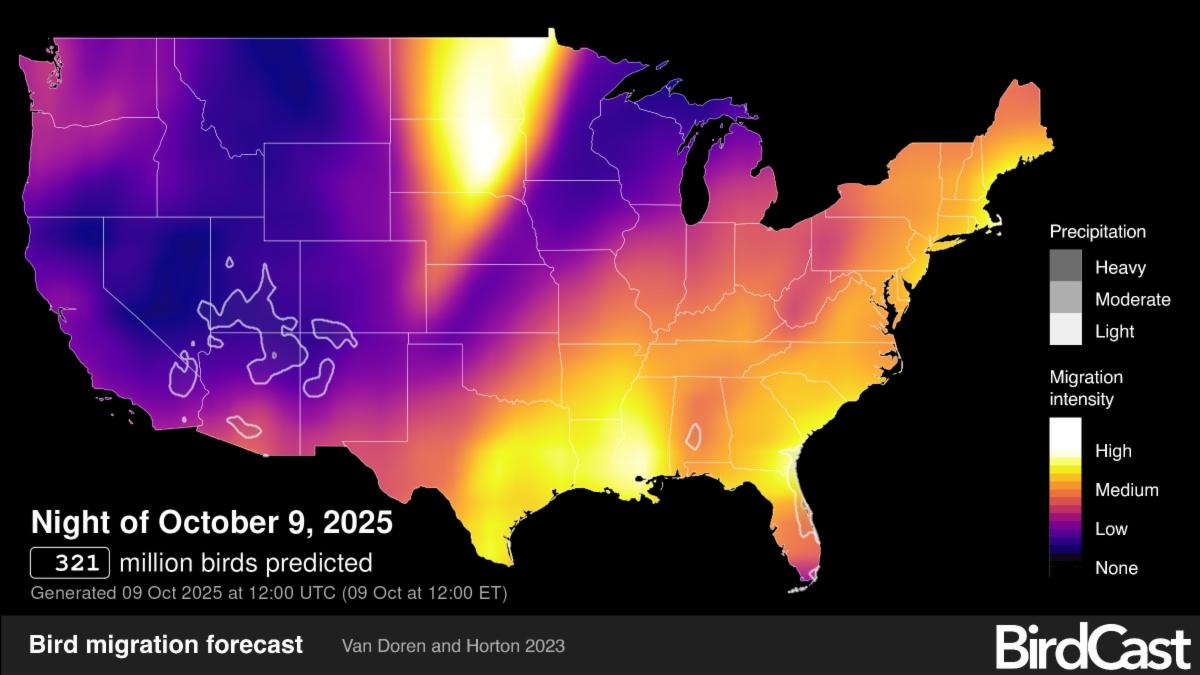
Thanks to keen readers of this newsletter, we have a correction regarding birds involved in window collisions. It is recommended that all birds should be taken to rehabilitators, due to possible internal injuries. With the numbers of birds on the move (below), rehabilitators will be busy this fall.
| |
Spiders By Flashlight
This Friday!
October 17, 7:00-8:30pm.
Recommended for ages 10 and older
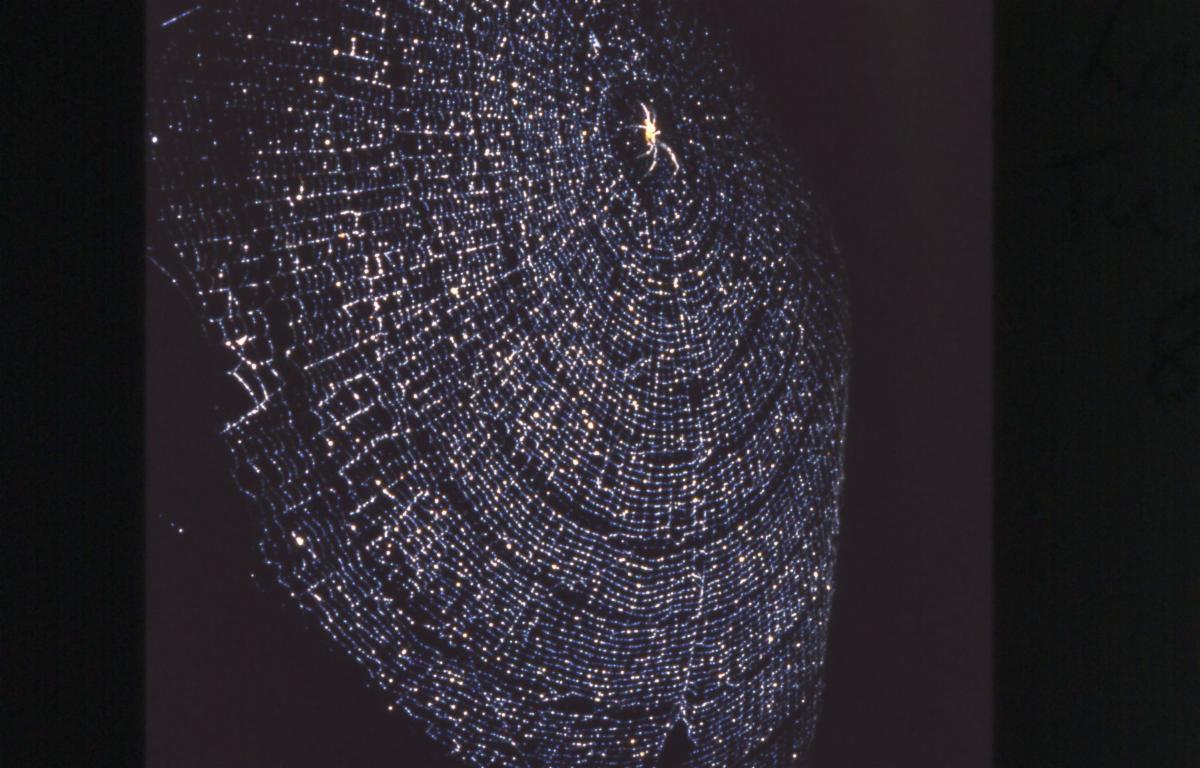
The Interpretive Trails hold many "fiber artists," plying their trade to catch a good meal. Walk with staff naturalists for a glimpse into the world of web weaving by flashlight.
| |
No catching of spiders, but we'll "catch them" at work. Bring a flashlight and join us! Please register for this program.
(Nephila spider web photo by Linden E. Higgins, UVM)
| | |
Fungi Fundamentals
Saturday, November 15th
11:00-12:30
Ages 10 years and older
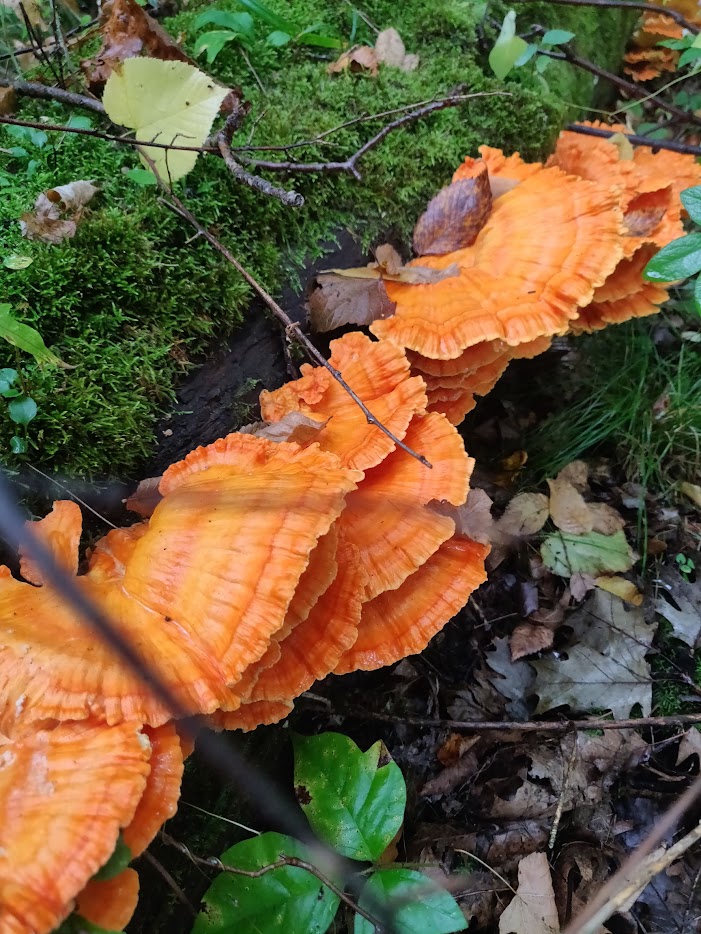
Join us in Room 119 to go over some of the basics of mushroom anatomy before heading out on the trails to observe those characteristics in the field. Please register for this program.
(Photo by Mike Solomon, your Fungi Fanatic!)
| | | |
Photography in Nature Walk
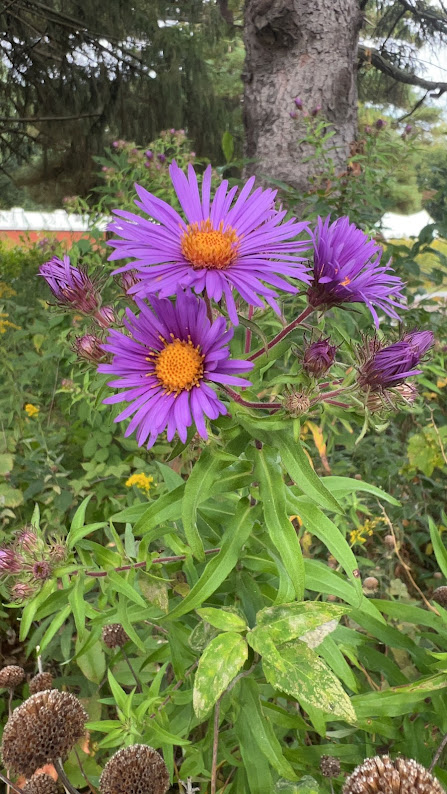
Capture seasonal changes along the Interpretive Trails in the Environmental Study Area. Join like-minded enthusiasts to record nature in pictures, like this glorious New England Aster, snapped in our Rain Garden out front. Our final guided walk until spring will take place on October 23, from 2:30-3:30.
Please register for these walks.
(New England Aster photo by Mike Solomon, leader of these walks!)
| |
Nature Walks for Mental Health*
October 29, Nov. 5, 19, and Dec. 3
2:00-2:45
*Open to the public
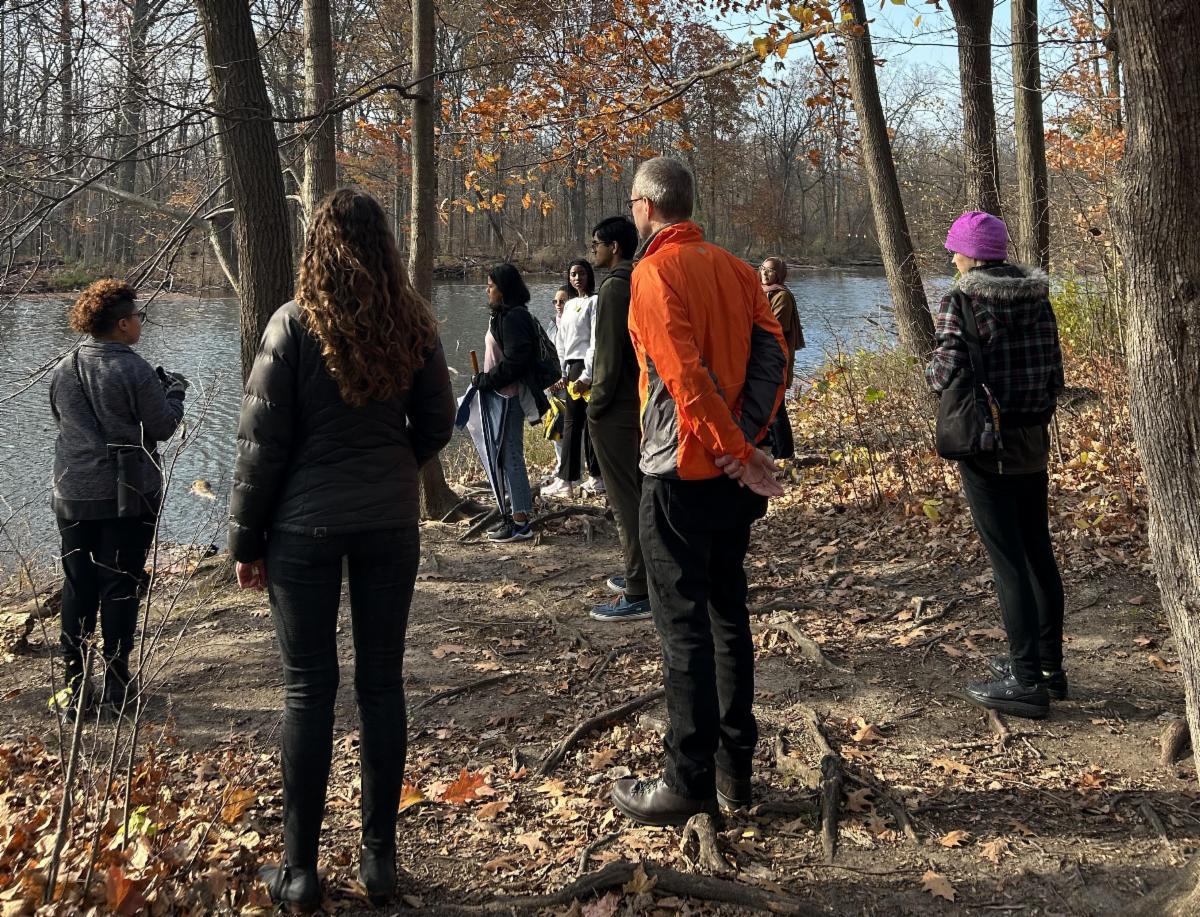
In partnership with UM-Dearborn's Counseling and Psychological Services (CAPS) office, the EIC and CAPS staff offer bi-weekly guided walks on the Interpretive Trails. Please register for this program. Meet at the EIC.
| | | |
Michigan Botanical Society Program at the EIC
Programs will take place in Room 119 and are open to the public
Sunday, November 9, at 2:00 PM
Speaker, John H. Hartig
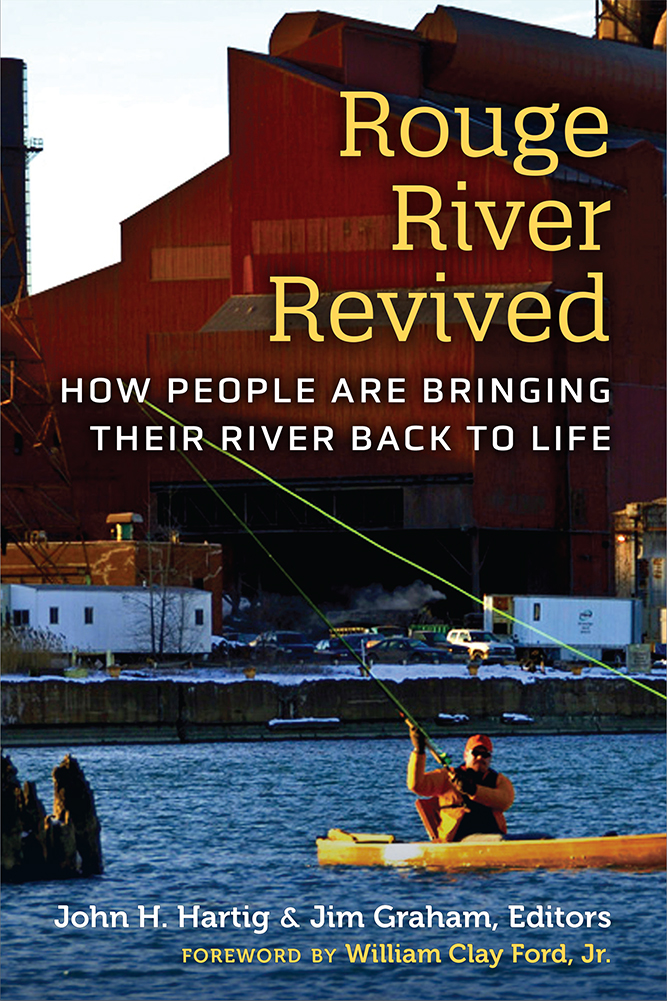
Dr. John H. Hartig is an author and editor of Rouge River Revived, which contains a variety of chapters written by people associated with Rouge River stewardship, including some EIC staff members. John will discuss the Rouge River’s history, clean-up efforts, and what the present-day health of the River is today. More information can be found on the Southeastern Chapter website.
| |
Pollinator Photo Contest
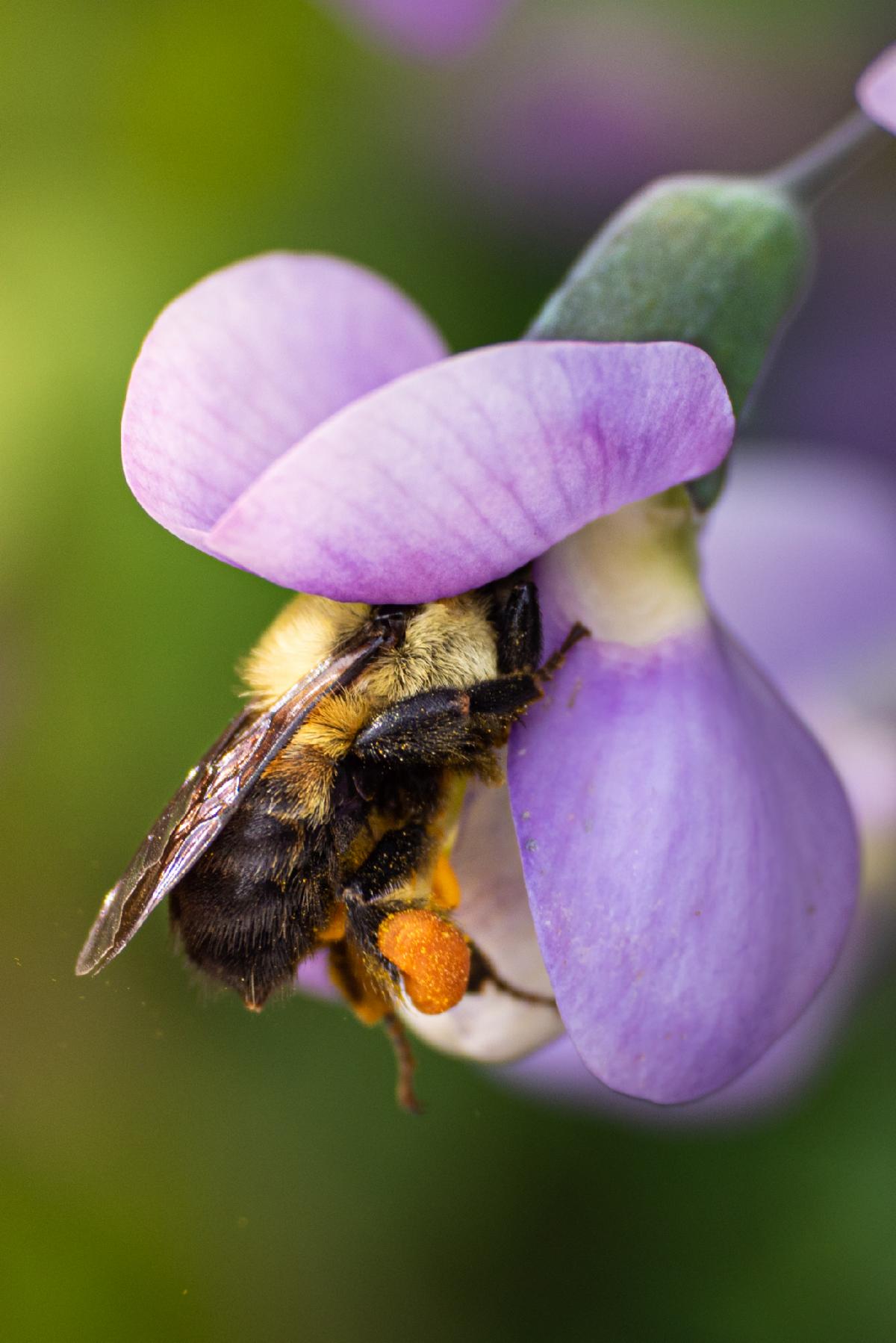
Thank you to all those who submitted their photos to the contest and to Dr. David Susko for keeping this activity going! We have much to review and it will be so nice to be reminded of the summer blossoms and their partners in pollination.
Look for results in an upcoming issue of the newsletter! (Photo by previous award winner Linda Gilson)
| | | |
An Especially Wal-Nutty Season
The Black Walnut trees in the Environmental Study Area (ESA) have produced a massive crop of nuts this year. In botanical jargon, the trees are experiencing a very productive mast year.
In the case of nut bearing trees and shrubs, a mast crop is the sum total of nuts that fall to the ground. Nut production and volume fluctuates from year to year. In heavy mast crop years, trees synchronize their nut production to yield loads upon loads of nuts.
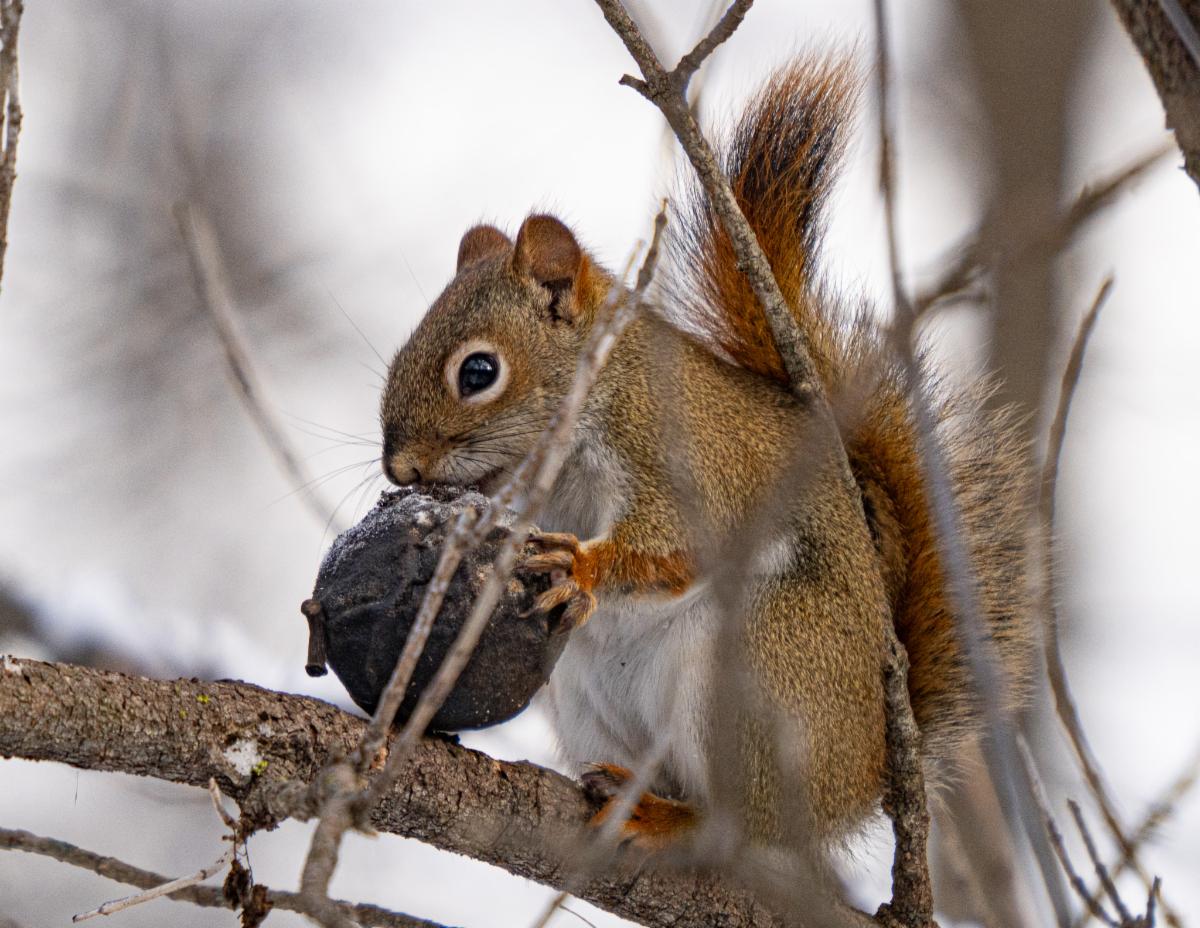
| | This year’s black walnut mast crop boom in the ESA means more nuts for squirrels to disperse and bury. Chances are that some of those will escape being dug out and eaten by the squirrels this coming winter. If buried in just the right spot for walnuts to sprout, a new batch of Black Walnut seedlings will emerge next year and potentially add to the species’ population. (Photo courtesy Wehr Nature Center, Milwaukee, WI) | | | Take a walk in the ESA sometime during the next week, and you will likely see lots of walnuts still clinging to the trees. I recently counted over 100 walnuts clinging to the bare branches of a single tree adjacent to the Dogwood Trail. | | |
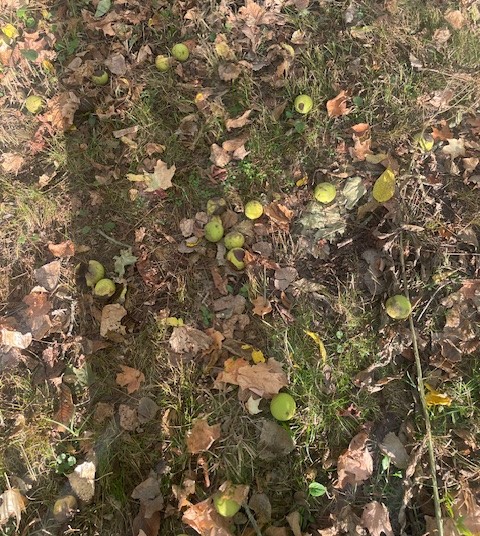
Walnuts have also fallen to the ground in droves in the ESA. A photo I took (see attached) along the Old Field Trail shows but a tiny sampling of those.
(Photos by author) Walnuts can also drop onto or around you while walking in the ESA on a windy day. You might find yourself practicing your walnut “duck and dodge” technique. (I recommend wearing a hat!)
| |
I hope you can take some time to enjoy the special nuttiness going on within the ESA this fall!
-Rick Simek, EIC Natural Areas Manager
| | |
Seed Saving-Watch Your Savings Grow!
Mornings are beginning to cool and days are shortening, signals that gardening season is beginning to wind down. It is a great time to think about saving some of your seeds for next year.
Saving seeds can help save you money, eliminating the need to re-buy seeds annually. In addition to your tomatoes, corn, and squash, you can save seeds from native plants growing in your gardens. Incorporating native plants into your gardens helps to support pollinators, a direct benefit to your harvests.
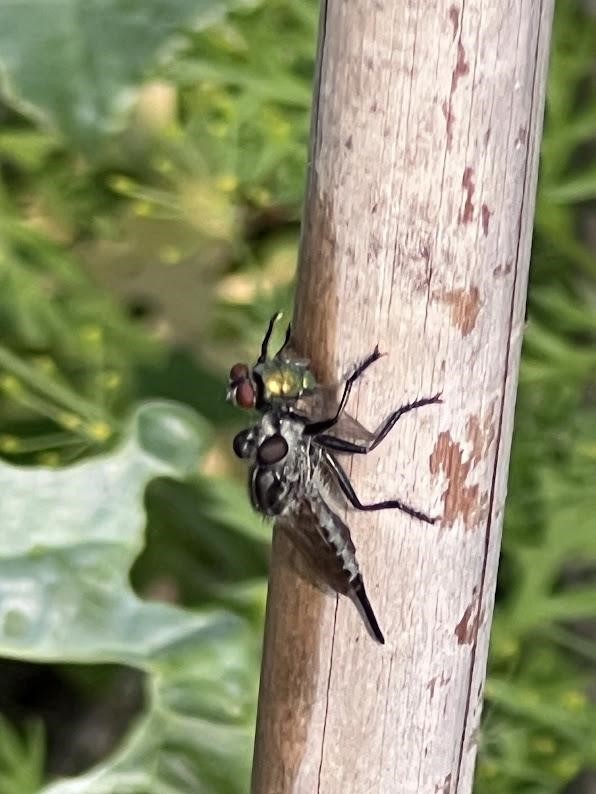
Native plants also serve as “host plants” for native insects, including predators that help keep pests in check! (Photo above of Hammerhead Sawfly, Efferia aestuans, with Housefly meal by the author)
| | |
The Xerces Society for Invertebrate Conservation has a great guide on a variety of plants native to the Great Lakes region that you can plant to help support pollinators and other beneficial insects. You probably already have some of these plants growing in your yard, or in public spaces nearby. Always consult the rules of a public space, and ask permission before collecting seeds.
| | |
Saving native seeds is easier than you might think. Wild Ones, a community organization dedicated to native plant gardening, has great starting resources on collecting and cleaning seeds, storage, and propagation. I find that saving seeds for next year inspires a sense of excitement during the off-season. Cleaning seeds, prepping them for winter sowing, and watching for those first seedlings are great ways to keep your thumbs green during the winter!
-Mike Solomon, EIC Staff Naturalist
| | |
Venturing outdoors and encountering nature is good for your health. Our trails are accessible, so please visit our Environmental Study Area. Stay engaged in learning activities and check out our Remote Learning Activities & Resources page for ideas to create a “Neighborhood Nature Journal” and “Family Nature Walk” activities!
| | | We also hope to see you in person at our upcoming programs! | |
Please remember...
The EIC Environmental Study Area is open daily from sunrise to sunset. We would like to remind nature-goers that fishing on site is prohibited and to leave bikes and dogs at home because they cause disruption and stress to the EIC wildlife.
| |
| | | |