ELIJA THYMES

Week 4 | July 1 - 5 | 2025

WEEKLY HARVEST

French Breakfast Radishes

Beets

Kohlrabi

Escarole

Radicchio

Kale

Asian Greens Mix

Parsley

Broccoli

Summer Squash

FARMER'S CORNER:

TWO SISTERS PLANTING

July is truly one of the most exciting times on the farm with our fruiting crops just coming into harvest and our root crops maturing nicely in the ground. We've also started turning over harvested beds and planting new successions of quicker crops like radishes, turnips, and salad greens. 


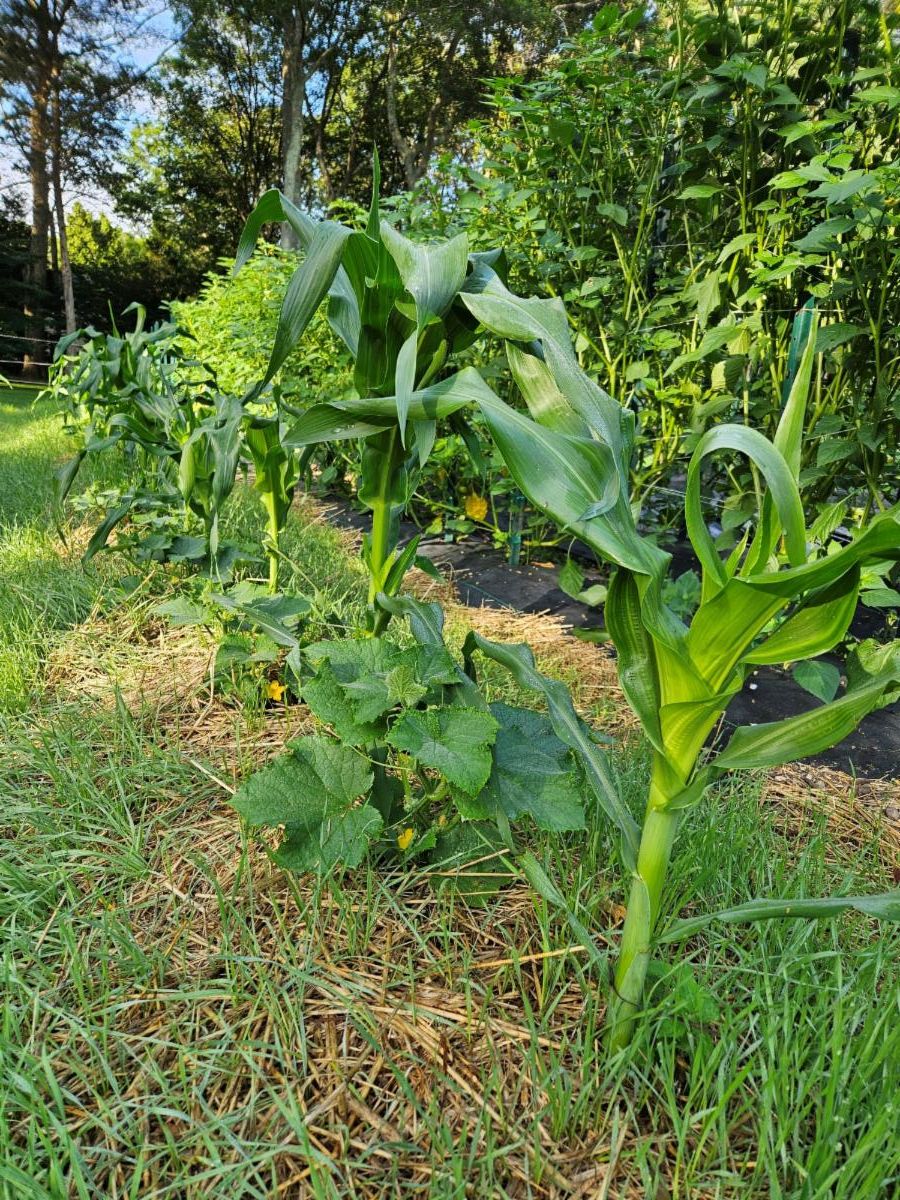
Extra excitingly, our crew just planted the second succession of corn and cucumbers - a simplified variation of the Three Sisters planting style created by indigenous growers across North and Central America. The traditional trio includes Corn who acts as a tall support, Pole Beans who climb the corn and fertilize the soil by fixing nitrogen, and Squash who covers the ground, preventing weeds and holding moisture. Sunflower has been substituted for Corn and all types of climbing Beans and Squash family members could work well in different combinations. This companion planting method has been in use on this land for thousands of years; however it requires more experimentation with the right varieties of each sister crop. For us, we found that we didn't have much of a bean harvest last season using this method and the vines actually made corn harvest a bit trickier, so we are trying pole beans on our archway trellis this year along with our passionfruit. 

Our first succession of corn is growing up well!

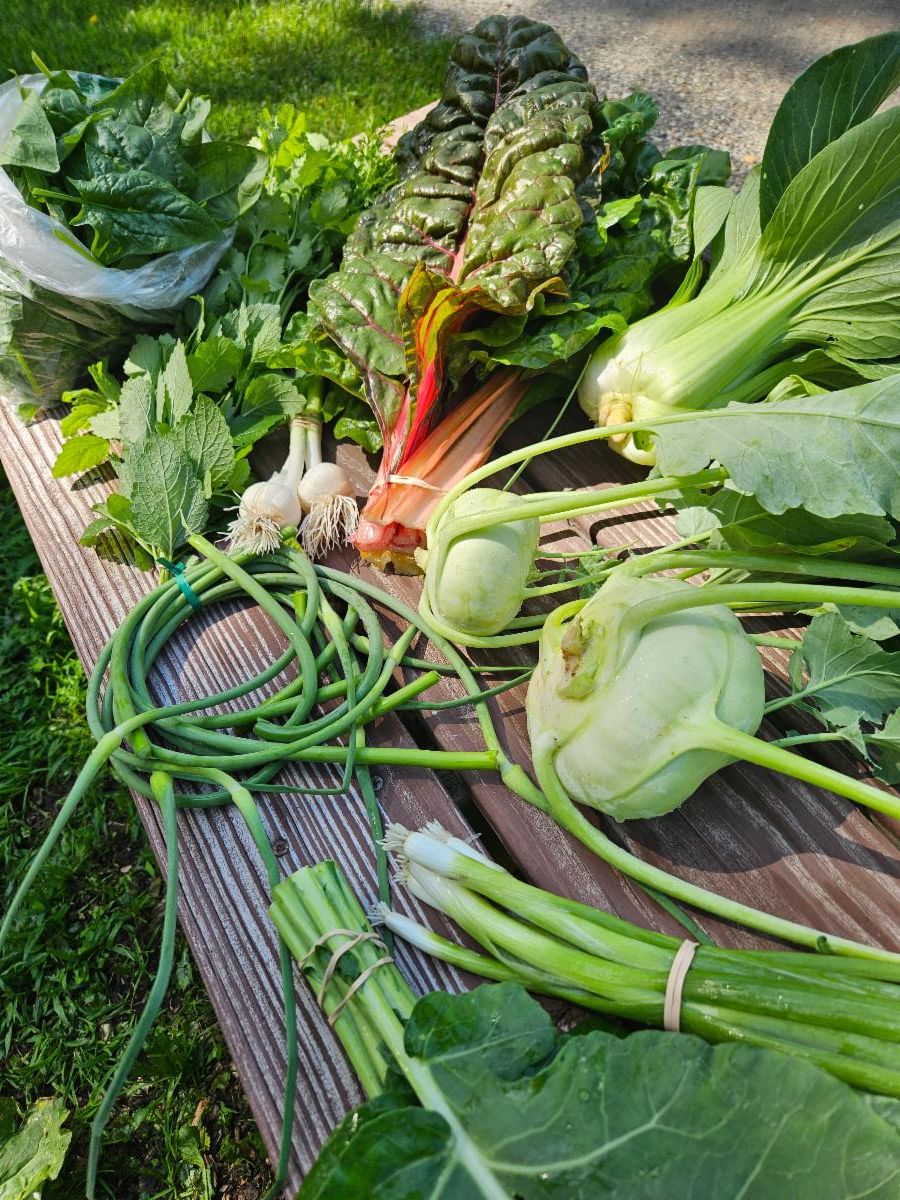
Share 3 included the last of the green garlic and the first of the kohlrabi! Plus members also enjoyed the first of the broccoli and summer squashes.

Weekly Reminders:


  • Please return your waxed cardboard boxes each week for our learners to gently clean for reuse all season. Delivery members, please put your flattened box out on Thursdays wherever your shares are usually dropped off. Thank you!


  • Our Marketplace is open during weekdays 9 am to 3 pm AND during CSA pick-up hours on Tuesdays and Saturdays. Grab your fresh chicken and duck eggs, baked goodies of all kinds, microgreens, and extra field produce from the yellow fridge inside our big greenhouse!

CROP OF THE WEEK: RADICCHIO

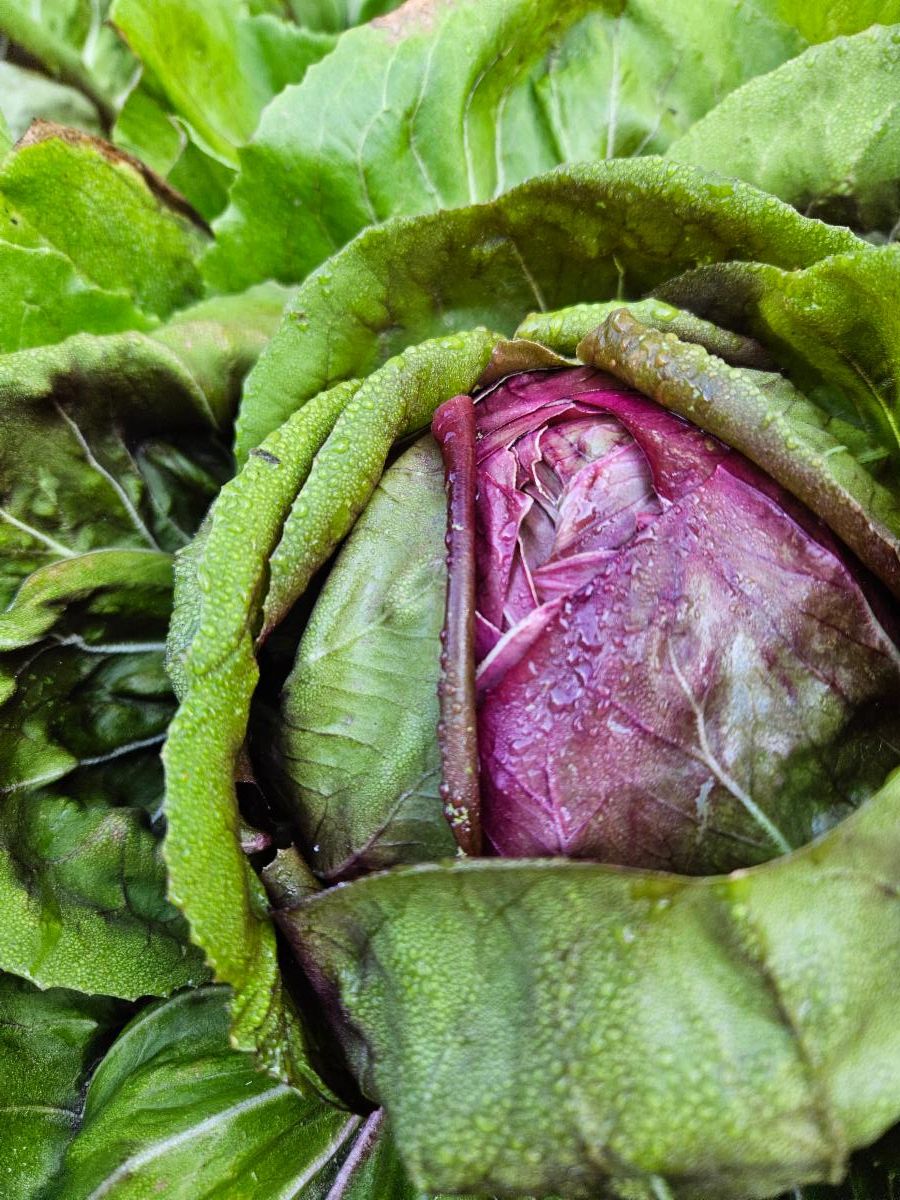
Radicchio has been domesticated into many prized varieties in its native region in Italy for centuries, venturing far from its roots as a humble roadside weed called chicory. Its dark red and white leaves are prized for bringing color and a more balanced flavor to sweeter salads, pastas, and other dishes.


The signature red color comes from anthocyanins which are excellent antioxidants with anti-cancer and anti-inflammatory properties. This veggie is also packed with vitamin K, C, folate, and minerals like copper and manganese. Its bitterness is also helpful for stimulating and regulating digestion.


Radicchio has been a somewhat elusive crop for us mainly due to deer pressure in past seasons. Despite the well-known bitterness of this vegetable, deer seemed to enjoy crunching each of the full heads as soon as they were just about ready for us to harvest.


We are beyond thrilled to finally have enough radicchio to give to every CSA member!

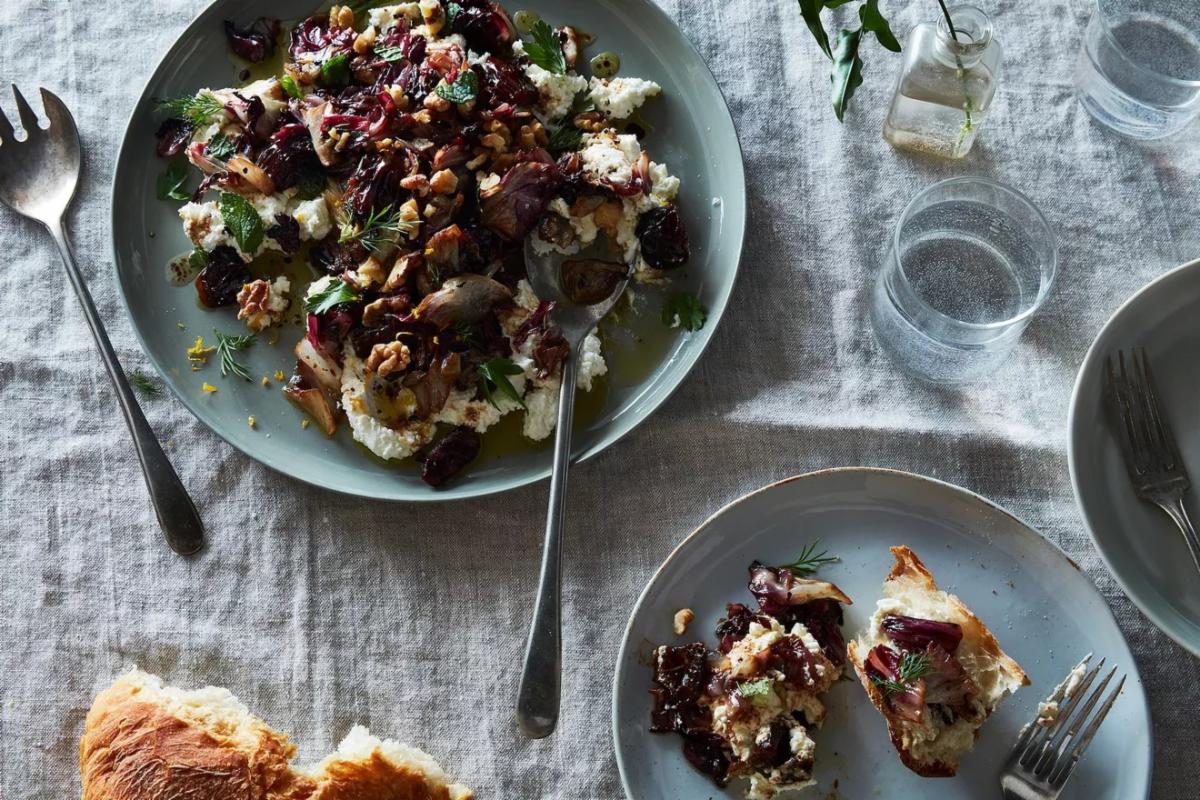
Bittersweet Radicchio with Ricotta & Dates


2 tablespoons balsamic vinegar

5 garlic cloves, smashed

1 teaspoon fresh lemon juice, plus lemon zest from 1/2 lemon, divided

1/2 cup plus 2 tablespoons extra-virgin olive oil, divided, plus more for drizzling

1 teaspoon salt and pepper, plus more to taste

1 pound radicchio, cored and coarsely chopped

8 large, squishy dates, pitted and quartered

3/4 pound fresh ricotta

1/2 cup mint, dill, and parsley, for garnish

1/2 cup chopped, toasted walnuts, for garnish


food52.com

  1. Preheat the broiler. In a large bowl, whisk together the vinegar, garlic, lemon juice, 1/2 cup oil, and 1/2 teaspoon each of salt and pepper.
  2. Put radicchio and dates in a baking dish (I use a 9- by 13-inch or an 8- by 8) and toss with remaining 2 tablespoons oil. Be sure to bury the dates a bit—you don't want them to burn under the heat of the broiler.
  3. Broil the radicchio 5 to 6 inches from the heat source, turning occasionally, 6 to 8 minutes (you're looking to char and brown the leaves). Monitor closely so the radicchio doesn't burn.
  4. Add the hot radicchio and dates to the bowl of the dressing and toss gently to coat. Cover the bowl and marinate, tossing occasionally, for at least an hour. Then remove the garlic cloves.
  5. Spread or dollop the ricotta over a serving platter. Season with lemon zest, salt, and pepper. Spoon the radicchio and its marinade over top. Sprinkle with torn mint, dill, and parsley; top with chopped toasted walnuts. Sprinkle with more lemon zest, salt, and pepper. Serve with bread!

TIPS & TRICKS: PARSLEY

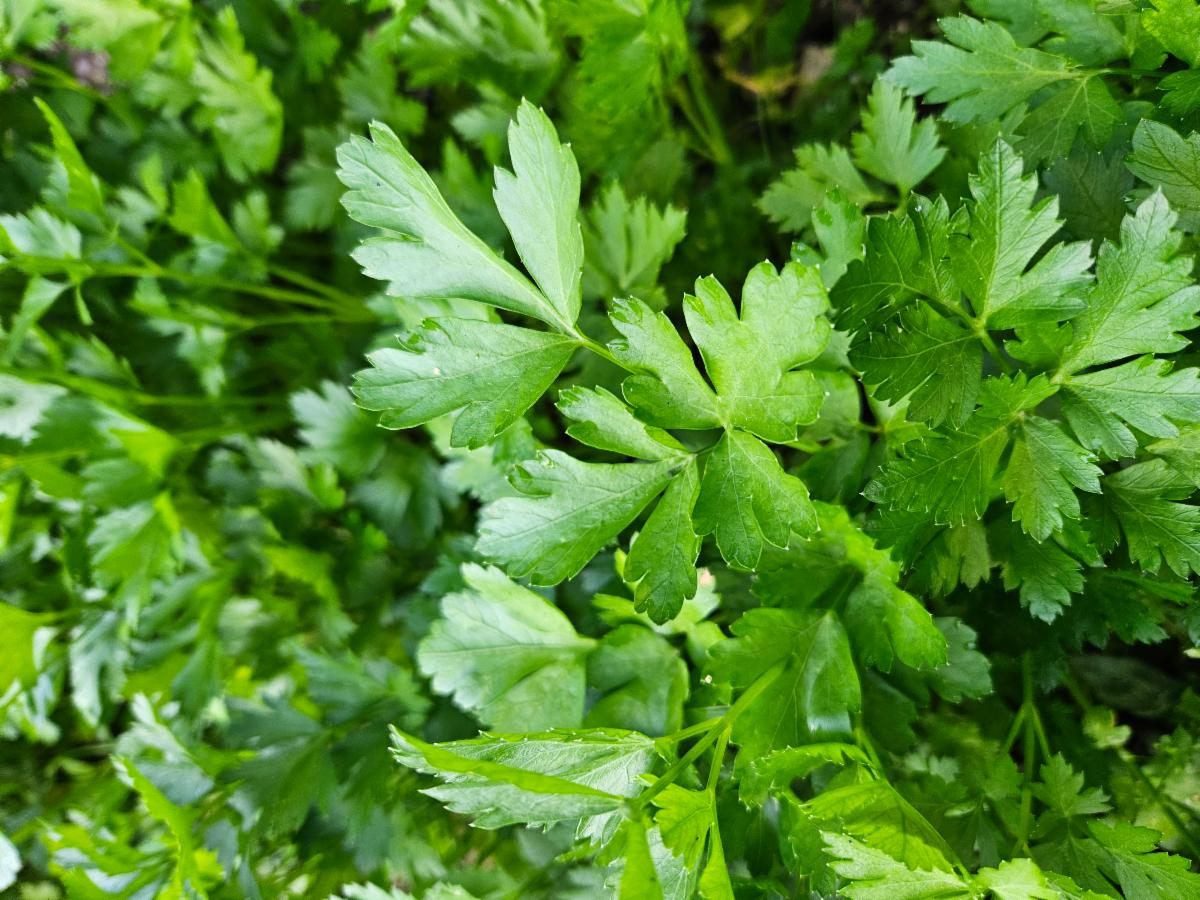
Parsley is one of many Carrot family herbs we grow. It is fairly low maintenance and doesn't bolt as easily as its cousin, cilantro. The best way to store parsley and most broadleaf herbs is either in a moist airtight container in fridge or in a glass of water with a small plastic bag over the top in the fridge.


We grow parsley with our kale plants to keep pests away and to keep mycorrhizal connections healthy in our soil. Brassicas like kale may not form or feed these fungal ecosystems that we need to keep alive for our other crops to thrive in the same soil.


Facebook  X  Instagram