DR EPIC Newsletter
For Arizona SNFs: Emergency Preparedness Infection Control
|
|
INDUSTRIAL HYGIENE FACT SHEETS |
|
Preventing Water Intrusion
Think fast! Reacting quickly to water intrusion can prevent the need for expensive remediation. Water intrusion is classified in categories 1-3, increasing in severity. Rapid response to a fresh water leak (Category 1) can prevent the development of microbial or chemical contamination (Category 2 and 3), which requires professional remediation, sanitation, and removal of impacted materials.
|
|
Learn More about Managing Mold
Facing challenges with managing mold? Molds are microscopic fungi that can release millions of spores when disturbed. Mold develops when it has access to water and food. Mold prevention primarily comes from moisture management. Regular maintenance and inspection of plumbing and other water sources are keys to the prevention or early identification of water incursions, such as leaks, that can lead to mold growth.
|
|
Join the Infection Preventionist Monthly Call
Our first IP DR EPIC call was held on March 25, 2021, and we received very positive feedback. We would like to thank those who joined us and encourage everyone to attend our next call. The IP calls/zoom meetings are one hour long, held on the fourth Thursday of each month at 1 pm. These calls are hosted by Dr. Buffy Lloyd-Krejci, DR EPIC consultant. The next call is scheduled for Thursday, April 22 at 1 pm. The week before the call you will be sent an email asking for topics for discussion. This information will be used to assist us in developing an agenda for the call. These calls are also the time to have all of your infection prevention and control questions answered and to collaborate with your Arizona peers. If you are interested in participating, please send us updated contact information for your DONs and Infection Preventionists. Please take a moment and click on this link to provide us with that information. Once we have your contact info, you will be emailed directly with the zoom link. Mark your calendars!
|
|
DR EPIC Video Resource Library
The DR EPIC team has developed a video resource library with videos on various infection control and prevention topics. these videos are short informational resources to help guide you with your infection control programs. If you have any questions, please contact us at EPIC@azhca.org.
|
|
Registration is Open for AzCHER's
First Virtual Conference
|
AzCHER’s premiere conference is April 15, and 16, 2021. The two-day event (9 a.m. to 12 p.m. each day) features a packed agenda with keynote speakers addressing the recent Estes Park, Colorado wildfire and the 2017 mass shooting in Las Vegas. Eight break-out sessions will also be offered. There is no cost to register. |
|
DR EPIC Industrial Hygiene Audits Moving Forward
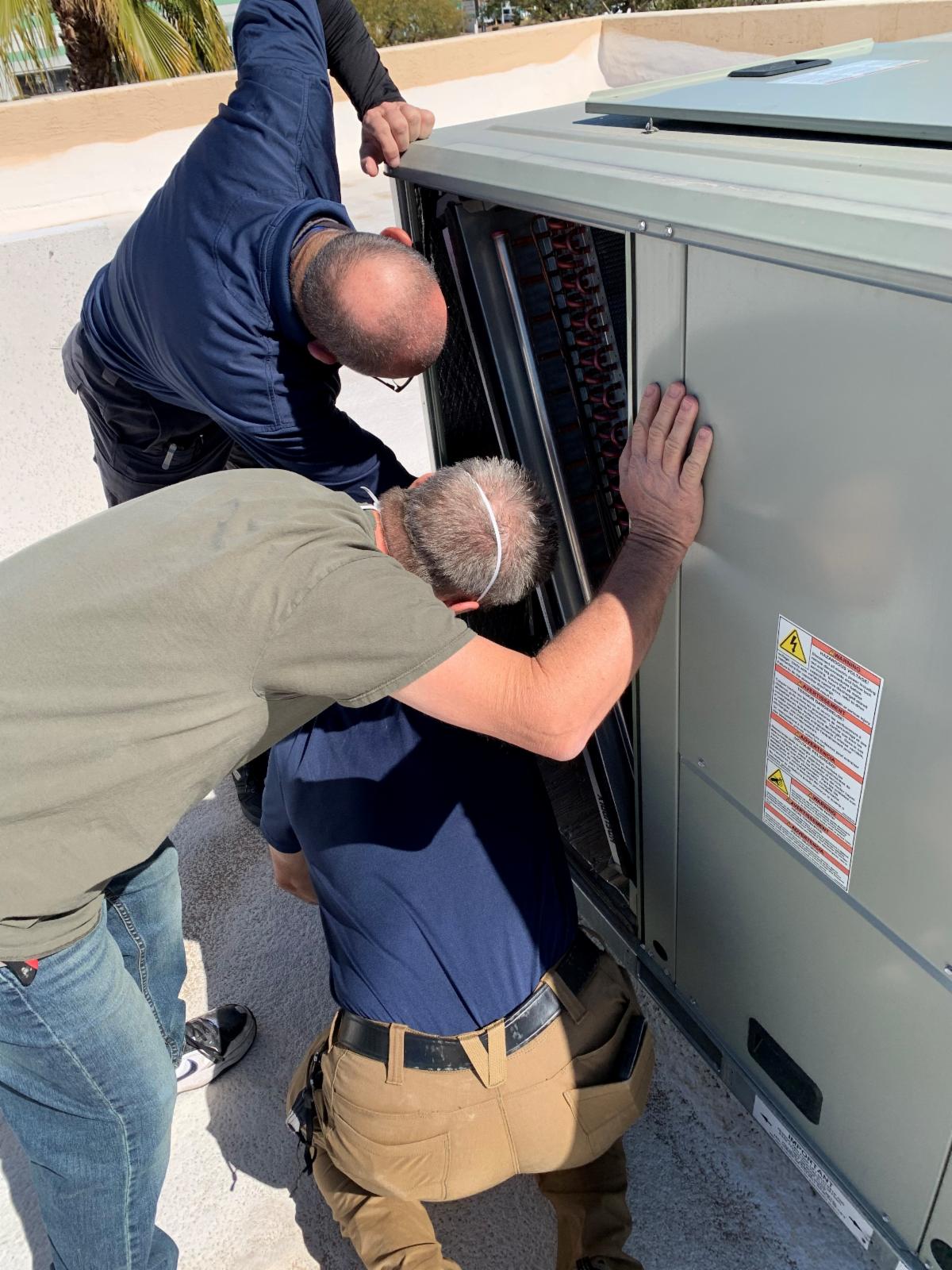
The Disaster Ready Emergency Preparedness and Infection Control (EPIC) grant is funding 10 complementary industrial hygiene audits for SNFs state wide. These audits are being conducted by EPIC Consultant Derrick A. Dennis and his firm Clark Seif Clark, Inc. The on-site audits address housekeeping, water and waste management and other components of facility sanitation. The audit team is focused on identifying what is working and how they can assist. There are no citations or reports, only helpful technical assistance is provided. The confidential data gleaned from the audits will be used for future educational programming. Many thanks to the facilities who have volunteered and to the facilities that have already been audited including Life Care of Paradise Valley, Phoenix Mountain Post-Acute, Surprise Health and Rehab Center, Freedom Plaza Care Center, Villa Maria Care Center, Haven of Tucson, Foothills Rehabilitation Center and Devon Gables. This support of the DR EPIC grant is truly appreciated!
|
|
CDC Infection Control Assessment and Response Tool Update
The CDC has provided an update to the Infection Control Assessment and Response (ICAR) tool. This tool is used to systematically assess a health care facility’s infection prevention and control (IPC) practices and guide quality improvement activities (e.g., by addressing identified gaps). This updated ICAR tool is a longer but more comprehensive assessment of ICP practices within nursing homes; facilities can review the pool of questions to determine which areas best fit their needs.
|
|
Beware of Fake
Vaccination Certificates
|
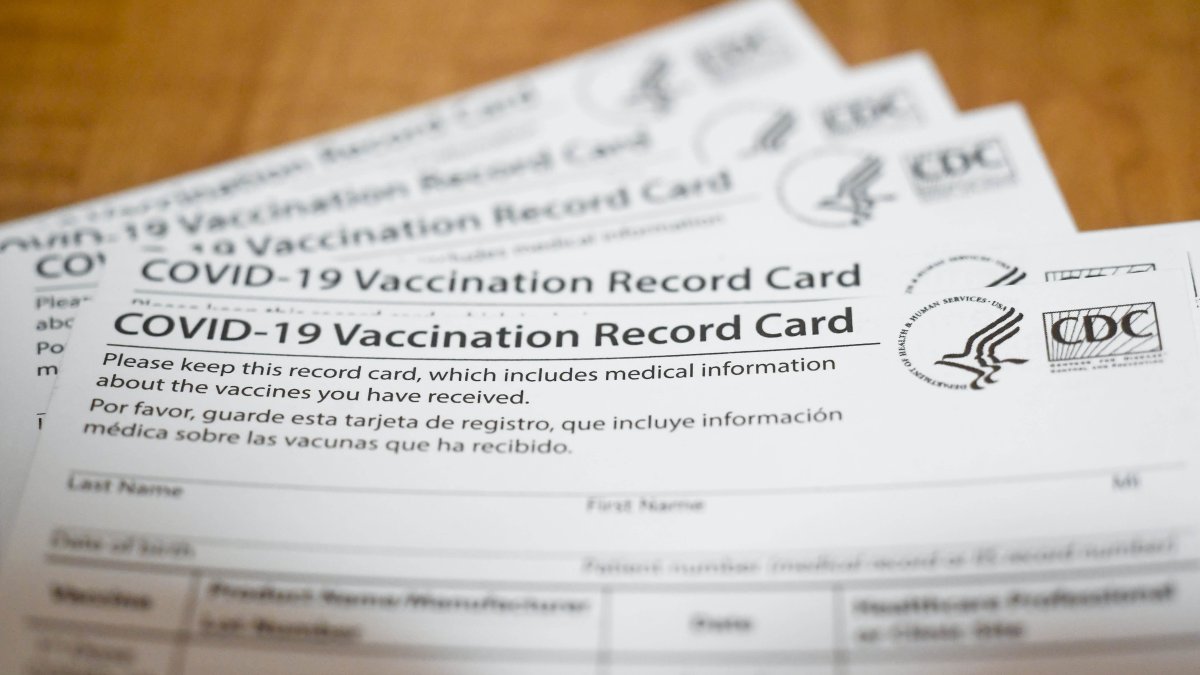
It is important to keep in mind that there are now counterfeit vaccination certificates for sale on the dark web. The purpose of the phony documentation is for buyers to allegedly use it to prove to health care employers, airline employees, cruise line personnel, government officials and other interested parties that a vaccine has been administered while, in fact, it hasn't. So beware! |
|
Preventing Legionnaires' Disease: A Free Training on Legionella Water Management Programs |
Are you involved in water safety for buildings? Take this training from CDC and partners on creating a water management program to reduce the risk for Legionnaires’ disease. PreventLD Training aligns with industry standards (ASHRAE 188) on managing risk for Legionella bacteria. |
|
CMS Updates EP Requirements / New Interpretive Guidelines Issued
CMS issued QSO-20-15-ALL (March 26) with the new interpretive guidelines and updates to Appendix Z of the State Operations Manual, (SOM). The majority of changes do not significantly impact the requirements for skilled nursing facilities but does put additional focus on planning and preparing for Emerging Infectious Disease (EID) outbreaks. The reduction in the frequency of certain required activities generally does not impact SNFs as CMS continues to require an annual review of the facility's Emergency Plan, as well as annual staff training while other provider types have a bi-annual requirement for these activities. Other areas include:
- Burden Reduction Final Rule Interpretive Guidelines, which result from revisions of the Medicare and Medicaid Programs;
-
Regulatory Provisions to Promote Program Efficiency, Transparency, and Burden Reduction (CoPs) (CMS 3346-F) Final Rule.
AHCA/NCAL has also provided a high-level summary.
Lastly, CMS is also providing additional guidance based on best practices, lessons learned and general recommendations for planning and preparedness for Emerging Infectious Diseases (EIDs) outbreaks. The Fact Sheet for this update is available here. Contact Stan Szpytek, Disaster Ready Consultant with any questions.
|
|
Infection Control Resource Available for Assisted Living
In case you have assisted living on your campus... AHCA/NCAL has created a new resource.
AHCA/NCAL’s Infection Control Certificate Program is ideal for all assisted living staff and features five eLearning modules focused on infection control. The program is offered in conjunction with Healthcare Academy® and incorporates a digital competency platform designed by industry experts using evidence-based practices to allow for documentation of live skills demonstration.
|
|
Changing Gloves
Research has demonstrated that failing to change gloves is a common practice for Certified Nursing Assistants (CNAs). An article in the American Journal of Infection Control describes that while CNAs wore gloves 80% for touch points, they failed to change their gloves 66% at various change points. Furthermore, more than 44% of the gloved touch points were observed as contaminated, with all contaminated touches being with gloved hands.
One strategy to ensure that gloves are appropriately being used and changed is by ensuring there is sufficient access to them such as in resident care areas and near the entrance to resident rooms. Finally, it is an OSHA requirement that gloves are changed when contaminated when torn or punctured. Changing gloves between resident contacts is critical to eliminate resident-to-resident transmission of disease.
References:
|
|
Check out our DR EPIC Helpline!
To submit questions, email the DR EPIC online Help Center at EPIC@azhca.org. You can also call the DR EPIC phone Helpline at 602-241-4644 and we will assist you.
Don’t forget to utilize our DR EPIC website for valuable infection prevention resources! Go to: EPIC.DisasterReadyaz.org to explore these tools.
|
|
Questions? Contact EPIC@azhca.org |This program is funded by ADHS HPP
The Disaster Ready Emergency Preparedness Infection Control (DR EPIC) program provides education and technical assistance for skilled nursing providers throughout the state. Individual providers will need to exercise their independent discretion in how to apply this information and technical assistance to the unique operation of each facility. For that reason, a facility’s of its professional judgment and due diligence in utilizing the program for infection control and risk management practices is solely within the facility’s control for which it is entirely responsible.
Copyright 2021.
|
|
|
|
|
|
|