Wednesday, January 18, 2023 |
|
EPIC Newsletter
Emergency Preparedness Infection Control for Arizona's SNFs
|
|
Infection Preventionist Call
The EPIC Infection Preventionist call is scheduled for Thursday, January 26th at 1:00 pm.
Please email Kay Huff with any questions or to receive the zoom link for the monthly calls.
|
|
|
Reporting Requirement is a
Frequently Cited Deficiency
The CMS requirement F884 Reporting: NHSN is the most frequently cited deficiency in Arizona and nation.
F884 requires facilities to submit their COVID-19 specific data at least once a week to NHSN. Information about NHSN reporting can be found at COVID-19 Module | LTCF | NHSN | CDC.
To help ensure compliance with F884 facilities should have at least three staff members registered/able to enter data in NHSN and knowledgeable of when data is to be sent.
Facilities should also attend the HSAG NHSN Office Hours every Tuesday from 12:30 – 1 p.m. to ensure they have the most up to date information about the required reporting and to ask any question they have. Facilities can register at NHSN Meeting Registration - Zoom.
|
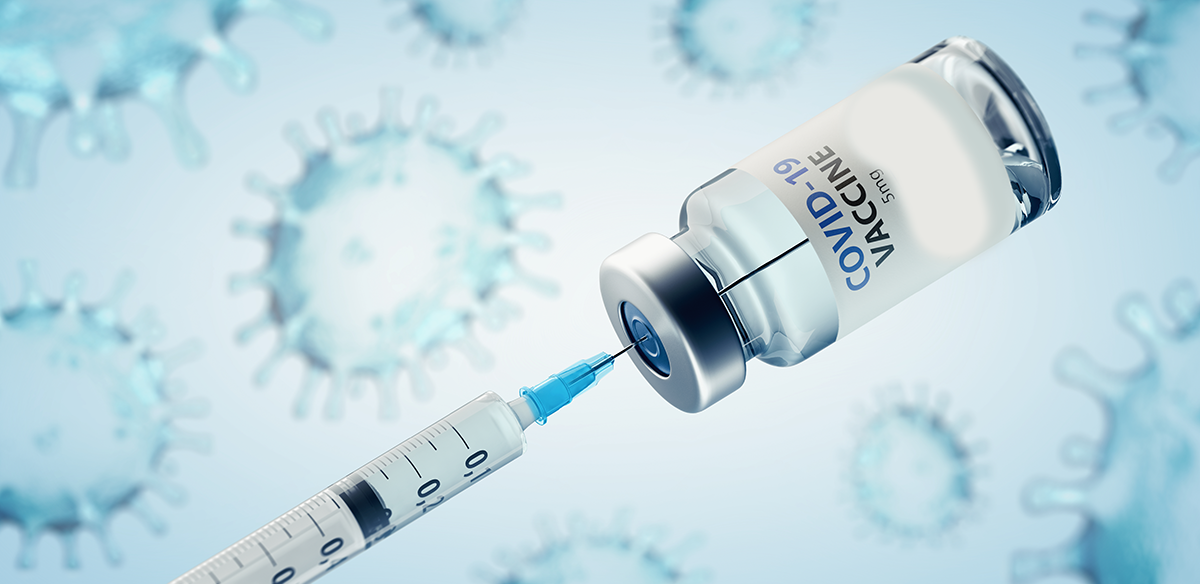
CDC Approves Single Dose COVID-19 Vaccinations
CDC announced it is making it easier for LTC facilities to administer the COVID-19 vaccine to staff and residents. They are now allowing LTC pharmacies to transfer COVID-19 vaccine/boosters to LTC facilities in single dose vials to directly vaccinate residents and staff by waiving some of the reporting requirements LTC pharmacies had to follow.
This move comes after strong advocacy by AHCA NCAL. To receive single dose files from the LTC pharmacy, you will need to sign the CDC COVID-19 Sub-Provider Vaccine Agreement for LTCF located on the CDC website. Most of the requirements outlined in this agreement are steps you already follow for other vaccines such as influenza.
|
SNF Funding Available for Environmental Changes to Reduce Transmission of COVID-19
|
|
Protect
Residents with the Bivalent Booster
According to the CDC information at Older Adults Risks and Vaccine Information | CDC older adults are more likely to get very sick from COVID-19 and their risks of severe illness increases with age. One of the best ways to protect our residents is to ensure they get vaccinated and receive the bivalent booster when eligible. Two programs that can assist LTC facilities with getting their residents vaccinated are:
-
The ADHS LTCF Booster Vaccine Program - a collaboration with AHCA and HSAG to help staff and residents residing in nursing homes and assisted living facilities stay up to date with their COVID-19 vaccinations. Information about this program can be found at Long-Term Care - LTCF Booster Flyer.
|
Influenza Vaccination Data Reporting
CDC has provided additional guidance and clarification regarding the December 2022 NHSN Influenza Vaccination Data Reporting through NHSN.
They are aware that there is some confusion regarding LTC reporting of influenza vaccination data through NHSN. Below are a few clarifying points.
1. Please note that facilities that are required to report annual health care personnel influenza vaccination data into NHSN must do so using the Healthcare Personnel Safety (HPS) Component. Reporting weekly influenza vaccination data through the NHSN LTC Facility Component does not fulfill this reporting requirement.
- CDC is not collecting weekly influenza vaccination data for LTC residents and health care personnel covering the 2022-2023 influenza season.
-
Please ignore tabs for reporting weekly influenza vaccination data for residents and health care personnel in the LTC Facility Component. The tabs are scheduled to be removed in January 2023 to avoid further confusion.
2. The deadline to report the annual health care personnel influenza vaccination summary data through the NHSN HPS Component is May 15, 2023.
3. CDC training materials can be accessed here.
4. The data reporting protocol can be accessed here.
|
|
ADHS Plans of Correction -
What to Remember
CMS requires a Plan of Correction (POC) for all deficiencies not cited at a scope and severity level A or at past noncompliance. The POC serves as the facility’s allegation of compliance and is basis on which the State/CMS verifies compliance.
A facility’s POC must be submitted within 10 calendar days from the date the facility receives its CMS-2567. An acceptable plan of correction must:
- Address how corrective action will be accomplished for those residents found to have been affected by the deficient practice.
- Address how the facility will identify other residents having the potential to be affected by the same deficient practice.
- Address what measures will be put into place or systemic changes made to ensure that the deficient practice will not recur.
- Indicate how the facility plans to monitor its performance to make sure that solutions are sustained.
- Include dates when corrective action will be completed. The corrective action completion dates must be acceptable to the State.
If the plan of correction is unacceptable for any reason, the State will notify the facility in writing. If the plan of correction is acceptable, the State will notify the facility.
CMS also says that “Facilities should be cautioned that they are ultimately accountable for their own compliance, and that responsibility is not alleviated in cases where notification about the acceptability of their plan of correction is not made timely.”
The complete requirement for an acceptable plan of correction can be found in Chapter 7 of the SOM. Please contact AHCA’s Kay Huff with further questions.
|
|
Proper Life Safety Documentation Needed for Survey Success
As any facility maintenance supervisor or environmental services director knows, Life Safety Code (LSC) compliance does not happen by accident. In addition to inspecting the physical environment including the means of egress, hazardous areas, resident rooms and every nook and cranny in a LTC facility, the LSC survey process also includes comprehensive review of all inspection, testing and maintenance (ITM) records.
To help ensure compliance and survey success, all required ITM documentation should be organized in a logical manner in tabbed binders or a similar filing system that provides easy access to information. Items like the emergency generator, fire sprinkler system, fire alarm system, fire drills, electrical outlets, fire door inspections, kitchen hood fire suppression system and all of the other Life Safety elements that require ITM should be included in your documentation filing system.
Contact Stan Szpytek, AHCA's Life Safety / Disaster Ready consultant with your questions regarding LSC compliance at Stan@azhca.org or call him directly at (708) 707-6363.
|
|
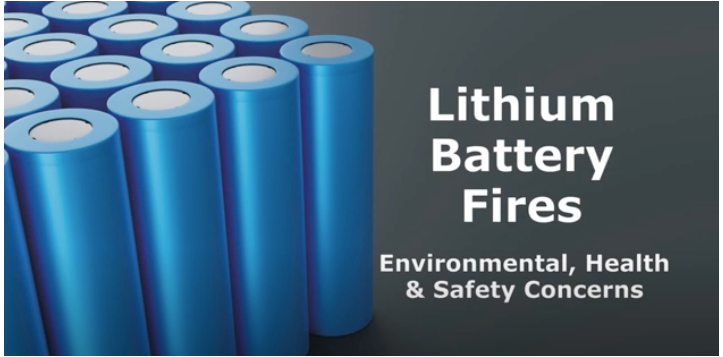
Beware of Lithium Battery Fires
As power sources for electronic equipment, appliances and devices used in a LTC facility become more sophisticated and battery technology advances, the threat of a lithium battery fire is always a possibility. Equipment used by the environmental services department and clinical teams for sanitation and infection control purposes as well as the delivery of medical therapies often utilizes tools and equipment that require the use of lithium batteries. Portable radios, housekeeping equipment, maintenance devices, motorized chairs and scooters, medical devices and other equipment in a health care facility or senior living community regularly utilize lithium ion batteries.
It is essential for facility operators to be aware of the risks associated with these types of power sources and associated charging protocols. Educate your team about the risks associated with lithium battery fires by watching the short, informative video below developed by Disaster Ready EPIC partner Clark, Seif, Clark, Inc.
|
|
Frequently Asked Question…
Q: Are communal activities and dining allowed during a COVID-19 outbreak?
“While adhering to the core principles of COVID-19 infection prevention, communal activities and dining may occur. Book clubs, crafts, movies, exercise, and bingo are all activities that can be facilitated with alterations to adhere to the guidelines for preventing transmission. The safest approach is for everyone, particularly those at high risk for severe illness, to wear a face covering 8 or mask while in communal areas of the facility.”
|
|
Check out our DR EPIC Helpline!
To submit questions, email the DR EPIC online helpline at EPIC@azhca.org. You can also call the DR EPIC phone Helpline at 602-241-4644 and we will assist you. or valuable infection prevention resources! Go to: EPIC.DisasterReadyaz.org to explore these tools.
|
|
Questions? Contact EPIC@azhca.org |This program is funded by ADHS
The Disaster Ready Emergency Preparedness Infection Control (DR EPIC) program provides education and technical assistance for skilled nursing providers throughout the state. Individual providers will need to exercise their independent discretion in how to apply this information and technical assistance to the unique operation of each facility. For that reason, a facility’s of its professional judgment and due diligence in utilizing the program for infection control and risk management practices is solely within the facility’s control for which it is entirely responsible.
Copyright 2022.
|
|
|
|
|
|
|