SW-Header.png
 

November/December 2023


It’s the beginning of November, which seems to have become the official start of the holiday season. In spite of Hallmark movies, delicious food and twinkling lights, these couple of months can be particularly stressful for some. In this issue of our newsletter, we are highlighting the impact of homelessness and hunger on students and families. Read on to be inspired by creative examples of how districts can support those who are struggling with homelessness. Upon the return to school in January, PBIS teams will want to reboot and refresh their implementation. In this month’s PBIS/MTSS article, we have gathered some ideas for how to re-engage your team, your students and staff. 


Happy Holidays to all!

The ESC of Northeast Ohio Student Wellness Department 


Hunger and Homelessness Awareness Week

The holidays, for many, symbolize celebration and gratitude for the many gifts we receive. These celebrations often come with an abundance of food and special meals to share with family and friends. However, for children and families affected by homelessness and food insecurity, extended breaks from schools can be more difficult or financially burdensome.  


November 11-18, 2023 is Hunger and Homelessness Awareness Week. This week originated in 1975 and is sponsored by the National Coalition for the Homeless and the National Student Campaign Against Hunger and Homelessness. This is an annual program where people come together across the country to draw attention to the problems of hunger and homelessness. Participants spend the week hosting educational, service, fundraising, or advocacy events.


Here are some fast facts regarding homelessness and hunger and the impact on students. Additionally, listed are ways to spread awareness, educate and volunteer to combat these disparities within your community.


Fast Facts:

  • In the United States, 1 in 6 children live in poverty and 1 in 8 children are at risk for hunger.
  • Black and Latino children are more likely to face hunger than White children because of systemic racism.  
  • The number of homeless children and youth enrolled in school has more than doubled since the early 2000s.
  • Food-insecure young children are nearly twice as likely to be in fair or poor health when compared to food-secure young children, and significantly more likely to be hospitalized.
  • Children with food insecurity have a harder time getting along with others, are more likely to repeat a grade in school, and have lower test scores than food-secure children.


Awareness and Volunteer Opportunities:

  • Connect with your local Food Bank to identify how to best support their cause, either individually or as an organization. For example, the Greater Cleveland Food Bank’s website offers various ways to give.
  • As a school district, ensure easy and equitable access to applications for Free and Reduced Lunch and SNAP benefits.
  • Organize a movie night with homelessness/hunger-related feature films or documentaries. Request that attendees bring a non-perishable food item to donate. Have a local business or group donate popcorn and other refreshments.
  • Arrange a Community Service Day where students and staff can volunteer at different local organizations such as food pantries, homeless shelters, and soup kitchens.
  • Talk with local service providers to research what items are most needed in your community, then organize a drive to collect non-perishable goods. Examples may include food, hygiene products, clothing, blankets, books, and toys.

1 Hunger & homelessness. Hunger Homelessness Awareness Week. (n.d.). https://hhweek.org/hunger-and-homelessness/

2 Child hunger in America statistics & facts. No Kid Hungry. (n.d.). https://www.nokidhungry.org/who-we-are/hunger-facts

3 Children’s Healthwatch. (n.d.). (rep.). Too Hungry to Learn: Food Insecurity and School Readiness, Part I of II. Retrieved from https://www.childrenshealthwatch.org/wp-content/uploads/toohungrytolearn_report.pdf.

4 National Coalition for the Homeless and National Student Campaign against Hunger & Homelessness (2015). Resolve to Fight Poverty. Retrieved from https://nationalhomesless.org/wp-content/uploads/2015/09/HH-Week-Organzing-Manual-2015.pdf.


CLICK HERE for resources:

  • National Youth Homelessness Awareness Month
  • National Hunger and Homelessness Awareness Week
  • Veterans Day

CLICK HERE for resources:

  • Special Education Day
  • National Day of Persons with Disabilities
  • Human Rights Day

CLICK HERE for resources:

  • Local Resources
  • National Resources
 
SW-PBIS.png

January Reboot


When students return to school after extended time off, getting back into school routines can be challenging. This tends to be the case when students return after winter break. While revisiting PBIS expectations with students after students are away from school routines for any length of time may feel unnecessary, a PBIS Reboot or Refresher can help transition students when you return from a break. 


A PBIS Reboot for your PBIS team

 Your PBIS team drives PBIS implementation and efforts in a building. These individuals invest heavily in a PBIS program, so it is essential to check in on them to ensure they are not feeling overwhelmed or worn down and provide support. After you return for an extended break, review your data to re-energize and rebuild enthusiasm by focusing on positive gains in your PBIS program. 


A PBIS Reboot for your staff

 Returning from an extended break is not the time to ease up on PBIS. However, returning to the swing of things after a break can feel like a tough battle. Utilize the same data you share with your leadership team to highlight the positive aspects of your PBIS program. You can also revisit your PBIS action plan to refocus on areas of improvement. During this time, reevaluate your goals to encourage buy-in and participation with fidelity. How can we encourage and recognize staff for their implementation efforts?  


A PBIS Reboot for your students 

It can be challenging for students to reacclimate to school routines after an extended break. The first few school days can be difficult as students and staff readjust to routines and expectations. During the first few weeks of school, staff members should revisit the matrix and reteach behavior expectations as needed. Revisiting and reteaching should include modeling, application, and opportunities for feedback. Integrating a school-wide reboot or a special incentive may energize and refocus students on making positive choices to meet behavior expectations.


Here are a few suggestions for refreshing your PBIS come January

 1. Review expectations and classroom routines- Students often go for several weeks during winter break. Sometimes, it may feel like you have an entirely new group of students returning to your classroom! While at home, students may not have had a schedule or routine, so it is important to ease back into routine, as many may have forgotten how to function at school. We should not expect our students to do things like they did before winter break. Imagine they are a blank slate; we can reteach those expectations and routines. 


2. Refresh rewards and recognition systems- This could be the perfect time to change it up for better results for the second half of the school year! Not eliminating the acknowledgment system in place, but evaluating how you are using what you are using, what is working, what is not working, and how you can refresh your system. How can you make recognizing student positive behaviors more engaging and fun? We must recognize our students for their efforts to meet

expectations. 


3. Providing refresh information to families- We can all agree that family involvement is vital to student success. While we are providing our students a reboot at school, it may be helpful to again provide our families with information regarding a PBIS program. Like students, they may have forgotten about the information shared earlier in the year; as we all know, the holidays can be a crazy busy time! A few possible suggestions include sharing your PBIS matrix, information regarding building expectations, classroom routines, acknowledgment system, communication pathways, and volunteer opportunities. 

 
SW-District-Spotlight.png
 

Cleveland Metropolitan School District’s Project ACT: A Model for Serving Homeless Students and Families        


While homelessness takes a heavy toll on our nation’s children, the outlook on supporting this vulnerable population is not all bleak. The Cleveland Metropolitan School District launched a comprehensive program in the 1990s that, to this day, serves as a shining example of educational reform. Project ACT (Action for Children in Transition), founded by current director, Marsha Zashin, takes a holistic approach to providing instructional and support services to ensure students’ ongoing participation in the educational system. 


According to Angeline Sulak, Project ACT Crisis Manager, the roughly 1400 clients include families living in shelters, those who are residing with extended family members, and unaccompanied youth (students who are residing with anyone who is not considered their legal guardian.) Students are supported academically and socially by 13 Life Skills Coaches who work full time in high need buildings. While there is a great deal of need, community partnerships assist in making the work manageable. The Department of Children and Family Services, the Office of Homeless Services, the IDEA Center at Playhouse Square, Instacart and the Cleveland Food Bank are just a few of the local connections that support the work of Project ACT. In addition, Sulak regularly provides presentations at other local organizations in order to spread the word about their mission and garner support. Posters and flyers can be found throughout the city at locations such as recreation centers and libraries. According to Sulak, their consistent message is that “homeless families have rights” and she communicates frequently with building administration in order to educate them around these rights, which are guaranteed under the McKinney-Vento Act, the Federal law that protects students and families experiencing homelessness.


Services provided by Project ACT are far-reaching. They include counseling through the behavioral health agency Beech Brook, assistance to unaccompanied youth (age 18+) to obtain medical coverage, food stamps and social security, and weekly food bags at some district schools. High school seniors receive especially intensive support to ensure they make it to graduation. While McKinney-Vento funding focuses on academic achievement, Sulak emphasizes that “you can’t focus on academics without providing social-emotional support.” As a licensed independent social worker she also is able to provide therapy to students as needed.


Since its inception, Project ACT has demonstrated impressive results and the commitment to excellence and inclusivity will remain at its core as the program continues to evolve. Its impact extends beyond Cleveland, as it serves as a testament to what can be achieved when a community comes together to transform education.

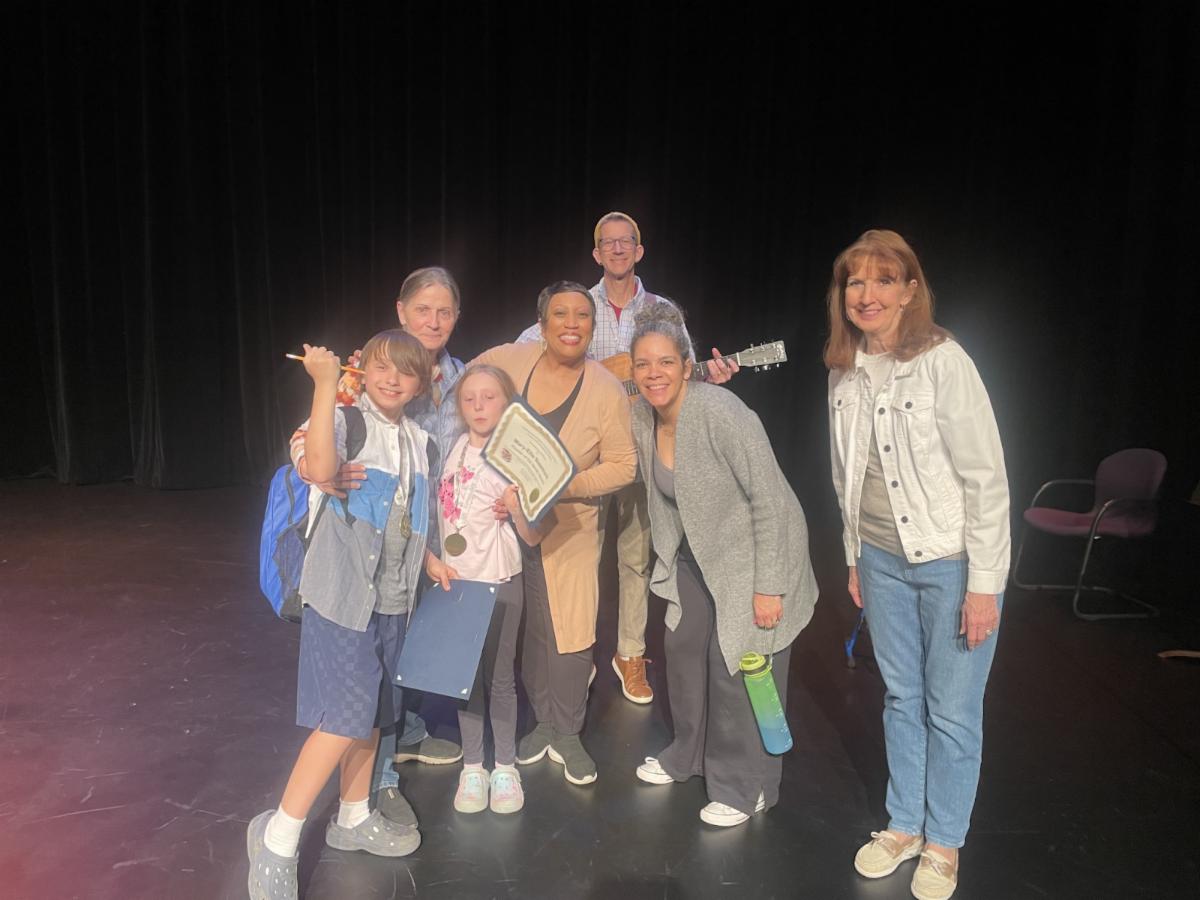
Pictured Above: Students participating in The Reading Company at the Idea Center at Playhouse Square. They are nominated by their Life Skills Coach to participate.

 
SW-Upcoming-Trainings-V3.png

ESC of Northeast Ohio and Partner Events


Strategies & Considerations: Responding to Challenging Behaviors

November 6, 2023

9:00 a.m. - 3:30 p.m.


Call to Action: Strengthening Schools and Cross-System Partnerships to Address Crisis

November 10, 2023

8:30 a.m. - 3:30 p.m.


CSTAG: Comprehensive School Threat Assessment Guidelines

November 13, 2023

8:30 a.m. - 4:30 p.m.


CSTAG: Level 3 Training

November 27, 2023

11:30 a.m. - 3:30 p.m.


CSTAG: Comprehensive School Threat Assessment Guidelines

December 11, 2023

8:30 a.m. - 4:30 p.m.


PBIS Tier II Interventions

December 7, 2023

9:00 a.m. - 3:30 p.m.


The Family Engagement Academy - Hybrid

January 22, 2024

9:00 a.m. - 11:00 a.m.


Student Wellness On-Demand Webinars


School Counselor & Social Worker Network

 
Facebook  Twitter