|
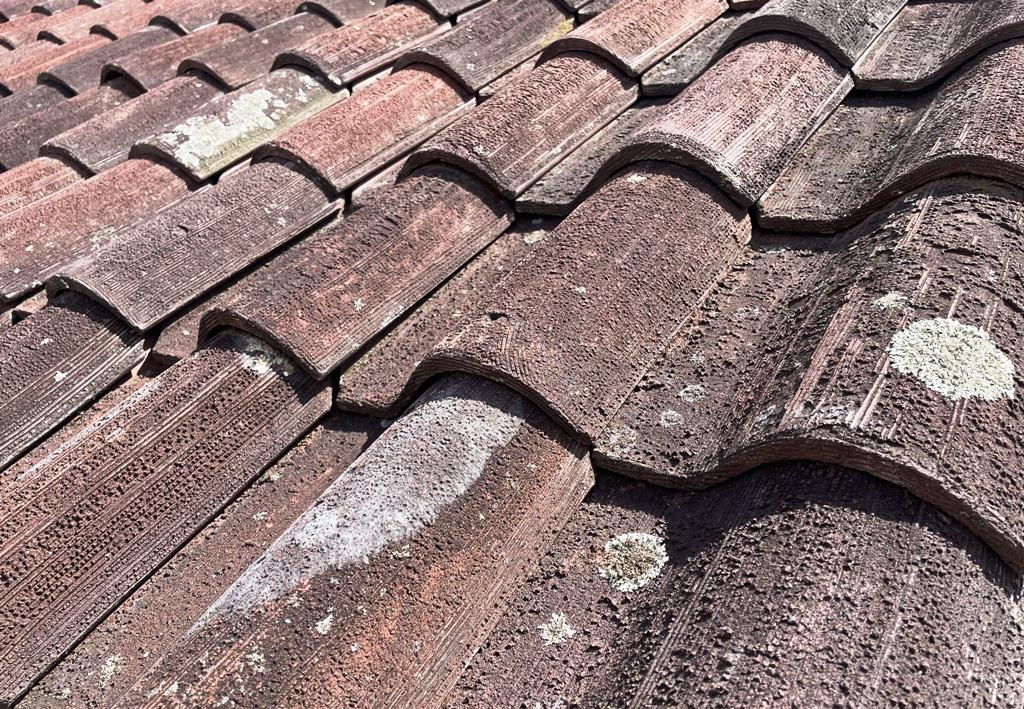
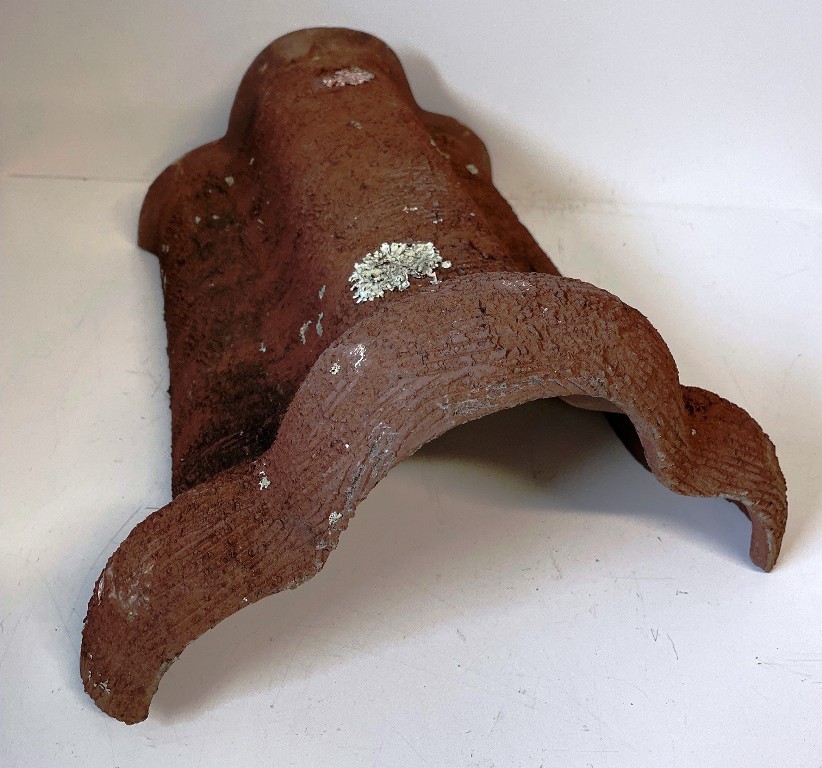
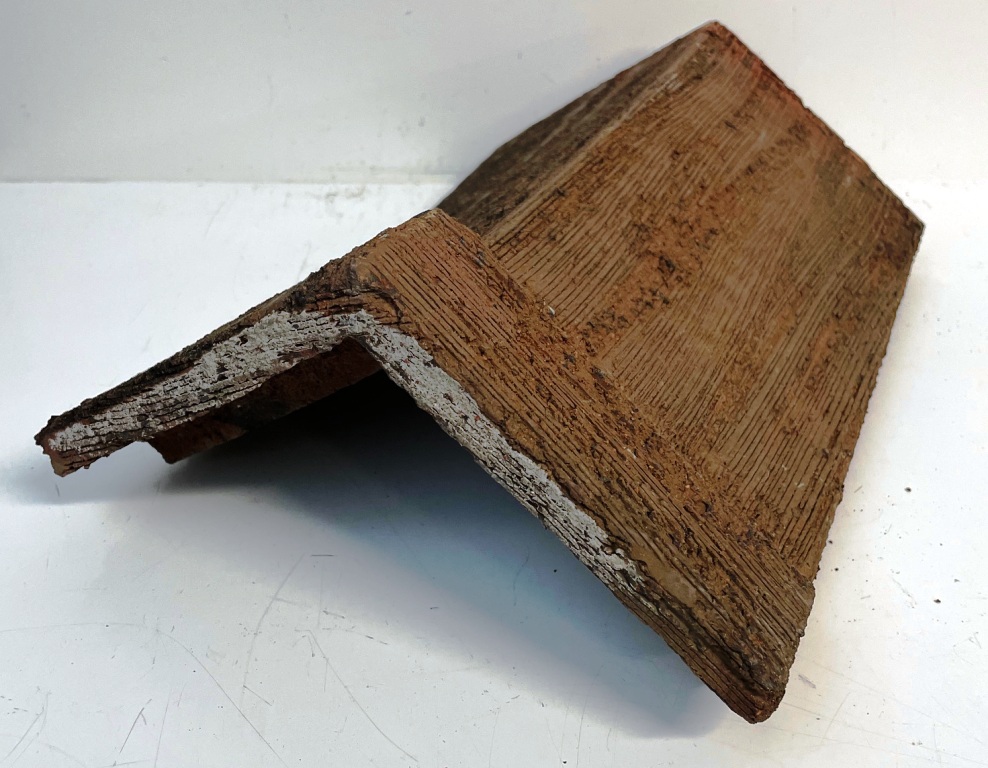
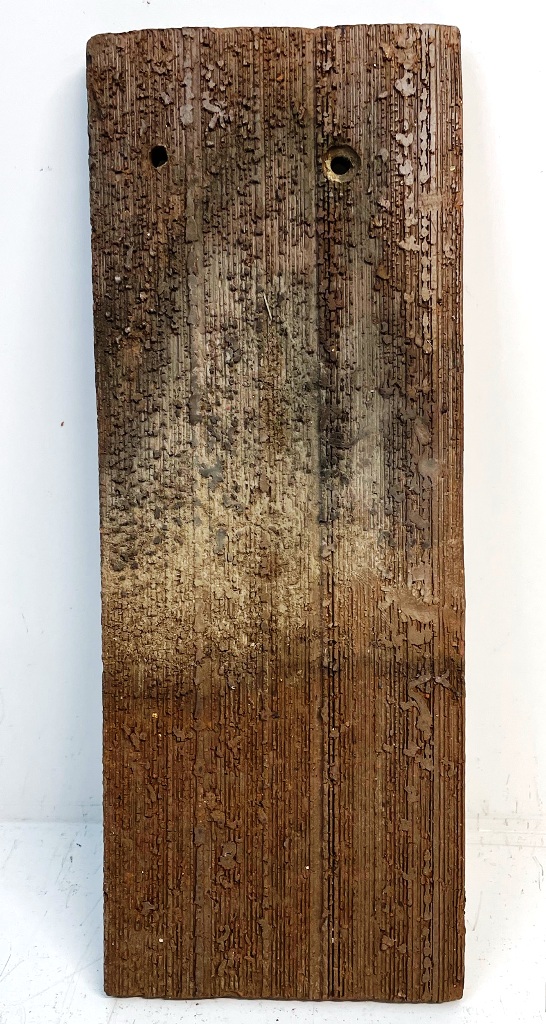
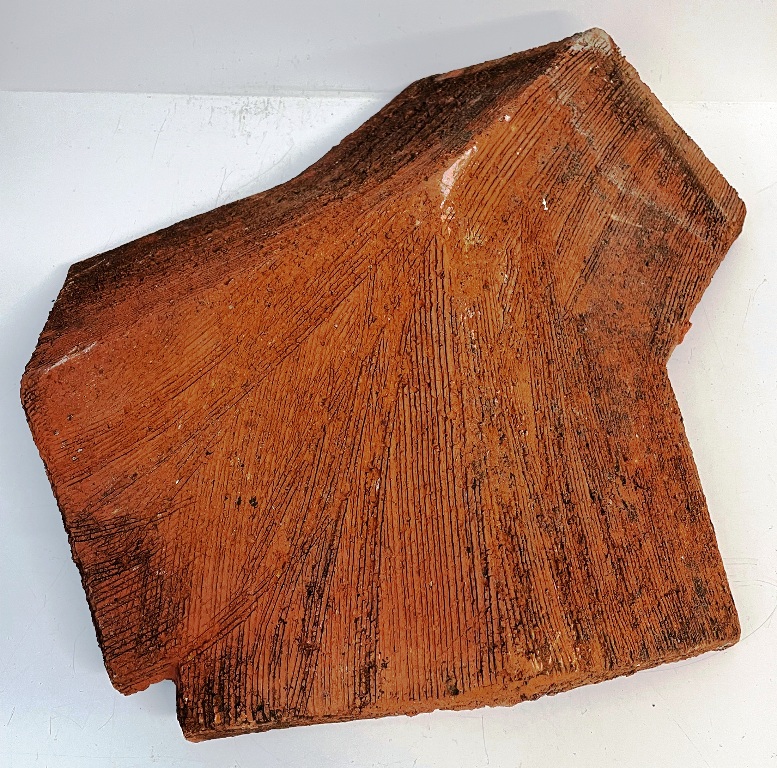
Over the past several months, we’ve been reclaiming and processing a unique group of early Ludowici 13-1/4” Spanish tile from a salvage project in New York.
At first glance, Spanish tile is common within the historic roofing industry. However, this group is anything but ordinary.
This tile was produced during an era when clay roofing tile was still heavily dependent upon old-world manufacturing methods — long before modern computerized tunnel kilns and highly controlled production systems became the industry standard.
The Difference Between Early Production and Modern Tile
Many early Ludowici tiles were produced using coal-fired beehive-style kilns and periodic firing methods. Unlike today’s modern kilns, these older systems created natural temperature fluctuations, uneven oxygen levels, and variable flame patterns throughout the firing process.
The result?
The kiln itself essentially “painted” the tile.
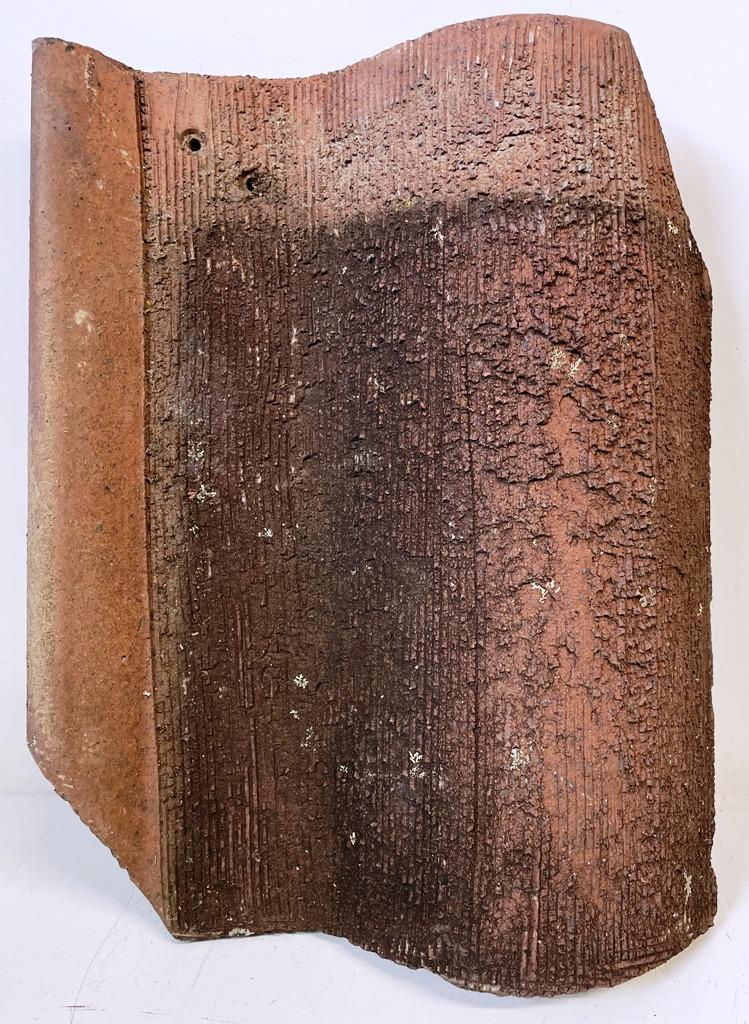
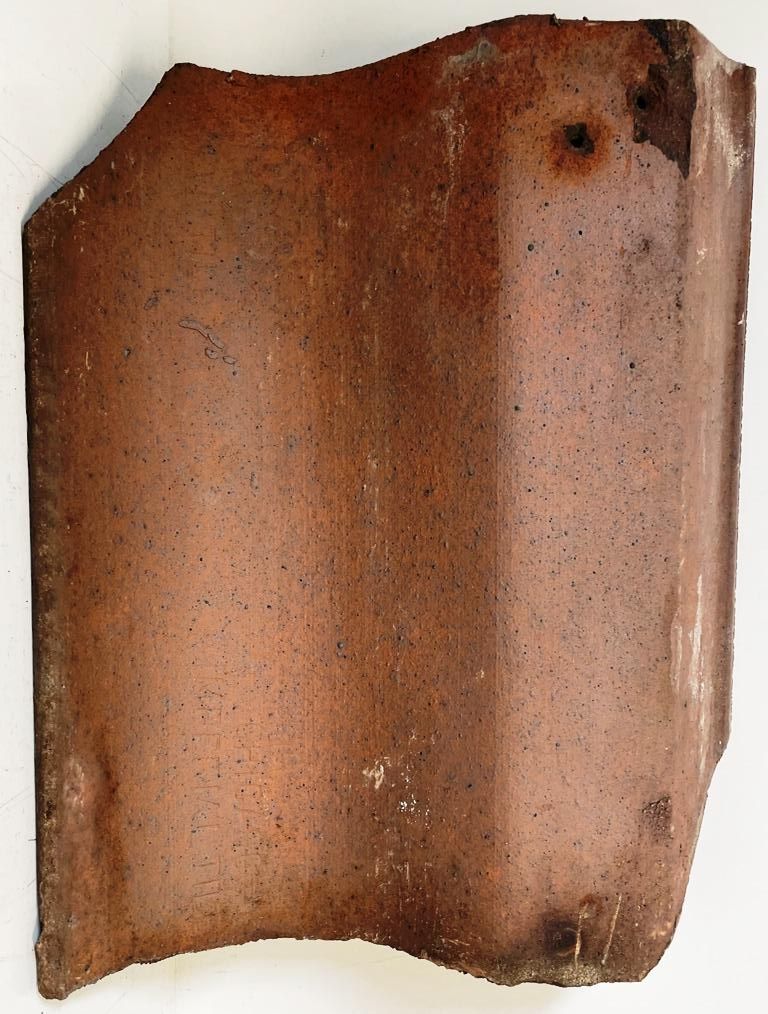
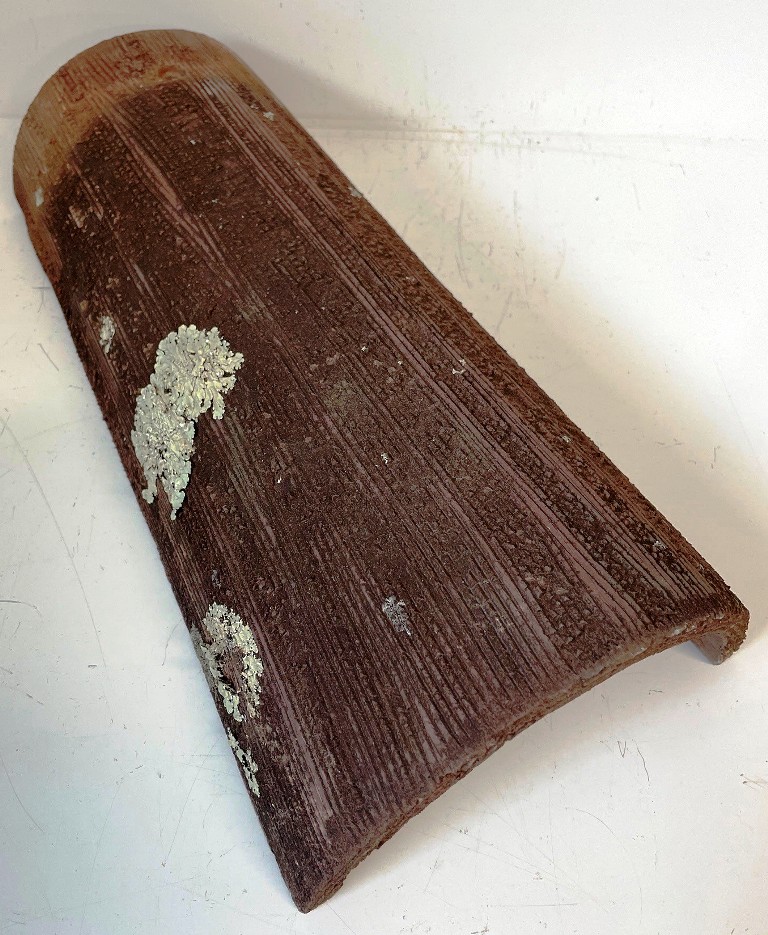
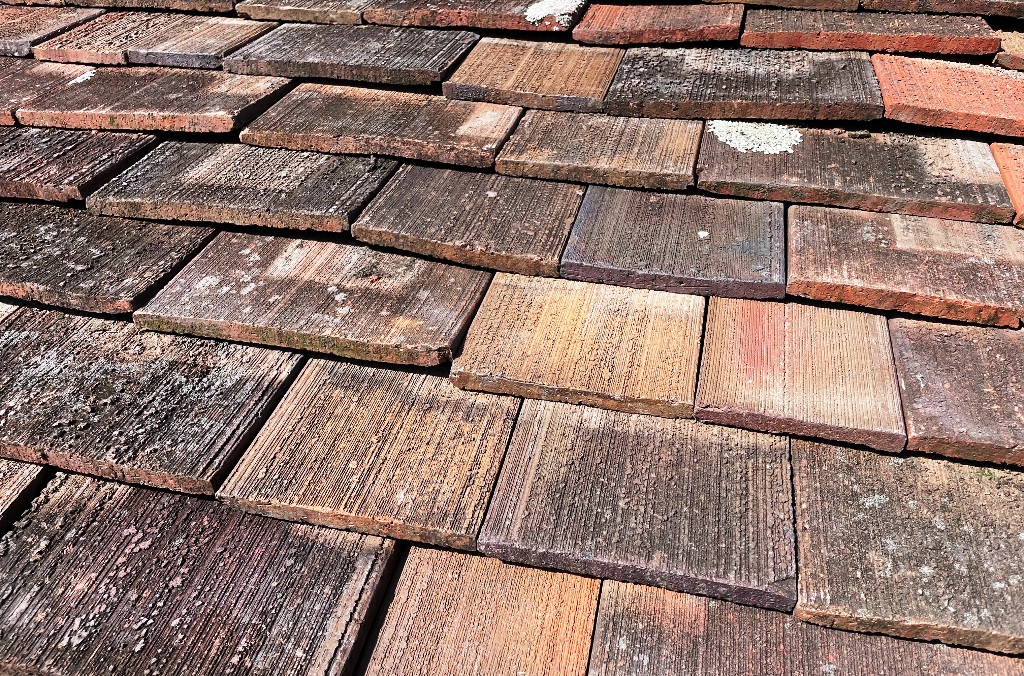
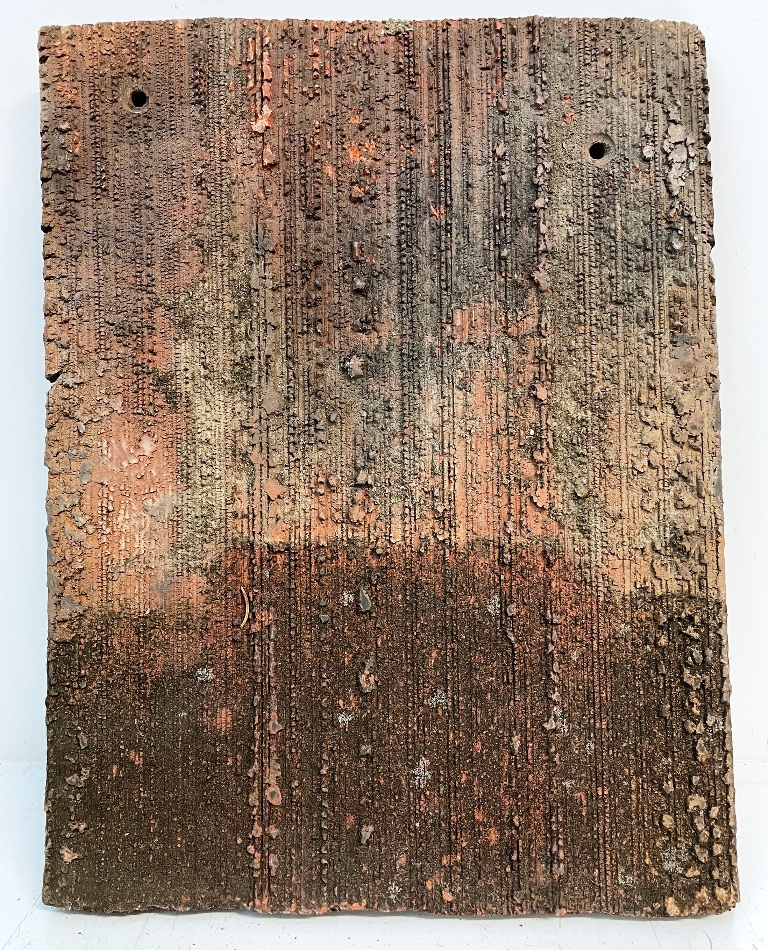
This is where the beautiful fire-flashed appearance originated. Deep reds, smoky blacks, purples, browns, and subtle tonal variation were created naturally during firing — not artificially applied afterward.
Modern production methods are far more controlled and consistent, which certainly improves manufacturing efficiency, but much of the natural character and variation seen in these early roofs has been engineered out of the process.
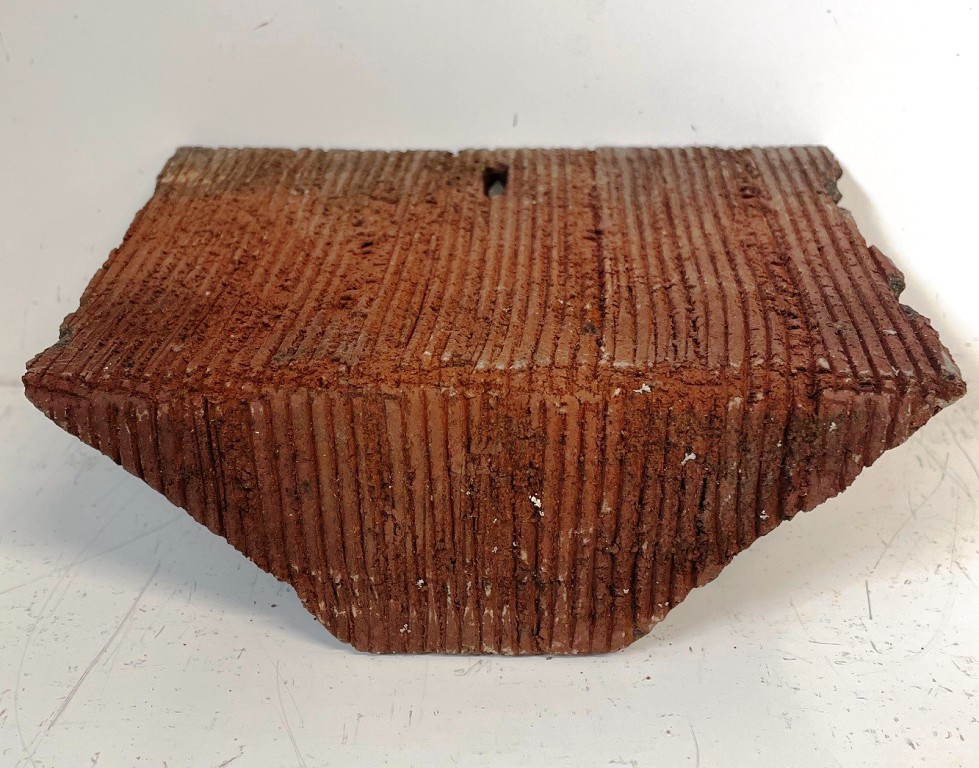
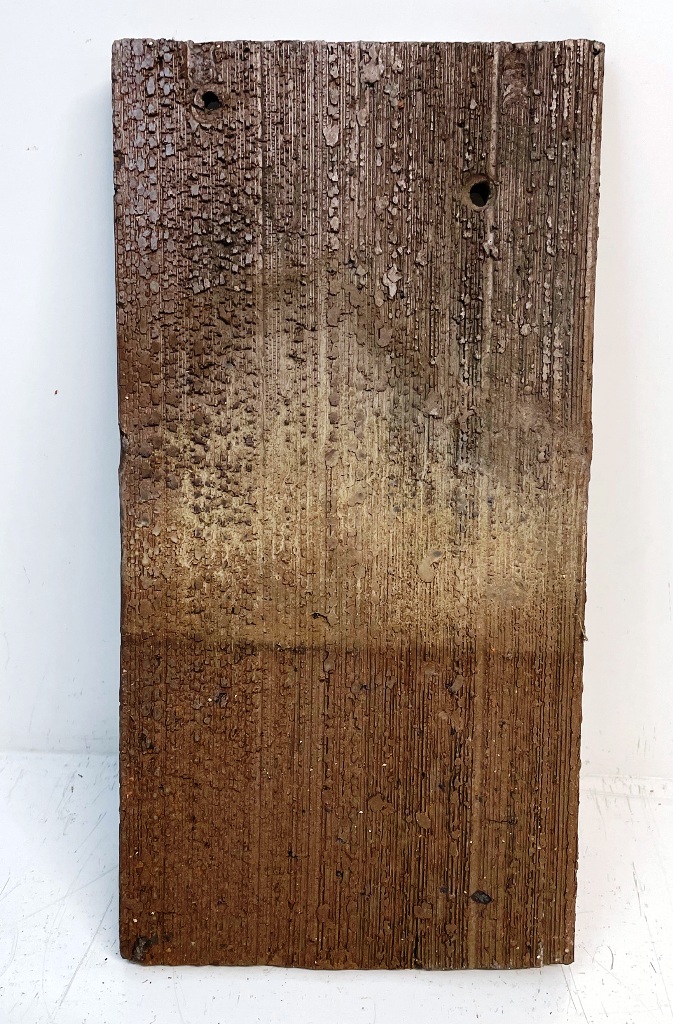
This specific salvage also features a deeply heavy wire-scored surface texture — another characteristic commonly found on early production Ludowici tile. These textures were intentionally added to create shadow lines, reduce glare, and give the roof an aged European appearance immediately after installation.
The level of texture and character in this tile is simply difficult to reproduce today.
Built to Last Generations
Beyond aesthetics, one of the most impressive characteristics of these early Ludowici tiles is their incredible density and hardness.
Many of these older clay tiles were fired slowly, heavily vitrified, and produced from exceptionally high-quality clay bodies. When handled, these tiles have a very distinct density and ring almost like steel when struck together.
Quite frankly, there is a reason these roofs are still surviving after nearly a century — and in many cases well beyond that.
This is not lightweight decorative roofing material.
This is architectural clay roofing produced during an era when manufacturers-built products intended to outlive the structures beneath them.
Available Inventory Includes:
- 100+ squares reclaimed field tile
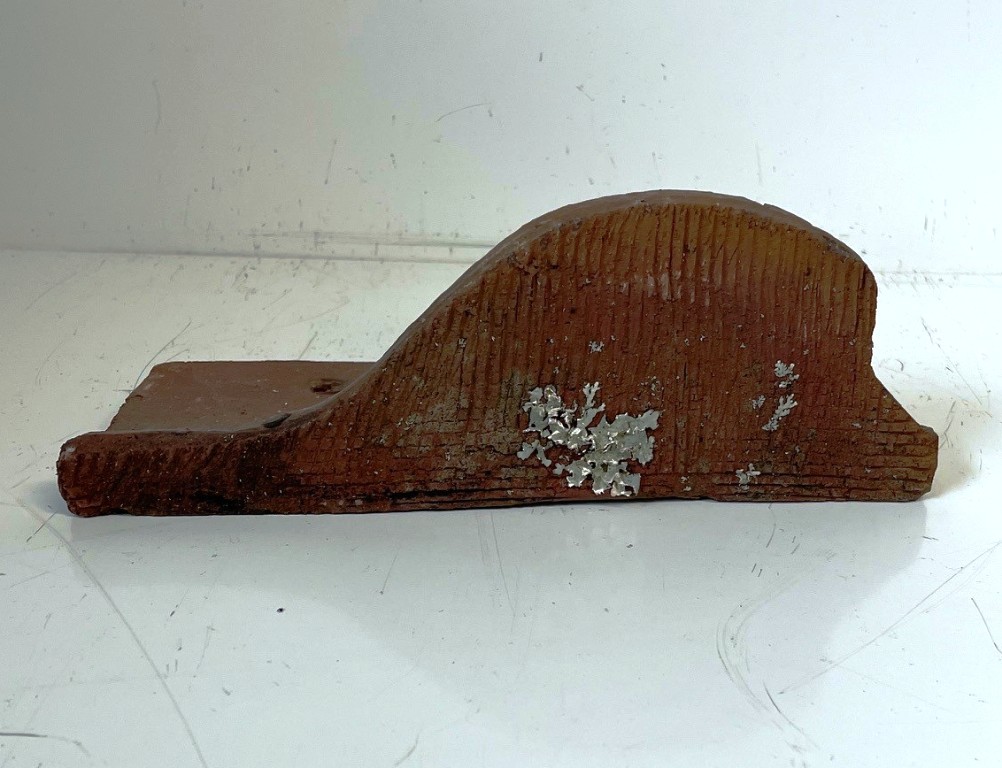
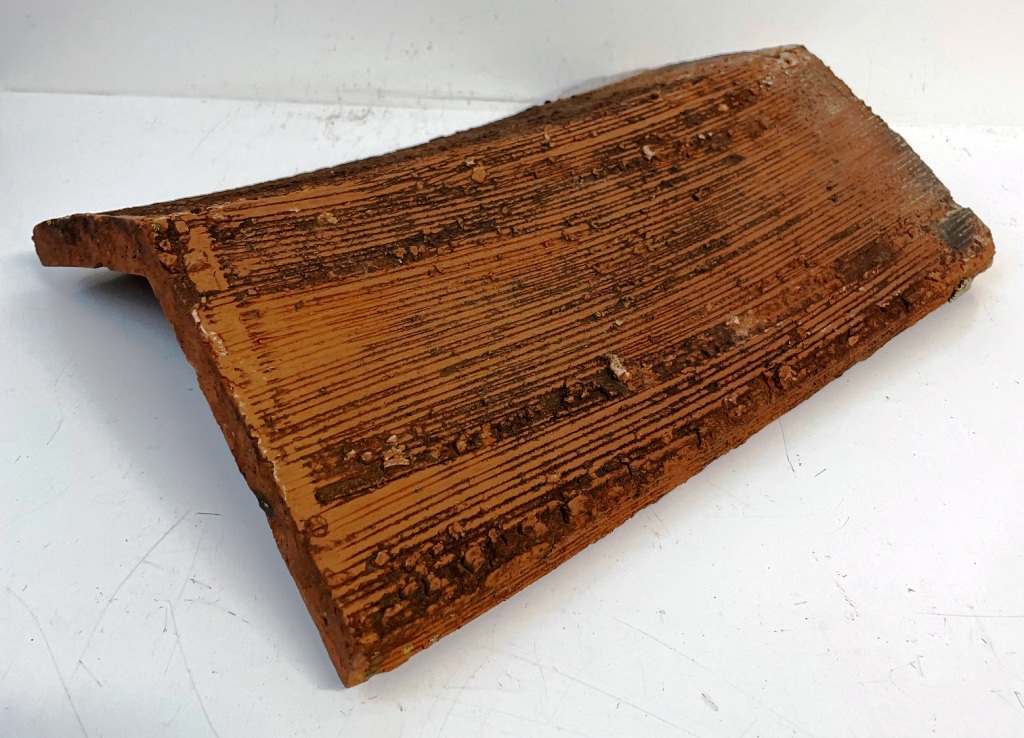
- Matching trim inventory
- Historic fire-flashed color range
- Heavy wire-scored surface texture
- Excellent overall condition
This tile is ideal for:
- Historic restoration projects
- High-end residential applications
- Mediterranean and Spanish-inspired architecture
- Clients seeking an authentic aged appearance
Material like this doesn’t sit around very long.
If you’d like samples, additional photos, or a proposal, call or email today.
|