View Newsletter as Webpage | |
|
|
East Africa Vs. Southern Africa?
Comparing and Contrasting the Safari Experience
| |
|
Greetings from East Africa!
In this month's newsletter, we are going to try to tackle the complex question of, "where is best to safari, East or Southern Africa"? This question has been asked since the dawn of the safari industry, ever since Kenya was named the 'Birthplace of the Safari'. In its original format, going on safari consisted of hunting expeditions which later transformed into the modern African safari, due to the realisation that wildlife needed to be protected from mass extermination. Individuals such as George Adamson from the movie 'Born Free', based on the book by Joy Adamson about Elsa the Lioness, epitomised this transition by changing his profession from a safari hunter to a conservationist who dedicated his life to the protection of lions.
Having travelled the length and breadth of the African Continent, we are often asked which region of Africa is best to see wildlife in its natural environment. Although parts of West Africa are breathtakingly beautiful, the safari industry in this part of the world is in its infancy, due to a lack of wildlife in comparison with East or Southern Africa. We have extensive experience of operating safaris in both East and Southern Africa, and even though Travulous currently specilalises in East Africa, with his previous company Baobab Expeditions Travulous' Co-Founder Richard curated specialist safari itineraries in both regions for a period of 9 years.
Choosing between which parts of Africa are best for a safari very much depends on personal taste and expectations. Some would say it depends on whether this is your first visit to the continent, or if you have been on a safari before. To help you decide, this newsletter will showcase the highlights of both East and Southern Africa and compare and contrast their respective safari experiences. Luckily, the safari industries in both regions are making steady progress with implementing sustainable and eco-friendly practices for tourist properties, including low energy consumption, waste reduction and responsible water usage. In a similar vein, both East and Southern Africa are actively reinvesting tourism revenue into wildlife conservation and local development projects, thereby spearheading worldwide conservation success stories such as the protection of the endangered mountain gorillas in Rwanda and Uganda and animal translocation programs across several parks, reserves and conservancies.
Last but not least, as announced in January's newsletter, we recently opened our second regional office in Kampala, and have now moved into our larger office having completed its refurbishment. Read below for additional details.
| |
"The wild creatures I had come to Africa to see are exhilarating in their multitudes and colors, and I imagined for a time that this glimpse of the earth’s morning might account for the anticipation that I felt, the sense of origins, of innocence and mystery, like a marvelous childhood faculty restored. Perhaps it is the consciousness that here in Africa, south of the Sahara, our kind was born.”
Peter Matthiessen, 'The Tree Where Man Was Born'
| | | |
|
East Africa
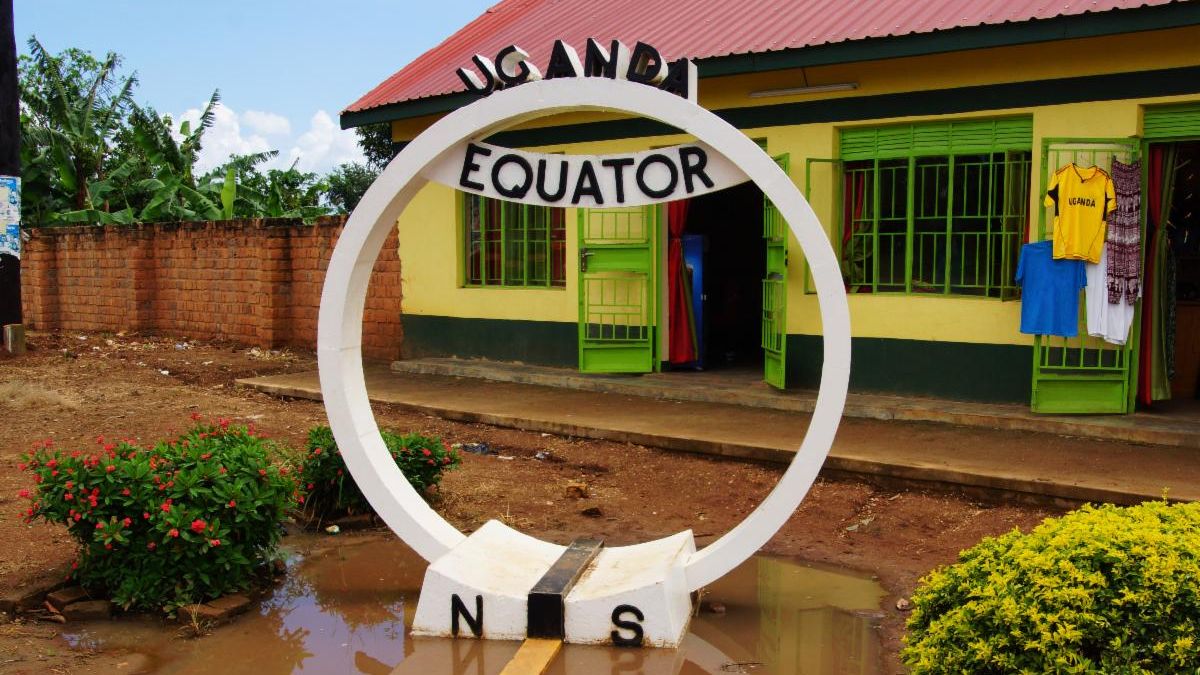
Kenya, Tanzania, Rwanda, Uganda and Burundi
| |  |
|
Southern Africa
South Africa, Zambia, Zimbabwe, Botswana, Namibia and Mozambique
| | |
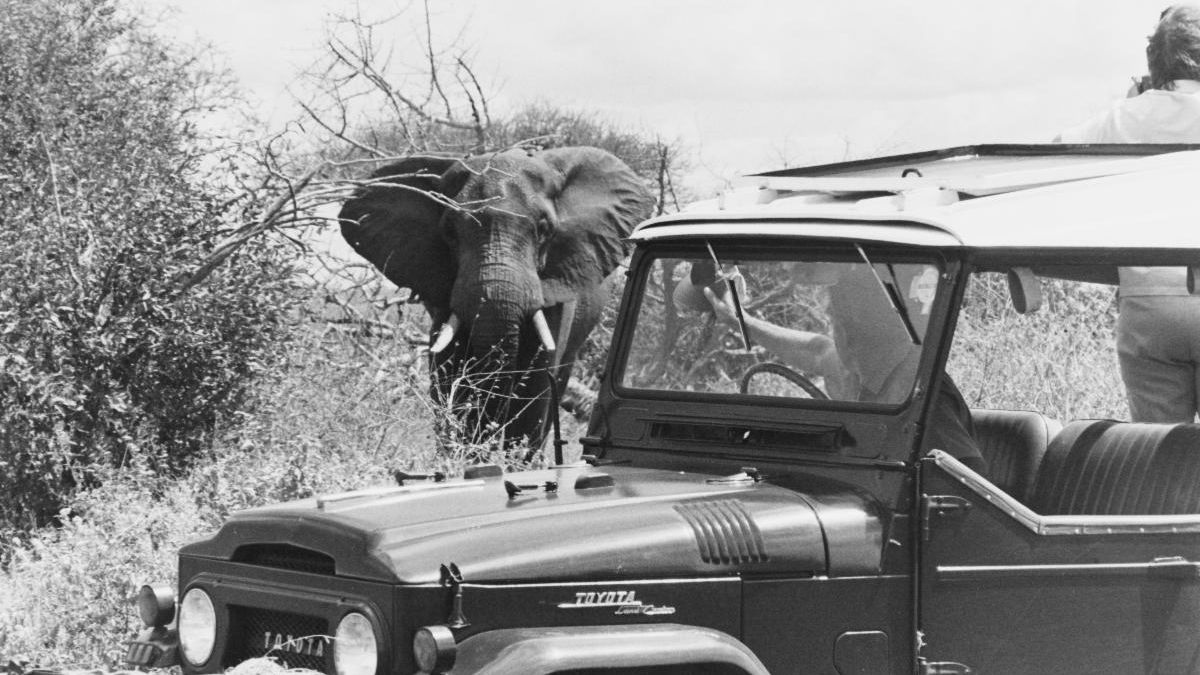 | |
Kenya is widely known and celebrated as being the original home of Africa's first safaris. 1900 to 1939 were important years for the development of Kenya's inaugural safari industry, resulting in the development of infrastructure to support the sector's impressive growth.
During the course of the 20th century, the focus of safaris transformed from hunting to wildlife viewing and photography. It was this shift in attitude towards conserving wildlife coupled with the growth in infrastructure, which helped to lay the foundation stones of Kenya's modern tourism industry. In the second half of the 20th century the emphasis on conservation gained momentum, with a number of governments in the region taking the initiative to create reserves in order to protect the wildlife and their habitats.
Up until the 1980s, East Africa was the most popular destination on the continent for safari goers and adventure enthusiasts. The region offered big wide open spaces ideally suited to wildlife safaris, with little human-wildlife-conflict due to low densities of human populations. At this time, Botswana was not yet widely known, Rhodesia, today's Zimbabwe, was experiencing political turbulence, and South Africa was in the oppressive grip of apartheid.
In comparison to Southern Africa, the growth of the East African safari industry slowed during the course of the 1990s, due to the Rwandan Genocide against the Tutsis, the outbreak of political unrest in the DRC and Uganda, coupled with the embassy bombings in Kenya and Tanzania. Fast forward to the current decade, and as you will discover in the conclusion below, East African tourism is booming once again.
| | |
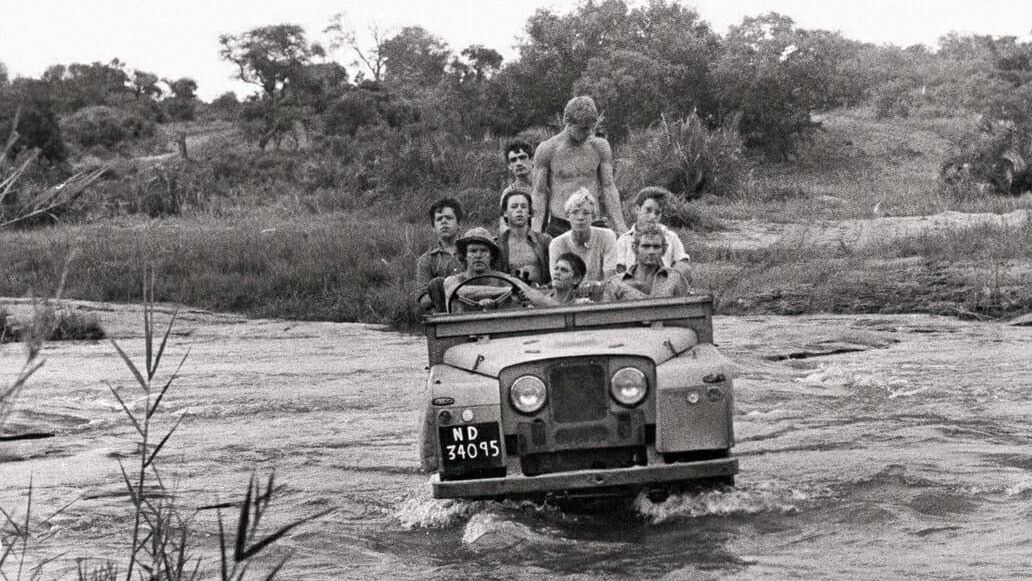 | |
Even though Kenya is widely accepted as the first country on the African Continent to operate safaris for tourists, once the model was deemed to be a success the safari concept spread very quickly into other African countries.
For example, when examining the history of South Africa's oldest wilderness area, Kruger National Park, initially comprised of Sabie and Shingwedzi reserves, one discovers that the first tourists started visiting the area in the early 1920s. In 1926 Kruger was declared a national park, and its first rest camp, Pretoriuskop, opened its doors to tourists in the same year. Pretoriuskop was chosen due to its bountiful wildlife numbers and scenic setting.
In the 1970s and 1980s, South Africa started to further develop the concept of luxury safaris which was initially pioneered in East Africa. Henceforward, a number of private reserves located on the edges of Kruger National Park started to operate luxury properties coupled with superb wildlife viewing.
The 1990s signalled a turning point for the tourism industry in Southern Africa. In South Africa, the father of the Rainbow Nation, Nelson Mandela, was released from prison in 1990, spreading new hope with the country's newfound belief in the possibility of unity.
Whilst East Africa was dealing with negative headlines resulting from conflict, bombings and massacres, Southern Africa's tourism industry flourished. The rand, South Africa's currency, started depreciating which made the country more affordable and attractive to visitors. Water-based safaris in Botswana, desert safaris in Namibia and walking safaris in Zambia became very popular with safari visitors to the continent.
| | |
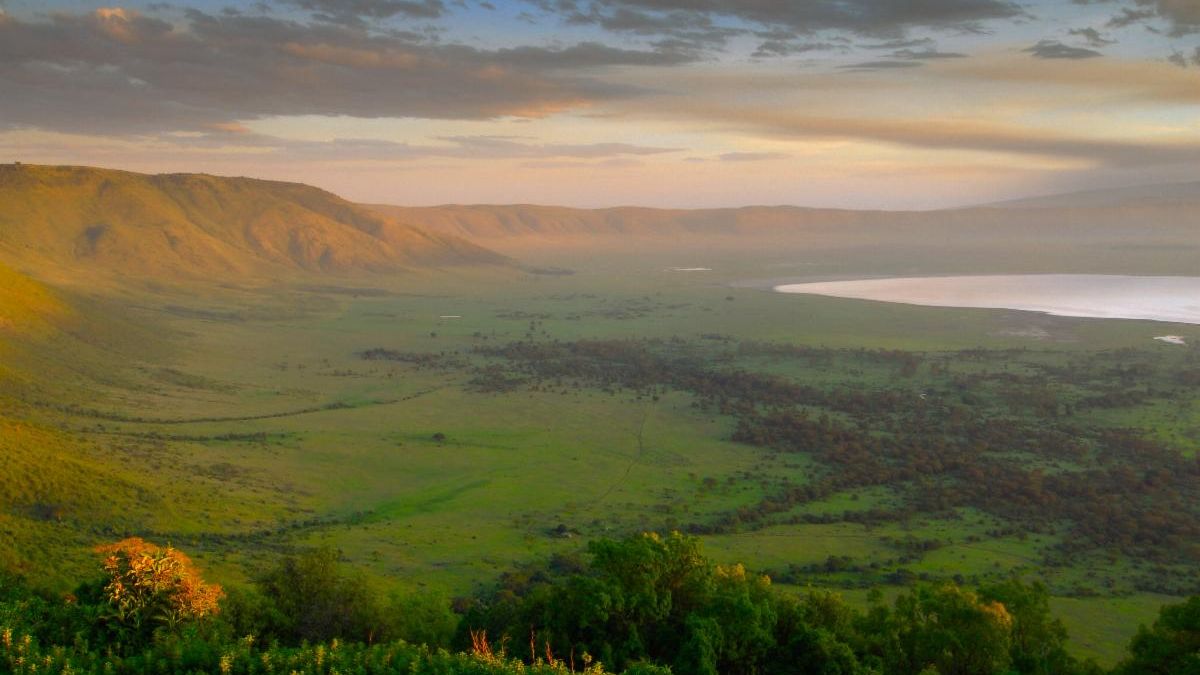 | |
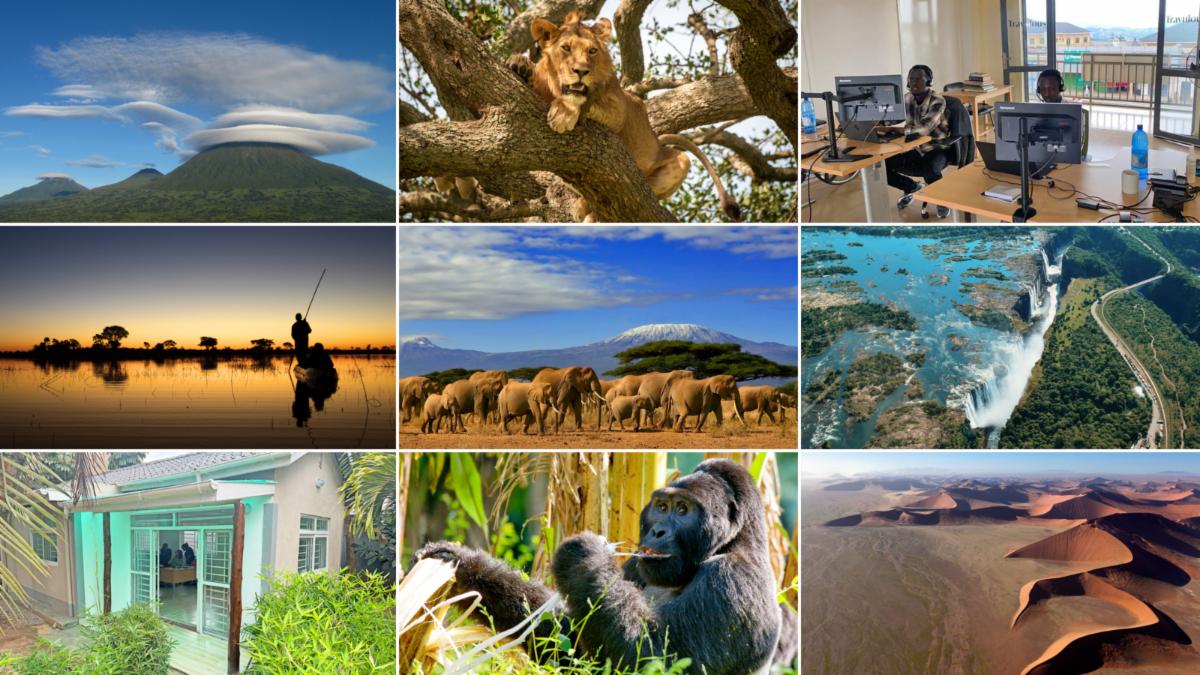
Shaped by the tectonic forces of the East African Rift, the landscapes of East Africa are renowned for being some of the most spectacularly beautiful and diverse on this planet.
Comprised of two branches, the East African Rift zone boasts an incredible range of habitats with flourishing vegetation and a vast array of wildlife. It is home to some of the most sought after safari locations in the world, including the montane rainforests of Rwanda and Uganda. The Ngorongoro Conservation area, a UNESCO World Heritage site and Biosphere Reserve, is home to the Ngorongoro Crater, the largest intact, un-flooded caldera on the planet. The Mara-Serengeti ecosystem, one of the most diverse wildlife conservation areas in Africa, connects Tanzania's Serengeti with Kenya's Maasai Mara, the latter of which was made famous by the movie 'Out of Africa' which showcased to the world East Africa's classic vistas comprised of vast, sweeping plains dotted with flat-topped acacia trees.
There are several additional famous landscapes situated in East Africa, such as Mount Kilimanjaro, Africa's highest mountain, Lake Tanganyika, the world's second-deepest lake and Lake Victoria, Africa's largest lake by area, the world's largest tropical lake, and the world's second-largest freshwater lake by area after Lake Superior in North America.
| | |
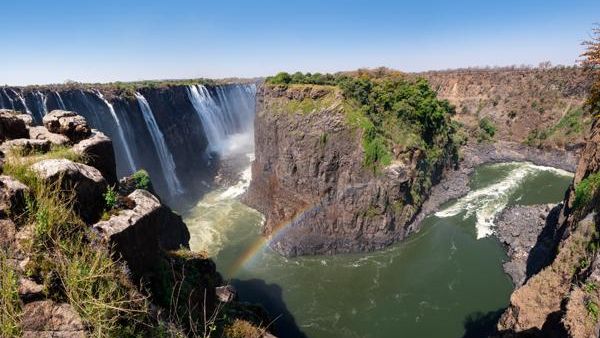 | |
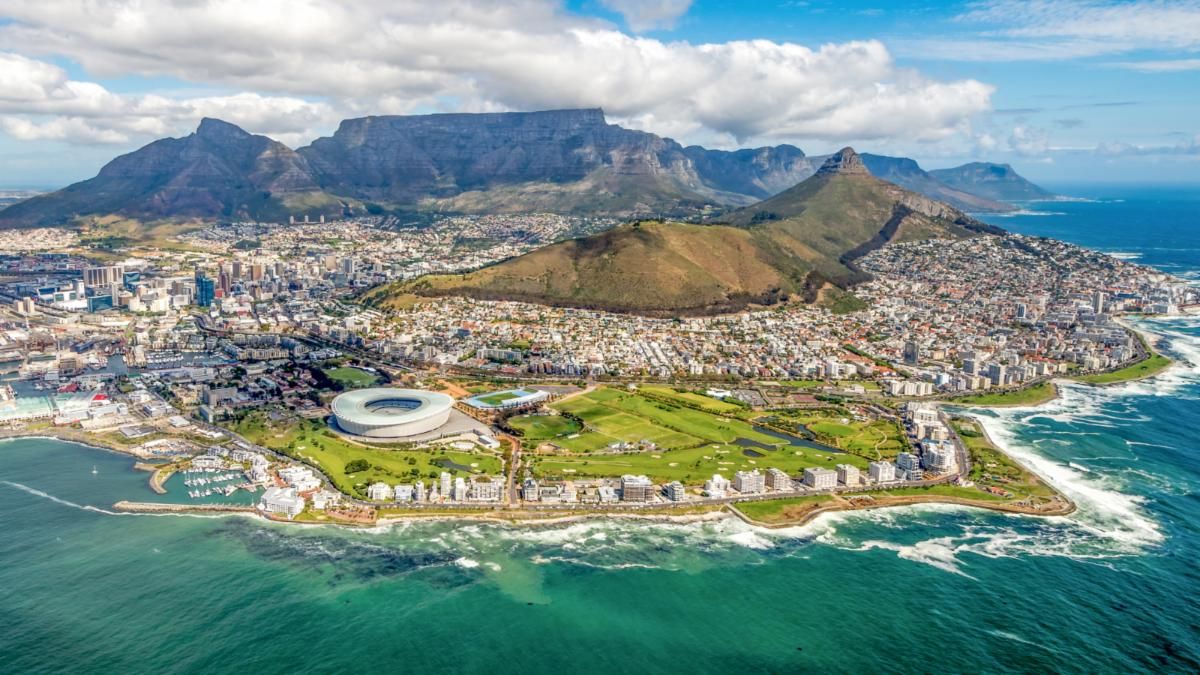
From mountains and forests to grasslands, deserts and costal areas, the countries comprising Southern Africa, the southernmost region of the African Continent, boast equally exquisite and diverse landscapes.
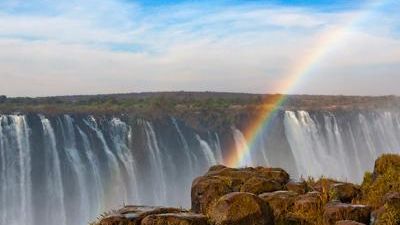
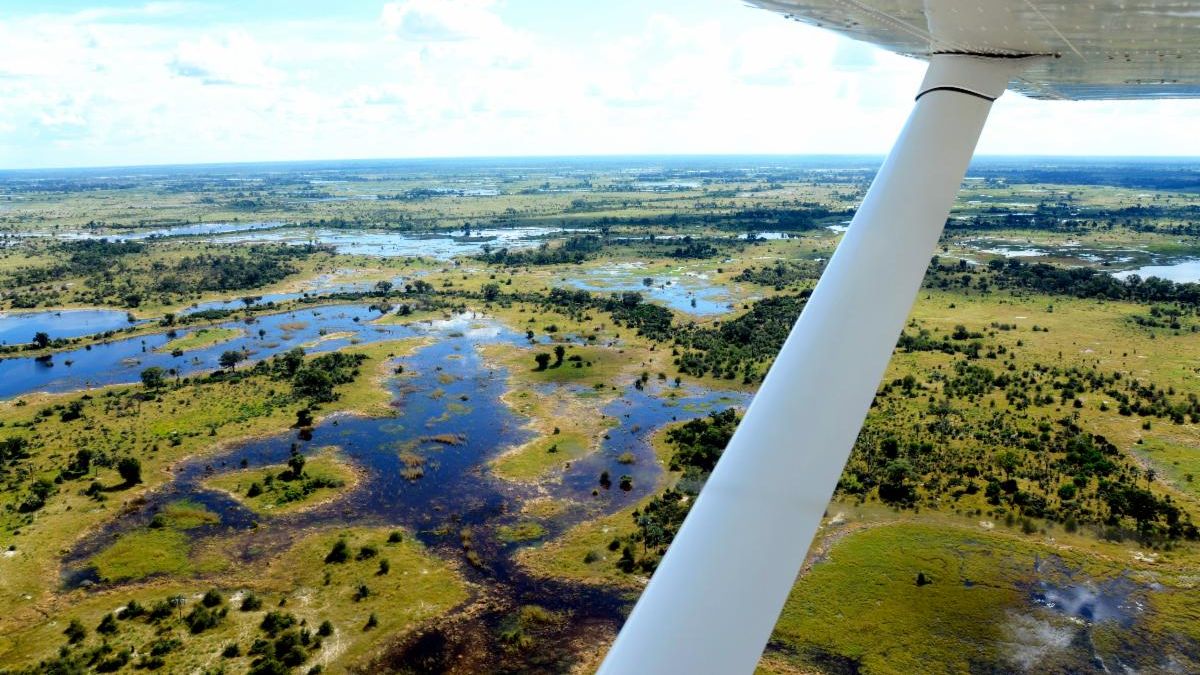
The allure of Southern Africa's majestic landscapes can be perfectly showcased by examining some of the region's best known tourist attractions. Without doubt, one of the continent's most frequently visited wilderness areas, the wetlands of Botswana's Okavango Delta, are renowned for being the home of vast concentrations of wildlife living in one of the world's most beautiful natural wildlife sanctuaries. The desert dunes of Sossusvlei in Namibia are a perfect example of the country's unspoilt desert beauty, whereas Southern Africa's Victoria Falls and its dramatic 'smoke that thunders' presents a spectacular sight of awe-inspiring beauty and grandeur on the Zambezi River, forming a natural border between Zambia and Zimbabwe.
Southern Africa is home to many other famous landscapes, including the open plains and woodlands of South Africa's Kruger National Park, Namibia's semi-arid Kalahari desert and its Skeleton Coast, whose name pays tribute to the many ships that ran aground along this perilous coastline, and Zambia's Luangwa Valley, whose river is the lifeblood of the region.
| | |
 | |
East Africa is an excellent year-round destination for wildlife viewing due to its huge concentrations of wildlife, its wide-open landscapes, coupled with a temperate climate, apart from the hot and humid Swahili Coast.
The Maasai Mara and Serengeti are known worldwide as the home of the Great Wildebeest Migration, where the wildebeest migrate in a loop through Kenya and Tanzania following the seasonal rains. A year-round spectacle, the Wildebeest Migration is often described as one of the the greatest wildlife shows on the planet.
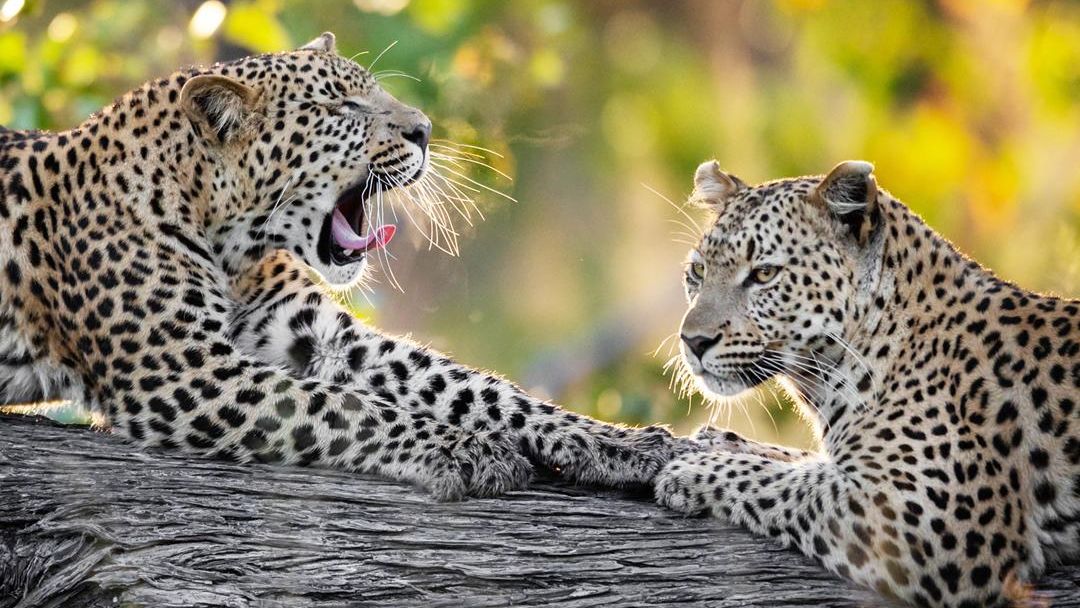
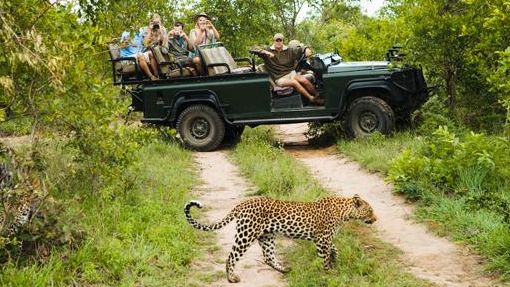
When planning an African safari, one of the most important highlights most travellers wish to see are the 'Big 5', comprised of lion, leopard, elephant, rhino and buffalo. Although there are other less famous national parks and reserves for seeing the 'Big 5', the Maasai Mara, Serengeti and Ngorongoro Crater are undoubtedly the most sought after locations in East Africa for experiencing this highlight.
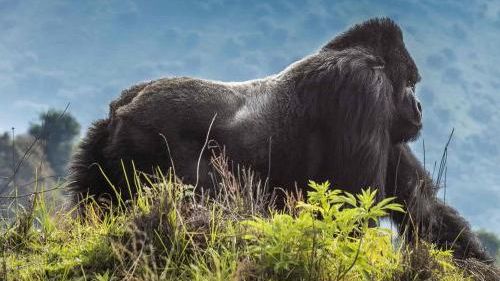
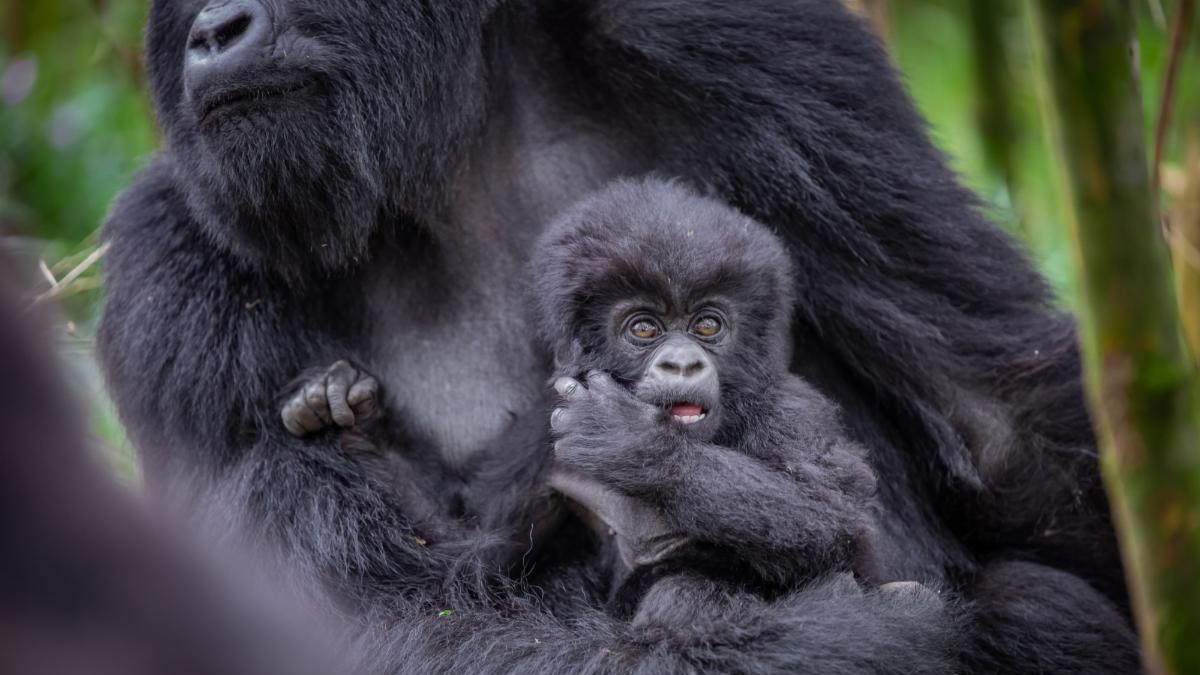
Many of us working in the safari industry believe the term 'Big 5' has become outdated. Although it tends to describe five of the most popular species of wildlife that many travellers hope to see whilst on safari, the term omits some of the planet's most popular animals, including the famous mountain gorillas. Each year, many tourists flock to Rwanda and Uganda to visit these magnificent creatures and to spend a magical hour in their presence in either Volcanoes National Park in Rwanda, or Bwindi Impenetrable Forest and Mgahinga National Park in Uganda. These are the only locations in Africa where the majestic mountain gorillas live, apart from the DRC.
| | |
 | |
The best time to visit Southern Africa for wildlife viewing purposes is during the dry season, which typically lasts from May to October. During these months, vegetation is less dense which means it is easier to spot wildlife, plus the animals tend to stay closer to water sources. These water sources make for excellent viewing places where tourists can gather and watch the wildlife whilst they quench their thirst during the heat of the day.
Kruger National Park in South Africa is one of the best locations on the African Continent to spot the 'Big 5', although finding them in your own vehicle on a self-drive basis without the services and knowledge of an experienced wildlife guide can be very challenging. Dependent on the duration of the safari, it is advisable to combine your stay at Kruger National Park with a couple of days at Sabi Sand Game Reserve, where white rhino are relatively common and leopards are often easier to spot.
Although Southern Africa does not have a wildlife phenomenon such as the Great Wildebeest Migration in East Africa, the region is home to a good selection of smaller migrations such as the humpback and southern right whales in South Africa, zebras in Botswana's Makgadikgadi and Nxai Pan National Parks, and blue wildebeest in Zambia's remote and wild Liuwa Plain National Park.
Visitors to Southern Africa wishing to visit the majestic mountain gorillas will be required to extend their safaris to incorporate a visit to either Rwanda or Uganda. International flight connections between Southern and East Africa are relatively good, with regular flights operating on a selection of routes.
| | |
Due to East Africa's proximity to the equator, there are less temperature fluctuations between the months. There are two dry seasons, from January to March and June to October, with the wet seasons lasting from November to December and April to May. | | |
In Southern Africa there are greater temperature fluctuations between the months, specifically the winter months which last from May to October and the summer months from November to April. The majority of rain falls during the summer months. | | |
 | |
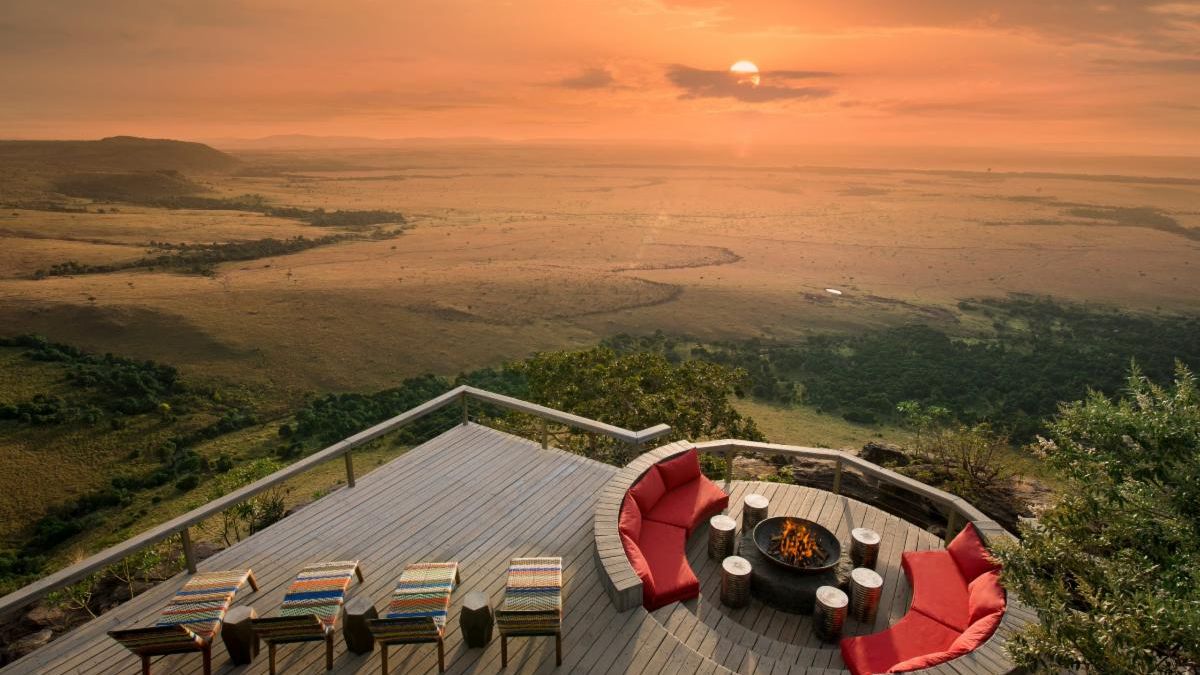
Up until recently, East African tourist accommodations tended to comprise of authentic and traditional lodges and tented camps. A good example being, Cottar's 1920's Camp in the Maasai Mara which is situated in its own private conservancy. The camp is owned and managed by one of the oldest safari families in Africa, and positions itself as "one which extends an era of luxury and quality and returns to the original spirit and essence of a safari."
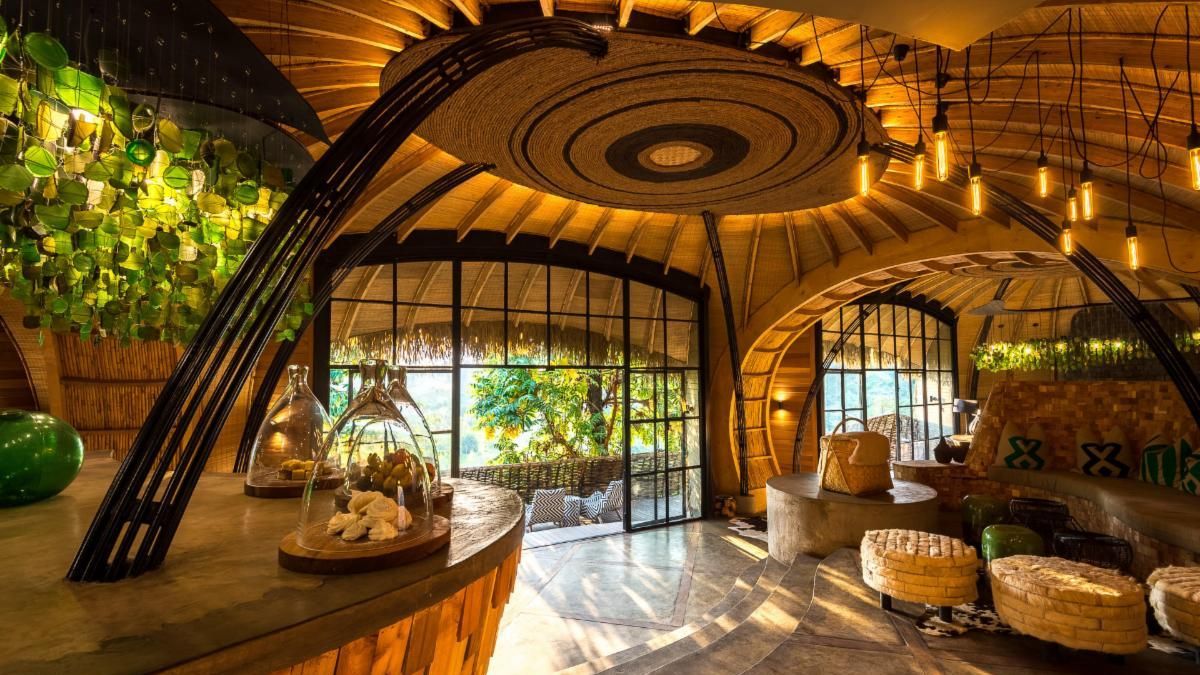
In recent years, luxury lodges and camps have started to move away from the traditional 'Out of Africa' influenced colonial theme, which exudes opulence, traditional style and sophistication. Instead, new property openings or refurbishments are adopting more of a modern 'Safari Style', which draws on inspiration from themes including African nature, landscapes and people, and incorporates earthy tones and natural elements.
Good examples of popular properties which have embraced more of a modern Safari Style theming include Wilderness Bisate in Rwanda and Asilia's Highlands lodge in Tanzania. Both brands are Southern African owned, and associated with high levels of quality.
| | |
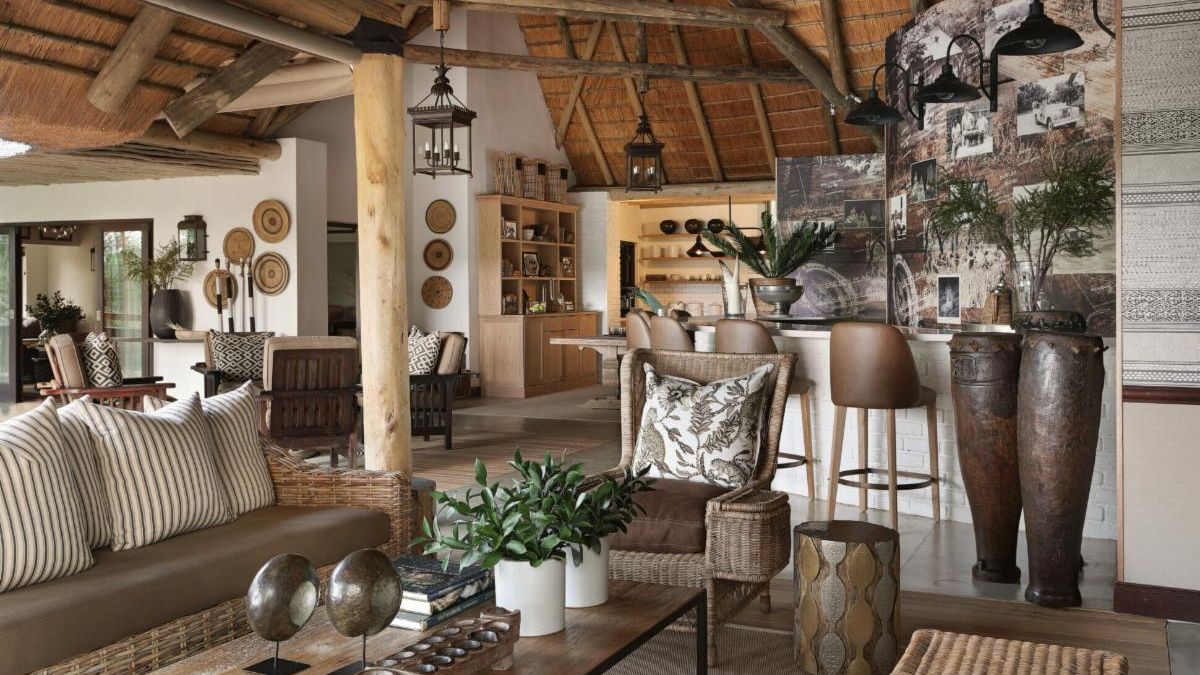 | |
Similarly to some of the traditional accommodations in East Africa, Londolozi in South Africa also showcases its history and pioneering status, thereby highlighting to its guests that its foundations were laid almost 100 years ago in 1926.
Located in Sabi Sand Game Reserve, Londolozi is a member of Relais & Châteaux. Originally operating as a property servicing the hunting industry, the theming of the lodge was changed in 1969 when the current day owners renamed the property to Londolozi, whose name comes from Zulu and means 'Protector of All Living Things'. This re-branding exercise demonstrated the owner's wish to embark on a new and different relationship with the land, based on conservation and restoration. In future, there was to be an equal respect for land, wildlife and people.
As pioneers of the luxury eco-loge in South Africa, each of the five camps are themed to tell a particular story. Similarly to Cottar's Camp, Londolozi's Pioneer Camp embraces an 'Out of Africa' look and feel, whereas the remaining four camps all have their own style and unique characteristics, offering more of a contemporary yet earthy vibe.
| | |
|
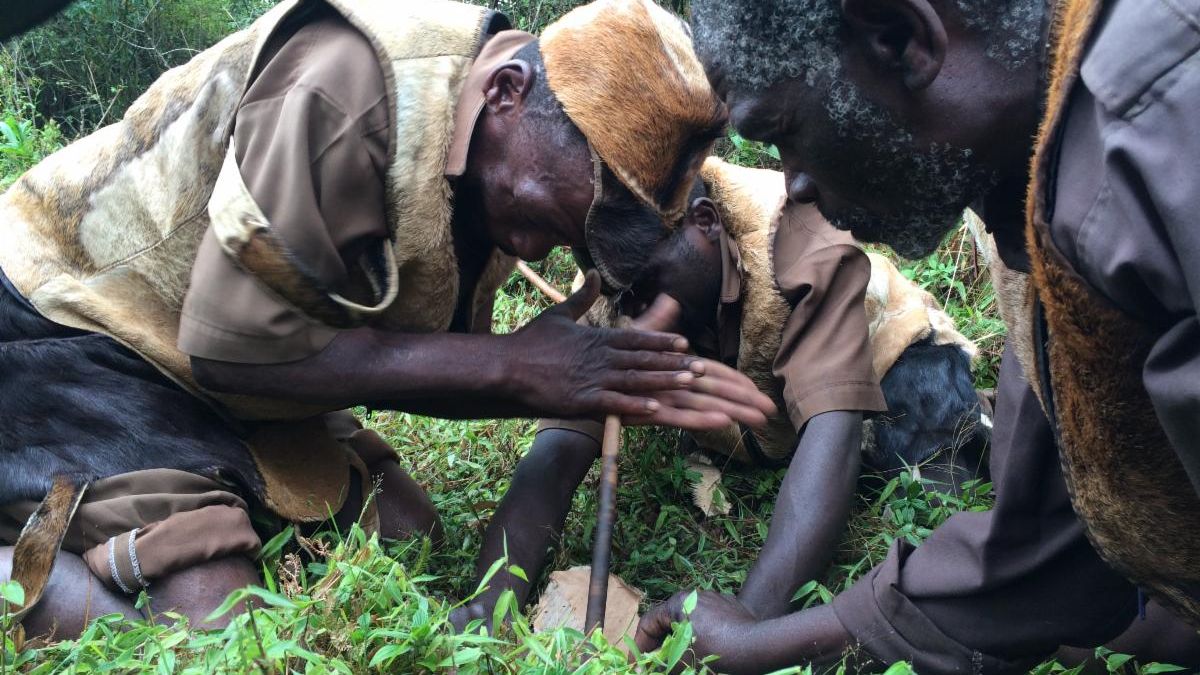
Some popular cultural experiences in East Africa include the:
- Maasai
- Samburu
- Hadzabe
- Batwa
| | |
|
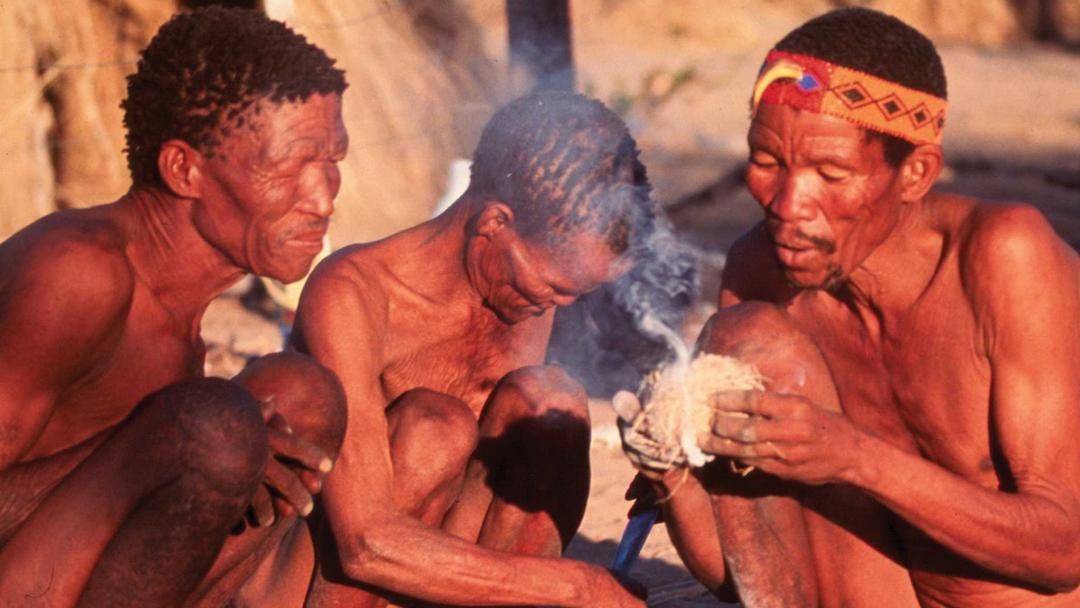
Some popular Cultural experiences in Southern Africa include the:
| | |
- Year-round game viewing
- Mountain Gorilla Tracking
- Great Wildebeest Migration
- Cultural experiences
- Mounts Kilimanjaro and Kenya
- Swahili Coast culture and food
- Beaches and Tropical Islands
| | |
- Up-close game viewing
- Whale watching
- Victoria Falls
- Walking safari in Zambia
- Water safaris in Botswana
- Desert safaris in Namibia
- Cape Town and its beaches
| | |
 | |
The tourism industry in East Africa is currently on an impressive growth trajectory. In 2023, the combined tourism revenue of Rwanda, Uganda, Kenya and Tanzania reached approximately US$ 8 billion.
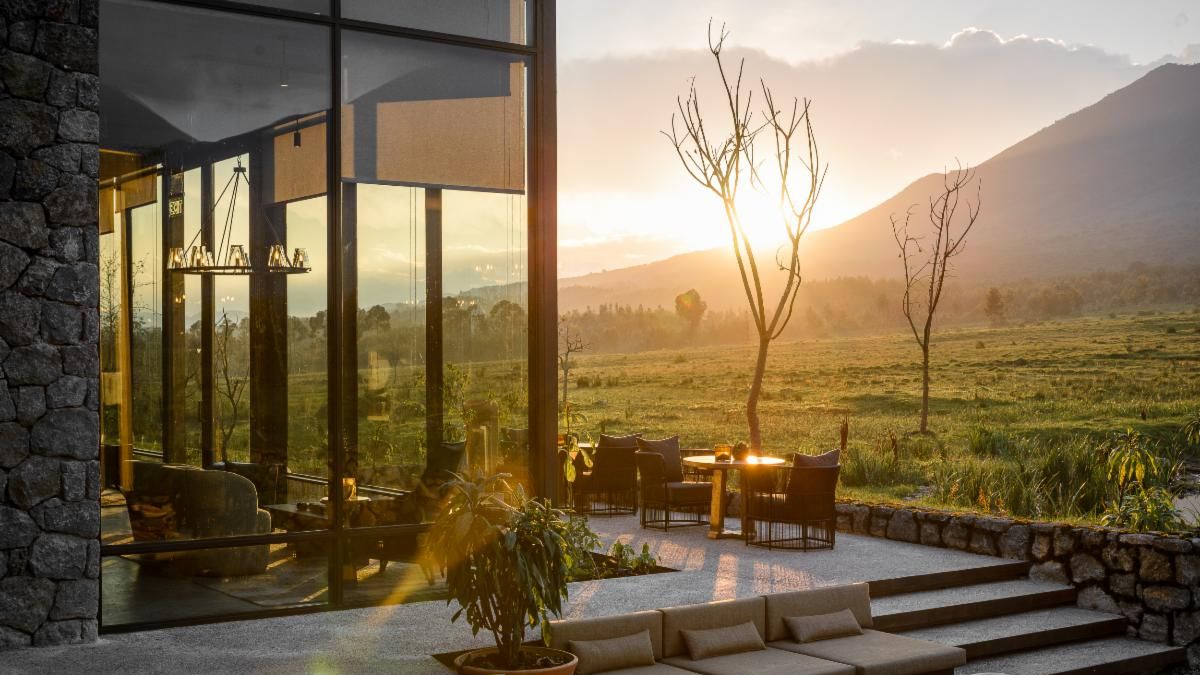
This growth is underpinned by the opening of a number of new luxury properties in East Africa, a significant percentage of which are owned by foreign hospitality brands. For example, Volcanoes National Park and Nyungwe National Park in Rwanda proudly showcase a number of ultra-luxe / 6-star properties, whose owners include Wilderness, Singita and One&Only Resorts. The nightly room rates of these properties range from US$5,000 to US$7,000 per room and truly epitomise the definition of a 'luxury safari'. There are a number of additional operators queuing to open new properties in Rwanda's National Parks.
This investment and new property opening strategy does not only apply to Rwanda, as Kenya, Tanzania and Uganda are also being targeted by foreign owned hospitality brands. For instance, Wilderness Safaris entered into a strategic partnership with the Governors’ Camp Collection as a result of Wilderness Holdings’ acquisition of equity in the Kenyan safari brand. These investments are being driven by savvy hospitality brands wanting to profit from East Africa's world famous and unique wildlife activities, including Mountain Gorilla tracking and the Great Wildebeest Migration.
Whereas it used to the the case that the majority of tourists would build their safari itineraries around first seeing the 'Big 5', and then bolting-on activities including mountain gorilla and chimpanzee tracking, Travulous is increasingly servicing the reverse of this process. These days, the key priority of our clients is securing their mountain gorilla permits and accommodations first, after which they focus on bolt-on activities such as adding the 'Big 5' or visiting the Swahili Coast, if time and budget allow.
The reason why mountain gorilla tracking in Rwanda and Uganda is continuing to grow in popularity is because as the population of mountain gorillas increases, reaching 1063 in the most recent survey published in 2019, more and more positive headlines are being generated and hence more people want to visit this conservation success story. Once on the brink of extinction, mountain gorillas are definitely making a comeback!
| | |
 | |
Southern Africa is continuing on its growth trajectory, although there are a number of challenges which are causing ripple effects across the tourism industry in South Africa, including its energy supply, reduced infrastructure investment and safety and security concerns. Having said this, in general it is fair to say that the tourism infrastructure in South Africa is still generally better in comparison with its counterparts in East Africa.
Similarly to East Africa, Southern Africa also has it's own set of unique nature, wilderness and wildlife attractions, including the Okavango Delta in Botswana, desert safaris in Namibia, and Victoria Falls in Zambia and Zimbabwe. A number of the hospitality brands which already have, or are intending to open new properties in East Africa, are of Southern African ownership. The companies are known worldwide for their level of outstanding quality, service and customer centric focus, reflected in the high room rates they charge. Having perfected their trade in Southern Africa, they are step-by-step expanding their presence in East Africa, and time will tell if they intend to go further by targeting other parts of the African continent.
Southern Africa is renowned for offering some of the planet's best 'up-close' wildlife experiences, an approach which was pioneered in the private reserves bordering Kruger National Park. The advantage of private reserves, which are privately owned and managed, is that they are not open to the general public unlike national parks. By being privately owned, the private reserves avoid over tourism which is affecting some of the continent's leading national parks, where multiple safari vehicles in a small area compete to get a better view.
Increasingly, national parks across the continent are looking to the successes of Kruger's private reserves, such as the Sabi Sand Game Reserve which is one of the country's oldest and most famous, providing some of the best up-close safari experiences on the continent. Similarly, Tanzania's Singita Grumeti and Mwiba Wildlife Reserves are ranked as some of Africa's best, whereas in Kenya its conservancies, which are often privately managed but publicly owned, amount to approximately 12% of Kenya’s land mass and have been successful in protecting wildlife and communities from over tourism. Private game reserves and conservancies tend to be expensive though due to the nature of their exclusive offerings.
| | |
If you still cannot decide between East or Southern Africa, we would suggest asking yourself a different question: Why not incorporate both regions into a single trip? Travulous' Travel Specialists are well-versed in designing authentic, immersive and memorable luxury travel experiences that cover both East and Southern Africa. | |
|
TRAVULOUS EXPANDS ITS OPERATIONS IN UGANDA
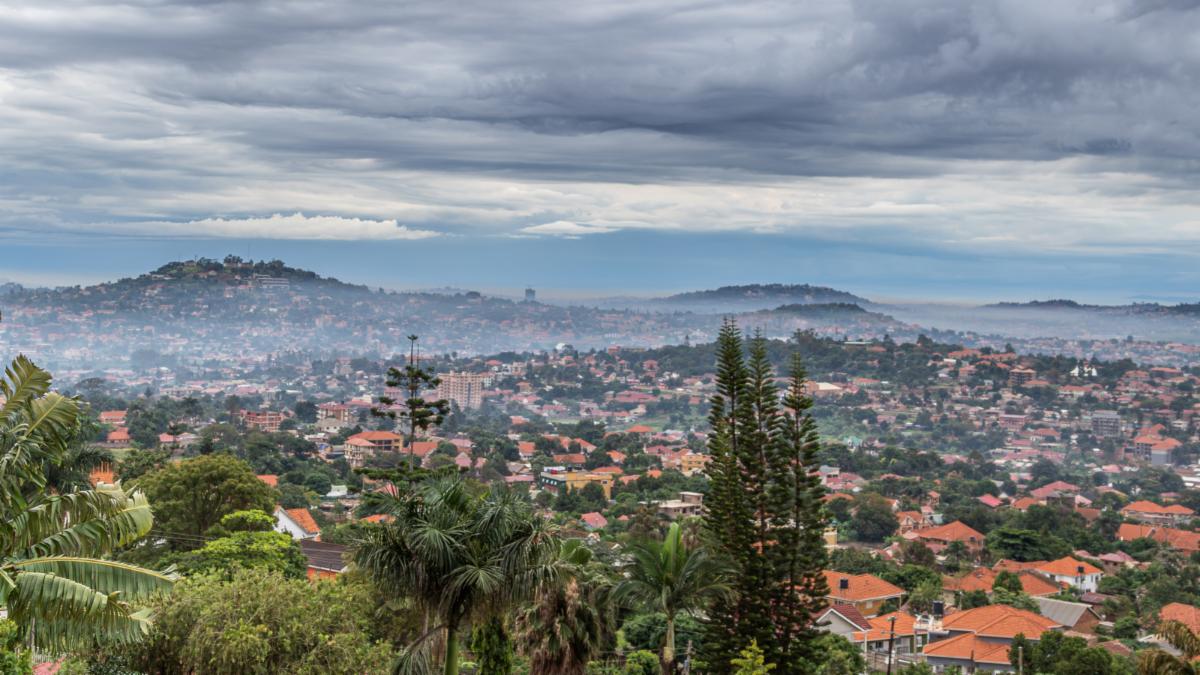
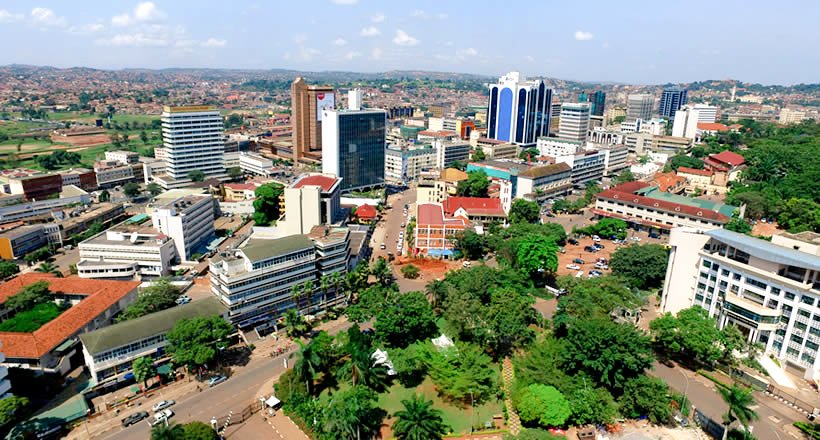
As announced in January's newsletter, we recently opened our second regional office in Kampala, and have now moved into our larger office having completed its refurbishment. Our Ugandan office team recently welcomed 2 new starters, thereby growing the company's local presence in Kampala to 5 individuals.
Situated only a 15-minute drive from the Ugandan Wildlife Authority's Kampala headquarters, Travulous’ new office is ideally located for the company’s staff to continue servicing its growing base of Travel Advisors located in North America, Europe, and Africa.
| |
|
|
RWANDA OFFICE:
Anglican Business Centre, KK 18 Avenue, Giporoso, Kigali, Rwanda
Tel: +250 786 415 499
| | |
|
UGANDA OFFICE:
Plot 2321, Kyadondo Block, Kigowa, Kampala, Uganda
Tel: +256 742037702
| | | | | |