|
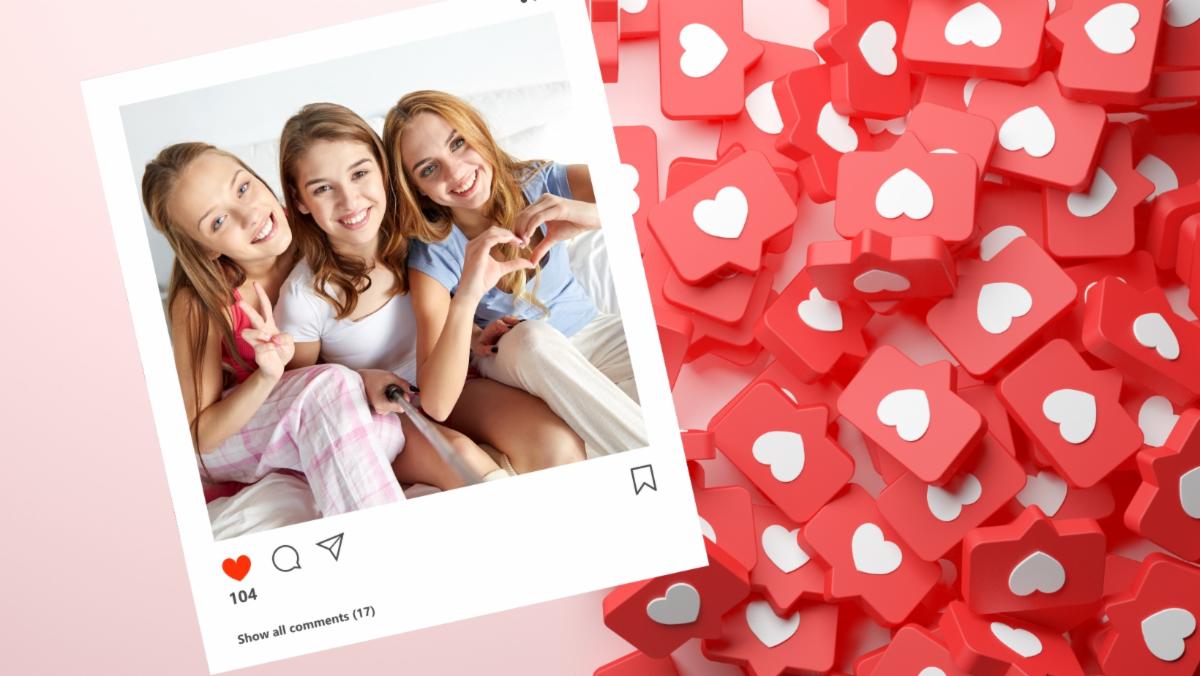
Let’s face it—most of us don’t go more than five minutes without picking up our cell phones. We’ve developed an undeniable urge to check our notifications, answer a text, or see how many likes our latest social media post racked up.
Social media has become an everyday staple for many young people whose lives often revolve around it. From the surface, it seems harmless. An easy way to keep in touch with friends and family, a place to showcase creativity, explore new ideas, and connect with others in ways never before possible. Unfortunately, not all the impacts of social media are positive. It has become a negative and sometimes dangerous influence in the lives of many, especially malleable teens and young adults and those already struggling with their mental health.
Filters and Influencers: The reach for impossible goals
It has become more apparent as social media use increases, platforms, including Instagram, Snapchat, Twitter, and TikTok, can play a role in developing or encouraging eating disorders. While it may not be a direct cause, for those with low self-esteem and body image issues, spending time on social media can put them in a downward spiral.
According to a survey from a local town, 37% of young girls feel stressed about looking attractive, and 25% of young girls feel pressure regarding measuring up to others in their social media appearance.
|