March 2024


FROM THE COUNTY

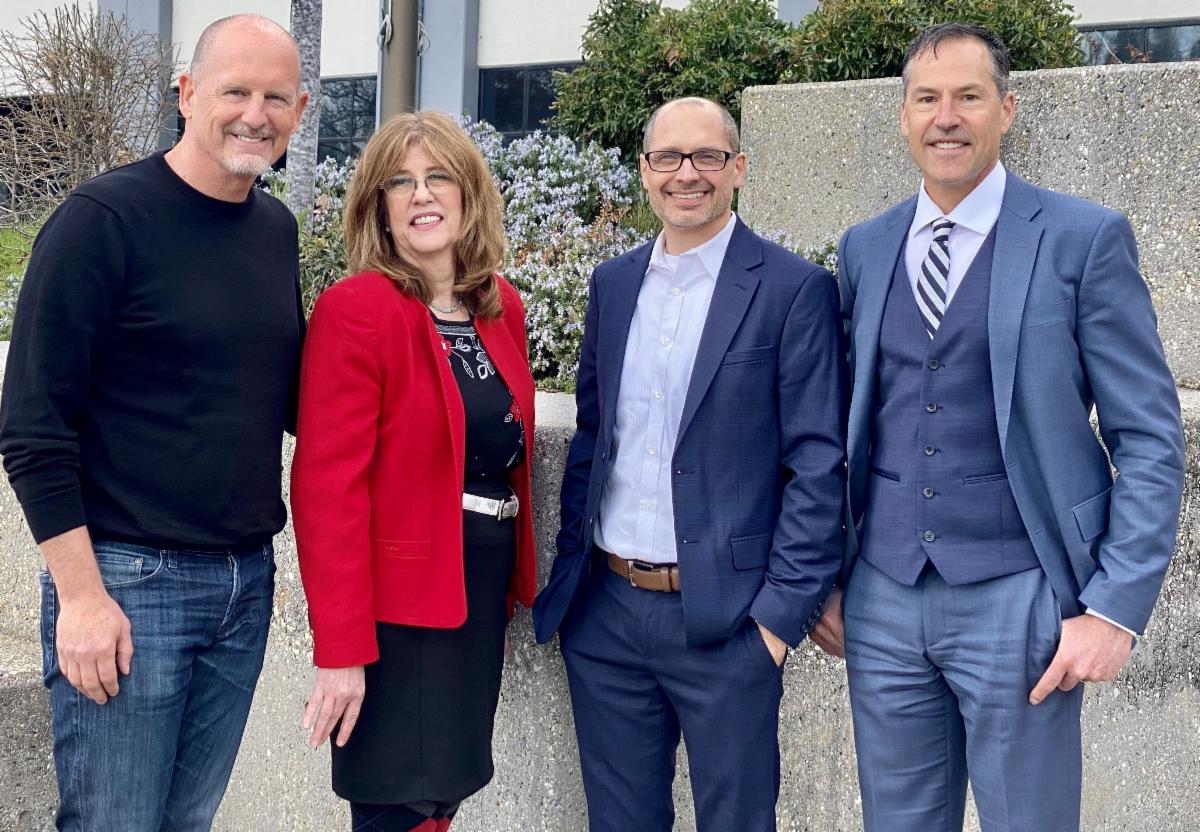
Integrated Communications Strategies consultant Bill Mueller, Economic Development Program Manager, Kimberly Parker, ICS consultant Jerry Azevedo, and Nevada County Board of Supervisors Chair Hardy Bullock.

BOARD OF SUPERVISORS ADOPT TWO-YEAR

ECONOMIC DEVELOPMENT ACTION PLAN


At their March 26th meeting, the Board of Supervisors unanimously voted to adopt the two-year Economic Development Action Plan. Integrated Communications Strategies, the consulting firm hired to lead this effort, presented the plan, which is an alignment strategy highlighting the current efforts of the county and its economic partners and identifying short—and long-term tactics that will advance the economic work within the county.


The plan focuses on activities that will grow tax revenue and transient occupancy tax, improve business retention and expansion, and position the region to be competitive for federal and state investments and grants. 


Next steps include outreach presentations and the creation of an electronic version of the document. When complete, the document will be available via this e-news and through the economic development office.

BUSINESS PREPAREDNESS

Preparing for the inevitable!


A Business Continuity Plan (BCP) is a crucial component of any business. It serves as a roadmap for maintaining operations during and after unexpected disruptions.


Whether caused by natural disasters, technological failures, cyber-attacks, or other unforeseen events, these disruptions can severely impact a business's ability to function. They can lead to significant financial losses, tarnished reputation, and even business failure.


Importance of a Business Continuity Plan:


1. Risk Mitigation: A BCP helps identify potential risks and vulnerabilities within

the organization, allowing proactive measures to minimize their impact.

2. Operational Resilience: By outlining procedures to follow during disruptions, a

BCP ensures that essential functions can continue with minimal disruption,

safeguarding revenue streams and customer relationships.

3. Regulatory Compliance: Many industries have regulatory requirements that

mandate the implementation of BCPs to ensure businesses can continue to

operate despite unforeseen circumstances.

4. Reputation Management: How a business responds to crises can significantly

impact its reputation. A well-executed BCP demonstrates preparedness and

professionalism, fostering trust among stakeholders.

5. Employee Safety: BCPs often include protocols for ensuring the safety of

employees during emergencies, prioritizing their well-being.


Having a robust BCP is essential, and there are steps you can take to establish one.


Steps to Establish a Business Continuity Plan:


1. Risk Assessment: Identify potential threats and vulnerabilities that could disrupt

operations, considering both internal and external factors.

2. Business Impact Analysis (BIA): Evaluate the potential consequences of

disruptions in critical business functions, including financial, operational, and

reputational impacts.

3. Develop Strategies: Based on the findings from the risk assessment and BIA,

develop strategies to mitigate risks and ensure continuity of operations. This

may involve redundant systems, backup facilities, or remote work arrangements.

4. Communication Plan: Establish clear lines of communication internally and

externally during emergencies, ensuring stakeholders are informed and

updated on the situation and response efforts.

5. Document Procedures: Document step-by-step procedures for responding to

different types of disruptions, including roles and responsibilities of key

personnel.

6. Test and Training: Regularly test the BCP through simulations or drills to identify

weaknesses and ensure employees are familiar with their roles and responsibili-

ties.

7. Continuous Improvement: Review and update the BCP periodically to reflect

changes in the business environment, technology, or regulations, ensuring its

effectiveness over time.


KEY TAKEAWAYS

  • BCPs are prevention and recovery systems for potential threats, such as natural disasters or cyber-attacks.
  • BCP is designed to protect personnel and assets and make sure they can function quickly when disaster strikes.
  • BCPs should be tested to ensure there are no weaknesses, which can be identified and corrected.


A BCP is essential for organizations to mitigate risks, maintain operational resilience, and safeguard against potential crises. By following a structured approach to develop and implement a BCP, businesses can better prepare for and respond to unexpected disruptions, ultimately ensuring their long-term viability and success.


To learn more about Business Continuity Plans, click here.

THINGS TO KNOW!

SAVE THE DATE FOR THESE FANTASTIC EVENTS!


Earth Day in Nevada City, April 21.


Nevada County Economic Resource Council's Tour of Nevada County, May 9.


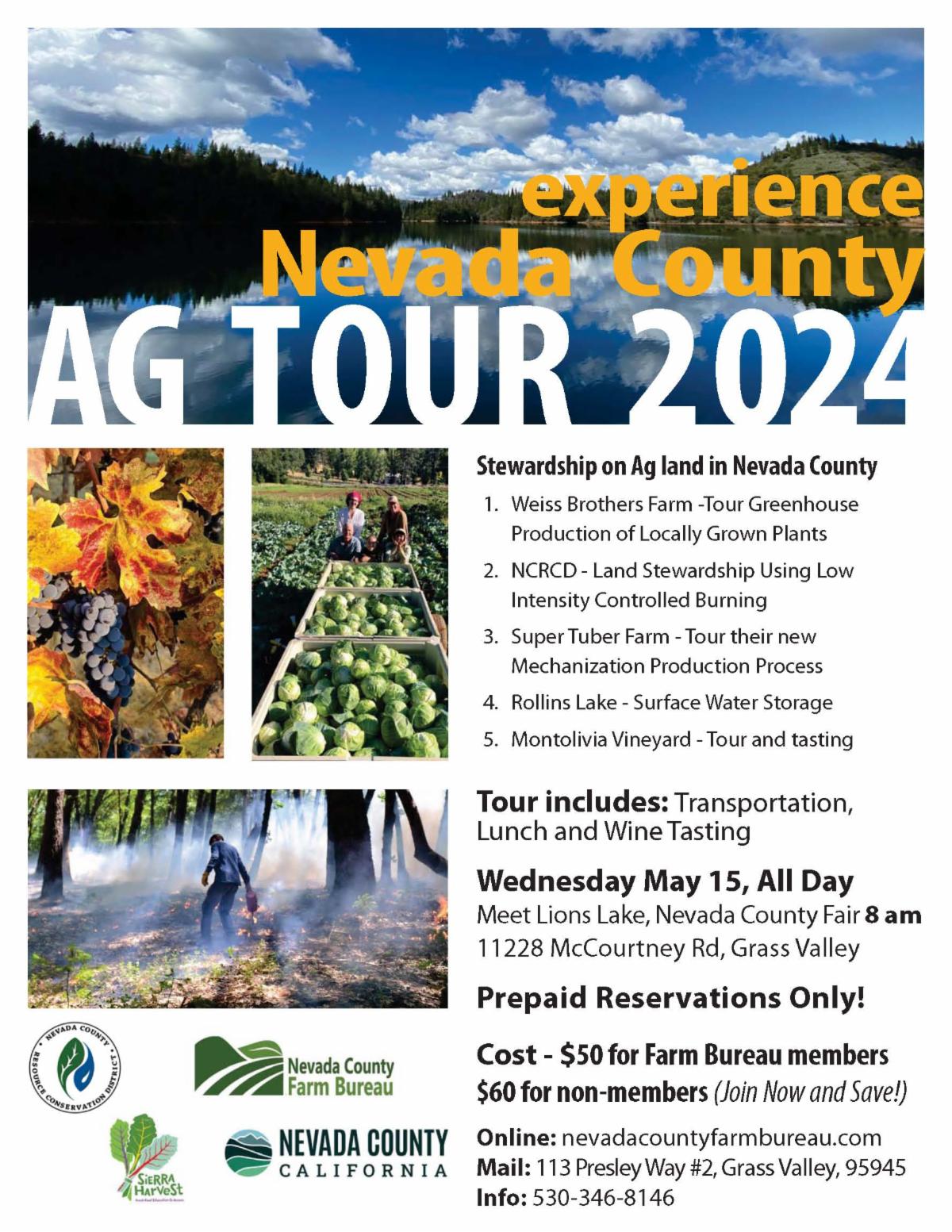
Nevada County Farm Bureau Agricultural Tour, May 15.


Nevada County Economic Resource Council's Economic Summit, September 19


A Business Legacy Continues

Nevada County Free Range Beef

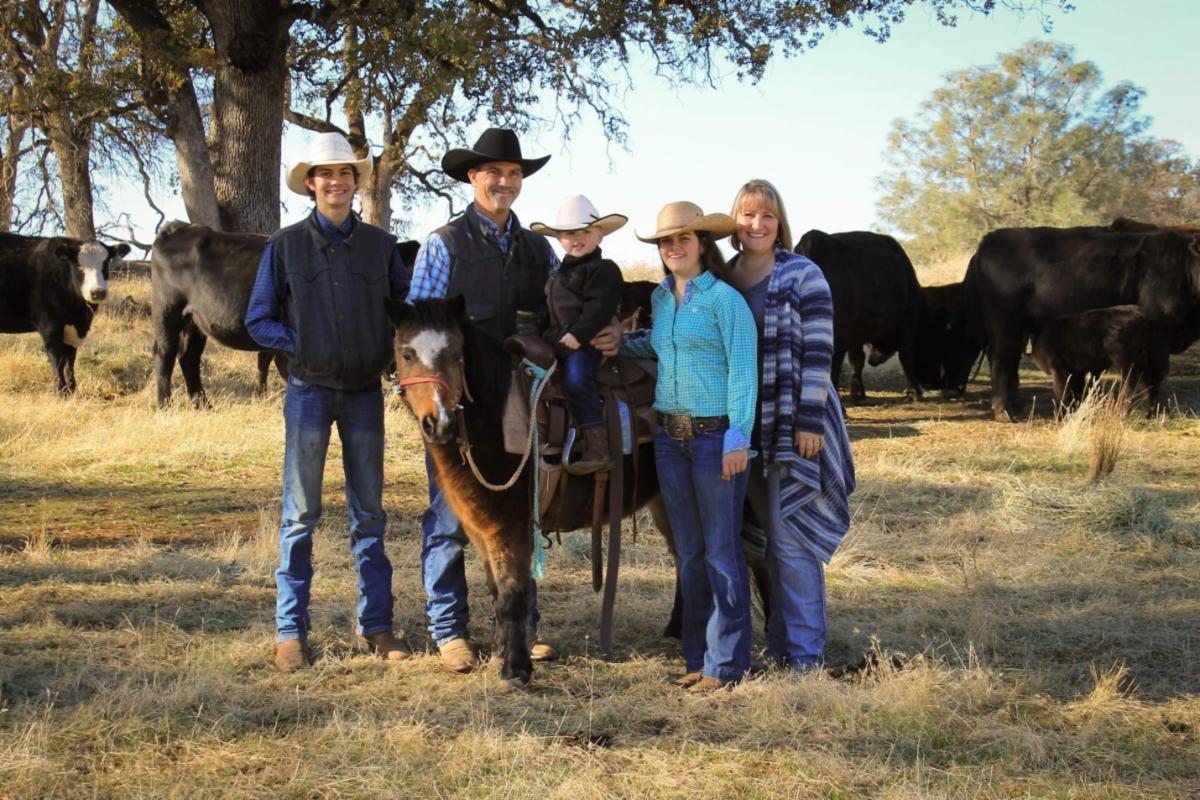
The Strong Family - James, Grant, Wyatt (Poncho the Pony), Tessa, and Elizabeth

In 2023, Grant and Elizabeth Strong took ownership to carry forward the longstanding local legacy of Nevada County Free Range Beef (NCFRB). The merger of their cow/calf ranching operation with NCFRB was a seamless match, ensuring the ongoing provision of top-notch, locally raised grass-fed beef to support the community.


The values of hard work, dedication, and responsible land stewardship have been a cherished part of their family’s heritage, passed down through the generations. Grant and Elizabeth recognize that their success is intimately connected to the well-being of the land and livestock, and they carry this responsibility with utmost seriousness.


By upholding the highest standards in animal care and sustainable farming practices, they not only deliver top-quality grass-fed beef products to the community but also contribute to the protection and preservation of the environment for the benefit of future generations.


Their philosophy revolves around adopting practices that go beyond meeting immediate needs. They are committed to ensuring the long-term well-being and productivity of their family, the land, and the community. This forward-thinking approach is essential for sustaining the legacy they aim to leave for future generations.


NCFRB is firmly rooted in sustainability, trust, and community. The program features cattle that roam and graze in the pastures of Nevada, Yuba, and Placer counties, making them genuine locals. Grant and Elizabeth take great pride in their ability to produce the highest quality grass-fed beef and are excited about the opportunity to share their deep passion for ranching with you and to offer the community access to wholesome, locally sourced food reflecting their commitment to excellence.


Click here to go to the website.


Follow them on Facebook here.


To send NCFRB an email, click here.

The future generation - Wyatt keeping a close eye on his cows.


FUNDING AND GRANT OPPORTUNITIES


Access the Distressed Community Index

for Information to Inform Your Grants


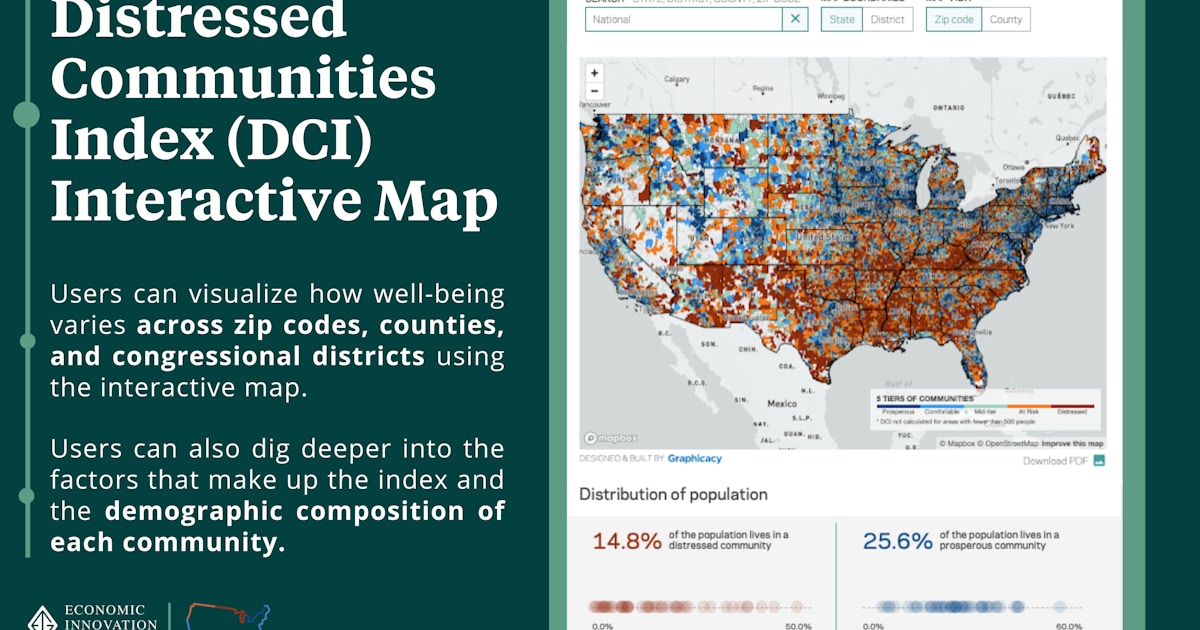
If you are writing grants, it is often important to know where your region falls in the Distressed Community Index (DCI). DCI is a data tool and interactive map ranking communities' economic well-being.


The DCI draws attention to the deep disparities in economic well-being that separate US communities. The latest census data is used to sort zip codes, counties, and congressional districts into five quintiles of well-being: prosperous, comfortable, mid-tiers, at risk, and distressed.


The seven components of the index are: 1. No high school diploma, 2. Housing vacancy rate, 3. Adults not working, 4. Poverty rate, 5. Median income ratio, 6. Changes in employment, and 7. Changes in establishments.


The latest version of the DCI recently came out.


To view the DCI site, click here.

Backing Small Business Grants

Presented by American Express


In partnership with American Express, the Backing Small Businesses grant program supports economically vulnerable and under-resourced small businesses with community reach and/​or cultural significance.


This year, eligible small business owners can apply for $10,000 grants for projects that grow or improve their businesses by building community, supporting their economic viability, or bolstering meaningful change.


To be eligible, businesses must:


  • The applicant must be the business owner.
  • The applicant must be at least age 18 years or older.
  • The business must be in a ​“bricks-and-mortar” location and operate in an older or historic main street, downtown, or commercial district.
  • The business must be an independent business and not part of a franchise.
  • The business must employ 20 or less FTE employees.
  • The business must have been in operation on or before January 1, 2023.
  • The business must be a business entity in good standing in the state in which it was formed and the state in which it does business.
  • The business must have an active business license, if required by state or local government. (Applicants may be asked to provide documentation if selected.)


Applications will be accepted from March 14, 2024, through April 7, 2024, at 11:59 p.m. CT. (The application period may end early if 5,000 applications are submitted before the deadline. 


Grant notification by mid-June 2024.


Click here for more information.

Small Business Administration Loans


The Small Business Administration (SBA) plays a pivotal role in assisting small businesses in obtaining loans to support their growth and development. With a mission to aid and empower entrepreneurs, the SBA offers various loan programs tailored to meet the diverse needs of small businesses across different industries.


Here's how the SBA facilitates access to loans for small businesses:


  1. SBA Loan Guarantee Programs: The SBA doesn't directly lend money to businesses; instead, it guarantees a portion of loans provided by approved lenders, such as banks and credit unions. This guarantee encourages lenders to extend credit to small businesses that might not otherwise qualify for traditional loans, reducing the lender's risk.
  2. Flexible Loan Terms: SBA loan programs feature flexible terms and conditions, including longer repayment periods and lower down payment requirements, making them more accessible to small businesses with limited financial resources.
  3. Counseling and Support Services: The SBA provides extensive counseling and support services to help small business owners navigate the loan application process. This includes assistance with business plan development, financial projections, and understanding loan requirements.
  4. Access to Capital: Through its network of participating lenders, the SBA connects small businesses with access to capital for various purposes, including startup costs, expansion, working capital, and equipment purchases.
  5. Disaster Assistance Loans: In times of natural disasters or economic crises, the SBA offers low-interest disaster loans to help small businesses recover and rebuild. These loans can cover property damage, inventory replacement, and other disaster-related expenses.


For small businesses seeking financial assistance, contacting the Small Business Administration is a crucial first step. Entrepreneurs can visit the SBA's website or contact their local SBA office to learn more about available loan programs, eligibility criteria, and application procedures. Additionally, the SBA's extensive network of resource partners, including Small Business Development Centers (SBDCs) and SCORE chapters, provides free counseling and guidance to entrepreneurs throughout the loan application process.


In order to get an SBA-backed loan:


  • Visit their loans page to find the loan that best suits your needs.
  • Enter your Zip Code on Lender Match to find a lender in .our area.
  • Apply for a loan through your local lender.
  • Lenders will approve and help you manage your loan.


For more information on SBA loan programs and how to apply contact SBA directly at 1-800-827-5722.


Visit the SBA loan site for more information.


TRAINING OPPORTUNITIES

Don't miss the tremendous array of trainings

being offered over the next month.

The following trainings are courtesy of the Sierra Small Business Development Center at: (530) 582-5022.

Copyright Basics and Considerations for Entrepreneurs


If you are an entrepreneur, understanding copyrights will help your business succeed.


Register today for this free webinar designed for U.S. entrepreneurs and small businesses to learn the basics of copyright and gain insights into copyright protection and enforcement.


March 28: 10:00am - 11:30am


Click here for class details.

Business Plans that Work!


This webinar provides a detailed format for writing Business Plans that get funded. Steve Roth developed this model after over 40 years of investing and has successfully used it for hundreds of companies across industries. A panel of experts will answer questions.


April 2: 10:30am - 12:00pm


Click here for class details.


Cash Flow in the Hospitality Industry


This seminar covers the role of cash flow in your small business so that you can manage it and drive your business to more stability with less stress. After this seminar you'll know how to identify and free up your cash flow bottlenecks and predict the next one to avoid it.


April 29: 2:00pm - 4:00pm


Click here for class details


Expansion Capital for Profitable Businesses More than Two Years Old!


This webinar is designed to help businesses which are profitable and with more than two years in active operations understand how to raise capital, equity and debt, to facilitate future growth.


April 30: 10:30am - 12:00 pm


Click here for class details.


The following training is offered by SCORE

A Basic QuickBooks Guide For Small Business Owners


If you’re a small business owner, chances are you’ve heard about QuickBooks. That’s because QuickBooks is the most popular accounting software on the market. 


In this webinar, SCORES expert presenter will walk you through the basic features of QuickBooks and explain how to use it to streamline your financial management. Whether you're new to QuickBooks or looking to enhance your existing skills, this webinar provided practical strategies to manage your business finances with QuickBooks effectively.p


Learning objectives:

  • How to get started with QuickBooks
  • How to track your sales and expenses
  • How to pull reports
  • How to create invoices


April 16: 1:00pm - 2:00pm EDT


Click here for class details and to register.

Is Your Business Ready for E-commerce?


SCORE is offering an online course so you can determine if e-commerce would work well for your business. This module has several written sections that you can study at your own pace.


By the end of the module you will be able to:


  • Determine if your industry has transitioned to e-commerce,
  • Identify the demand for your product or services,
  • Recognize the financial commitments essential for e-commerce, and
  • Assess the effect of e-commerce on your current employees.


To register for this course, click here.

TOURISM

Ananda Tulips Festival Draws 18,000


Springtime at Ananda Tulip Festival (April 10, 2024, to May 5, 2024) not only offers a stunning display of nature's beauty but also brings a bouquet of economic benefits to Nevada County each spring. Drawing over 18,000 visitors annually from across Northern California and Reno, Nevada, this beloved springtime tradition injects vitality into the local economy through increased tourism, hospitality, and retail activity.


With a highly engaged social media following and over 500,000 people visiting the festival's

website, the tulip festival provides excellent visibility for local businesses. Hotels, restaurants, and shops thrive as visitors flock to experience the vibrant blooms and serene beauty of the tulip

gardens. With its ripple effect of economic prosperity, Springtime at Ananda Tulip Festival blooms as a cornerstone of Nevada County's springtime allure, enriching locals and visitors alike.


Crystal Hermitage is part of Ananda Village, an intentional community founded more than 50 years ago by Swami Kriyananda. The more than 200 residents are devotees of Paramhansa Yogananda, who was a leading teacher of yoga in the West and the author of the influential spiritual classic Autobiography of a Yogi.


For those interested in a business partnership or sponsorship, call Mai Lee at 310-621-3721.


For more information call 530-478-7587 or click here for more information.

Lisa Renner, Freelance Writer

Click here to subscribe to the economic development e-news.


Contact the Economic Development office at (530) 470-2795 for business assistance and a friendly connection to available resources.