Dear Friends,


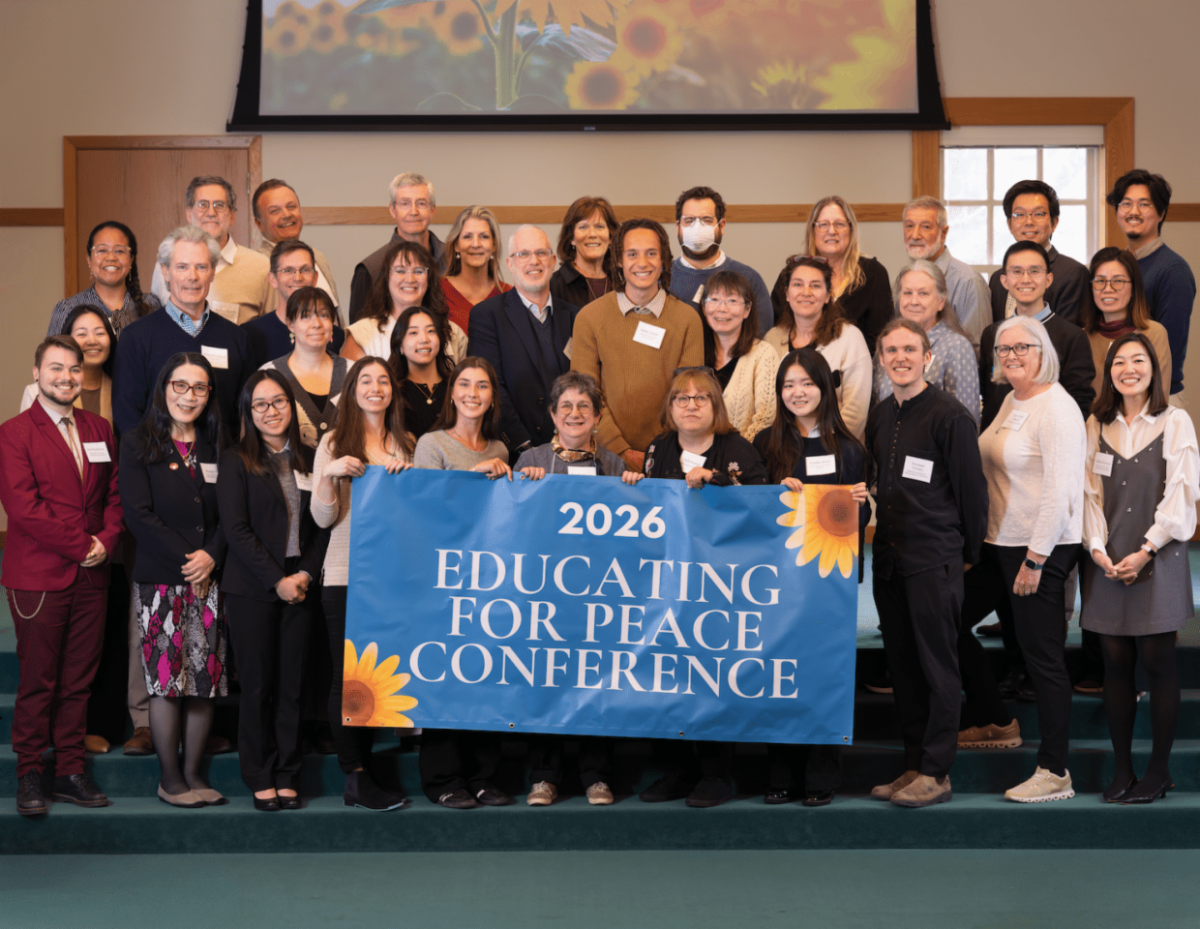
As we reflect on the past several months, we are filled with gratitude for the remarkable success of our 2026 Educating for Peace Conference and the community that came together in support of peace. It was deeply inspiring to welcome both new participants as well as returning teachers who joined us for our inaugural conference last year. Seeing these relationships continue to grow is a powerful reminder that meaningful dialogue and connection can foster a lasting community committed to peace education.


Throughout the conference, we were moved by the thoughtful reflections shared by participants and presenters alike. The conversations demonstrated not only a deep commitment to teaching about peace, but also a willingness to engage challenging topics with openness, curiosity, and hope. We were especially inspired by the message of Mrs. Keiko Ogura, whose words continue to resonate with us: "Let us sow these seeds together, so that the children of the future can live in a world where they know neither the terror of radiation nor the sorrow of war." As we move forward, we look forward to deepening the connections formed during the conference and continuing to work together to cultivate these seeds of peace.


We are also pleased to present the latest issue of the Educating for Peace newsletter, featuring several timely educational resources that we hope will support your teaching and learning.

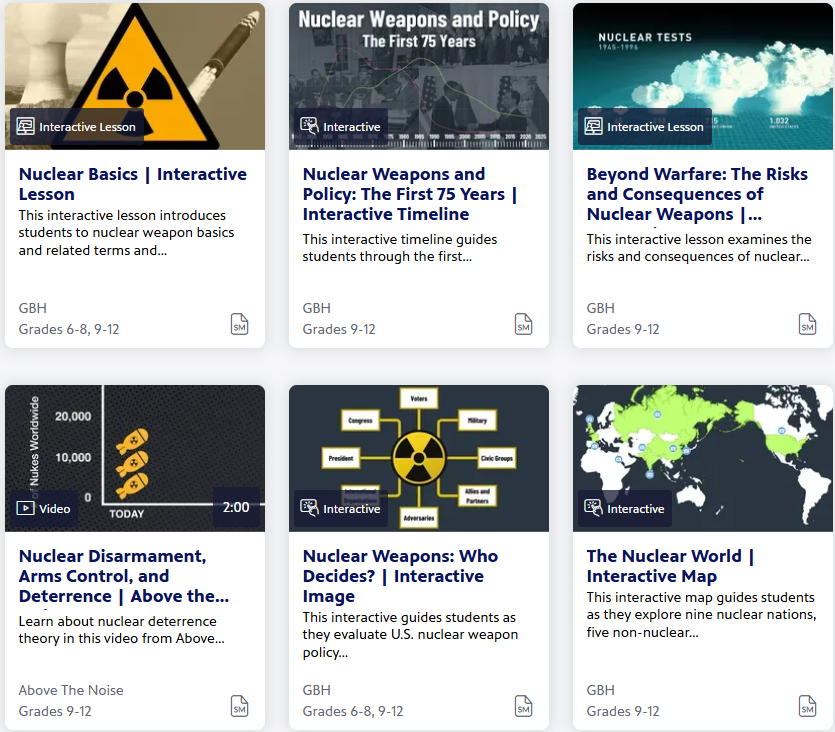
Among the highlights is PBS LearningMedia's Nuclear Weapons and Security Policy: Past and Present collection, which engages students in exploring the history, complexities, and contemporary challenges of nuclear weapons and security policy. Through interactive resources and videos, students develop critical thinking skills, examine multiple perspectives, analyze key developments from the past 75 years, and explore today's global nuclear landscape.


In this issue, you will also find an in-depth article on our recent spring conference, including a link to Mrs. Ogura’s full message. We also feature the story of American hibakusha Wataru Namba, one of several thousand U.S.-born Japanese Americans living in Hiroshima when the atomic bomb was dropped. In addition, we share Daniel Ellsberg's powerful 29-minute documentary, filmed one year before his passing at the age of 92, in which he offers an urgent call to reduce the ongoing threat of nuclear war. As Ellsberg reminds us, "I've long said that to my last breath I will be doing what I can to postpone and avert the risk of nuclear war."


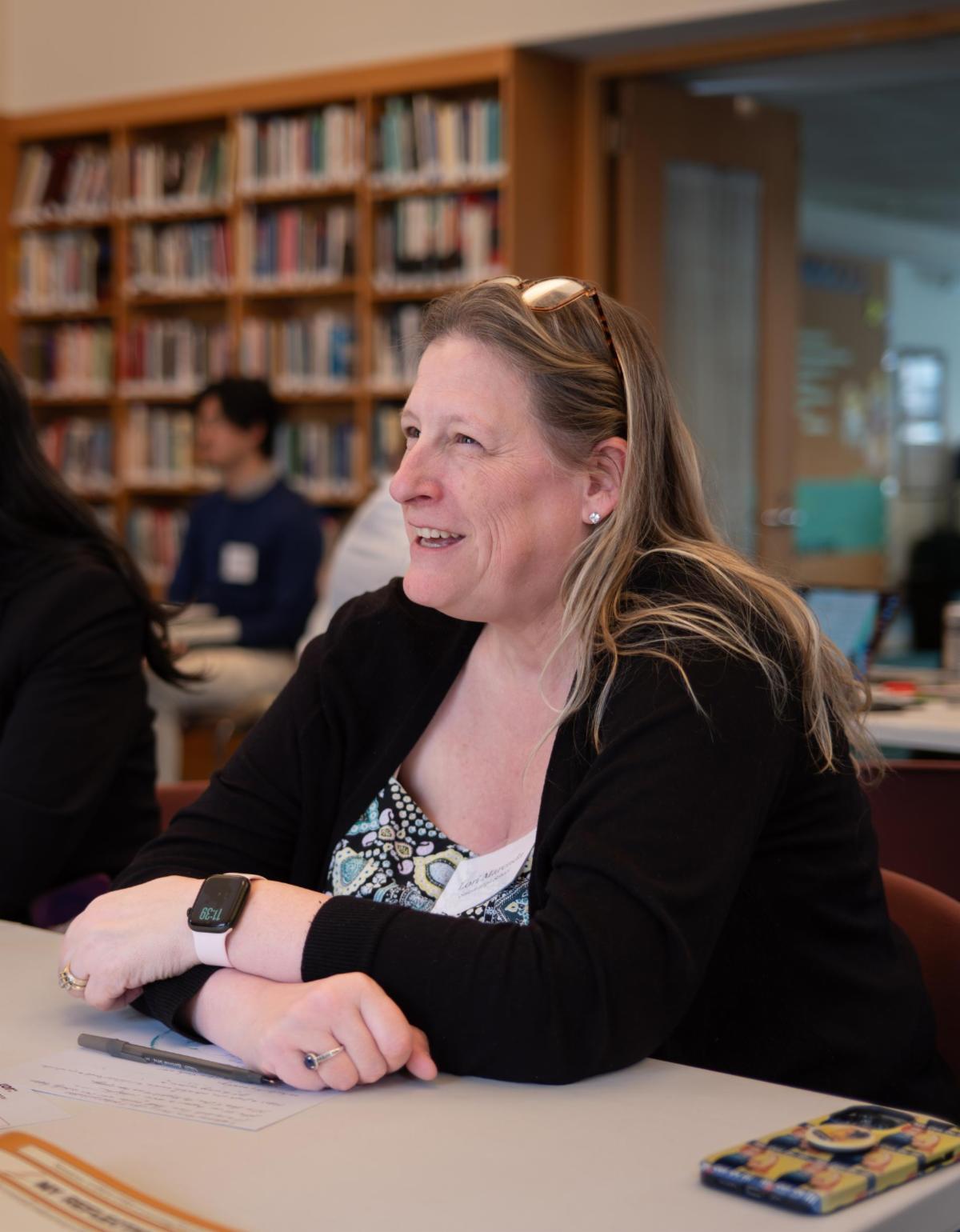
Finally, we are continuing our Teacher Highlight section in this issue. This time, you'll see reflections from Lori Marenda, whose contributions have enriched our conference greatly over the past two years.


We hope these resources will prove valuable in your classrooms as you continue the vital work of educating for peace. As always, we welcome your suggestions for additional resources that may benefit fellow educators. 


As we commemorate the atomic bombings of Hiroshima and Nagasaki this month, we are reminded of the profound need to continue advancing education for peace. This time of remembrance invites us not only to honor the lives lost and the enduring experiences of the hibakusha, but also to renew our commitment to cultivating dialogue, empathy, and the shared determination to build a world free from nuclear weapons and war.


In deep gratitude,


Kevin Maher (Ikeda Center), Tetsushi Ogata (Soka Institute for Global Solutions), and Masako Toki (James Martin Center for Nonproliferation Studies)

NUCLEAR WEAPONS AND SECURITY POLICY: PAST AND PRESENT

Created by PBS LearningMedia, The Nuclear Weapons and Security Policy: Past and Present collection engages students in understanding the fundamentals and complexities of nuclear weapons and security policy. Collection resources include interactives and videos, and help to sharpen critical thinking skills and facilitate the examination of multiple perspectives. Through these resources, students can also analyze key events and trends from the past eight decades and explore the current global nuclear weapons and policy landscape. 


Take a look at this roadmap which highlights the various topics and themes along with the collection resources that best support each one.


CHECK OUT THE FULL LIST OF RESOURCES


REPORT FROM THE 2026 EDUCATING FOR PEACE CONFERENCE

The second annual Educating for Peace Conference was held from April 25–26, 2026, at the Ikeda Center for Peace, Learning, and Dialogue. Co-organized with the Soka Institute for Global Solutions at Soka University of America (SIGS), the James Martin Center for Nonproliferation Studies (CNS) at the Middlebury Institute, and EdEthics at the Harvard Graduate School of Education, the conference brought together middle and high school teachers from across the United States to explore effective ways to teach students about the threats and historical legacies of nuclear weapons, reflect on what it means to educate for peace at this time, and build a network of teachers committed to nuclear disarmament through youth education.


CHECK OUT OUR DETAILED WRITE UP


AN AMERICAN HIBAKUSHA

Titled "An American Hibakusha," this short documentary by TIME features Wataru Namba, one of several thousand U.S. born Japanese Americans who survived the atomic bombing of Hiroshima in 1945 when he was 18 years old. The film highlights the lasting physical and emotional impact of the bombing while drawing attention to this often-overlooked chapter of history and the importance of preserving survivors' testimonies for future generations.


Video via TIME YouTube Channel


WATCH THE VIDEO


AN ORDINARY INSANITY (29-MIN FILM)

"An Ordinary Insanity" is a 29-minute documentary featuring Daniel Ellsberg in one of his final on-camera interviews. The film provides a powerful wakeup call about the global threat posed by nuclear weapons and how we can dramatically reduce the real and present danger of nuclear annihilation. 


Filmed a year before his death at age 92, Ellsberg speaks with clarity and urgency about the dangers we face, noting, "I’ve long said that to my last breath I will be doing what I can to postpone and avert the risk of nuclear war."


The full film is available to view for free online.


LEARN MORE ABOUT THE FILM

2026 Conference Teacher Highlight


What insight or idea from the conference has stayed with you the most?


"There were SO MANY great presentations and share-out moments during the conference. I would say that we, as humans, can make a difference in making the change necessary for a world without nuclear weapons. Take a page from social movements of the past, start small and local. Form connections with like minded individuals to make the change that is necessary. And grow that circle slowly. Humanity is worth it!"


READ MORE HERE

–Lori Marenda, Salem High School

“We believe in taking down the barriers, but we also believe in the most energetic reconciliation among peoples by getting them to know each other, talk each other's languages, understand each other's fears and beliefs, getting to know each other physically, philosophically, and spiritually. It is much harder to kill your near neighbor than the thousands of unknown and hostile aliens at the other end of a nuclear missile. We have to create a world in which there are no unknown, hostile aliens at the other end of any missiles.”


–Betty Williams, Nobel Lecture (1977)


CONNECT WITH US

Feedback is always welcome! Is there anything in this newsletter that you would like to see more of? Want to share something that you have been doing around nuclear disarmament education? Click here to fill out our feedback form or reach out to us at info@ikedacenter.org with your thoughts!


Let's grow our community! If you enjoyed the content of this newsletter and want to share it with your friends, please send them this sign-up form.


Click here to view our newsletter archive