PWSSC

the Breakwater

A newsletter from the Prince William Sound Science Center

January 18, 2022

New Building

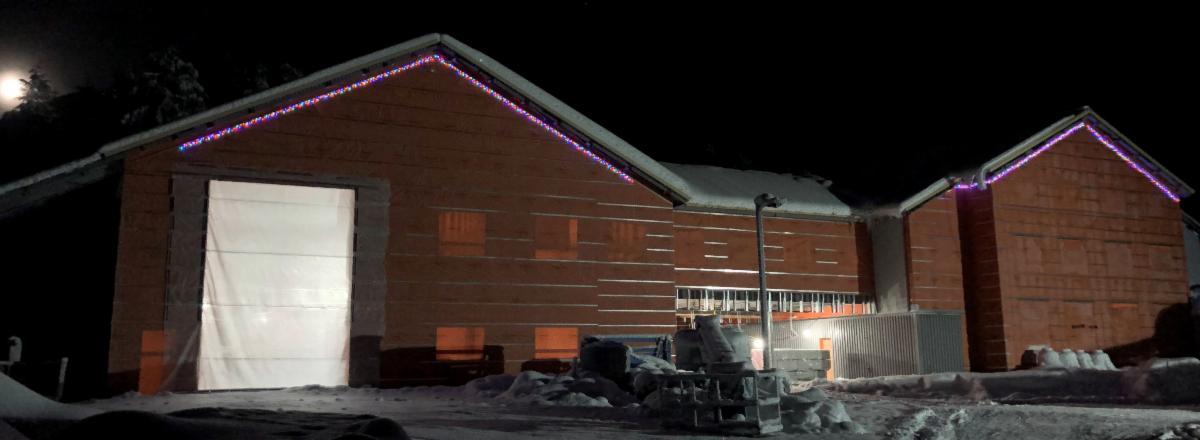
Featured photo: New Science Center building under a full moon, December 2021

Education's Busy and Rewarding Fall

IMG_1661.JPG

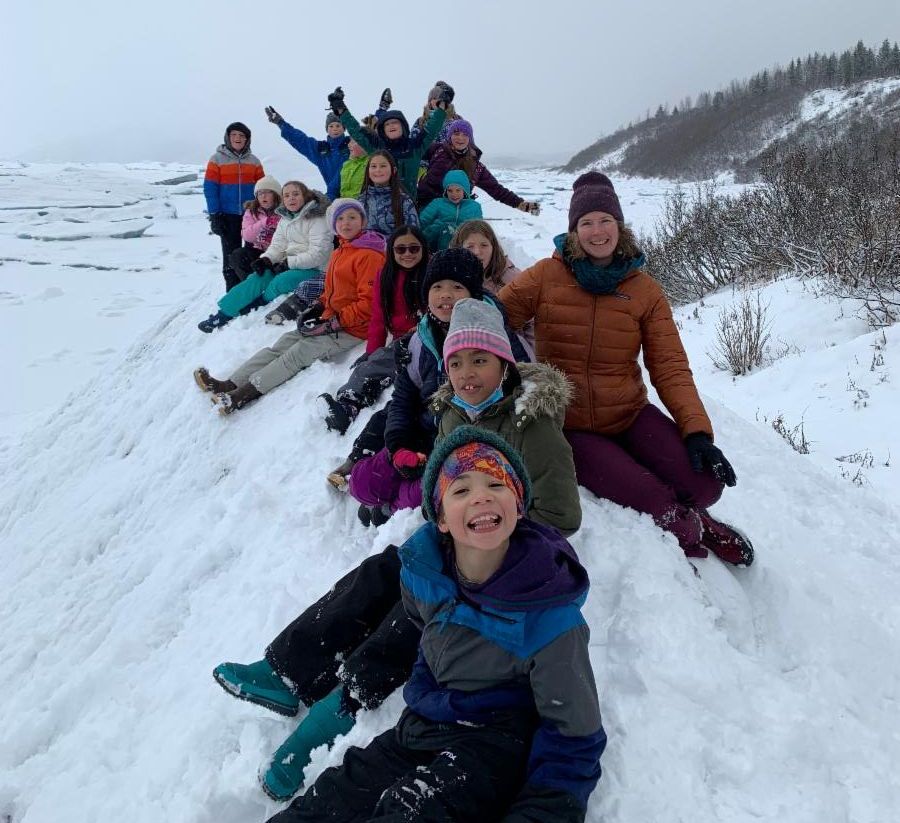
Mt. Eccles fourth grade class at the end of a snowy hike to Sheridan Glacier. The class is studying geology. Photo by Lauren Bien.

The education calendar has been jam-packed these past few months with a wide variety of activities and programs. In late October, our team traveled to Nome to host our popular Remotely Operated Vehicle (ROV) Challenge for middle and high school students. Back in Cordova, we hosted two Sea Squirts events exploring Light & Shadow with our youngest learners. Our hydroponic lettuce is growing in the second grade classroom. Third graders dissected "bird stomachs" (balloons full of Jell-o and candy) to learn about diet composition. The fifth grade class has been caring for our salmon tank and diving into fish adaptations. Our busiest day yet included a very snowy glacier hike with the fourth grade, an evening cruise on the R/V New Wave to search for bioluminescent plankton with the sixth graders, and a team practice for our high school National Ocean Science Bowl participants. While we may have been a bit exhausted, every second was worth it to help our students explore the world around them.

Impacts of "The Blob" on Plankton in Cook Inlet

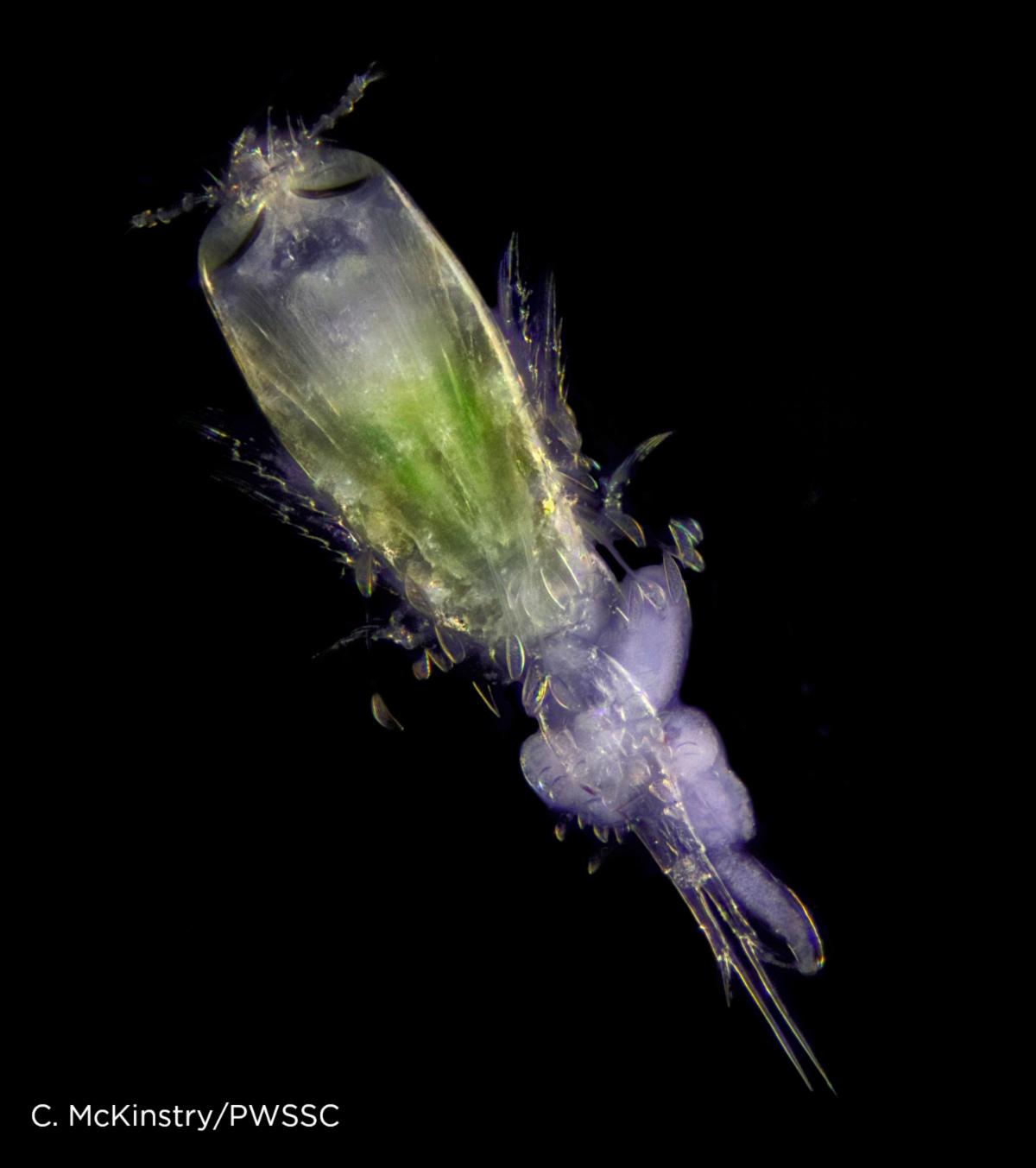
Corycaeus anglicus

From California to Alaska, the Pacific Ocean experienced unprecedented warm water from 2014-2016. This marine heatwave known as “The Blob”, caused widespread die-offs of seabirds, declines in fish populations, and brought marine life from more tropical regions of the Pacific to the Gulf of Alaska like skipjack tuna and ocean sunfish. How this warm water affected the tiniest animals in the ocean, zooplankton, was not clear. The mishmash of microscopic animals that make up the zooplankton community form the base of the food web and are important food for fishes, seabirds, and whales. In Cook Inlet and its main arm Kachemak Bay, zooplankton have been collected for the past ten years. We looked at the individual species that make up zooplankton to see how this community was affected by the marine heatwave. We found that, like ocean sunfish and skipjack tuna, the abundance of copepods (shrimp-like zooplankton smaller than a grain of rice) from warm water regions off the coast of California increased in numbers in Alaskan waters. One particular copepod species (pictured above: Corycaeus anglicus) is a voracious predator of other zooplankton that could impact the “normal” zooplankton community in the Cook Inlet region.


Read the recently published manuscript in Deep-Sea Research Part II by PWSSC research assistant Caitlin McKinstry: Influence of the 2014–2016 marine heatwave on seasonal zooplankton community structure and abundance in the lower Cook Inlet, Alaska.

Remember to P.C.G. when Filing your 2022 PFD

PCG Logo Stacked GRN Background.jpg

Support PWSSC's mission by making a donation via Pick.Click.Give. when you file for your 2022 PFD. Your contribution helps us offer engaging science and outdoor education programs that get kids of all ages to explore their world. They learn to appreciate local ecosystems and how we as a community fit into the picture. Ultimately, they become informed citizens who can make sound and thoughtful decisions, both now and in the future.


If you were one of the many great Alaskans who donated a portion of your 2021 Permanent Fund Dividend, we thank you for your support! If you forgot or would like to do so in 2022, now's your chance!

The Future Ocean Podcast

TFO Final Tile.png

Check out the Alaska Ocean Acidification Network's new podcast on carbon policy! The Future Ocean podcast is for coastal Alaskans, folks in the seafood industry, and anyone interested in the future of our oceans.


This six-part series features local marine scientists, economists, and leaders in Alaska’s clean energy transition as they introduce ocean acidification and discuss different carbon policy options, how they work, what the terms mean, and what action is currently happening regionally and nationally. Learn about changes in our marine ecosystems and potential solutions that are on the table in Congress. A special feature on Kodiak's renewable energy system is highlighted in the last episode. Listen on Apple Podcasts, Spotify, or www.thefutureoceanpodcast.com.

THANK YOU FOR YOUR SUPPORT

The Science Center is committed to resilient communities and healthy ecosystems. 


We need your help now more than ever. If you believe in our mission and care about what we do, please consider making a donation today. Every dollar helps us stay stable during these uncertain times.

DONATE NOW
Facebook  Twitter  Instagram